Yellowstone vs Yosemite vs Grand Canyon for Families (2026)
Geyser circus, granite cathedral, or the rim view: three iconic Western parks compared by real cost, drive time, and which kids' ages each works for.
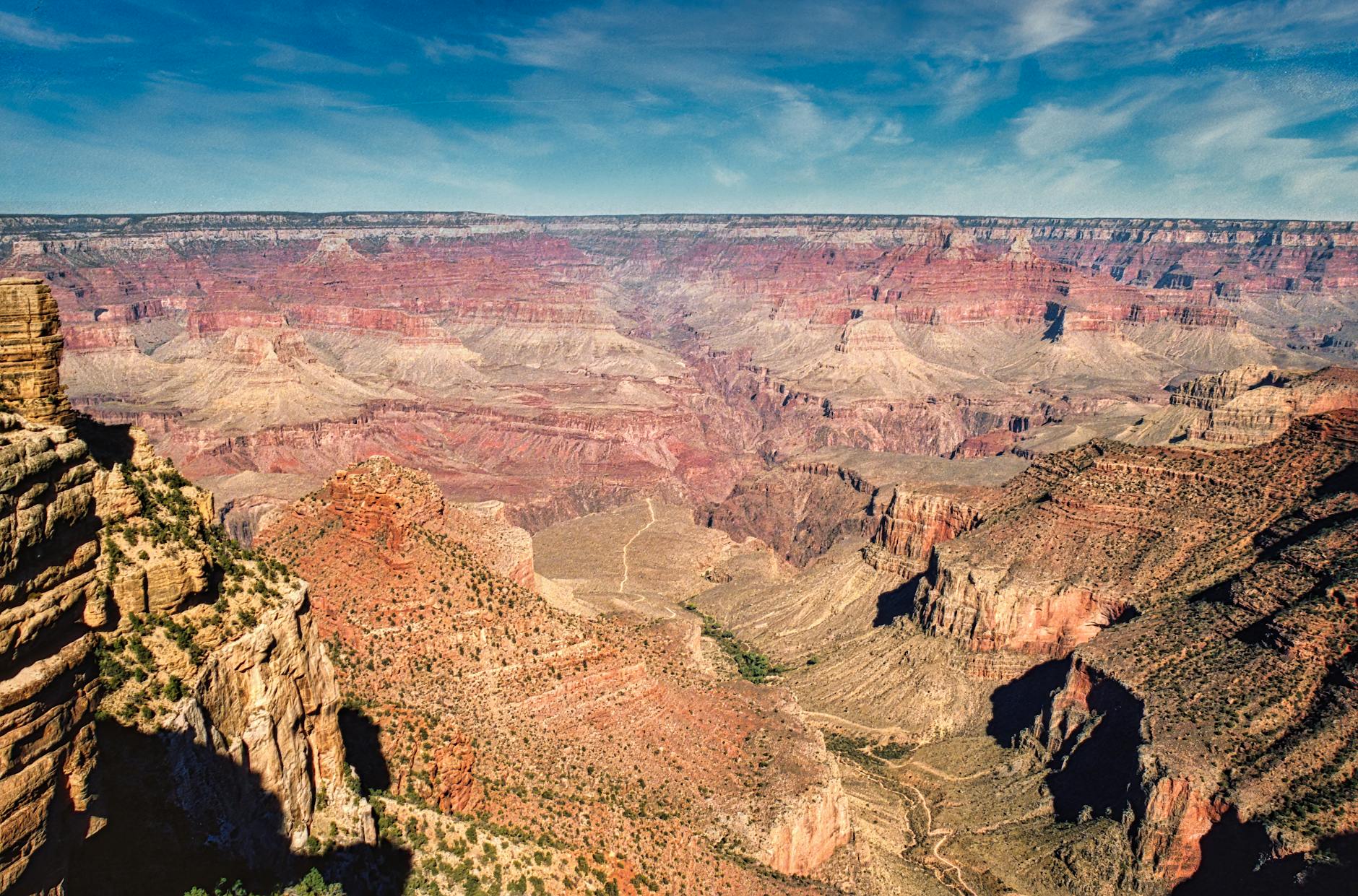
Quick Answer: Yellowstone vs Yosemite vs Grand Canyon for Families
- A 5-day family-of-4 trip in 2026 runs roughly $2,800-$3,500 at Yellowstone, $2,500-$3,200 at Yosemite, and $1,700-$2,400 at Grand Canyon. Grand Canyon is the cheapest by about $1,000 (as of May 2026, source: NPS.gov + Booking.com aggregator).
- ⏱️ Days needed: Yellowstone 5+ (geyser circuit + Lamar Valley wildlife); Yosemite 3-4 (Valley + Tioga Pass if open); Grand Canyon 2-3 (South Rim core experience).
- 👶 Best for ages 0-4: Grand Canyon. Mather Point is stroller-flat, Junior Ranger starts at age 4, and the rim views deliver instant impact without stamina demands.
- 👧 Best for ages 5-12: Yellowstone. The NPS Junior Ranger program is one of the system's best, and Old Faithful's predictability matches kid attention spans.
- 👨 Best for ages 13+: Yosemite. Half Dome views, the Mist Trail, and climbing culture engage teens in ways geyser viewing doesn't sustain.
- 🚗 Easiest logistics: Grand Canyon (Tusayan 6 miles from the South Rim entrance; approximately 60 minutes from Williams and 90 minutes from Flagstaff, per NPS). Hardest: Yellowstone (entrances 60-120 minutes from gateway towns Bozeman or West Yellowstone).
- 📋 2026 reservation rules: none of the three require a vehicle/day-use reservation. Yosemite dropped its timed-entry reservation for 2026 and now manages summer crowds with traffic and parking measures, so arrive before ~8am or after ~4pm to dodge the Valley parking crunch (as of June 2026, source: NPS.gov).
- 🧮 Run our Budget Calculator to see your family's specific number for each park.
Most families compare these three parks by scenery and assume cost is the deciding factor. It isn't. The real filter is your kids' ages plus your drive-time tolerance. The $800-$1,800 spread between cheapest (Grand Canyon) and most expensive (Yellowstone) is real (as of May 2026, source: NPS + Booking.com aggregator), but families with kids 5-12 systematically get more from Yellowstone's $1,000-extra cost than the same dollars would buy at Grand Canyon. The Real-Cost Test below shows the full math, and the Three-Question Decision Test + Skip-If Filter rule each park OUT for specific family configurations. For a similar 2-way comparison on park logistics, see our Rocky Mountain vs Glacier comparison.
Side-by-Side Comparison
Three Western national parks, three completely different family experiences. Yellowstone delivers wildlife and geothermal wonder across 2.2 million acres in Wyoming, Montana, and Idaho. Yosemite concentrates Sierra Nevada granite drama into roughly 1,200 square miles in central California. Grand Canyon offers the iconic Arizona rim view from a South Rim base that's manageable in just two days. Here's how the three stack up on the categories that matter most to families.
| Category | Yellowstone | Yosemite | Grand Canyon |
|---|---|---|---|
| Entrance fee (7-day vehicle) | $35 | $35 | $35 |
| 5-day family-of-4 total | $2,800-$3,500 | $2,500-$3,200 | $1,700-$2,400 |
| Gateway town | West Yellowstone / Gardiner | El Portal / Mariposa | Tusayan / Williams |
| Nearest airport | Bozeman (BZN) | Fresno (FAT) or SF (SFO) | Flagstaff (FLG) or Phoenix (PHX) |
| Drive from airport | 90-120 min | 90 min (FAT) / 240 min (SFO) | 90 min (FLG) / 240 min (PHX) |
| Base elevation | 7,800-8,500 ft | 4,000 ft (Valley) | 7,000 ft (South Rim) |
| Signature experience | Old Faithful + Lamar Valley wildlife | Half Dome + El Capitan + Yosemite Falls | South Rim + Bright Angel Trail |
| 2026 reservation system | None | None (timed-entry reservation dropped for 2026) | None |
| Best ages | 5-14 | 8-17 | All ages (with caveats) |
| Days needed | 5+ | 3-4 | 2-3 |
Sources: NPS.gov fee schedules, visitation data, and 2026 reservation policy (as of June 2026, source: NPS.gov); Booking.com aggregator (gateway-town nightly rates, May 2026); Google Flights (airfare to BZN, FAT, SFO, FLG, PHX as of May 2026).
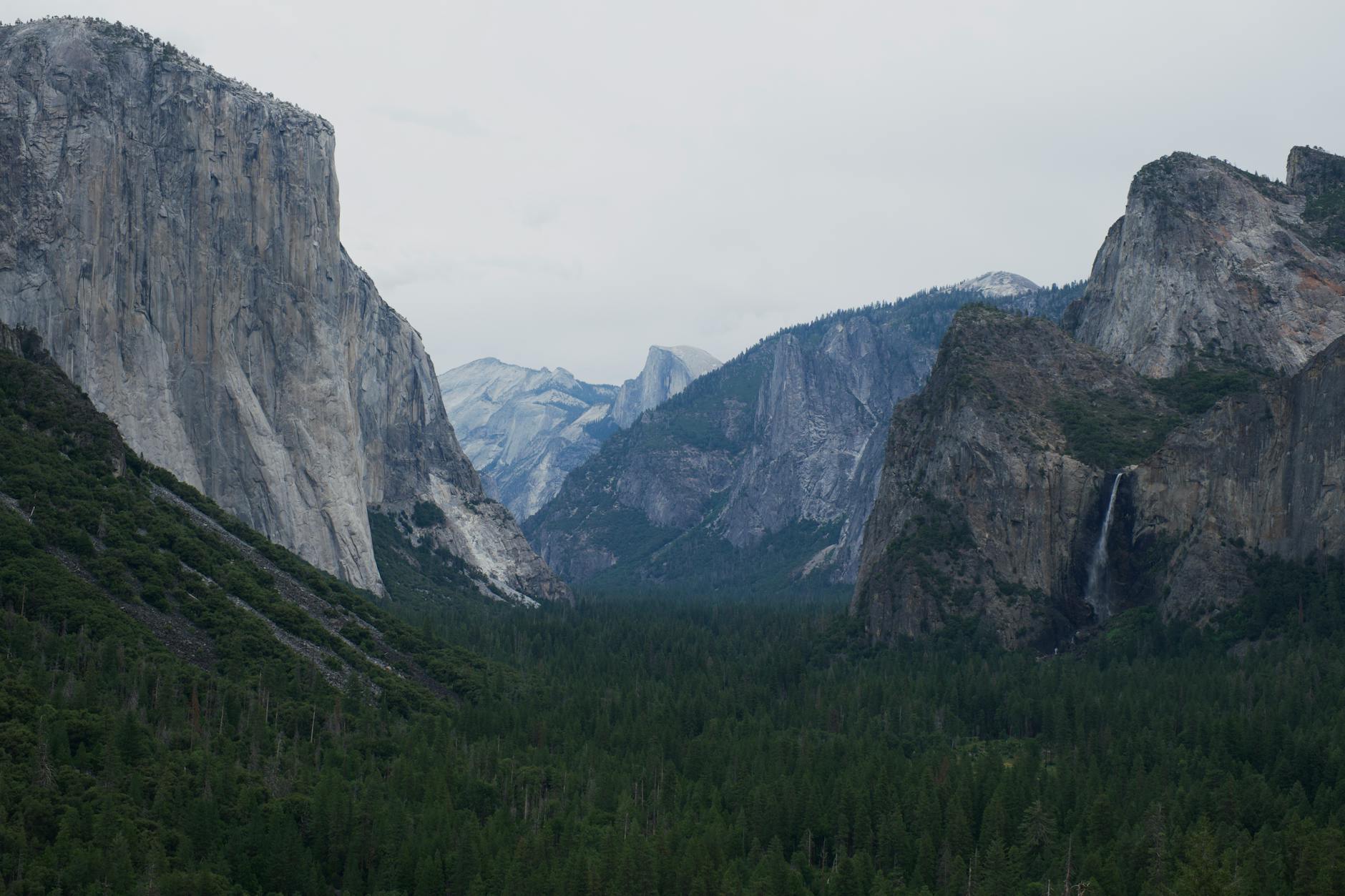
Real-Cost Test: 5-Day Family-of-4 Math for All 3 Parks
Our Real-Cost Test compares what families actually pay, not the brochure rate. Resort nightlies are only the first line. The full cost stack includes lodging in gateway towns (which vary dramatically), food (Tusayan inflated, El Portal sub-$15 dinners possible), activities, and flight + drive from a typical hub.
Yellowstone: $2,800-$3,500 for a Family of 4 (5 nights)
$35 vehicle entry. In-park lodging (Old Faithful Inn, Lake Hotel) runs $300-$500/night but books 12 months ahead; gateway-town motels in West Yellowstone or Gardiner average $130-$250/night (as of May 2026, source: Booking.com aggregator). Food costs trend high: West Yellowstone restaurants average $18-$25/entree; buying groceries in Bozeman before driving up saves $200-$400 over the trip. Flights to Bozeman (BZN) run $400-$600/person from East Coast hubs, $250-$400 from Western hubs (as of May 2026, source: Google Flights).
Yosemite: $2,500-$3,200 for a Family of 4 (4 nights)
Same $35 entry. No vehicle/day-use reservation in 2026. Yosemite dropped its timed-entry system and now manages peak-season traffic with active parking and congestion measures (as of June 2026, source: NPS.gov). In-park lodging (Yosemite Valley Lodge, The Ahwahnee) runs $250-$650/night and books months ahead; gateway-town options in El Portal, Mariposa, and Groveland average $180-$320/night (as of May 2026, source: Booking.com aggregator). Food costs mid-tier: gateway diners $14-$20/entree. Flights to Fresno (FAT) run $350-$550/person from East Coast hubs; SFO often $250-$450 but adds a 4-hour drive (as of May 2026, source: Google Flights).
Grand Canyon: $1,700-$2,400 for a Family of 4 (3 nights)
Same $35 entry. Tusayan (6 miles from the South Entrance, per NPS, read September 2026) averages $180-$280/night; Williams (60 miles south) runs $130-$220; Flagstaff cheapest at $120-$200 (as of May 2026, source: Booking.com aggregator). Food costs lower than Yellowstone: Tusayan and Williams casual chains at $12-$18/entree. The 3-day trip length is the biggest cost lever. You don't need 5 nights for the South Rim core experience. Flights to Phoenix (PHX) run $280-$450/person from East Coast; Flagstaff (FLG) often $400-$550 (as of May 2026, source: Google Flights).
Best Ages and Family Fit
Your kids' ages do more to determine the right park than any other variable, more than cost, drive time, or scenery preference. Here's how each park fits each age band.
Toddlers and Preschoolers (Ages 0-4)
Grand Canyon wins this age band decisively. Mather Point overlook is wheelchair and stroller-accessible (per NPS.gov accessibility data), the Junior Ranger program admits ages 4+, and the South Rim views deliver instant "wow" without demanding stamina or long hikes. Visitor center exhibits engage curious 3-year-olds for an hour or two. The 7,000 ft rim elevation is the lowest of the three parks. Altitude acclimatization friction is real but milder than Yellowstone.
Yellowstone works at this age too, particularly along the geyser boardwalks (Old Faithful, Mammoth Hot Springs, Norris) which are stroller-accessible. Watch for altitude effects on under-4s flying from sea level. Yellowstone's 7,800+ ft base elevation can cause irritability and sleep disruption for 2-3 days. Yosemite Valley is the toughest of the three for toddlers; long drives between vista points and the summer Valley parking crunch (arrive before ~8am or after ~4pm) add friction that doesn't pay off until kids are old enough to remember the views.
Elementary Kids (Ages 5-12)
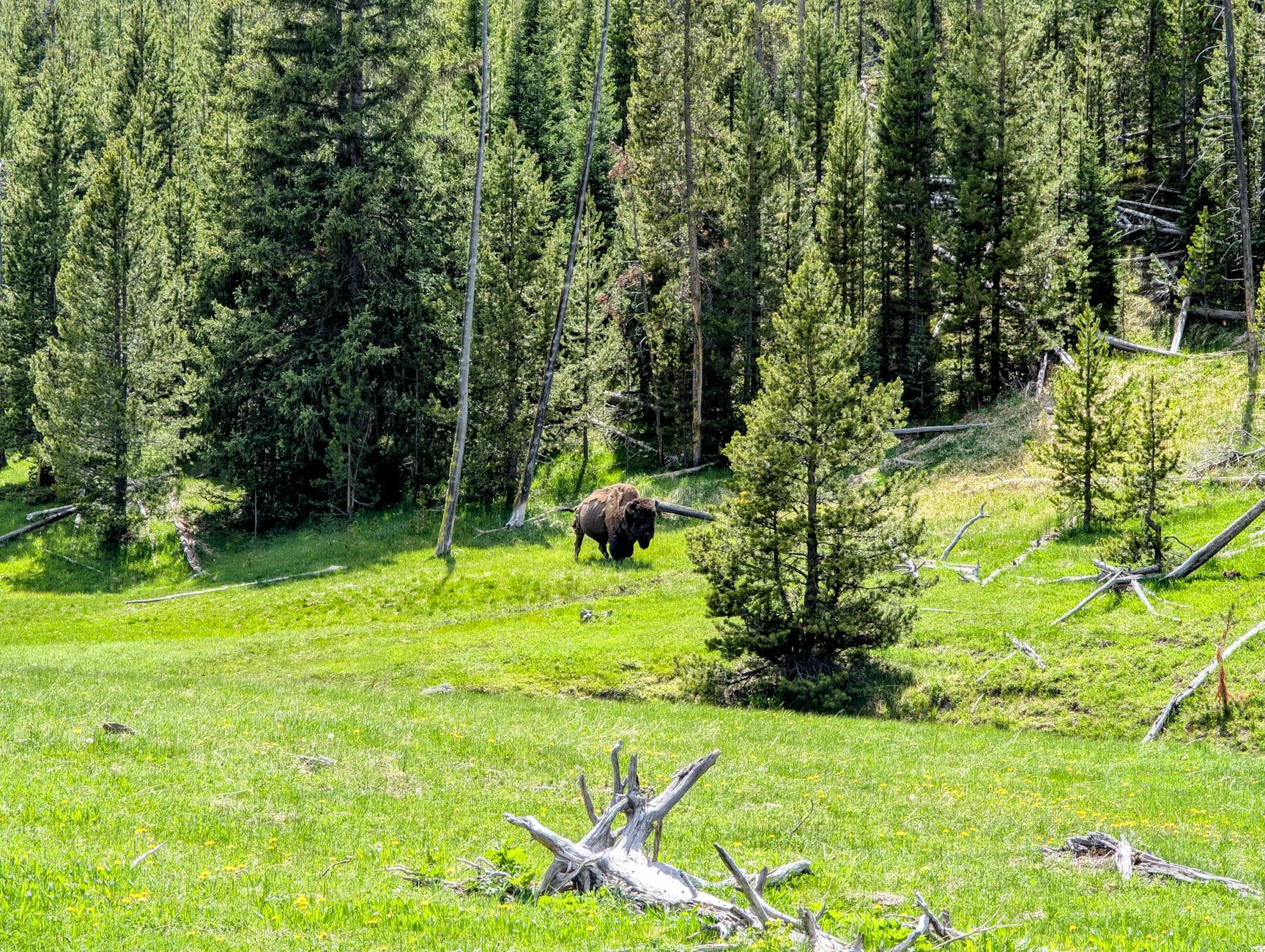
Yellowstone hits this age band hardest. The NPS Junior Ranger program here is widely considered one of the most engaging in the entire park system: activity booklets keep kids absorbed between geyser viewings, wildlife sightings drive natural Q&A, and the predictability of Old Faithful's roughly 90-minute eruption cadence matches kid attention spans well. Lamar Valley wildlife watching (bison, wolves, elk, sometimes grizzlies at distance) feels like an actual safari. The boardwalk surfaces are flat and tantrum-proof.
Grand Canyon also works well at this age band. The Bright Angel Trail's first 1.5 miles to the rest house is manageable for most 6+ kids with reasonable hydration. Junior Ranger badge collection is a strong motivator. Yosemite Valley delivers for kids 8+ who can handle 2-3 mile flat walks (Lower Yosemite Fall, Mirror Lake, Cook's Meadow loop), and the El Capitan climber-spotting routine is the kind of thing teens actually remember.
Tweens and Teens (Ages 13+)
Yosemite pulls ahead for older kids. Half Dome views, the Mist Trail to Vernal Falls (1.6 miles round trip with serious payoff), and the El Capitan climbing culture engage teens in ways geyser-watching can't sustain past age 10. The Tioga Pass road (open roughly late May through early November per NPS.gov historical averages) adds Tuolumne Meadows and Tenaya Lake to the trip, landscapes that look like nothing else and reward the teenage willingness to drive 90 minutes for "one view."
Grand Canyon's rim views still impress teens, especially at sunrise and sunset. Add a mule ride along the rim ($192.96 per person including tax and surcharges for the three-hour Canyon Vistas ride, two of those hours in the saddle, as of September 2026, source: Grand Canyon National Park Lodges) and the experience becomes Instagram-worthy in a way pure overlooks aren't. Yellowstone with teens is more variable: some get hooked on the wildlife and geothermal science, others find five days of geyser-circuit driving repetitive.
Logistics and Reservations for 2026
Yellowstone (No Park-Wide Reservations)
No park-wide vehicle reservation in 2026 (per NPS.gov). Gateway-town lodging is the hard constraint: West Yellowstone and Gardiner book out 6-12 months ahead for July and August. Inside-park lodging opens reservations 12-13 months ahead and fills within minutes of release.
Yosemite (No Reservation in 2026: Manage the Parking Crunch)
No vehicle/day-use reservation in 2026. NPS announced on February 18, 2026 that Yosemite will no longer use a timed-entry reservation system, managing peak-season congestion instead through real-time traffic monitoring and active parking management in Yosemite Valley (as of June 2026, source: NPS.gov). You can drive in any time, but summer mid-day demand still overwhelms Valley parking. Arrive before about 8 AM or after about 4 PM to avoid the worst of it, or use the free Valley shuttle once you're parked.
Grand Canyon (No Reservations, but Tusayan Inventory is Tight)
Grand Canyon's South Rim has no entry reservation in 2026. Tusayan lodging fills July-August roughly 4-6 months ahead. Williams (60 miles south) has deeper inventory but trades off the roughly 60-minute drive each morning (as of September 2026, source: NPS.gov). The Grand Canyon Railway from Williams ($87+ per adult round trip as of May 2026, source: GrandCanyonRailway.com) is a strong alternative for families who want to skip the drive and add a Western-themed experience. See our existing 2-way Yellowstone vs Grand Canyon comparison for deeper logistics on each park individually.
Decision Framework: The Three-Question Decision Test
Run the Three-Question Decision Test before booking any of these three parks. (1) What are your kids' ages right now: toddler stamina (Grand Canyon), elementary engagement (Yellowstone), or teen-friendly granite (Yosemite)? (2) What's your real time budget including flight + drive days, a 2-3 day Grand Canyon trip vs a 5+ day Yellowstone trip? (3) What's your break point if Yellowstone or Yosemite costs spike beyond projections? Is the $1,000 savings at Grand Canyon worth the trade in depth?
Apply the Skip-If Filter: the conditions below rule each park OUT for specific family configurations. Read them as veto criteria, not feature lists.
Pick Yellowstone if...
- Your kids are 5-12 and crave wildlife encounters and geothermal weirdness
- You have 5+ days available including travel
- You're comfortable with $400-$600 East Coast flights to Bozeman
- Your family is comfortable at 7,800+ ft (or you can acclimatize a day in Bozeman before driving up)
- You want the most-engaging Junior Ranger program in the NPS system
Skip Yellowstone if you have kids under 5 flying from sea level (altitude acclimatization is a real friction); your trip cap is under 4 days; or your hard budget ceiling is $2,500 for the whole trip.
Pick Yosemite if...
- Your kids are 8+ and ready for 2-4 mile flat walks with serious vista payoff
- You're willing to arrive early (before ~8am) or late (after ~4pm) in summer to beat the Yosemite Valley parking crunch, no reservation needed in 2026
- You're flying from a West Coast or Mountain West hub (cheaper flights to FAT or SFO)
- You want a 3-4 day trip rather than a 5+ day commitment
- You're drawn to granite and waterfalls over wildlife and geysers
Skip Yosemite if your trip window falls before mid-April or after early November (Tioga Pass closed, partial-park experience); your kids are under 5 (the long Valley drives wear on toddlers); or you can't commit to an early-morning or late-afternoon arrival in summer to beat the Valley parking crunch.
Pick Grand Canyon if...
- You have kids under 5 and need a park that works for all ages
- Your trip cap is 2-3 days plus travel
- Your hard budget cap is under $2,500 for the whole trip
- You're flying into Phoenix (cheapest hub of the three for most US cities)
- You want the iconic "first national park" experience without a 5-day commitment
Skip Grand Canyon if your kids are 8+ and crave more variety than the rim view + one hike can deliver in 2-3 days; or you're traveling in July-August and your kids struggle in 90+ °F rim temperatures.
Our Take
Grand Canyon is the default pick for families with kids under 5, families capped at 3 days, or families on a hard budget under $2,500. Mather Point's stroller-accessible rim view + Junior Ranger at age 4 + the cheapest gateway-town lodging make this the lowest-friction Western national park trip in 2026.
Yellowstone earns its $1,000 premium for families with kids 5-12 who have 5+ days available. The Junior Ranger program is the most-engaging in the NPS system, Old Faithful's predictability matches kid attention spans, and Lamar Valley wildlife delivers safari-grade memories no other US park matches.
Yosemite is the teen pick for families with kids 13+ who don't mind an early-morning or late-afternoon arrival in summer to beat the Valley parking crunch (no reservation needed in 2026). Half Dome views, the Mist Trail, and the climbing culture engage older kids in ways geyser-watching can't sustain.
The right answer is the park that matches your specific family right now, not the one with the most-celebrated marquee experience. For a similar parks-comparison decision, see our Rocky Mountain vs Glacier comparison or the existing 2-way Yellowstone vs Grand Canyon comparison. For toddler-specific Yellowstone planning, see our Yellowstone with toddlers guide.
Frequently Asked Questions
Grand Canyon is the best Western national park for families with kids under 5 in 2026 because the South Rim has flat paved trails (Mather Point overlook is wheelchair-accessible), the lowest base elevation among the three (7,000 ft vs Yellowstone's 7,800+), and 2-3 day trips that match toddler stamina. Yellowstone works best for ages 5-12 thanks to its Junior Ranger program and predictable Old Faithful eruptions. Yosemite suits ages 8+ who can handle longer hikes.
Yellowstone needs 5+ days minimum to cover the geyser circuit, Lamar Valley wildlife viewing, and Grand Canyon of the Yellowstone. Yosemite works in 3-4 days (Valley floor + one Tioga Pass day if open). Grand Canyon's South Rim core experience fits in 2-3 days. Combining all three in one trip is logistically heavy. Plan 12+ days plus significant drive time between parks.
Yes. A 5-day family-of-four trip to Grand Canyon runs $1,700-$2,400 in 2026, roughly $1,000 less than the same trip at Yellowstone ($2,800-$3,500) and $800 less than Yosemite ($2,500-$3,200). The savings come from shorter trips needed (2-3 days vs 5+), cheaper gateway-town lodging in Tusayan and Williams, and fewer activity add-ons. Use our budget calculator for your specific family's number.
Logistically yes, but plan 12+ days and expect long drives. The driving distance between Yellowstone (Wyoming) and Yosemite (California) is roughly 14 hours; Yosemite to Grand Canyon (Arizona) is another 10 hours. Most families pick one park per trip and revisit other Western parks across multiple summers. If you do combine, fly into Bozeman for Yellowstone, drive to Fresno for Yosemite, then fly Phoenix or drive to Grand Canyon.
No. Yosemite is not using a timed vehicle/day-use reservation system in 2026. NPS announced on February 18, 2026 that it will no longer require vehicle reservations, managing summer crowds instead through real-time traffic monitoring and active parking management in Yosemite Valley (as of June 2026, source: NPS.gov). Plan to arrive before about 8 AM or after about 4 PM in peak season to avoid the Valley parking crunch. Yellowstone has no park-wide vehicle reservation in 2026. Grand Canyon has no reservation requirement. All three parks require the standard $35 vehicle entrance fee (or the $80 America the Beautiful annual pass).
Grand Canyon's South Rim wins for toddlers: Mather Point is wheelchair and stroller-accessible, the Junior Ranger program starts at age 4, and the rim views deliver instant impact without requiring stamina. Yellowstone's boardwalks around Old Faithful and Mammoth Hot Springs also work but the 7,800+ ft base elevation creates altitude acclimatization friction for under-5s flying from sea level. Yosemite Valley has flat paved paths (Lower Yosemite Fall trail, Mirror Lake) but requires longer drives to reach.
Yellowstone is best from June through September when all roads are open; July and August bring the heaviest crowds. Yosemite peaks June-October with Tioga Pass typically open late May to early November. Grand Canyon's South Rim is open year-round; spring (April-May) and fall (September-October) offer the best combination of mild weather and smaller crowds. Avoid summer at Grand Canyon if your kids struggle with heat (rim temps can exceed 90 °F).
How This Was Researched
This comparison uses verified data from official and authoritative sources:
Official Sources
- NPS: Yellowstone National Park: fees, visitation, Junior Ranger program
- NPS: Yosemite National Park: fees, 2026 no-reservation policy, accessibility
- NPS: Grand Canyon National Park: fees, Mather Point accessibility, South Entrance directions and drive times
- Grand Canyon National Park Lodges, run by Xanterra: rim mule ride pricing
- Recreation.gov: in-park lodging and campground booking
Pricing Data
- Lodging prices: Booking.com aggregator, Expedia, and direct gateway-town hotel websites for May 2026 verification
- Flight comparisons: Google Flights and Kayak route data (May 2026)
- Mule ride pricing: Grand Canyon National Park Lodges mule rides page, run by Xanterra (read September 2026)
- How it was scoped: Mid-range family accommodations, summer peak-season pricing, family-of-4 baseline
Parent Experiences
- Reddit r/NationalParks family travel discussions
- TripAdvisor destination forums for all three parks
- Family travel blogs covering multi-park Western US itineraries