Yellowstone with Kids: Complete Family Guide 2026
Everything families need to know: age-specific tips, real costs, and practical logistics
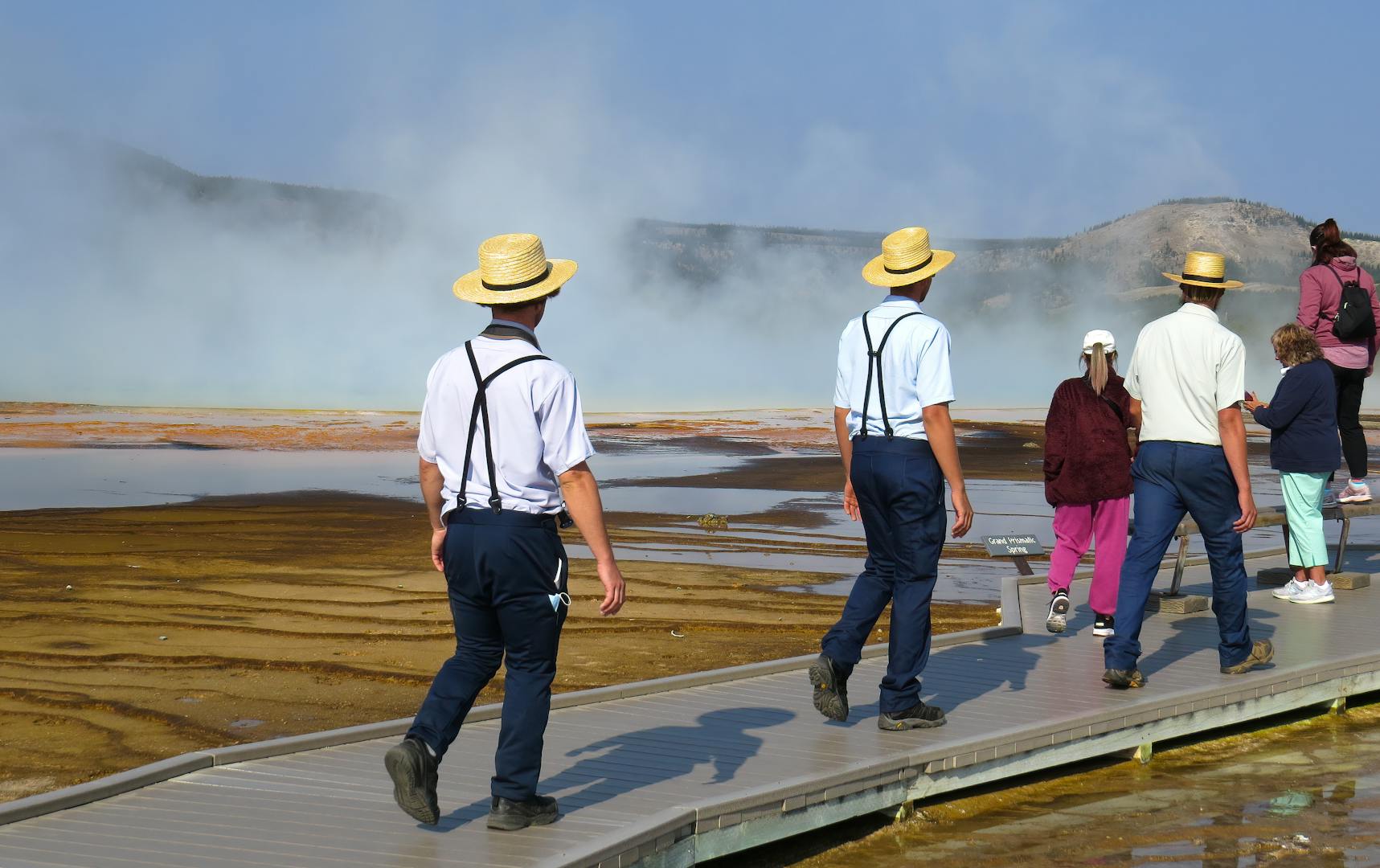
Quick Answer
Yellowstone isn't just a park — it's 3,500 square miles of geysers, canyons, and free-roaming bison that'll make your kids forget their tablets exist. Here's what you need to know before booking.
- 🏔️ Best for: Families with kids ages 4 and up (toddlers welcome but prepare for long drives between sights)
- 💰 Daily budget: $250–$500 for a family of four, depending on lodging
- 📅 Ideal length: 3 days minimum, 4–5 to see both loops comfortably
- 🌤️ Best time: Late June or early September for warm weather with fewer crowds
- ⭐ Don't-miss experience: Watching Old Faithful erupt from the Upper Geyser Basin boardwalk
- 🦬 Wildlife highlight: Lamar Valley at sunrise — bison herds, and sometimes wolves and bears
- ⚠️ Skip if: Your family can't handle 30–60 minute drives between major attractions
What Yellowstone Actually Costs in 2026
Let's start with the number everyone wants first. A seven-day vehicle pass runs $35 and covers your whole car — that's one of the better deals in the national park system. The annual Yellowstone pass is $70, and the America the Beautiful pass (good at all federal recreation sites) costs $80. If you're hitting multiple parks this year, that pass pays for itself fast.
Lodging is where budgets diverge. Roughrider Cabins at Roosevelt Lodge start around $135 per night — bare bones, but your kids won't care about thread count after a day of watching geysers. Mid-range rooms at Old Faithful Snow Lodge or Lake Hotel run $200 to $500 per night through summer 2026. Want the iconic Old Faithful Inn experience? Premium rooms and suites push $700 and higher during peak weeks.
Camping is the budget play. Sites range from $20 to $99 per night depending on amenities. Bridge Bay and Madison campgrounds fill months in advance, so book the day reservations open if camping's your plan.
So what does a realistic four-day trip look like for a family of four? Staying mid-range inside the park, packing some meals, and doing mostly free activities (which Yellowstone has plenty of), you're looking at roughly $1,200 to $2,000 total. Camping families can trim that to $600–$900.
Best Time to Visit with Kids
July and August draw the biggest crowds — nearly a million visitors each month according to NPS data. That's peak summer, when weather is warmest and all roads, lodges, and services are fully open. But it's also when parking lots fill before 10 a.m. and boardwalks feel shoulder-to-shoulder at popular geysers.
Here's the move most experienced Yellowstone families recommend: aim for the last two weeks of June or the first two weeks of September. You'll still get warm days (highs in the 60s to 70s), all major roads are open, and the crowds thin out noticeably. Early June works too, though some higher-elevation roads may still be closed and weather can swing cold.
Spring (May) brings something special — baby bison, elk calves, and bear cubs. But snow lingers at elevation, several roads stay closed into late May, and temperatures can drop below freezing overnight. It's a trade-off worth considering if your kids are old enough to handle layers and unpredictable weather.
Full month-by-month breakdown: for crowds, weather, wildlife, road-opening dates, and the six closest airports to fly into, see our best time to visit Yellowstone with kids guide.
Top Family Activities and Where to Find Them
Yellowstone's greatest trick? Most of its best attractions don't require long hikes. The boardwalk system around the geyser basins means stroller-pushing parents and reluctant teenage walkers can all see world-class geothermal features without breaking a sweat.
Old Faithful and the Upper Geyser Basin
Old Faithful erupts roughly every 90 minutes, shooting water 100 to 180 feet into the air. The predicted eruption times are posted at the visitor center and on the NPS app — check them first and plan your arrival 20 minutes early to grab a bench seat. But don't stop at Old Faithful. The Upper Geyser Basin boardwalk loop passes dozens of other geysers and hot springs within easy walking distance. Morning Glory Pool, at the far end of the loop, is worth the extra 15-minute walk.
Grand Prismatic Spring
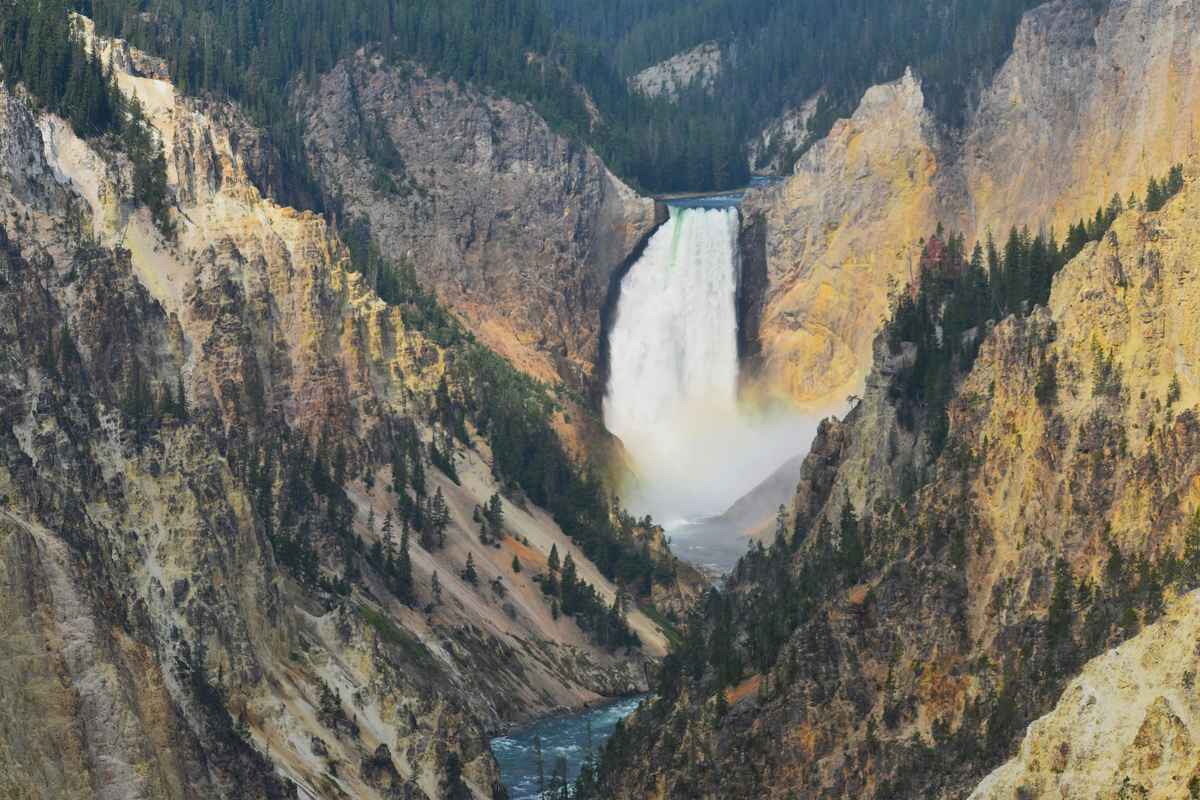
This is the photo everyone's seen — the massive rainbow-colored hot spring. From the boardwalk at ground level, it's impressive but hard to grasp the scale. For the full effect, take the Grand Prismatic Overlook trail (about 0.8 miles round trip with a moderate hill climb). Kids ages 5 and up can usually handle it, and the view from the top is jaw-dropping.
Lamar Valley Wildlife Viewing
Sometimes called America's Serengeti. Drive through at sunrise or sunset and you'll likely spot bison herds, pronghorn, and possibly wolves, bears, or elk. Bring binoculars — they're more important than any other gear for this part of the park. The valley sits in the northeast corner, so it's best combined with a day exploring the Upper Loop.
Junior Ranger Program
Free and well done. Pick up a booklet at any visitor center, complete the age-appropriate activities as you explore, and your kids earn an official Junior Ranger badge and certificate. It's the kind of thing that turns a "look at another hot spring" moment into actual engagement.
Wildlife Safety Rules Every Family Must Know
This isn't a zoo. Yellowstone's animals are wild, and the park takes safety seriously — as should every visiting family.
Safety Note
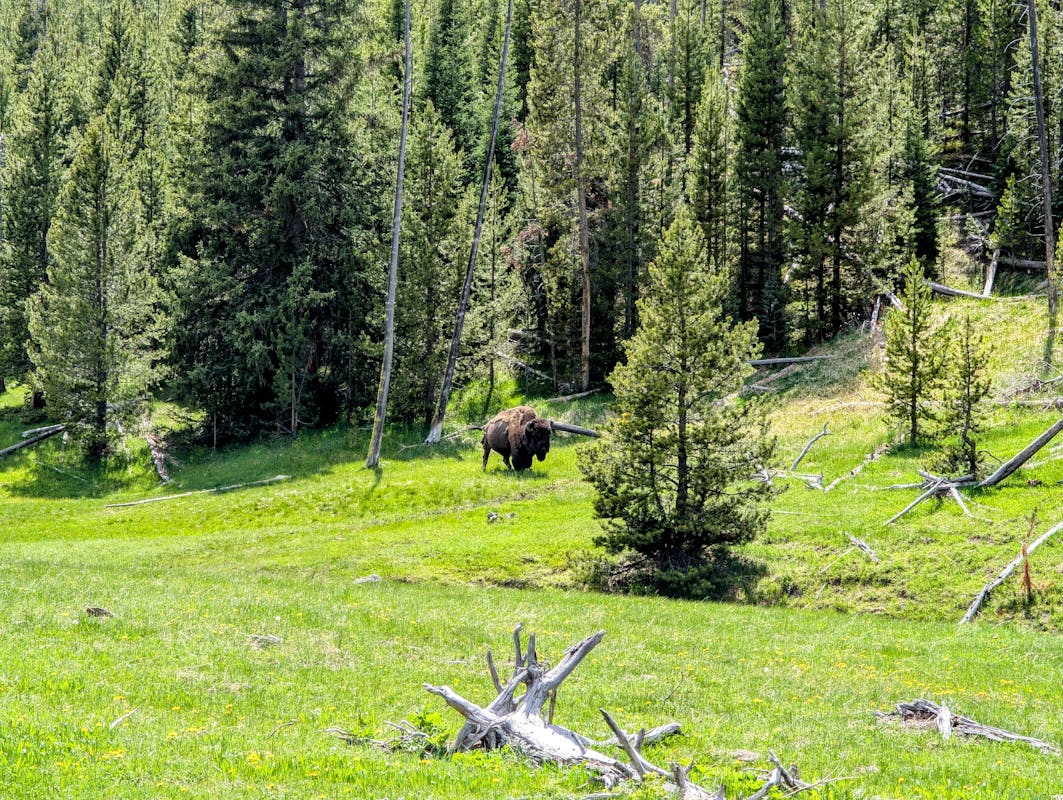
NPS rules require staying at least 25 yards from bison, elk, moose, and other large animals, and 100 yards from bears and wolves. Bison injure more park visitors than any other animal. They can run up to 35 mph and will charge without warning if they feel crowded.
Carry bear spray on any hike outside the boardwalk areas. It's available for purchase (and rental) at park general stores and visitor centers. Know how to use it before you hit the trail — the canister is useless if you're fumbling with the safety tab during an encounter.
For thermal areas, the rule is simple: stay on the boardwalks. Always. Hot spring water can exceed 200°F, and the ground around thermal features can be thin crust over scalding water. Hold young children's hands near every thermal feature, and don't let anyone run on boardwalks. The park issues fines for violations, and the burns are devastating.
Where to Stay: Inside vs. Outside the Park
This is the single biggest decision that'll shape your trip. Staying inside Yellowstone means shorter drives to attractions, earlier starts, and less time in the car — a big deal when you've got kids who melt down after 45 minutes of driving. One experienced park family put it well: staying inside the park and getting out early each morning gives you a one to three hour advantage over everyone commuting from gateway towns.
Inside the Park
- Old Faithful Inn: Iconic log lodge. Rooms from roughly $200–$700+ per night. Book 12+ months ahead for summer dates.
- Old Faithful Snow Lodge: Modern rooms and cabins, $164–$458 per night. More availability than the Inn.
- Lake Yellowstone Hotel: Elegant lakeside option, rooms from $330+. Great sunset views.
- Roosevelt Lodge Cabins: Rustic and affordable at ~$135/night. Good base for Lamar Valley.
Gateway Towns
West Yellowstone (Montana) is the most popular gateway, about 30 minutes from Madison Junction. You'll find chain hotels, restaurants, and the Grizzly & Wolf Discovery Center (about $13 for adults) — a solid rainy-day backup. Gardiner sits at the north entrance and is the only year-round gateway. Both towns offer significantly lower lodging rates than inside the park.
A smart split: book two nights inside the park for your key sightseeing days, then shift to a gateway town for the remaining nights. You'll save money and get access to better dining and grocery options.
Age-by-Age Breakdown
Not every family trip works for every age. Here's how Yellowstone actually plays out depending on your kids.
Toddlers (Ages 1–3)
Surprisingly doable. Most thermal basin boardwalks are flat and stroller-accessible. Your biggest challenge isn't the sights — it's the driving. Yellowstone is massive, and the distance between Old Faithful and Mammoth Hot Springs is about 50 miles of winding park road. Plan for one major area per day and build in nap time during longer drives.
Kids Ages 4–8
The sweet spot. Old enough to be amazed by erupting geysers, young enough to think earning a Junior Ranger badge is the greatest achievement of their lives. Most boardwalk trails are manageable, and shorter hikes (under 2 miles round trip) work well. Try the Mystic Falls trail or the Storm Point loop near Yellowstone Lake.
Tweens and Teens (Ages 9+)
Old enough for real hikes, wildlife photography, and early-morning Lamar Valley drives. Consider the Mount Washburn trail (about 6 miles round trip) for panoramic views, or a ranger-led activity that goes deeper into the park's geology and ecology. Teens who seem unimpressed will still talk about watching a bison herd cross the road in front of their car. Trust the process.
Practical Logistics That Matter
Getting There
The closest major airports are Bozeman Yellowstone International (BZN), about 90 minutes from the north entrance, and Jackson Hole Airport (JAC), roughly 60 miles south of the park's south entrance. West Yellowstone has a small regional airport (WYS) that operates seasonal summer flights. You'll need a rental car — there's no public transit into or around the park.
Cell Service and Connectivity
Spotty at best. Don't count on GPS navigation or streaming to keep kids entertained. Download offline maps, preload audiobooks or podcasts, and bring physical road maps as backup. The park's visitor centers have Wi-Fi, but bandwidth is limited.
Gas and Supplies
Gas stations exist inside the park at Old Faithful, Canyon Village, Mammoth, Fishing Bridge, Tower-Roosevelt, and Grant Village. Prices run higher than outside — fill up in gateway towns when you can. General stores at these same locations carry basic groceries, sunscreen, and bear spray.
Frequently Asked Questions
Data Sources and Methodology
This guide uses verified data from official sources and recent travel forums:
- National Park Service — Yellowstone Fees — entrance fees and pass pricing
- NPS Yellowstone Visitation Statistics — visitor counts and seasonal patterns
- Yellowstone National Park Lodges — lodging pricing and availability
- YellowstoneTrips.com — trip cost breakdowns and camping data
Last verified: February 2026