Grand Canyon South Rim with Kids: Complete Family Guide (2026)
Real costs, kid-friendly trails, and practical logistics based on parent discussions across travel forums
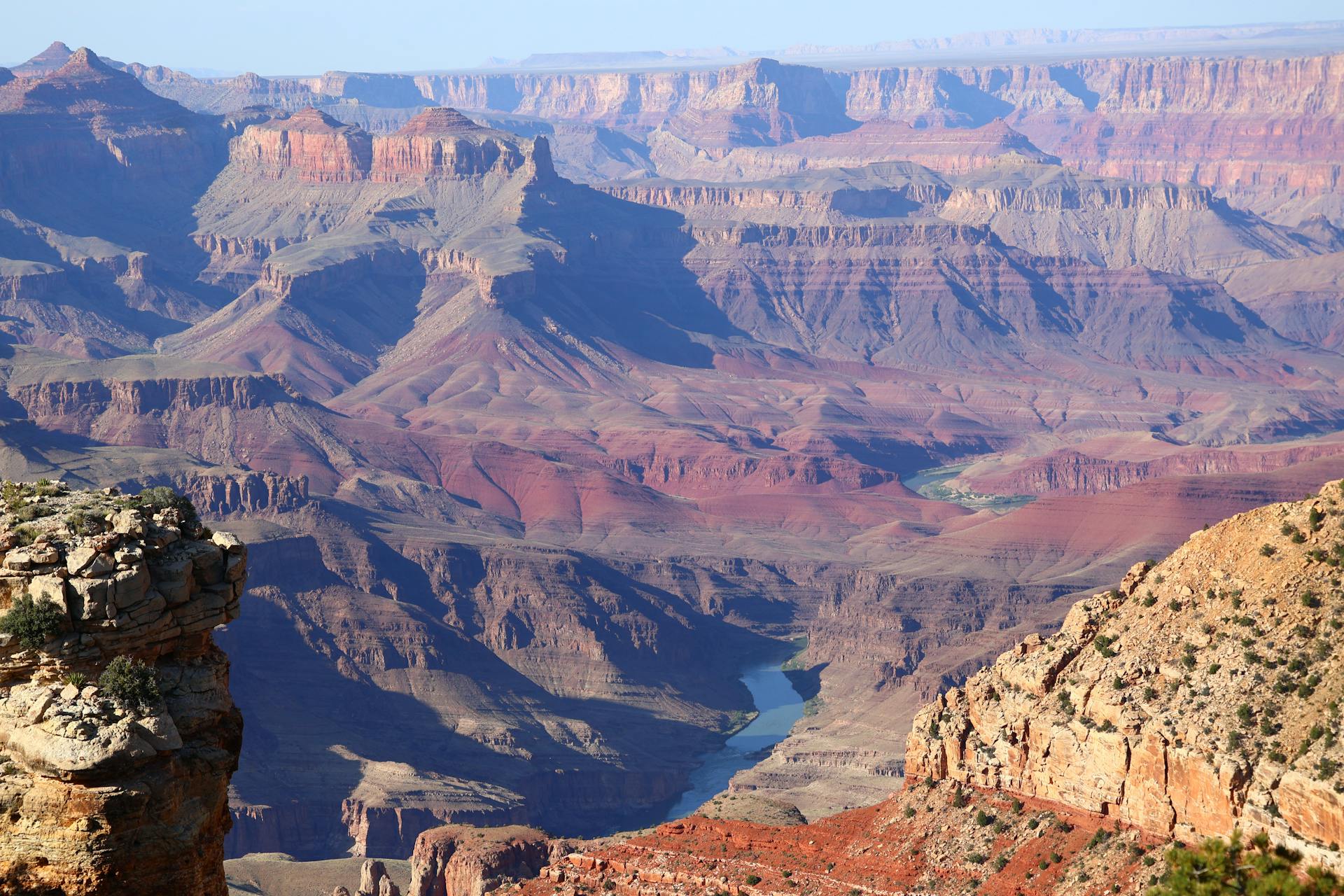
Quick Answer
- 🏜️ Best for: Families with kids age 5 and up who like being outdoors (toddlers work too with a stroller on the Rim Trail)
- 💰 Daily budget: $200-$450 for a family of 4, depending on where you stay
- 📅 Ideal length: 2 full days minimum, 3 if you want breathing room
- 🌤️ Best time: April-May or September-October for mild weather and fewer crowds
- ⭐ Top activity: Rim Trail walk from Mather Point to Grand Canyon Village (paved, stroller-friendly)
- 🎖️ Don't miss: Junior Ranger Program — free activity booklets at visitor centers
- ⚠️ Skip if: Your family doesn't handle heat well and you can only visit in July
What Families Actually Need to Know First
The Grand Canyon doesn't need a sales pitch. Your kids have probably seen it in textbooks already. But visiting the South Rim with a family requires more planning than just showing up and staring into the abyss — and the details matter more than you'd think.
The South Rim sits at roughly 7,000 feet above sea level, which catches first-timers off guard. That elevation means thinner air, cooler temps than the Arizona desert below, and the very real possibility of snow in winter. It also means the inner canyon — where all the famous hiking trails drop into — can be 20-30 degrees hotter than where you're standing on the rim. So if it's 80°F up top on a summer day, the canyon floor might be pushing 110°F.
Here's the good news: the South Rim is open 24 hours a day, 365 days a year. There's a free shuttle bus system running through Grand Canyon Village that eliminates the parking headache (and trust us, the parking situation during peak months is really stressful). The NPS mobile app works offline, which matters because cell service is spotty throughout the park.
What It Actually Costs
Grand Canyon entrance fees are straightforward. A private vehicle pass runs $35 and covers your entire car (driver plus passengers) for 7 consecutive days. That's one of the better deals in the national park system, honestly. Individual entry on foot or bicycle costs $20 per person age 16 and up. Kids under 16 are always free.
One important change for 2026: entrance stations no longer accept cash. Bring a credit or debit card, or buy your pass online ahead of time through the NPS website.
If you're planning to visit two or more national parks this year, the America the Beautiful annual pass at $80 pays for itself fast. It covers every national park and federal recreation area in the country for a full year.
Where to Sleep (and What It Costs)
| Option | Distance | Summer Rate | Best For |
|---|---|---|---|
| Tusayan hotels | 1 mile from entrance | $150-$280/night | Convenience, short drives |
| Williams hotels | 60 miles south | $100-$200/night | Budget families, Route 66 charm |
| Flagstaff hotels | 80 miles south | $90-$180/night | Most dining/shopping options |
| Mather Campground | In the park | $18/night | Best location, books fast |
Mather Campground is the standout value — $18 a night puts you inside the park within walking distance of the Rim Trail. But it books up months in advance for summer dates. If camping's your thing, set a reminder to grab a reservation the moment they open.
Tusayan family hotels on Expedia — the closest beds to the South Entrance, where summer rates typically run $150-$280 a night, so dates fill fastest here.
Williams deserves a closer look for families on a budget. Yes, the 60-mile drive adds time. But the town itself has Route 66 character, decent restaurants, and hotel rates that won't make you wince. Plus, kids tend to enjoy the Grand Canyon Railway that runs from Williams to the South Rim — it's a two-hour scenic train ride that turns the commute into part of the trip.
Browse Williams family hotels on Expedia — Route 66 motels and chains roughly $100-$200 a night, a real saving over Tusayan if you don't mind the 60-mile drive.
Grand Canyon Railway tickets on Viator — the two-hour vintage train from Williams to the South Rim depot, which kids tend to rate higher than the drive itself.
Kid-Friendly Trails and Activities
Let's get the big question out of the way: can your kids hike at the Grand Canyon? Yes — but with limits that matter.
The Rim Trail (All Ages)
This is the family workhorse trail. The section between Mather Point and Grand Canyon Village runs along the canyon edge on a paved, mostly flat path. Strollers roll fine here. The views are spectacular the entire way, and you can hop on and off the free shuttle bus at multiple points when little legs get tired.
It's a 2.5-mile stretch one way, but there's no reason to commit to the whole thing. Walk until the kids are done, then catch the shuttle back. Simple.
Bright Angel Trail (Ages 8+)
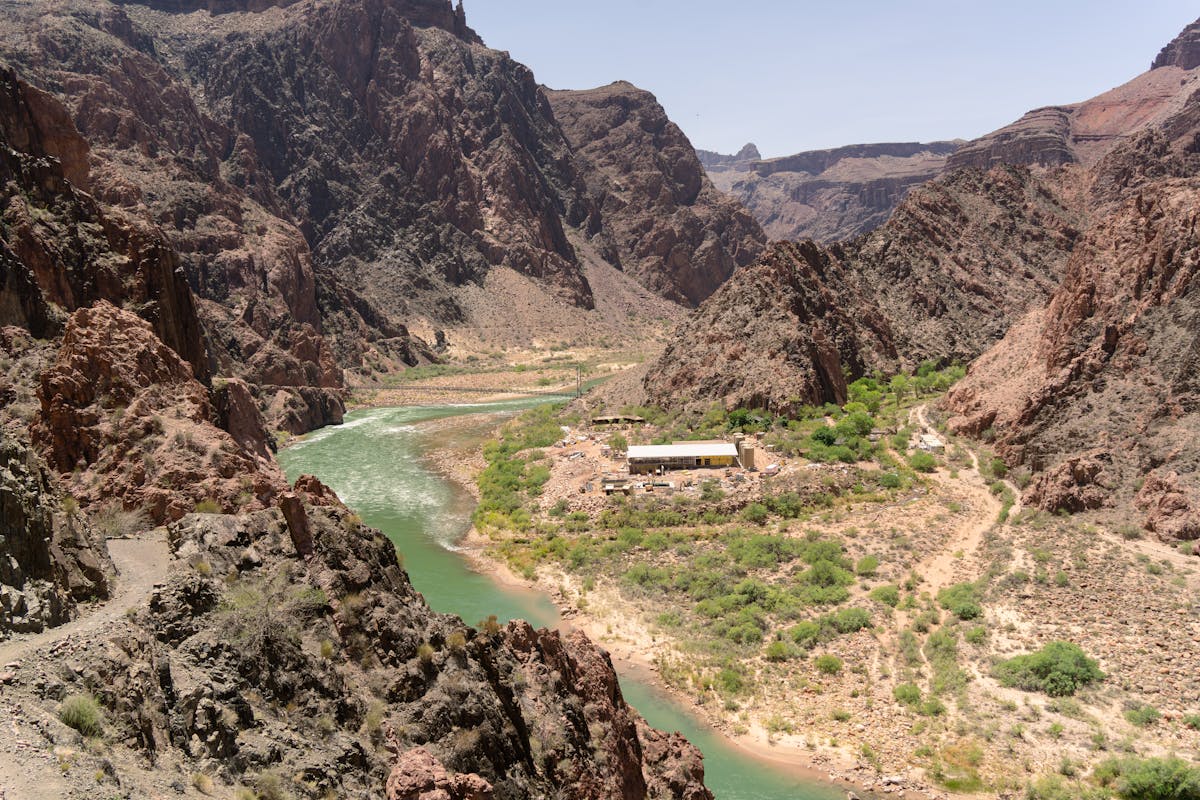
Bright Angel is the most popular below-rim trail, and families can tackle short portions of it safely. The first tunnel sits just 0.1 miles from the trailhead — about a 20-minute round trip that gives everyone a taste of dropping below the rim. That's enough for most kids under 8.
For older, active kids, the second tunnel at 0.9 miles (1.8 miles round trip, 590 feet of elevation change) makes a solid goal. But here's what catches families off guard: the hike back up takes roughly twice as long as the hike down. That switchback climb out is hard work, even for fit adults.
Safety Note
Bright Angel Trail has steep, exposed drop-offs that would be fatal. This isn't a trail for kids who wander, run ahead, or get distracted easily. Keep everyone within arm's reach on the narrow sections. And start early — before 9 AM — to avoid the worst heat.
Junior Ranger Program (Ages 4-14)
Free. Engaging. And it keeps kids focused while you actually get to enjoy the views. Pick up the Junior Ranger Activity Booklet at any visitor center, complete the age-appropriate activities throughout your visit, and bring the finished booklet to a ranger to earn a badge. Parents on travel forums consistently call this out as a highlight — kids who might otherwise complain about "just looking at rocks" suddenly start paying attention to geology, wildlife, and history.
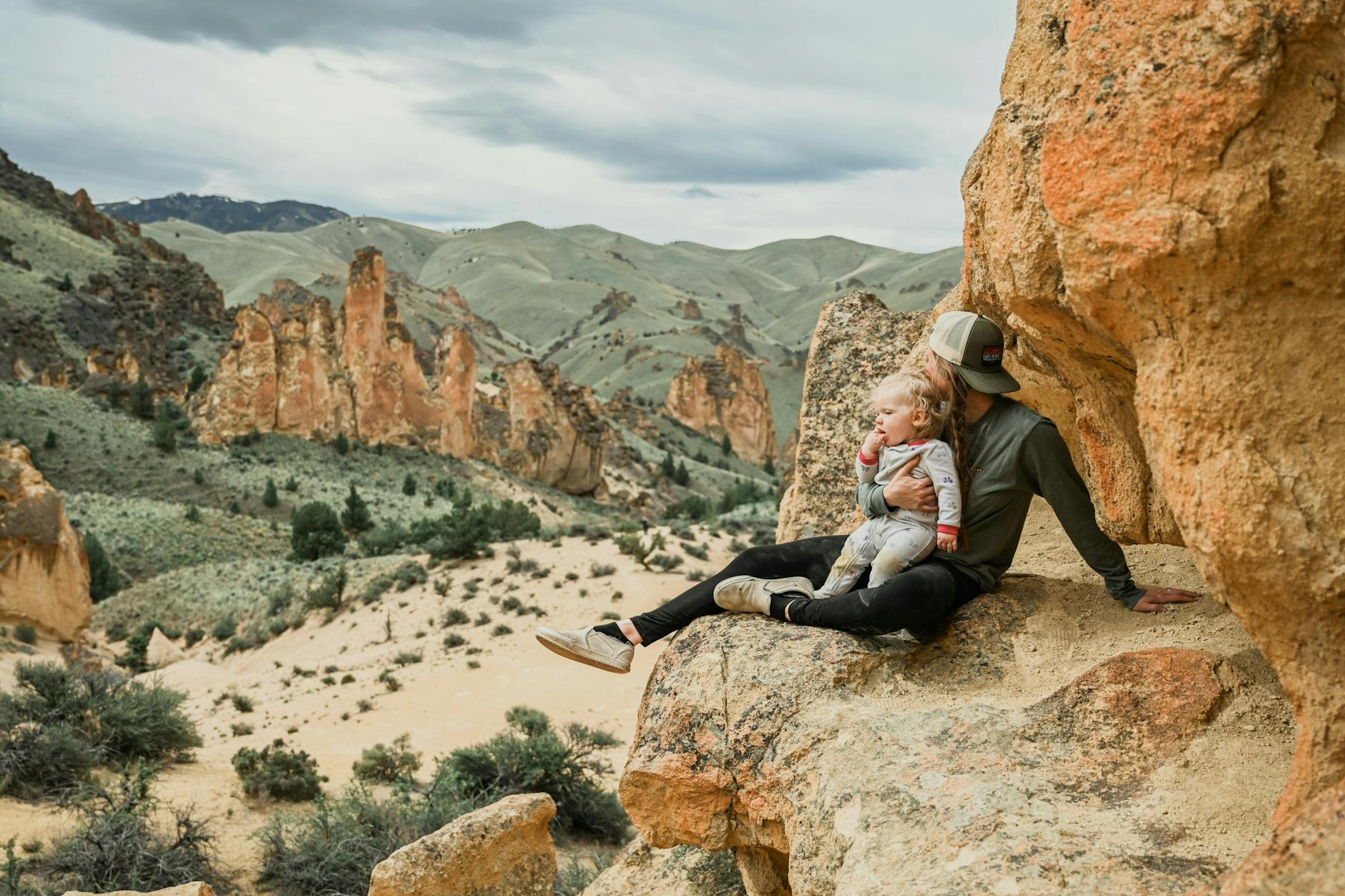
A Two-Day South Rim Itinerary That Works
Day 1: Rim Trail and Grand Canyon Village
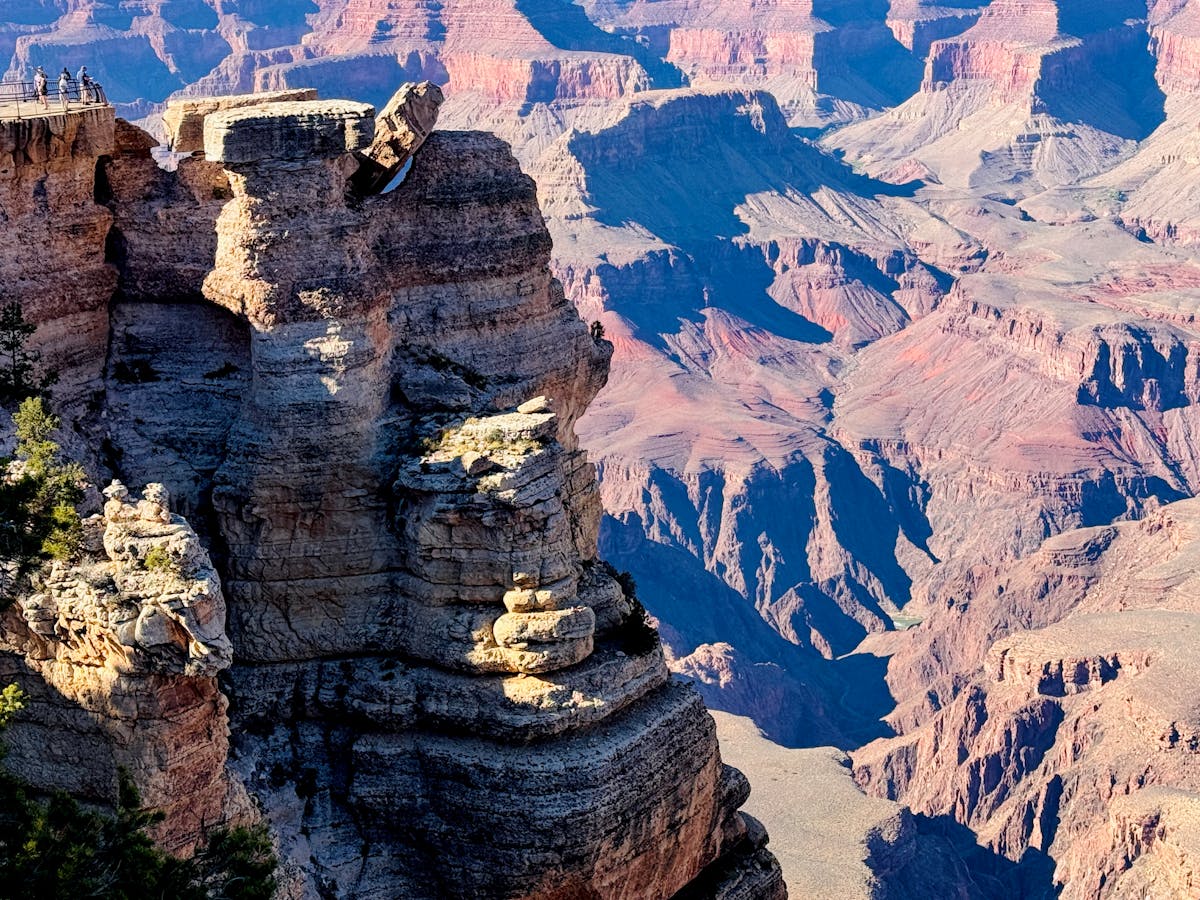
Start at Mather Point. It's the closest major viewpoint to the main parking area and visitor center, and the canyon views hit you immediately. Don't rush this — let the kids absorb the scale before moving on.
From Mather Point, walk the Rim Trail west toward Grand Canyon Village. You'll pass Yavapai Observation Station (great geology exhibits inside), then continue to Verkamp's Visitor Center and Hopi House. The entire stretch is paved and shuttle-accessible, so you can bail whenever the family's energy runs out.
Afternoon: grab a picnic lunch rather than fighting the long waits at in-park restaurants. Several parents on TripAdvisor recommend buying sandwiches the day before in Tusayan or Williams and eating at a rim viewpoint. Way cheaper and faster.
Finish the day with the sunset from Hopi Point or Mohave Point along Hermit Road (shuttle-only in summer). The light show on the canyon walls is worth the effort of keeping tired kids up a bit longer.
Day 2: Below the Rim and Desert View Drive
Morning: Bright Angel Trail, starting before 9 AM. Pick your turnaround point based on your kids' ages and fitness — first tunnel for young ones, second tunnel for older kids. Pack water and snacks. Don't skip sunscreen just because it feels cool in the morning shade.
After the hike, drive (or shuttle) east along Desert View Drive. The 25-mile route hits several overlooks, each with a slightly different perspective on the canyon. The finale is Desert View Watchtower, a 70-foot stone building designed by architect Mary Colter in 1932. Kids find the spiral staircase and painted interior more interesting than most canyon overlooks.
When to Go (and When to Skip)
Timing matters more here than at most destinations. The South Rim's weather swings are dramatic, and the crowd levels can make or break a family trip.
April and May are the sweet spot. Temperatures at the rim hover in the 50s-70s°F — comfortable for hiking without the summer heat. Crowds exist but stay manageable outside of spring break weeks. The canyon wildflowers start blooming in late April, which adds a layer of color that most people don't expect.
September and October come in as a close second. Temperatures cool down from summer, crowds thin after Labor Day, and the weather is stable. Many experienced canyon visitors consider September the single best month to visit.
July is the toughest month. South Rim highs push into the mid-80s, inner canyon temps soar past 100°F, parking lots fill by mid-morning, and afternoon monsoon thunderstorms roll through regularly. If you can only visit in summer, June and August are slightly better than July, but set expectations accordingly.
Winter visits work if your family handles cold. Expect highs in the 40s, possible snow (the rim averages 50-100 inches annually), and icy trail conditions. But the crowds disappear almost entirely, and a snow-dusted canyon is magical. Just pack proper layers and check trail conditions before hiking.
Practical Logistics That Trip Families Up
Getting There
Most families fly into Phoenix Sky Harbor (roughly 3.5-hour drive) or Flagstaff Pulliam Airport (80-mile drive). Phoenix gives you more flight options and lower fares. Flagstaff cuts driving time dramatically but offers limited flights and higher prices. There's no wrong answer — it depends on what your family values more.
The drive from Phoenix through Sedona and Oak Creek Canyon is scenic enough to count as an activity, especially if you stop in Sedona for an hour. Just don't do the entire drive after a red-eye flight with exhausted kids.
Food Inside the Park
Options exist but they're limited and overpriced. El Tovar Dining Room is the sit-down option (reservations required, prices reflect the captive audience), and the Bright Angel Lodge cafeteria handles quick meals. The Canyon Village Market sells groceries and premade food at marked-up prices.
What actually works for most families: stock up on groceries, sandwich supplies, and snacks in Tusayan, Williams, or Flagstaff before entering the park. A cooler in the car saves you $50-100 per day easily — and you'll eat faster, which matters with hungry kids.
The Altitude Factor
At 7,000 feet, some family members (especially kids from sea-level cities) might feel winded faster than usual. Headaches and fatigue are common for the first 12-24 hours. Drink more water than you think you need, take breaks during hikes, and don't plan anything too strenuous on arrival day. This isn't Everest, but it's real enough to notice.
Age-by-Age Breakdown
Not every age group gets the same experience at the Grand Canyon. Here's what to realistically expect.
Toddlers (1-3): They won't remember the trip, but you can still have a good time. Stick to the paved Rim Trail with a stroller, ride the shuttle buses (kids love buses at this age), and keep it to short outings. Bring a carrier for any unpaved sections. The biggest challenge isn't the canyon itself — it's keeping a curious toddler away from the edge at unfenced overlooks.
Preschoolers (4-5): Old enough to start the Junior Ranger booklet, which gives the visit purpose. They can walk portions of the Rim Trail but will tire faster at altitude. The shuttle buses remain your friend. Desert View Watchtower's spiral staircase is a hit with this age group.
School age (6-12): This is the Grand Canyon's sweet spot for families. Old enough to appreciate the geology (especially with the Junior Ranger program), handle a short Bright Angel Trail hike, and actually remember the trip for years. The ranger programs are designed for this age range and they land well.
Teens (13+): They'll pretend to be bored for the first 20 minutes, then quietly become mesmerized. Teens can handle the second tunnel on Bright Angel Trail and may even push for the 3-mile resthouse (6 miles round trip — only for fit teens with hiking experience). Give them a camera. Seriously. Canyon photography keeps teenagers engaged longer than almost anything else here.
Frequently Asked Questions
Data Sources and Methodology
This guide uses verified data from official sources:
- National Park Service — Grand Canyon Plan Your Visit — park hours, shuttle schedules, and visitor information
- NPS Grand Canyon Fees & Passes — current entrance fees, annual pass pricing
- NPS Grand Canyon Weather and Climate — seasonal temperatures, snowfall data, monsoon information
- NPS Bright Angel Trail — trail distances, elevation changes, and difficulty information
- Parent discussions across TripAdvisor forums and travel communities — practical tips and recent visitor experiences
Last verified: February 2026