Grand Canyon 3-Day Family Itinerary (2026)
South Rim day-by-day plan with shuttle schedules, kid-friendly trails, and real timing
Quick Answer
- A 3-day Grand Canyon South Rim itinerary in 2026 costs families roughly $150-$300 per day (excluding lodging), with a $35 vehicle entrance fee covering all passengers for 7 days.
- 💡 Where most Grand Canyon itineraries go sideways: It isn't fitting in the viewpoints. It's underestimating the way back up, where the 1,100-foot drop to Bright Angel's Mile-and-a-Half Resthouse turns into a hot uphill climb in air that runs 10-20 degrees warmer than the rim. The day-by-day plan below paces the hikes and shuttle hops so the kids never melt down.
- 📅 Day 1: Desert View Drive and eastern viewpoints
- 🥾 Day 2: Bright Angel Trail hike and Hermit Road sunset
- ⭐ Day 3: South Kaibab to Ooh Aah Point or Rim Trail walk
- 🚌 Shuttle system: Three free routes operate March through November — no car needed inside the park
- 💡 Hopi Point gets crowded 90 minutes before sunset — the real trick is catching it from Mohave Point instead (see Day 2)
- 🧮 Use our budget calculator to estimate your family's full trip cost
Before You Go: Fees, Passes, and Logistics
Grand Canyon National Park charges $35 per private vehicle in 2026, and that single fee covers every person in the car for seven full days. Motorcycles pay $30, while pedestrians and cyclists age 16 and older pay $20 each. Kids under 16 get in free.
One important change: the park no longer accepts cash at entrance stations. Bring a credit or debit card, or buy your pass online ahead of time. For families planning to visit other national parks the same year, the $80 America the Beautiful annual pass pays for itself after just three park visits.
Lodging on the South Rim fills fast. Bright Angel Lodge and El Tovar sit right on the rim, but they book 6-12 months ahead for peak season. Maswik Lodge and Yavapai Lodge offer more availability at lower prices. The gateway town of Tusayan (7 miles south) has chain hotels starting around $150-$250 per night in spring and fall.
Getting Around: The Free Shuttle System
Three shuttle routes run from March 1 through May 22, 2026, and families don't need a car once parked inside the park. The Village (Blue) Route connects lodges, campgrounds, and the Visitor Center every 9-15 minutes from 7:00 AM to 9:00 PM. The Kaibab Rim (Orange) Route hits Mather Point, Yavapai Geology Museum, and the South Kaibab Trailhead starting at 6:00 AM.
The most scenic route? That's the Hermits Rest (Red) Route, which runs an 80-minute loop along 7 miles of canyon rim with stops at nine viewpoints. It operates 8:00 AM until one hour after sunset. Hermit Road closes to private vehicles March through November, so the shuttle is the only way to reach these overlooks.
Stroller Policy
Collapse standard strollers before boarding any shuttle. Oversized and jogging strollers aren't allowed on the buses. The Rim Trail between Mather Point and Yavapai Point is paved and stroller-friendly for walking instead.
Families with young kids should know about the best kid-friendly hikes at Grand Canyon before choosing which trails to tackle during this itinerary.
Day 1: Desert View Drive and Eastern Exploration
Morning: Arrival and First Views (8:00 AM - 12:00 PM)
Enter through the South Entrance and park at the Grand Canyon Visitor Center lot (arrive before 9:00 AM for a spot — it fills by mid-morning in spring). Head straight to Mather Point, a 5-minute walk from the parking area. This first canyon view hits hard. Even kids who've been scrolling phones the whole drive tend to go quiet.
Spend 20-30 minutes at Mather Point, then duck into the Visitor Center. Pick up a Junior Ranger activity book here — the program works for ages 4-13 and keeps kids engaged throughout the trip. They'll earn a ranger badge on Day 3 if they complete the activities.
Afternoon: Desert View Drive (12:00 PM - 5:00 PM)
Drive the 23-mile Desert View Drive east, stopping at viewpoints along the way. This road is open to private vehicles year-round, so you'll set your own pace. The best stops with kids:
- Grandview Point — One of the highest overlooks on the South Rim at 7,400 feet. Wide-angle views of Horseshoe Mesa and the inner canyon. Good picnic spot.
- Moran Point — Named after landscape painter Thomas Moran. Red and orange rock layers are especially vivid here in afternoon light.
- Lipan Point — Wide panoramic view where the Colorado River is visible as a silver thread far below. Kids can spot it with binoculars.
- Desert View Watchtower — The drive's crown jewel. Mary Colter's 70-foot stone tower (built in 1932) has a spiral staircase inside with murals and canyon views from the top. There's a bookstore, restrooms, and a small snack bar nearby.
Budget about 3 hours for the full drive with stops. Don't try to hit every pullout — four or five viewpoints keeps the day manageable for families with younger children.
Evening: Sunset at Mather or Yavapai Point
For the first evening, watch sunset from Mather Point or Yavapai Point. Both are walkable from the Village area without needing a shuttle. Yavapai Geology Museum (open until sunset) has indoor displays explaining the canyon's 2-billion-year geological history — a good backup if little ones get cold waiting for the light show.
Day 2: Below-Rim Hiking and Hermit Road
Early Morning: Bright Angel Trail (7:00 AM - 11:30 AM)
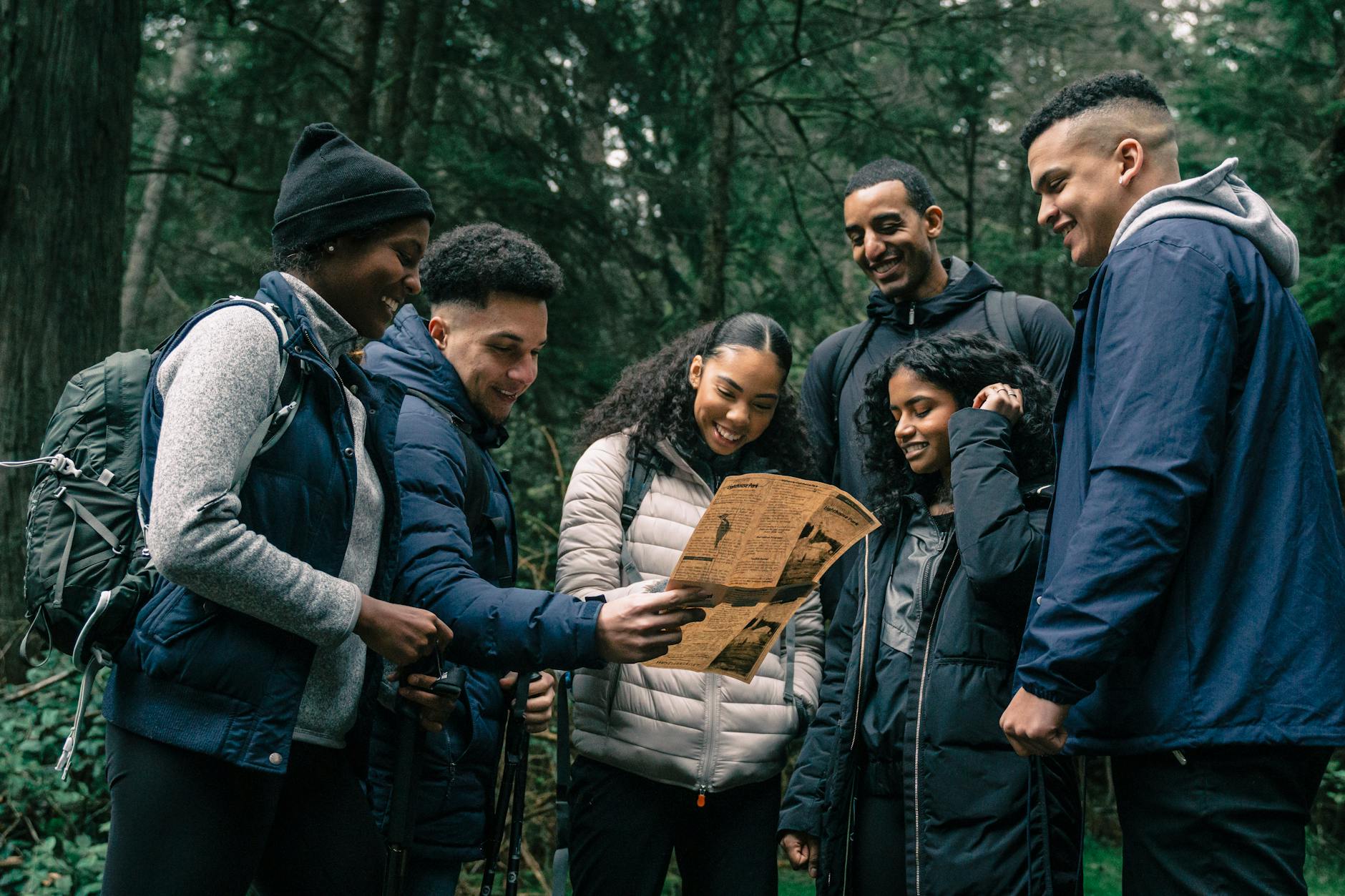
Start early. The Bright Angel Trailhead sits right next to Bright Angel Lodge in the Village area — no shuttle needed. Hit the trail by 7:00 AM before the sun heats up the canyon walls.
The destination for families: Mile-and-a-Half Resthouse. It's 1.5 miles down (3 miles round trip) with about 1,100 feet of elevation change. The trail is wide, well-maintained, and has water and restrooms at the turnaround point. Expect the round trip to take 2.5-4 hours depending on your kids' pace and how many photo stops you make.
Is this trail right for your family? Kids ages 6 and up generally handle it well. The switchbacks are steep but not technical. For families with toddlers or kids under 5, the first two switchbacks (about 0.5 miles down) give a taste of below-rim hiking without committing to the full distance.
Safety Note
Going down is the easy part — every step down is a step you'll climb back up. Carry at least 1 liter of water per person, wear sunscreen, and pack salty snacks. The canyon is significantly hotter below the rim, sometimes 10-20 degrees warmer than the top.
Midday: Rest and Refuel (11:30 AM - 2:00 PM)
After the hike, take a real break. Eat lunch at one of the rim lodges — Arizona Room at Bright Angel Lodge has solid meals with canyon views. Or grab sandwiches from Canyon Village Market Deli near Market Plaza if you want something quicker and cheaper.
This rest block matters more than families think. Kids who hike all morning and then get dragged to viewpoints all afternoon will melt down. Give everyone 2+ hours to eat, rest, and reset before the afternoon shuttle tour.
Afternoon and Evening: Hermit Road Shuttle (2:00 PM - Sunset)
Board the Hermits Rest (Red) Route at the Village Route Transfer stop. This loop passes nine overlooks along a 7-mile road closed to private cars. The must-stop viewpoints:
- Powell Point — Memorial to John Wesley Powell with good shade trees nearby
- Hopi Point — The most popular sunset spot on the rim with 270-degree views. It gets crowded.
- Mohave Point — Just one stop past Hopi with nearly identical views and far fewer people. This is the insider pick for sunset.
- Hermits Rest — The end of the line. Mary Colter's stone rest house has snacks and restrooms. Worth a quick look before riding back.
Don't try to stop at all nine overlooks. Pick three or four. The shuttle runs every 8-15 minutes, so hopping on and off is painless. For sunset, park yourself at Mohave Point by 45 minutes before sundown. You'll have space to spread out while the crowd packs Hopi Point one stop back.
The broader Grand Canyon South Rim family guide covers dining options and evening ranger programs worth checking out after sunset.
Day 3: South Kaibab Trail or Leisurely Morning
Day 3 offers two paths depending on your family's energy level. Both work well — pick the one that matches how everyone's feeling after two full days.
Option A: South Kaibab to Ooh Aah Point (Active Families)
Take the Kaibab Rim (Orange) Route shuttle to South Kaibab Trailhead. The hike to Ooh Aah Point is just 1.8 miles round trip with about 600 feet of elevation change — shorter and steeper than Bright Angel but with jaw-dropping exposed ridgeline views.
Why is it called Ooh Aah Point? Walk the trail once and the name explains itself. The exposed sandstone ledge overlooks the inner canyon without guardrails, so keep a firm hand on small children. This trail has no water or shade, making an early start (before 8:00 AM) essential.
Option B: Rim Trail and Junior Ranger Badge (Relaxed Families)
The Rim Trail stretches 13 miles along the canyon edge, but the 1.2-mile paved section between Mather Point and Yavapai Point is the sweet spot for families who want a mellow final morning. It's flat, stroller-friendly, and passes overlooks every few hundred feet.
Walk the Trail of Time along this stretch. Bronze medallions embedded in the path count down geological eras, with actual rock samples displayed at toddler height. Kids who've been collecting Junior Ranger answers all trip can finish their booklets and present them at the Visitor Center for a badge ceremony — a meaningful keepsake.
Late Morning: Final Views and Departure
Before leaving, stop at the General Store near Market Plaza for souvenirs. The NPS bookstore at the Visitor Center has better quality gifts than the tourist shops in Tusayan. Plan to exit the park by noon to avoid incoming traffic at the South Entrance.
Budget Breakdown for 3 Days
Here's what a family of four should realistically budget for three days on the South Rim (lodging varies widely by season and location):
- Park entrance: $35 (one vehicle, 7-day pass)
- Lodging: $150-$450 per night depending on rim lodge vs. Tusayan hotel
- Meals: $80-$150 per day for a family of 4 (mix of dining and packed lunches)
- Gas: $20-$30 for Desert View Drive and Tusayan commute
- Souvenirs and extras: $30-$75
Total for 3 days (excluding travel to/from the park): roughly $600-$1,800 depending on lodging choice and dining habits. Spring and fall offer the best balance of mild weather and moderate prices. Summer rates jump 30-50% at rim lodges.
Families comparing national park trips might find our Yellowstone vs Grand Canyon comparison useful for weighing costs side by side.
Best Time to Visit with Kids
Spring (March through May) and fall (September through October) are the prime windows for families. South Rim temperatures sit between 50-70°F during the day — warm enough for hiking, cool enough to avoid heat exhaustion in the canyon.
Summer (June through August) brings 80-90°F temps on the rim and triple digits below the rim. Inner canyon hikes become dangerous, and the park service posts heat warnings regularly. If summer is your only option, stick to rim-level walks, start before 7:00 AM, and carry double the water you think you'll need.
Winter has its own appeal: smaller crowds, possible snow on the rim (stunning photos), and lower hotel rates. But some facilities close, road conditions can be unpredictable, and shorter daylight hours limit how much ground you'll cover.
What to Pack for Grand Canyon with Kids
The canyon's extreme elevation changes create wildly different conditions within the same day. Pack for layers, not for one temperature.
- 🥾 Sturdy hiking shoes with ankle support (not sandals or fashion sneakers)
- 💧 Refillable water bottles — at least 1 liter per person for any below-rim hike
- 🧴 Sunscreen SPF 50+ and wide-brim hats (the rim sits at 7,000 feet with intense UV)
- 🧥 Warm layers for early morning and evening — temperatures can drop 30°F after sunset
- 🍎 Trail snacks heavy on salt and protein (the park service recommends salty foods to prevent hyponatremia)
- 🔦 Small flashlight or headlamp if watching sunset from remote viewpoints
- 📱 Portable phone charger — cell service is spotty throughout the park
Final Verdict
Three days at Grand Canyon South Rim gives families enough time to hike below the rim, watch sunset from Mohave Point, drive the full Desert View road, and still have breathing room between activities. It's the minimum for a trip that doesn't feel rushed. Two days works if you skip one of the two canyon hikes, but you'll feel the squeeze. Four days adds luxury — an extra morning to sleep in or a second below-rim trail — without stretching the budget much.
The South Rim's free shuttle system, paved Rim Trail, and Junior Ranger program make it one of the most accessible national parks for families with kids of any age. Start your mornings early, rest in the middle of the day, and save the scenic shuttle rides for afternoon light. That rhythm works whether your youngest is 3 or 13.
Frequently Asked Questions
Most families need 3 days at the Grand Canyon South Rim to see it well with kids, enough time for the two main below-rim hikes (Bright Angel and South Kaibab), the Desert View Drive, and the Junior Ranger program without rushing. Two days works if you cut one hike, and four days adds room for a slow morning or an extra trail. The 3-day plan runs about $150-$300 per day for a family, not counting lodging.
Three days is enough to cover the Grand Canyon South Rim with kids without feeling rushed. The plan splits cleanly into the eastern Desert View Drive and viewpoints on day one, the Bright Angel Trail to the Mile-and-a-Half Resthouse on day two, and South Kaibab to Ooh Aah Point or a flat Rim Trail walk on day three. Families wanting a slower pace or a second below-rim hike can stretch it to four days, but three days hits all the major sights.
The South Rim is the best part of the Grand Canyon for kids, with paved overlooks, three free shuttle routes, and the Junior Ranger program for ages 4-13. Mather Point sits a 5-minute walk from the main parking area and delivers the first big canyon view, and the paved Rim Trail between Mather Point and Yavapai Point works for strollers. For an easy first hike, Bright Angel Trail suits kids 6 and up, while younger children can manage the first two switchbacks (about 0.5 miles down).
The Grand Canyon is worth visiting with kids, and a 3-day South Rim trip costs roughly $150-$300 per day for a family before lodging. The $35 vehicle fee covers everyone in the car for 7 days, kids under 16 enter free, and the Junior Ranger program (ages 4-13) gives kids a badge to work toward across the trip. Most families find the first view from Mather Point lands hard enough that even phone-glued kids go quiet. Use the budget calculator to estimate the full cost for your family size.
The best family hike at the Grand Canyon is Bright Angel Trail to the Mile-and-a-Half Resthouse, a 3-mile round trip (1.5 miles down) with about 1,100 feet of elevation change and water and restrooms at the turnaround. Plan on 2.5-4 hours round trip depending on your kids' pace. Kids 6 and up generally handle it well; for younger children, the first two switchbacks (about 0.5 miles down) give a taste without the full climb. Carry at least 1 liter of water per person, since the canyon runs 10-20 degrees hotter below the rim.
Grand Canyon entrance costs $35 per private vehicle in 2026, and that single fee covers every passenger for 7 days. Motorcycles pay $30, while pedestrians and cyclists age 16 and older pay $20 each, and kids under 16 enter free. The park no longer takes cash at entrance stations, so bring a card or buy the pass online ahead of time. The $80 America the Beautiful annual pass pays for itself after three park visits. Non-U.S. residents now pay an extra $100 per person (age 16 and up) on top of the vehicle fee unless they hold an annual pass.
All Grand Canyon South Rim shuttle buses are free with park entrance, and no tickets or reservations are needed. Three routes run in spring 2026: the Village (Blue) Route every 9-15 minutes from 7:00 AM to 9:00 PM, the Kaibab Rim (Orange) Route to the trailheads starting at 6:00 AM, and the Hermits Rest (Red) Route, an 80-minute loop along 7 miles of rim with nine viewpoints. Because Hermit Road closes to private cars March through November, the Red Route is the only way to reach those overlooks, so families don't need a car once parked inside the park.
The most popular sunset spot on the Grand Canyon South Rim is Hopi Point, with 270-degree views, but it gets crowded well before sundown. Mohave Point, one shuttle stop past Hopi on the Hermits Rest (Red) Route, has nearly identical views with far fewer people, which makes it the better pick for families. Arrive about 45 minutes before sunset to claim space at either spot. On the first evening, Mather Point and Yavapai Point both work for sunset and are walkable from the Village without a shuttle.
Standard strollers are allowed on Grand Canyon shuttle buses but must be collapsed before boarding, and oversized or jogging strollers are not permitted. For walking instead, the paved Rim Trail between Mather Point and Yavapai Point is stroller-friendly, so many families with toddlers walk that stretch rather than fold and unfold a stroller at each shuttle stop.
Data Sources and Methodology
This guide uses verified data from official sources:
- National Park Service — Grand Canyon Fees & Passes — entrance fees and pass pricing
- National Park Service — Shuttle Bus Routes — shuttle schedules, routes, and policies
- National Park Service — Hikers' Express Shuttle — early morning trailhead service
Last verified: March 2026