Yellowstone with Toddlers: Best Stops and Safety (2026)
The under-5 lane: stroller boardwalks, geyser-basin safety, and nap-paced days
Quick Answer
- Yellowstone works surprisingly well with toddlers in 2026: paved boardwalks reach every major geyser, including Old Faithful, so a two-year-old can watch it erupt 130 feet up with no hiking. Entrance is $35 per vehicle, children under 16 enter free, and the real challenge is thermal safety, not walking.
- 💡 What catches most parents off guard: families rule out a national park with a toddler, picturing the Grand Canyon's cliffs or Yosemite's climbs. Yellowstone is the opposite. See why below.
- 🏞️ Best toddler stops: Old Faithful and the Upper Geyser Basin, Grand Prismatic at Midway, the lower Mammoth terraces, and West Thumb
- 📅 Ideal length: 3-5 days, capped at 2 attractions per day with littles
- 🌤️ Best months: June and September, fewer crowds than July and August with all roads open
- ⚠️ Biggest risk: thermal pools reach 199°F, not wildlife. Constant hands-on supervision on every boardwalk
- 🏨 Lodging: $135-$458/night in-park, $100-$200/night in gateway towns like West Yellowstone
- 🧮 Use our budget calculator to estimate your family's total Yellowstone trip cost
Why Visiting Yellowstone with Toddlers Actually Works
Most parents cross a national park off the list the moment a toddler enters the picture, picturing the Grand Canyon's cliffs or Yosemite's switchbacks. Yellowstone breaks that assumption. A two-year-old can watch Old Faithful launch water 130 feet into the air from a flat, paved boardwalk with no trail to hike, and kids under 16 get in free. What follows is the under-5 lane only: which stops work, where the real danger hides, and how to pace a day around naps.
The reason a Yellowstone trip with toddlers holds together is boardwalks. Every headline geyser basin (Old Faithful, Grand Prismatic, Mammoth Hot Springs, West Thumb, Norris) has paved walkways that fit a standard stroller. Families don't hike a single trail to see the park's most famous features. That's a big deal when your travel companion still naps twice a day and treats a 50-yard walk like a marathon.
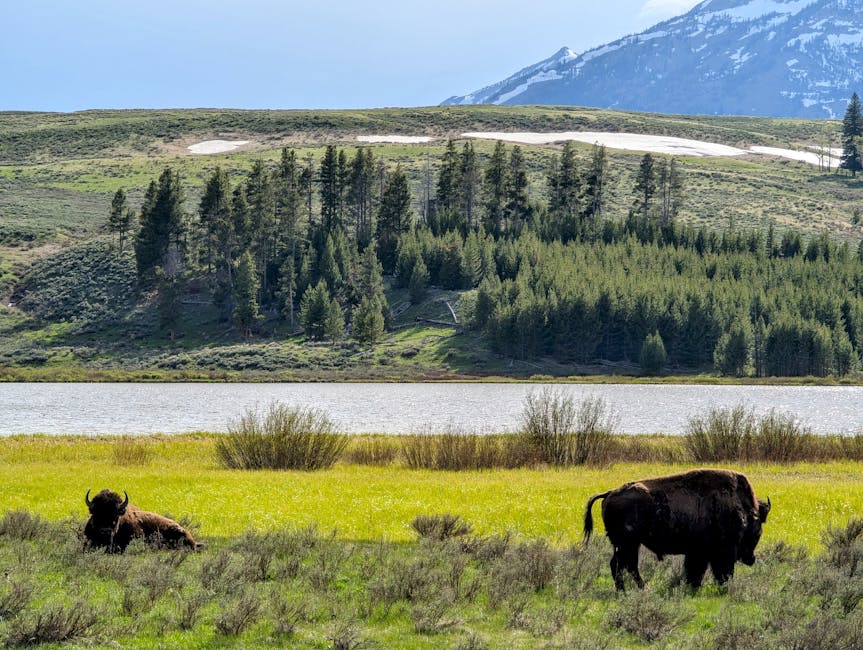
Then there's wildlife from the car. Lamar Valley and Hayden Valley put bison, elk, and sometimes bears right beside the road. Toddlers watch from the car seat while parents keep both hands on the wheel. It doesn't get lower-effort than that.
"Yellowstone is one of the best national parks to travel to with toddlers. There is so much to see within walking distance of the car."
: via CS Ginger Travel (family travel blog)
This guide stays strictly in the toddler lane. For the big-picture park overview, ages, and logistics, our ultimate Yellowstone family guide covers the whole family. Here, everything is calibrated for ages 1 to 3.
The Best Things to Do with Toddlers in Yellowstone (Ranked)
Not every attraction works with a toddler in tow. Some boardwalks have railings; others don't. Some loops take 15 minutes; others eat an hour. Here's what parents on travel forums keep recommending for the under-3 crowd, ranked by how well they suit little legs and short patience.
| Toddler stop | Boardwalk | Railings | Stroller? | Why toddlers like it |
|---|---|---|---|---|
| Old Faithful / Upper Geyser Basin | Up to 4 mi, turn back anytime | Yes | Yes | Old Faithful erupts about every 90 min; Anemone Geyser bursts every few minutes |
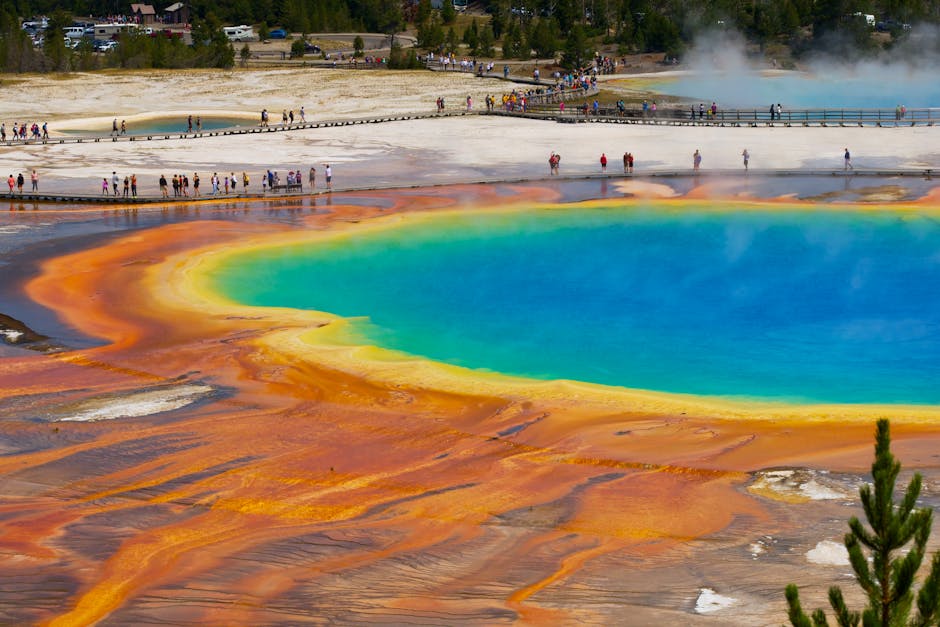
| Grand Prismatic (Midway) | 0.8 mi loop, flat | Yes | Yes | Steam and bright colors hold attention longer than most stops |
| Mammoth lower terraces | 1.75 mi, gentle | Yes | Yes | Flowing water, odd rock shapes, and elk on the lawn |
| West Thumb Geyser Basin | 1 mi lake-shore loop | Yes | Yes | Quiet, quick, and right on Yellowstone Lake |
| Fountain Paint Pots | 0.5 mi loop | Yes | Yes | Bubbling mud that toddlers find hilarious |
| Lamar or Hayden Valley | None (drive and pullouts) | n/a | Stay in car | Bison and elk beside the road, watched from the car seat |
Sources: NPS.gov Yellowstone (things to do, boardwalk lengths); parent trip reports on r/yellowstone, July 2026.
Old Faithful and the Upper Geyser Basin
This is the one stop every family makes, and it earns it. Old Faithful erupts roughly every 90 minutes, and toddlers lock onto the water shooting 130-plus feet up. Here's the toddler hack most guides skip: nearby Anemone Geyser erupts every few minutes and drains like a small flushing toilet, which fascinates little kids far more than the wait for the big show. The surrounding boardwalk is fully paved and stroller-friendly, and ice cream near the Old Faithful Lodge counts as a legitimate planning factor at this age.
Grand Prismatic Spring at Midway
Skip the steep Fairy Falls overlook trail with a toddler. Stick to the flat Midway Geyser Basin boardwalk right beside the spring, about 0.8 miles round trip. The steam and the blues, oranges, and greens create a sensory show that holds attention longer than most park stops. One catch: thick steam on cool mornings can hide the view, so aim for a sunny afternoon, and hold hands closely because the boardwalk sits close to the water.
Mammoth, West Thumb, and Fountain Paint Pots
The lower Mammoth terraces run a 1.75-mile boardwalk with good railings and formations that shift year to year; elk often graze the visitor-center lawn for free entertainment. West Thumb is a quiet 1-mile loop on the shore of Yellowstone Lake, great as a first or last stop from the south. Fountain Paint Pots is a short loop of bubbling mud pots, high toddler approval for minimal effort. Save the upper Mammoth terraces (stairs) for another trip.
Is Yellowstone Stroller Friendly? The Under-5 Reality
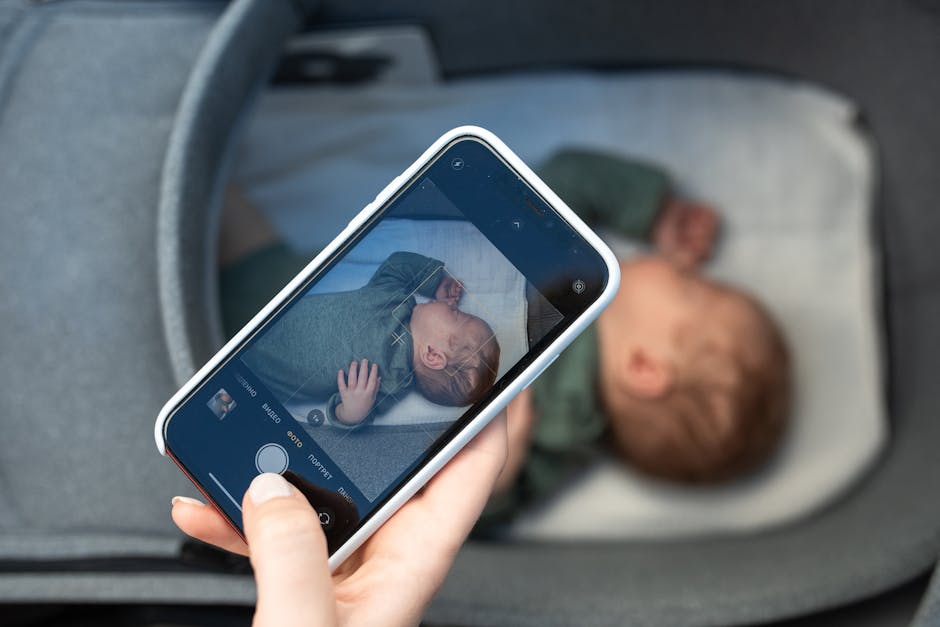
Short answer: yes at the major basins, with two exceptions. The paved boardwalks at Old Faithful, Grand Prismatic, West Thumb, and the lower Mammoth terraces all take a standard stroller. A lightweight umbrella stroller threads narrow boardwalk sections better than a full-size jogger. But two spots argue for a carrier instead: Norris Geyser Basin has fewer railings, and the upper Mammoth terraces involve stairs. For those, a backpack carrier like the Osprey Poco or Deuter Kid Comfort keeps a toddler contained and off the fragile ground.
The honest read from parent forums: bring both. Roll the stroller where it's flat and railed, and clip the toddler into the carrier everywhere else. A stroller doubles as a barrier that keeps a runner from bolting toward a spring, which is the whole game near thermal features.
Thermal Safety with Toddlers: The One Thing You Can't Relax About
This isn't meant to scare anyone off. But thermal safety with a toddler is serious, and it deserves a blunt paragraph.
Yellowstone's hot springs reach 199°F (93°C), and the ground around thermal features is often a thin crust over scalding water. More than 20 people have died from thermal burns in the park's history. In 2020, a 3-year-old ran from the boardwalk near Midway Geyser Basin, fell into a thermal feature, and was airlifted with second-degree burns. Many boardwalks near the hottest springs have no railing at all.
Safety Note
Never let a toddler walk free near thermal features. Use a backpack carrier, a child harness, or a firm hand-hold at all times on boardwalks. Parents on r/yellowstone repeatedly recommend a backpack-style toddler harness for the thermal areas, and it is the single most common piece of advice in those threads.
So is the vigilance worth it? Most parents say yes. But don't plan this trip expecting to zone out. Near every thermal feature, it's active supervision, every minute. That's the trade for boardwalk access to some of the strangest scenery a toddler will ever see.
A Nap-Friendly Yellowstone with Toddlers Itinerary
The biggest mistake families make at Yellowstone isn't picking the wrong attraction. It's trying to do too much in one day. Driving the full 142-mile Grand Loop looks efficient on paper. Add nap breaks, diaper changes, snack stops, and one parking-lot meltdown, and most families hit a wall by the third stop.
"Tackling the lower loop in a single day is unrealistic, especially if you factor in drive time, time to hike the trails, time for lunch, and driving back."
: via This Creative RV (family travel blog)
The 2-stop rule
Cap the day at 2 major attractions. One before the midday nap, one after. Fill the gaps with scenic drives, roadside wildlife watching, and lake or creek stops where a toddler can throw rocks and burn energy. That rhythm holds up across a 3-day or 4-day Yellowstone itinerary with kids.
Sample toddler schedule (3 to 4 days)
- Day 1 (arrive via West Entrance) : Midway Geyser Basin for Grand Prismatic in the afternoon, then an evening wildlife drive along the Madison River.
- Day 2 : Old Faithful in the morning, catch an eruption and walk part of the Upper Geyser Basin. Nap. Late-afternoon Fountain Paint Pots for the bubbling mud.
- Day 3 : West Thumb Geyser Basin, then lakeshore rock-throwing at Sand Point. Nap. Afternoon Hayden Valley drive for bison.
- Day 4 (optional) : Mammoth lower terraces in the morning (watch for elk), then a Lamar Valley evening drive. Cap it with dinner from our kid-friendly restaurants near Yellowstone roundup.
The Best Age to Take Toddlers to Yellowstone
People ask about the best age constantly, and the honest answer splits by stage. Under 18 months is easiest logistically because a baby rides in a carrier and sleeps anywhere, though they won't remember a minute of it. Doing Yellowstone with a 2 year old is the highest-supervision window; they can walk, which means they can run, so the harness earns its keep here. By 4, kids walk boardwalks steadily, qualify for the Junior Ranger program, and actually hold onto the memories.
If the goal is a trip everyone remembers, 4 and up is the sweet spot. If you're going now with a 1- to 3-year-old, that's fine too; just build the day around the carrier, the harness, and the 2-stop rule above. Either way, kids under 16 always enter free in 2026, so waiting a year or two costs nothing at the gate.
What Toddlers Add to the Cost (and Where to Save)
Good news first: toddlers barely move the budget at the gate. Park entry is $35 per vehicle for 7 days, and children under 16 enter free (NPS.gov, updated December 2025). Where a toddler does shape the math is lodging. In-park rooms run $135-$458 per night; gateway-town suites in West Yellowstone or Gardiner run $100-$200 per night and usually add a kitchen and a pool.
For families with littles, that gateway-town kitchen and pool often beat central location. The kitchen handles toddler meal prep (park restaurants have limited toddler options and long summer waits), and the pool burns off energy before bed. Many in-park lodges can hold a pack-and-play if you request one in advance. For the full budget picture across every category, see our Yellowstone cost breakdown, and compare rooms in the where to stay in Yellowstone guide.
Toddler Gear That Actually Matters
Yellowstone sits at 6,000 to 8,000 feet, and mornings can dip near freezing even in July while afternoons reach the 70s. Packing for a toddler here isn't a beach-trip list. These are the pieces that change the day:
- Backpack carrier and stroller : the carrier for Norris and stairs, the stroller for flat boardwalks.
- Toddler harness : sounds extreme until you're three feet from a 199°F spring with a kid who just learned to run.
- Layers : a fleece plus a light rain shell covers a 40-degree swing in a single day.
- Snacks, and then more snacks : park food is limited and slow in summer; pack pouches, crackers, and fruit.
- Portable potty seat : park restrooms are adult-sized, and the gaps between them are long.
That's the toddler-specific short list. For the full family packing rundown (bear spray, first-aid, car-drive kit, and more), our Yellowstone packing guide covers everyone.
West Yellowstone and Logistics with Littles
If you base in West Yellowstone with kids, one nearby stop earns its own line: the Grizzly and Wolf Discovery Center, just outside the park. Grizzlies, wolves, otters, and raptors sit in a controlled setting, and the keeper program lets kids hide food for the bears to find. It's a strong rainy-day or arrival-day activity that asks nothing of a nap schedule.
A few logistics most guides skip with toddlers in mind:
- Cell service : close to nonexistent inside the park, so download maps, the NPS app, and car entertainment before you leave the hotel.
- Bathrooms : every major basin has them, but the gaps run long (Mammoth to Old Faithful is 51 miles). Carry the portable potty.
- Entrance timing : the 8 to 10 a.m. window is the worst; entering after lunch or in the early evening cuts the wait, and gateway-town lodging makes that flexibility easy.
Weighing Yellowstone against another park for the toddler years? Our Yellowstone vs Grand Canyon comparison lays out which one suits little kids better, and the Yellowstone family quick reference puts fees, hours, and drive times on one page.
The Bottom Line
Yellowstone is one of the best national parks for families with toddlers in 2026, because boardwalk-accessible geysers and drive-through wildlife need no hiking, and a $35 vehicle pass covers the whole family with kids under 16 free. The thermal features demand constant, hands-on supervision; this isn't a vacation where a parent zones out. But watching a toddler's face when Old Faithful erupts, or hearing the shriek at a bison herd, pays back every minute of vigilance.
Stick to 2 stops a day. Bring a stroller and a carrier. Book a gateway-town room if you want a kitchen and a pool. And don't try to see it all; Yellowstone will still be here for the next trip, when that toddler is old enough for the Junior Ranger badge.
Frequently Asked Questions
Yellowstone gives toddlers safe, constant things to watch from boardwalks and the car, led by Old Faithful, which erupts about every 90 minutes and shoots water more than 130 feet up. Kids watch erupting geysers, bubbling mud, and roadside bison without any hiking, so short attention spans stay engaged.
Yellowstone is stroller friendly at its major geyser basins, where paved boardwalks fit a standard stroller in 2026. Old Faithful's Upper Geyser Basin, Midway (Grand Prismatic), West Thumb, and the lower Mammoth terraces all roll easily. Skip the stroller at Norris and the upper Mammoth terraces and bring a backpack carrier instead.
Make Yellowstone fun for toddlers by building each day around geysers, bubbling mud, and wildlife rather than distance covered. Old Faithful erupts about every 90 minutes, Anemone Geyser bursts every few minutes like a flushing toilet, and elk graze the Mammoth lawn. Add ice cream stops and lakeside rock-throwing to burn energy.
The biggest mistake travelers make at Yellowstone is trying to drive the 142-mile Grand Loop in a single day. The park spans 2.2 million acres with 45-minute to 2-hour drives between areas, so families with toddlers hit a wall by the third stop. Plan two attractions per day instead.
Yes, Yellowstone is a lot of fun for toddlers because the park's headline sights need no hiking. Toddlers watch Old Faithful erupt from a paved boardwalk, point at bison from their car seat, and laugh at bubbling mud pots. The trade-off is long drive times, not hard walking, so a slow pace wins.
Yellowstone National Park is public federal land open to every visitor, with no policy that excludes anyone based on sexual orientation or gender identity. LGBTQ families visit the park like any other. Gateway towns such as Bozeman, Montana and Jackson, Wyoming have LGBTQ-friendly businesses and host Pride events each year.
With a toddler, keep Yellowstone to short, contained boardwalks: Old Faithful and the Upper Geyser Basin, Grand Prismatic at Midway, the lower Mammoth terraces, and West Thumb on Yellowstone Lake. Add Fountain Paint Pots for bubbling mud and a wildlife drive through Lamar or Hayden Valley from the car.
The best age to take kids to Yellowstone is 4 and up, when children can walk boardwalks steadily, start the Junior Ranger program, and remember the trip. Toddlers aged 2 to 3 still enjoy it but need constant hands-on supervision near thermal features. Kids under 16 always enter free in 2026.
Data Sources and Methodology
This guide uses verified data from official sources:
- NPS.gov : Yellowstone Fees and Passes : entrance fees and pass pricing (updated December 2025)
- NPS.gov : Things to Do : attraction details and boardwalk accessibility
- NPS.gov : Safety in Thermal Areas : hot-spring temperatures and boardwalk rules
- Yellowstone National Park Lodges : lodging pricing and family tips
- r/yellowstone : Toddler trip recommendations : parent trip reports on gear and stops
Last verified: July 2026