Best National Parks for Families: Top 10 Kid-Friendly Parks (2026)
Kid-friendly trails, Junior Ranger programs, wildlife viewing, and practical booking tips from real park-going families
Quick Answer
- 🏆 Best Overall: Grand Canyon for iconic views, ranger programs, multiple rim options for all ages
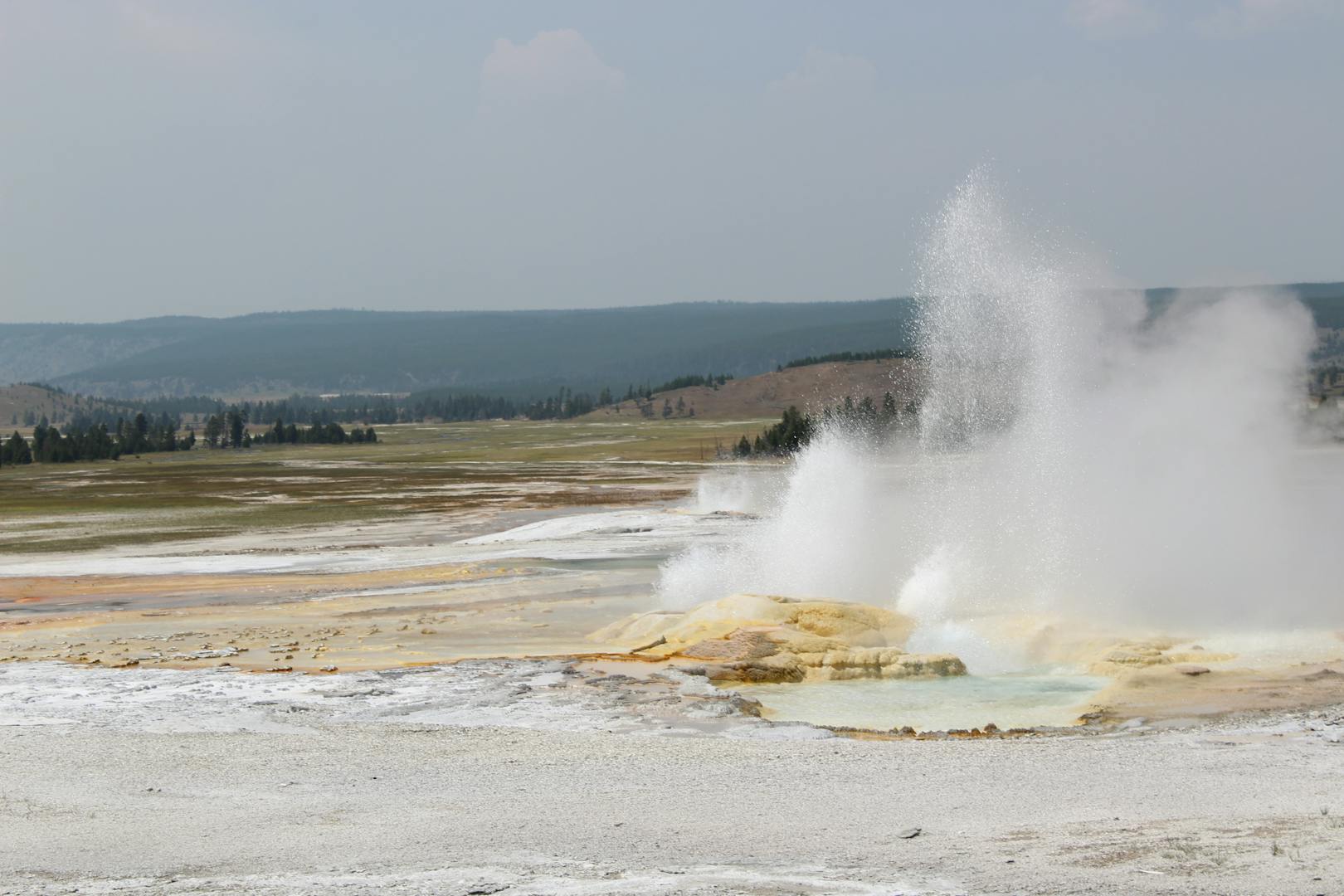
- 🦬 Best for Wildlife: Yellowstone for geysers, bison, bears, and endless wonder
- 🏔️ Best for Beginners: Acadia for manageable size, easy trails, stroller-friendly carriage roads
- 🌊 Best for Unique Wildlife: Everglades for airboats, alligators, and an ecosystem you won't find anywhere else
- 💰 Budget Tip: The America the Beautiful Pass ($80/year for U.S. residents) covers every park for one vehicle
- 📅 Best Time: Shoulder seasons (April-May, September-October) mean fewer crowds and milder weather
- 🎒 Don't Skip: Junior Ranger programs. They're free, available at nearly every park, and kids love earning badges
Those four parks sit in four corners of the country, so put your home airport, your week, and your kids' ages into the Budget Calculator, prefilled for the Grand Canyon, and type in one of the other three to see which of the four your budget actually reaches.
America's 63 national parks aren't just beautiful: they're some of the best classrooms your kids will ever set foot in. According to the National Park Service, parks welcomed over 331 million visitors in 2024, and families continue to make up the largest visitor segment. But which parks actually work well with kids in tow? That's a different question than which parks look best on Instagram.
The ten parks below were picked based on what matters most to traveling families: accessible trails, strong Junior Ranger programs, wildlife kids can actually spot, reasonable lodging options, and that hard-to-define "wow factor" that keeps children talking about the trip for months afterward. The final two are quieter picks that round out the top ten.
1. Yellowstone National Park: Best for Wildlife and Wonder
There's a reason Yellowstone tops so many family lists. It's not just one thing: it's the combination of predictable geyser eruptions (Old Faithful goes off roughly every 90 minutes), bison herds wandering across roads, and boardwalks that make geothermal features accessible even for younger kids. You won't run out of things to see here, even on a week-long trip.
Yellowstone Family Highlights
- 🌋 Old Faithful: Predictable eruptions, visitor center with exhibits, wheelchair-accessible boardwalks
- 🌈 Grand Prismatic Spring: The largest hot spring in the U.S., with stunning rainbow colors
- 🦬 Lamar Valley: Best wildlife viewing in the park (bison, wolves, bears, pronghorn)
- 🏅 Junior Ranger Program: Free and well-designed for ages 5-12
- 👧 Best ages: 6+ (there's lots of walking, and wildlife patience helps)
The Upper Geyser Basin holds roughly 25% of the world's geysers, and the flat boardwalk trails work with strollers. Lamar Valley deserves a full morning: bring binoculars, park at a pullout, and wait. Wolves, bears, and elk show up regularly, especially at dawn and dusk. Parking fills fast between 10 AM and 4 PM at most popular spots, so early mornings pay off big time.
West Yellowstone family hotels on Expedia. The in-park lodges sell out 6-12 months ahead, so these gateway towns are the realistic backup for summer dates.
2. Grand Canyon National Park: Iconic American Experience
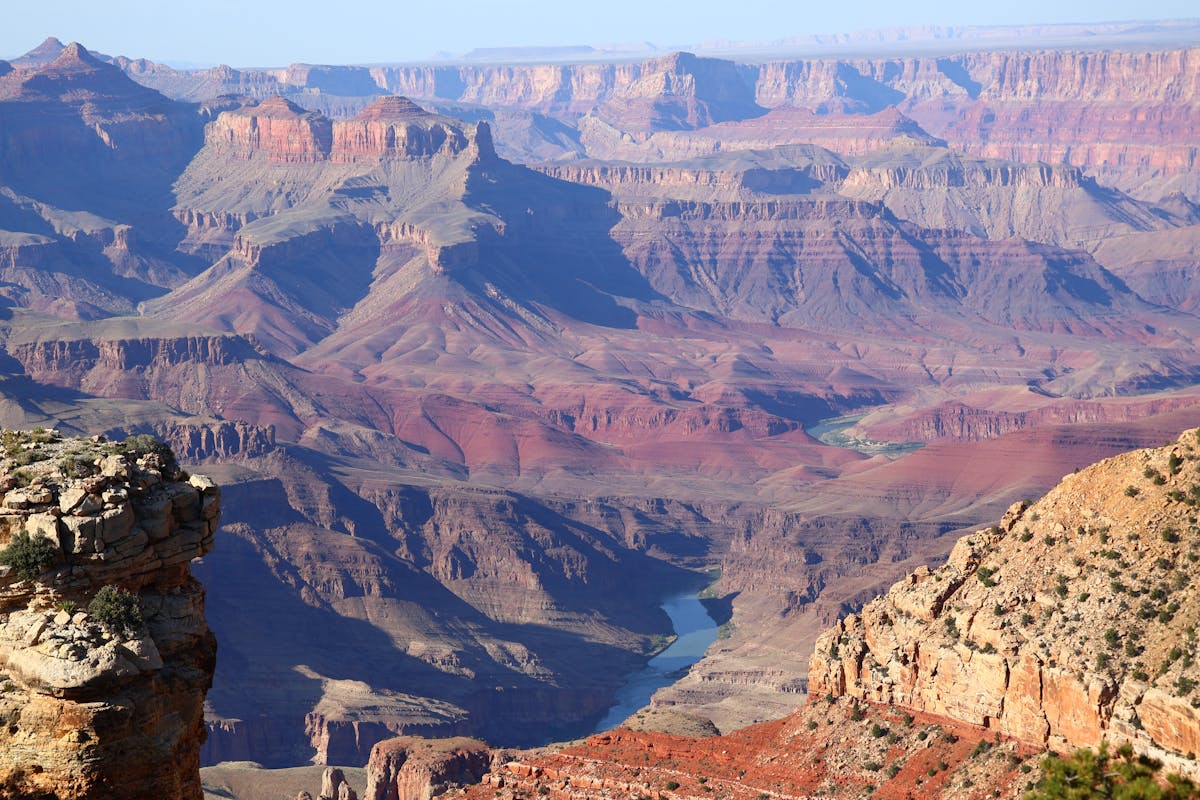
Nothing prepares kids (or adults, honestly) for that first look over the rim. The Grand Canyon doesn't need hype: it delivers. The South Rim is where most families should head, with paved trails, shuttle buses, and restaurants within walking distance. You don't need to hike into the canyon to have an unforgettable experience here.
Grand Canyon Family Highlights
- 🥾 Rim Trail: 13 miles of paved path with stroller access and viewpoints every few minutes
- 👁️ Mather Point: Most accessible viewpoint, steps from the Visitor Center
- 🏛️ Grand Canyon Village: Historic buildings, restaurants, and the free shuttle hub
- 🏅 Junior Ranger Program: Covers geology, wildlife, and canyon conservation
- 👧 Best ages: All ages for rim views; 8+ for below-rim hiking
For families with older kids, the Bright Angel Trail offers a challenging but rewarding descent into the canyon. Mule rides along the rim are available for ages 7+ and give a totally different perspective. The park's free shuttle makes getting around the South Rim stress-free: you won't need to fight for parking if you use it. One thing to watch: summer rim temperatures regularly exceed 100°F, so spring and fall visits are much more comfortable with children.
Browse Grand Canyon South Rim hotels on Expedia. Staying inside the park or in Tusayan puts you on the rim before the day-trip crowds arrive from Flagstaff.
3. Acadia National Park: Best for First-Time Families
If you've never taken your kids to a national park before, Acadia is the place to start. It's small enough (about 47,000 acres) that you can hit the highlights in two or three days without anyone melting down. The 45 miles of car-free carriage roads are perfect for biking and strollers, and the mix of coast, mountains, and forests keeps things interesting for every age group.
Acadia Family Highlights
- 🚲 Carriage Roads: 45 miles of crushed-gravel paths, ideal for bikes and strollers
- 🏖️ Sand Beach: One of the few sandy beaches on Maine's rocky coast (bring a wetsuit, the water's cold)
- 🍞 Jordan Pond House: Famous popovers with a stunning lake backdrop
- 🌅 Cadillac Mountain: First place to see sunrise in the U.S. from October through March
- 👧 Best ages: All ages, this park is exceptionally toddler-friendly
Thunder Hole is a can't-miss stop, especially around high tide when waves crash into a narrow inlet and create booming sounds that fascinate kids. The Junior Ranger program here is one of the strongest in the NPS system, with activities covering marine life, forests, and tidal ecology. And popovers at Jordan Pond House? That's a tradition families come back for year after year.
Bar Harbor family hotels on Expedia. Bar Harbor sits minutes from the carriage roads and books up fast for the September-October foliage window.
4. Great Smoky Mountains National Park: Best Free Park
Here's something most families don't realize until they start planning: Great Smoky Mountains charges no entrance fee, but every vehicle parked longer than 15 minutes needs a parking tag: $5 a day, $15 a week, or $40 a year (as of August 2026, source: National Park Service, page last updated July 2026). It's also the most-visited national park in America, drawing over 13 million visitors annually according to NPS visitor data. The park spans Tennessee and North Carolina, with ecosystems ranging from lowland hardwood forests to high-elevation spruce-fir groves.
Great Smoky Mountains Family Highlights
- 🦌 Cades Cove: 11-mile loop road with wildlife, historic cabins, and churches
- 💧 Laurel Falls Trail: 2.6-mile paved trail to an 80-foot waterfall (stroller-accessible)
- ✨ Synchronous Fireflies: Rare natural light show in late May/early June (lottery entry required)
- 🎢 Gatlinburg: Gateway town with family restaurants and attractions
- 👧 Best ages: All ages; the paved trails work great for toddlers
Cades Cove brings Appalachian history to life: kids can explore old cabins, a working grist mill, and pioneer churches. The "Lil' Ranger" Junior Ranger booklet for ages 3-6 is a nice touch that keeps younger kids engaged. Black bears, white-tailed deer, and over 1,500 species of flowering plants call this park home. Just know that fall weekends (especially October) get extremely crowded because of the foliage.
Compare Gatlinburg hotels with pools on Expedia. A Gatlinburg base keeps you a short drive from Cades Cove and Laurel Falls without an in-park lodge.
5. Zion National Park: Best Canyon Experience
Zion's towering red cliffs and easy-access canyon floor make it a standout for families who want dramatic scenery without extreme hiking. The park runs a free shuttle system (required March through November) through the main canyon, stopping at trailheads and viewpoints. It's incredibly convenient: no fighting for parking, no stress about navigation.
Zion Family Highlights
- 🌊 Riverside Walk: Paved 2-mile trail along the Virgin River (stroller-friendly)
- 💎 Weeping Rock: Easy 0.4-mile trail to a natural spring-fed alcove
- 🚲 Pa'rus Trail: 3.5-mile paved path for bikes and strollers
- 🏅 Junior Ranger Program: Focused on desert ecology and canyon geology
- 👧 Best ages: 5+ for most trails; all ages for shuttle rides and viewpoints
Got older kids (10+) who want adventure? The Narrows is unforgettable: you're wading through the Virgin River with canyon walls towering 1,000 feet on either side. It's one of those once-in-a-lifetime experiences that teens actually think is cool. The Emerald Pools trail system offers multiple difficulty levels, so families can pick their own challenge. Summer temperatures in the canyon regularly top 105°F, though, so spring and fall visits are much more pleasant.
See Springdale lodging by the Zion entrance on Expedia. Springdale hotels sit on the free shuttle line, so you can skip the canyon parking scramble entirely.
6. Rocky Mountain National Park: Best for Scenic Drives
Just 70 miles from Denver, Rocky Mountain gives families easy access to alpine environments that would normally require days of backcountry hiking. Trail Ridge Road, the highest continuous paved road in North America at 12,183 feet, delivers stunning above-treeline views from the comfort of your vehicle. That matters a lot when you've got small kids who aren't ready for strenuous elevation hikes.
Rocky Mountain Family Highlights
- 🛣️ Trail Ridge Road: 48-mile scenic drive reaching above the treeline
- 🏔️ Bear Lake: Easy 0.8-mile loop with stunning mountain reflections
- 🦌 Elk Viewing: September-October elk rut is spectacular (stay 75+ feet away)
- 🏢 Alpine Visitor Center: Gift shop and exhibits at 11,796 feet
- 👧 Best ages: All ages; high altitude requires acclimatization time
A word of caution: altitude sickness is real here. The park ranges from 7,500 to over 14,000 feet, and children are especially susceptible. Spend a day or two in the Denver area first to adjust. Watch for headaches, nausea, and unusual fatigue. Those are signs to head back down. Trail Ridge Road typically opens late May and closes mid-October, so plan accordingly.
Estes Park family rentals on Expedia. Estes Park sits at 7,500 feet, a useful mid-altitude stop to let kids acclimate before Trail Ridge Road.
7. Olympic National Park: Three Parks in One
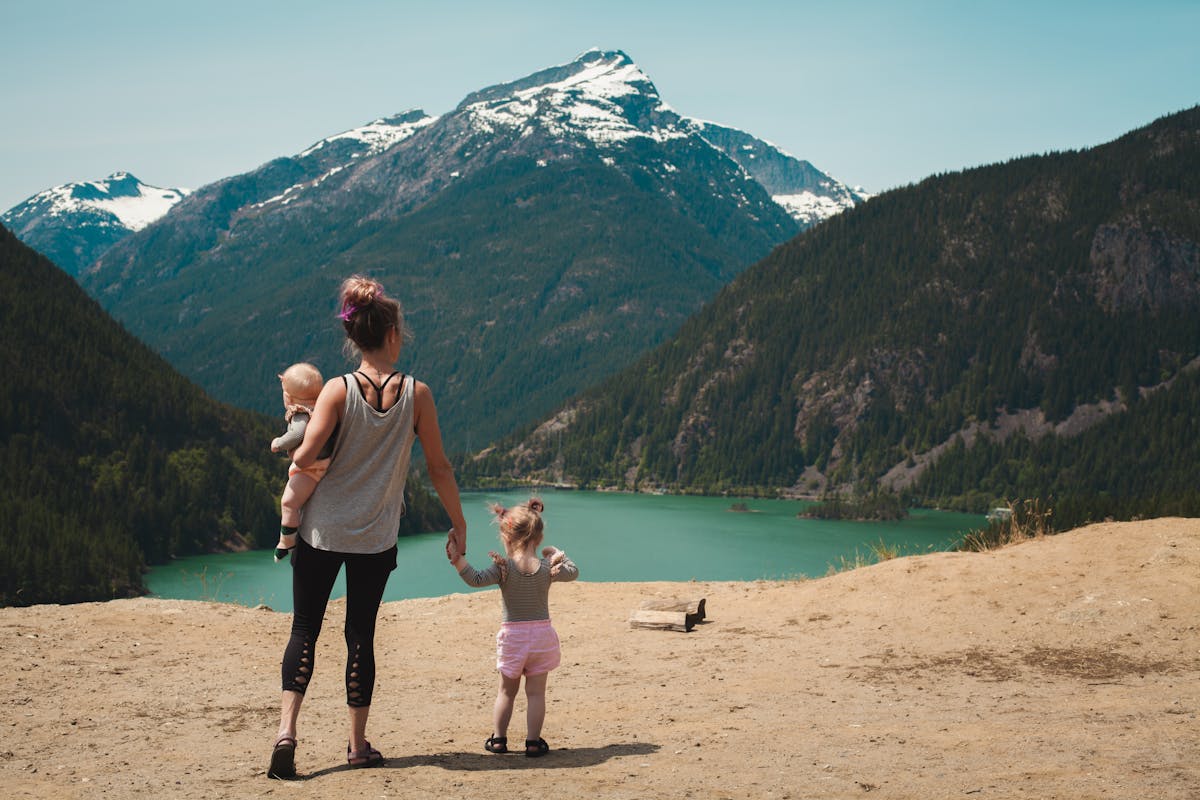
Olympic is the park that keeps surprising families. Temperate rainforest dripping with moss? Check. Rugged Pacific coastline with tide pools? Check. Glacier-capped mountains with alpine meadows? Also check. You'd normally need three separate trips to see ecosystems this different, but Olympic packs them all into one park on Washington's peninsula.
Olympic Family Highlights
- 🌲 Hoh Rain Forest: Moss-draped old-growth trees and easy nature trails
- 🏖️ Ruby Beach: Sea stacks, tide pools, and driftwood exploration
- ⛰️ Hurricane Ridge: Alpine meadows with easy mountain trails and deer sightings
- ♨️ Sol Duc Hot Springs: Natural hot springs resort, perfect for tired hiking legs
- 👧 Best ages: All ages; the variety keeps every age group engaged
The tide pools at Rialto Beach and Second Beach provide hours of discovery: starfish, anemones, crabs, and small fish hiding in rocky crevices. Kids don't want to leave. Just know that the rainforest areas average 140 inches of rain per year, so pack rain jackets regardless of what the forecast says. The hot springs at Sol Duc are a great way to end a long day of exploring, and they're warm enough for even young children.
8. Everglades National Park: Best for Unique Wildlife
Forget mountains and canyons: the Everglades delivers a completely different national park experience. This is a vast subtropical wetland, and it's the only place on Earth where alligators and crocodiles coexist in the wild. Kids are practically guaranteed to see wildlife up close here, which makes it one of the most exciting parks for younger children.
Everglades Family Highlights
- 🐊 Anhinga Trail: Short boardwalk with near-guaranteed alligator sightings
- 🚎 Shark Valley: 15-mile tram tour through sawgrass prairies with wildlife stops
- 🦩 Flamingo: Kayaking, canoeing, and manatee viewing
- 🚤 Airboat Tours: Private operators outside the park offer thrilling rides
- 👧 Best ages: 4+ for most activities; all ages for tram tours
Timing matters here more than at most parks. Visit during dry season (December through April) for the best wildlife viewing: animals concentrate around remaining water sources, making them much easier to spot. Summer means mosquitoes in clouds, hurricane risk, and punishing heat. The Junior Ranger program teaches kids about wetland ecosystems and why the Everglades earned its nickname, "the River of Grass."
Browse Everglades airboat tours on Viator. The in-park Anhinga Trail is free, but the private airboat rides run from operators just outside the boundary.
Best Time to Visit Each Park
| Park | Best Months | Avoid | Why |
|---|---|---|---|
| Yellowstone | May-June, Sep | Jul-Aug | Extreme crowds in summer; wildlife more active in shoulder seasons |
| Grand Canyon | Mar-May, Sep-Nov | Jul-Aug | Summer rim temps regularly exceed 100°F; spring and fall are ideal |
| Acadia | May-June, Sep-Oct | Aug | Fall foliage is spectacular; August gets very crowded |
| Great Smokies | Apr-May, Oct | Jul-Aug, Oct weekends | Fall colors draw massive weekend crowds |
| Zion | Mar-May, Oct-Nov | Jul-Aug | Canyon temps can exceed 105°F in summer |
| Rocky Mountain | Jun-Sep | Oct-May | Trail Ridge Road closes in winter; short summer season |
| Olympic | Jul-Aug | Nov-Feb | Only reliable dry months; pack rain gear year-round regardless |
| Everglades | Dec-Apr | Jun-Oct | Summer means mosquitoes, hurricanes, and extreme heat |
Essential Tips for Family Park Visits
These tips come from years of collecting feedback from park-visiting families across travel forums and our own editorial experience. They'll save you headaches on the trail and at the campsite.
- 🏨 Book lodging early: In-park lodges often sell out 6-12 months ahead for peak season. Campgrounds on Recreation.gov open six months in advance and can fill within minutes.
- 🌅 Arrive early: Parking lots fill by 9-10 AM at popular parks in summer. Getting there by 7 AM makes a huge difference.
- 🧥 Pack layers: Mountain parks can drop 30°F from day to night, even in July. Don't let a chilly evening ruin your campfire plans.
- 🍎 Bring your own food: In-park dining is limited and overpriced at most locations. A cooler with sandwiches, fruit, and snacks saves money and time.
- 📱 Download offline maps: Cell service is unreliable or completely absent in most parks. Google Maps and AllTrails both offer offline downloads.
- 🏅 Start Junior Ranger first thing: Pick up booklets at the visitor center when you arrive. Kids can work on them throughout the day.
- 🐻 Respect wildlife distances: Stay 100 yards from bears, wolves and cougars, 25 yards from all other animals. These aren't suggestions: they're NPS rules.
- ♻️ Teach Leave No Trace: Pack out everything, stay on trails, and leave rocks and plants where you find them. It's a great life lesson for kids.
What the Four Quick Answer Parks Actually Charge to Get In
| Park | Vehicle fee | Note |
|---|---|---|
| Grand Canyon | $35 per vehicle, valid 7 days | (as of August 2026, source: National Park Service, page last updated July 2026) |
| Yellowstone | $35 per vehicle, valid 7 days | (as of August 2026, source: National Park Service, page last updated June 2026) |
| Acadia | $35 per vehicle, valid 7 days | (as of August 2026, source: National Park Service, page last updated January 2026) |
| Everglades | $35 per vehicle, valid 7 days | (as of August 2026, source: National Park Service, page last updated July 2025) |
All four of the Quick Answer picks charge the same $35 vehicle fee, so the America the Beautiful Annual Pass above pays for itself on the third park of any given year (3 parks x $35 = $105, more than the pass's $80), no matter which of the four a family picks. Visitors who are not US residents and are 16 or older pay an additional $100 per person at each of these four parks unless they enter on an Annual or America the Beautiful pass, and the non-resident annual pass is $250 (as of August 2026, source: National Park Service).
9. Joshua Tree National Park: Best for Stargazing and Rock Scrambling
Joshua Tree is the most distinctive park on this list. Where the high Mojave Desert meets the lower Colorado Desert, twisted Joshua trees and massive granite boulder piles create a landscape that feels otherworldly, and irresistible to kids who love climbing. As a designated International Dark Sky Park, it also offers some of the best stargazing in the Lower 48.
Joshua Tree Family Highlights
- 🏔 Hidden Valley Nature Trail: 1-mile loop with kid-safe rock scrambling
- 🪨 Skull Rock: drive-up boulder formation kids can climb on directly
- 🌵 Cholla Cactus Garden: short flat boardwalk, magical at sunset
- 🌙 Night sky programs: ranger-led astronomy on select evenings
- 👧 Best ages: 6+ (sun protection and water are non-negotiable)
Timing matters here more than at most parks. Avoid June through August, when daytime temperatures regularly exceed 100°F and rangers actively discourage day hikes. Spring (March-May) and fall (October-November) are ideal. Stay in Twentynine Palms or Yucca Valley for affordable family lodging just outside the park entrances.
10. Glacier National Park: Best for Alpine Drives and Wildlife
Glacier delivers some of the most dramatic alpine scenery in the United States, headlined by the iconic Going-to-the-Sun Road, a 50-mile engineering marvel that crosses the Continental Divide. Wildlife viewing here rivals Yellowstone, with mountain goats and bighorn sheep often visible from roadside pullouts.
Glacier Family Highlights
- 🚚 Going-to-the-Sun Road: must-drive scenic route (no vehicle reservation needed in 2026; Logan Pass parking is limited to 3 hours and the park shuttle is ticket-only)
- 🌲 Trail of the Cedars: accessible 1-mile boardwalk through 500-year-old cedars
- 🔨 Avalanche Lake: moderate 4.6-mile family hike to a glacial lake
- 🐾 Many Glacier: the park's best wildlife-viewing area
- 👧 Best ages: 8+ for full-day hikes; all ages for the drive and short walks
Glacier's short summer season (late June at the earliest through about the third Monday of October for the full Going-to-the-Sun Road) creates peak-crowd pressure. Book in-park lodging 12+ months ahead. For 2026 the park dropped its vehicle-reservation system for Going-to-the-Sun Road in favor of a ticketed-only shuttle pilot and a three-hour parking limit at Logan Pass from July 1 through Labor Day, September 7, 2026. Check the NPS Glacier site before you go, because the access system has changed almost every year. For deeper planning, see our Glacier family guide and our Going-to-the-Sun Road guide.
More Top Family Parks at a Glance
Can't decide? Here's a quick-reference table covering all ten parks ranked in this guide.
| Park | Best For | Best Ages | Location |
|---|---|---|---|
| Yellowstone | Wildlife, geysers, wonder | 6+ | Wyoming |
| Grand Canyon | Iconic views, rim trails | All ages | Arizona |
| Acadia | Beginner-friendly, beaches | All ages | Maine |
| Great Smoky Mountains | Free entry, waterfalls | All ages | TN/NC |
| Zion | Easy canyon walks, shuttle | 5+ | Utah |
| Rocky Mountain | Scenic drives, elk viewing | All ages | Colorado |
| Olympic | Rainforest, beaches, mountains | All ages | Washington |
| Everglades | Alligators, airboats, wetlands | 4+ | Florida |
| Joshua Tree | Rock scrambling, stargazing | 6+ | California |
| Glacier | Going-to-the-Sun Road, wildlife | 8+ | Montana |
Frequently Asked Questions
Data Sources and Methodology
This guide uses verified data from official sources, cross-referenced with parent experiences from travel forums:
- National Park Service: Official visitor statistics and park information
- NPS Entrance Passes: Current pass pricing and policies
- Recreation.gov: Camping reservation data and booking windows
- Department of the Interior: 2026 fee structure changes
Last verified: February 2026