Washington DC With Kids: Costs and Where to Stay
The family pillar guide: when to go, where to stay by neighborhood, what it costs, and how to get around the National Mall with kids
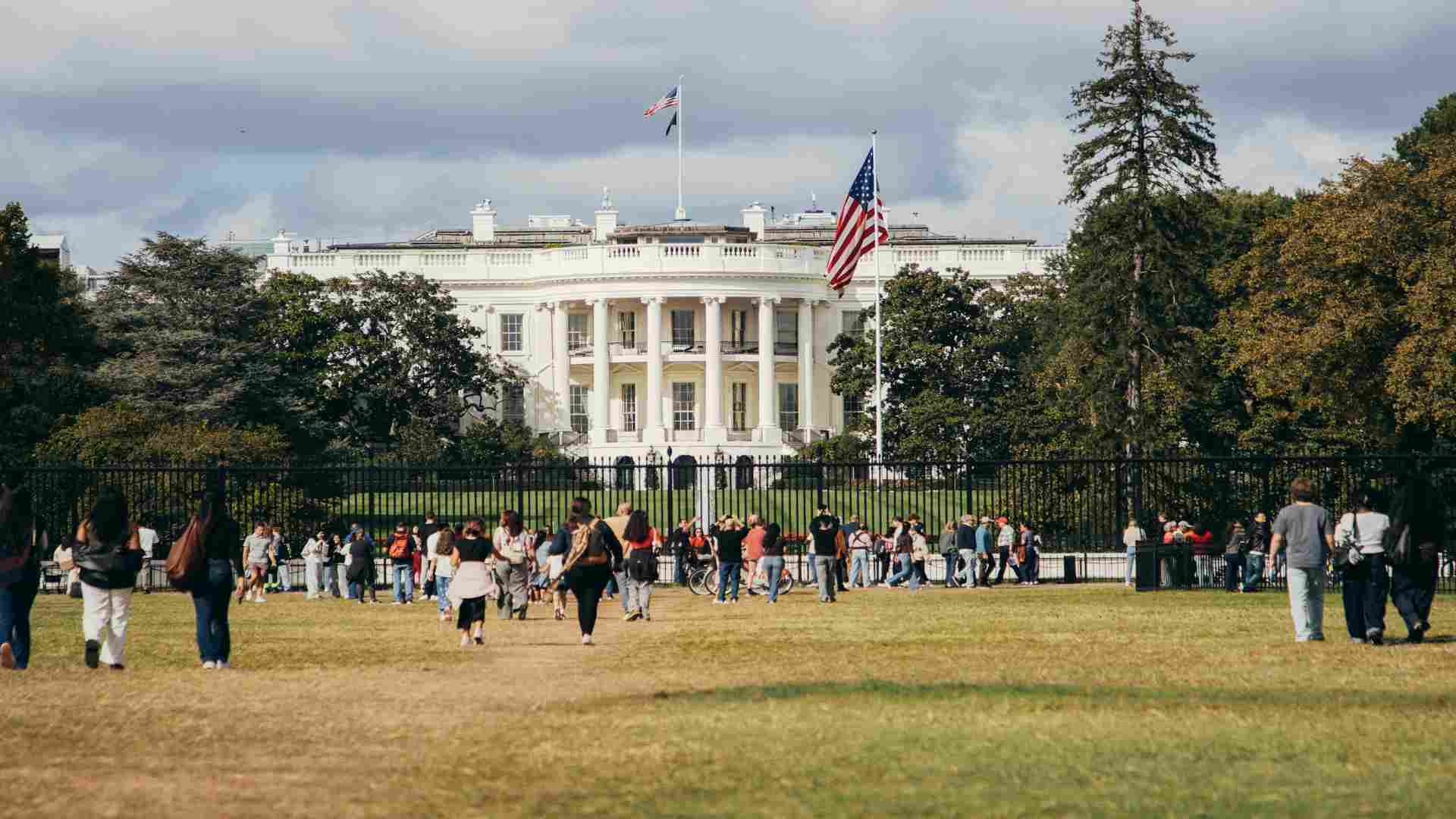
Quick Answer: Washington DC With Kids
- Washington DC is one of the best value family destinations in the United States: all 17 Smithsonian museums, the monuments, Capitol tours, and the National Zoo are free, so a family of four covers 4 to 5 days for about $2,800 to $4,400, roughly $800 to $1,200 less than the same trip in New York.
- 💰 Cost: about $2,800 budget, $3,650 mid-range, $4,400 comfortable for a family of four over 4 days (flights extra).
- 👶 Best age: 8 to 12, when school history clicks; ages 2 to 7 do a shorter Zoo-and-dinosaurs trip.
- 📅 How long: 4 to 5 days is ideal, 3 days works, and even one or two days covers the highlights.
- 🌤️ When to go: May to June or September to October; skip the July and August humidity.
- 🚇 Getting around: the WMATA Metro is clean and stroller-friendly, and kids under 5 ride free.
- 🏨 Where to stay: Arlington, Virginia is the best value; Downtown near Metro Center is most walkable.
- ⚠️ Skip DC if: your teens want big-city energy over history (our NYC vs DC comparison favors New York for ages 13+).
- 🧮 Run your family's exact numbers with the budget calculator.
Most families budget for Washington DC the way they'd budget for New York: brace for pricey museum tickets and a big attractions bill. Here's the twist. The museums cost nothing. Every one of the 17 Smithsonians is free, so the number that actually decides your total is where you sleep, which can swing a 4 day trip from about $2,800 to $4,400 for a family of four (as of July 2026). This guide maps the four decisions that move that number: when to go, where to stay, how long to stay, and how you get around. Then it hands the day-by-day plan and the ranked museum lists off to the guides built for them.
Why Washington DC Is Worth It With Kids
Yes, DC is worth it, and it earns that answer three ways. First, the value is hard to beat. All 17 Smithsonian museums charge zero admission, the monuments are free, Capitol tours are free, and even the National Zoo costs nothing. A family of four can fill 4 to 5 packed days without spending a dollar on attractions. Second, the walkable National Mall concentrates most major sites within a 2 mile stretch, so nobody wastes half the trip in transit. And third, for kids studying American history in school (usually grades 3 to 8), seeing the actual Declaration of Independence or standing where Martin Luther King Jr. gave his speech creates a connection a textbook can't.
So what are the real washington dc with kids activities that fill those days? Free museums, free monuments, a free zoo, riverside parks, and a couple of paid extras like the Spy Museum. This page is the family pillar that orchestrates all of it. For the ranked, room-by-room museum picks, lean on our DC free museums guide; for the hands-on learning angle, our free education guide goes deeper. Here, the focus is the trip-level decisions.
"Our kids learned more in 4 days in DC than a month of social studies class. Seeing the actual Constitution, standing at the Lincoln Memorial, walking through the Natural History Museum made everything from school feel real. And the free museums meant we could spend on nice dinners without guilt."
via TripAdvisor

How Many Days You Need With Kids
Most families need 4 to 5 days to see the major Smithsonians, the monuments, and a Capitol tour without rushing. But DC flexes to almost any length. Here's how each duration actually plays out.
| Trip length | What it covers | Best for |
|---|---|---|
| 1 day | One or two museums plus a monuments walk at the Mall's west end | A day trip to Washington DC with kids from Baltimore, Philadelphia, or a layover |
| 2 days | Natural History, Air and Space, the Lincoln and WWII memorials, and the Zoo | Two days in Washington DC with kids, or a focused trip with little kids |
| 3 days | The big Smithsonians, National Archives, a monuments evening, plus one extra | A washington dc 3 day itinerary with kids, the popular sweet spot |
| 4 to 5 days | Everything above plus a Capitol tour, the Wharf, and a Mount Vernon day trip | 4 days in washington dc with kids, no rushing, some downtime built in |
Doing washington dc in a day with kids? Anchor on the Air and Space Museum and the Lincoln Memorial, both at the Mall's west end, and skip the Metro hops. Got a long weekend? Three days is the crowd favorite. The one rule that holds at every length: cap it at 2 to 3 museums per day, because museum fatigue hits kids hard around hour four. For a plotted hour-by-hour version, our 3 day DC family itinerary lays out the exact schedule so this pillar doesn't have to.
When to Go, Season by Season
Timing matters more than families expect. The wrong month means walking the National Mall in 95°F heat with humidity that fogs your sunglasses. The right month is postcard weather with room to breathe. Here's the year at a glance.
| Season | Temps | Crowds | Family verdict |
|---|---|---|---|
| May to June | 70 to 80°F | Moderate | Best overall, warm and everything open |
| Sep to Oct | 65 to 75°F | Lower | Excellent, smaller crowds and cheaper flights |
| Mar to Apr | 55 to 70°F | High (cherry blossoms) | Pretty but packed during bloom |
| Jul to Aug | 85 to 95°F | Peak | Tough, heat and humidity wear kids down |
| Nov to Feb | 35 to 50°F | Low | Cold but doable, the museums are indoors anyway |
Planning washington dc with kids in summer? Go early. Hit outdoor sites and the Zoo before 11 a.m., then move indoors to air-conditioned museums for the brutal afternoon hours. Doing washington dc with kids in winter? The crowds vanish, hotel rates drop, and you spend most of the day inside free museums anyway, so it's an underrated budget window. Cherry blossom season (late March into April) is gorgeous but draws the year's biggest crowds. Chasing things to do with kids in washington dc this week or family things to do in DC this weekend? Check the events calendars at washington.org and the Smithsonian, which list free festivals, kite days, and holiday programming that rotate all year.
"We visited in May and the weather was perfect, about 75 and sunny, and it wasn't too crowded. I can't picture doing this in July at 95 and humid. May is the sweet spot."
via Reddit r/washingtondc
Where to Stay: Best Neighborhoods for Families
Where you sleep is the single biggest lever on the budget, and it decides how much Metro time you rack up with tired kids. These are the best neighborhoods to stay in washington dc with kids, ranked by the trade-off between price and proximity.
| Neighborhood | Nightly cost | 3-night total | Getting to the Mall |
|---|---|---|---|
| Arlington, VA (best value) | $200 to $250 | $600 to $750 | 10 to 15 min Metro |
| Downtown DC (most walkable) | $250 to $350 | $750 to $1,050 | Walk or one Metro stop |
| Capitol Hill (neighborhood feel) | $250 to $300 | $750 to $900 | Walk to the east Mall |
Arlington near the Rosslyn or Court House Metro stations is the play for budget-minded families. You save $100 to $150 a night, and the ride in is painless: clean trains, clear signage, 10 to 15 minutes door to door. Over 3 nights that's $300 to $450 back in your pocket, enough for nicer dinners or a Mount Vernon day trip. Downtown near Metro Center costs more but puts several museums within a 15 minute walk, so you skip the daily commute with worn-out kids. Capitol Hill splits the difference with a quieter, residential feel a short walk from the Mall's east end.
Where to avoid staying in DC
Skip hotels more than a 10 minute walk from a Metro station, and be cautious with blocks that empty out after dark, such as parts of NoMa and stretches of Southeast away from Capitol Hill. Stay in Arlington, Downtown near Metro Center, or Capitol Hill proper, where transit is close and the streets stay busy and well lit.
What a DC Family Trip Costs
Here's why DC keeps landing on best-value family lists, and whether the savings hold up once you add hotels and food. The attractions are free, so the total is really a hotel-and-food question. These three tiers assume a family of four over 4 days (as of July 2026, based on Booking.com and hotel rate ranges).
Budget trip: about $2,800
Hotels $600 (Arlington, VA at $200 a night for 3 nights). Food $800 (grocery breakfasts, packed lunches, casual dinners). Attractions $0 (all free). Metro $60. Airport transfers $40. Extras $200.
Mid-range trip: about $3,650
Hotels $750 (Arlington near Metro at $250 a night). Food $1,050. Attractions $220 (Spy Museum plus Mount Vernon). Metro $80. Airport transfers $60. Extras $330.
Comfortable trip: about $4,400
Hotels $1,050 (Downtown DC at $350 a night). Food $1,400. Attractions $350 (Spy Museum, Mount Vernon, Ford's Theatre, a boat tour). Metro and taxis $120. Airport transfers $80. Extras $400.
Flights aren't included, and they typically run $600 to $1,400 for a family of four depending on your origin city. The biggest single saving versus a comparable New York trip is museums: a family of four pays roughly $300 to $420 for paid museums in NYC and $0 in DC. For the full head-to-head on price, walkability, and teen appeal, see our NYC vs Washington DC comparison.
The Attraction Landscape at a Glance
Almost everything worth seeing in DC is free, which is great until you're staring at a list of 70 options with two kids melting down. So here's the map, not the phone book. Five categories cover the city, and the deep, ranked lists live in the linked guides so this page can stay a quick overview.
| Category | Best for | Cost | Go deeper |
|---|---|---|---|
| Smithsonian museums | All ages (dinosaurs, planes, gems) | Free | Free museums guide |
| Monuments & memorials | Ages 6+, best at dusk | Free | 3 day itinerary |
| National Zoo & parks | Little kids, all ages | Free | This guide |
| Off-the-Mall spots | Downtime, teens | Free to low | This guide |
| Paid pick: Spy Museum | Ages 10+ | $25/person | This guide |
The free Smithsonians are the backbone, and the National Air and Space Museum plus the Natural History Museum are the two nobody skips. Because DC is one of the best places to do washington dc with kids free, we keep those room-by-room picks in the free museums guide and the classroom-style, hands-on learning angle in the free education guide. For the best things to do in washington dc with little kids, point the day at the free National Zoo in Woodley Park, the dinosaur hall, and Gravelly Point across the river in Arlington, where planes roar overhead as they land at Reagan National. Parents on Reddit's r/washingtondc also point newcomers toward the U.S. Botanic Garden's children's play area, a calm, free stop right off the Mall.
Getting Around DC With Kids
Families rate DC's Metro above most big-city transit, and the reasons add up fast: six color-coded lines instead of NYC's 27, cleaner stations, better lighting, visible staff, and a far less intimidating feel. Most stations have elevators for strollers, too.
Fares run $2.25 to $6.75 per ride at peak, though most family trips land in the $2.25 to $3.50 range because pricing is distance-based (as of July 2026, source: WMATA). Kids under 5 ride free. Grab a SmarTrip card at any station or add it to your phone, and tap in; it's faster than paper fare cards and easy to reload. Fly into Reagan National (DCA) for the easiest Metro access, or Dulles (IAD) for cheaper flights and a longer transfer.
Metro timing note
Trains start at 5 a.m. on weekdays and 7 a.m. on weekends, with the last runs around midnight. If you're doing a night monument walk, check the schedule so nobody gets stranded with sleepy kids.
Fun Places to Eat and Day Trips Beyond the Mall
Looking for fun places to eat with kids in washington dc? Skip the Mall food trucks. The Mitsitam Cafe inside the free National Museum of the American Indian serves indigenous-inspired dishes and is the best-regarded lunch on the Mall. Off the Mall, the Southwest Waterfront (the Wharf) has waterfront ice cream, pedal boats, and easy seating, and Union Market up north is a kid-friendly food hall with something for every picky eater.
For a day trip to washington dc with kids that breaks up the museum rhythm, George Washington's Mount Vernon estate (about 30 minutes south) mixes a working farm, a mansion tour, and river views. Families with a car and younger kids drive to the fully accessible Clemyjontri Park in McLean, Virginia, and aviation-obsessed kids love the Smithsonian's Udvar-Hazy Center near Dulles, which parks a real Space Shuttle indoors. Want to give back on the trip? Families can volunteer with kids in Washington DC through National Park Service cleanup days on the Mall or the citywide Martin Luther King Jr. Day of Service each January.
What to Pack for DC's Weather
DC packing comes down to two truths: you'll walk 8 to 12 miles a day on the Mall, and the weather swings hard by season. Broken-in sneakers are non-negotiable. In summer, pack refillable water bottles, hats, and sunscreen for the shadeless Mall; in winter, layers and gloves for the walk between indoor museums. A compact stroller earns its keep for kids under 6, even ones who "don't nap anymore," because those miles add up.
The Bottom Line
Washington DC is the best value city trip in the country for families with school-age kids, because 17 free museums, a free zoo, and free monuments turn the whole budget into a hotel-and-food decision worth $2,800 to $4,400 for a family of four. Nail the four levers this guide covers, and the rest falls into place.
- Go in May to June or September to October, and treat summer as an early-morning game.
- Stay in Arlington for value or Downtown for walkability, and keep close to a Metro stop.
- Plan 4 to 5 days if you can, 3 at the crowd-favorite minimum, 1 to 2 for a focused hit.
- Ride the Metro, cap museums at 2 to 3 a day, and let the free sites carry the trip.
Best for families with kids ages 8 to 14 who care about history and value; less ideal for teens who want big-city variety, who tend to prefer New York. When you're ready to plot the actual days, hand off to our 3 day DC family itinerary and the free museums guide.
Frequently Asked Questions
Yes, Washington DC is worth visiting with kids and ranks among the top family destinations in the United States, because all 17 Smithsonian museums, the monuments, Capitol tours, and the National Zoo are free. A family of four fills 4 to 5 days without paying a single attraction fee, and most major sites sit along the walkable 2 mile National Mall.
Most families need 4 to 5 days in Washington DC with kids to cover the major Smithsonians, the monuments, and a Capitol tour without rushing, with 3 days a solid minimum and 2 days workable for a focused visit. Cap it at 2 to 3 museums per day, because museum fatigue hits kids hard around hour four. Our 3 day DC family itinerary shows the exact schedule.
Yes, the Smithsonian is worth visiting with kids because all 17 museums charge zero admission, saving a family of four roughly $300 to $420 versus paid museums in a city like New York. The Natural History Museum (dinosaurs, all ages) and the Air and Space Museum (planes, ages 6 and up) are the standout favorites for families. See our free museums guide for the ranked list.
The best place to stay in Washington DC with kids is Arlington, Virginia near the Rosslyn or Court House Metro stations, at $200 to $250 a night with a 10 to 15 minute ride to the National Mall. Downtown near Metro Center ($250 to $350) is the most walkable, and Capitol Hill offers a quieter family neighborhood. Choosing Arlington over Downtown saves roughly $300 to $450 across 3 nights.
The best age to take kids to Washington DC is 8 to 12, when they are studying American history in school and can handle 3 to 4 hours in a museum without melting down. Younger kids ages 2 to 7 still love the Zoo, the dinosaurs, and the planes, so plan a shorter trip. Teens enjoy DC, though many prefer New York's energy, as our NYC vs DC comparison explains.
The main places to avoid staying in DC with kids are hotels more than a 10 minute walk from a Metro station and blocks that empty out after dark, such as parts of NoMa and stretches of Southeast away from Capitol Hill. Stick to Arlington, Downtown near Metro Center, or Capitol Hill proper, where transit is close and streets stay busy.
Data Sources and Methodology
This guide draws on official sources and community parent reports:
- Smithsonian Institution for museum hours, exhibits, and admission policy
- National Park Service for National Mall and monument information
- WMATA Metro for fare schedules and family travel policies
- Destination DC for official tourism and event information
Last verified: July 2026