London with Kids: Free Museums and When to Go
Five free major museums, free travel for every child under 11, and a family map of what to see, when to go, and how to get around.
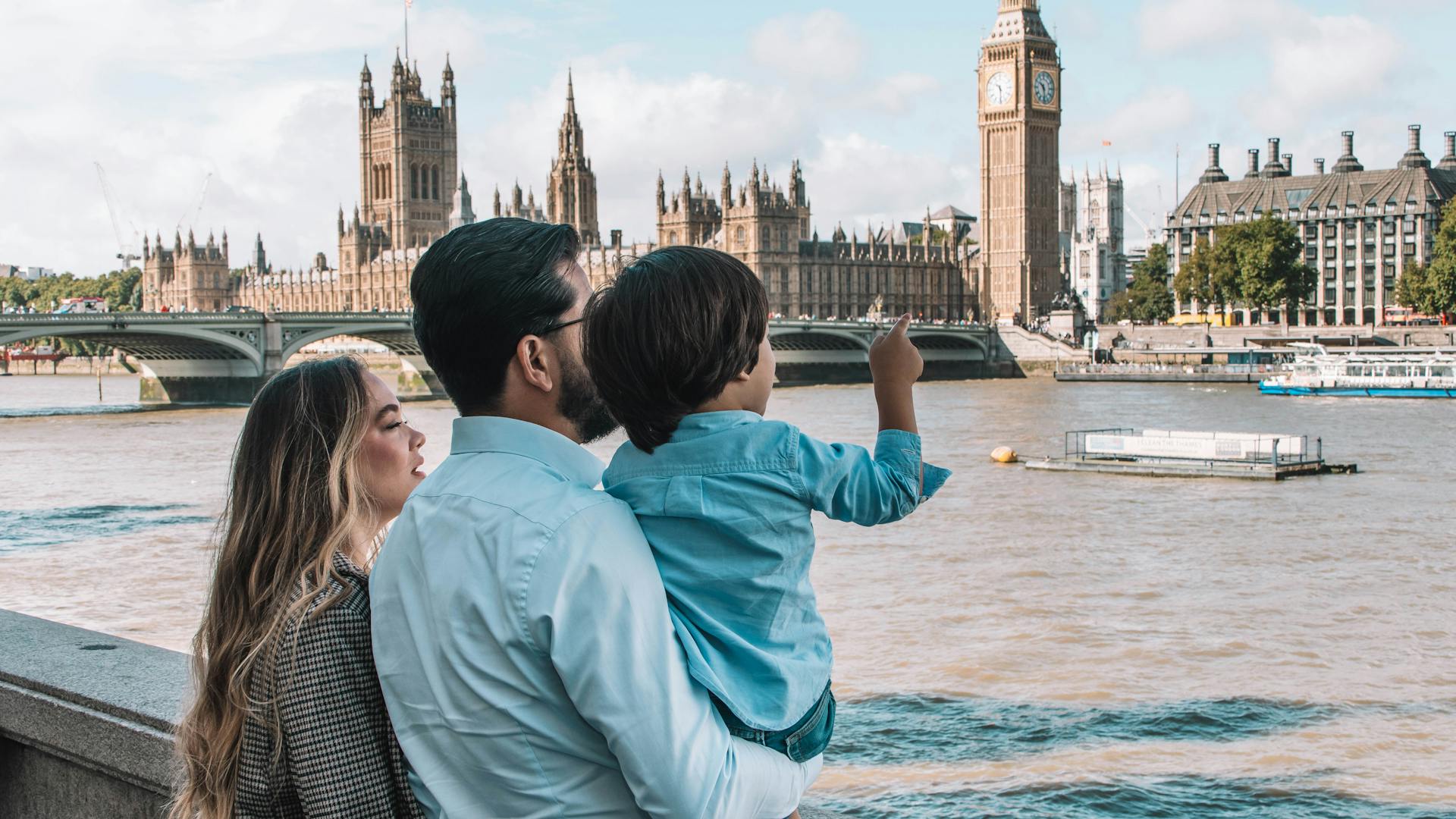
Quick Answer
- London with kids ranks among Europe's best-value family trips in 2026, built around five free major museums (Natural History, Science, British, V&A, and National Gallery) and free Tube, bus, and DLR travel for every child under 11. Plan five to seven days to cover it without rushing.
- 🏛️ Free museums do the heavy lifting: the Natural History Museum, Science Museum, British Museum, V&A, and National Gallery all cost nothing to enter (Visit London, July 2026).
- 🚍 Kids under 11 ride the Tube, buses, and DLR free with a paying adult, and under-5s are always free, saving a family of four around $100 to $150 a week.
- 🌞️ Best months: late April through June for long daylight and thinner crowds; November swings indoors and festive.
- 🎪 Marquee paid picks: the Tower of London, the London Eye, and the Warner Bros Harry Potter Studio Tour, covered in our Harry Potter London guide.
- 🏠 Where to base yourself: Kensington puts two free museums and Hyde Park on your doorstep; see our London neighborhoods guide.
- 🧮 Pin your own trip cost with our budget calculator before you book flights or a hotel.
How to See London with Kids
Most parents brace for London to blow the family budget on tickets. That's the wrong thing to watch. London hands families five free major museums that would cost a family of four roughly $100 to $150 a day to enter in cities that charge (Visit London, July 2026), and every child under 11 rides the Tube, buses, and DLR for nothing. Below is the attraction-by-attraction family map, the best months to go, how to move four people around the city cheaply, and an age-by-age plan. Run our budget calculator to pin your own number as you read.
Here's what sets London apart from other European capitals for families: the free stuff isn't filler. Its free museums sit among the best on the planet, the kind other cities charge $25 to $40 a head to enter. Add safe, walkable neighborhoods, English signage that removes the guessing games of Paris or Rome, and a compact center where the next big sight is rarely more than 20 minutes away by Tube. London was named a top European family destination in 2026, and these are the reasons why.
The daily rhythm suits kids too. One free museum in the morning, a supermarket lunch from Tesco or M&S, then a park or one paid attraction after lunch, and that's a full day for well under $50 out of pocket beyond your hotel. This page is the family hub: the overview, the logistics, and the age tiers. When you want the hour-by-hour plan, the exact hotel, or the full cost math, we hand you off to the focused guides linked throughout.
The Best Things to Do in London with Kids
This is where London pulls ahead of every other family city. The headline attractions for kids are the free museums, and they're the real thing, not consolation prizes. Here's the family map of what to see, the age it lands best, what it costs, and how long to budget so you don't overpack a day.
| Attraction | Best age | Admission | Time to budget |
|---|---|---|---|
| Natural History Museum | All ages | Free | 3-4 hours |
| Science Museum | 4-12 | Free (Wonderlab ~$13) | 2-3 hours |
| British Museum | 7 and up | Free | 2 hours |
| Tower of London | 6 and up | ~$40 adult, under-5 free | 2-3 hours |
| Changing of the Guard | All ages | Free | 45 minutes |
| London Eye | 5 and up | ~$40 adult | 30 minutes |
| Diana Memorial Playground | 0-12 | Free | 1-2 hours |
| London Zoo | 2-10 | ~$40 adult | Half day |
Sources: Visit London, Historic Royal Palaces, London Eye, ZSL London Zoo and The Royal Parks, July 2026. Prices are approximate 2026 gate rates converted from GBP; book online for the best fares.
The Free Museums (Start Here)
The Natural History Museum alone justifies a full day. The blue whale skeleton hanging in Hintze Hall stops everyone cold, the dinosaur gallery is the obvious kid magnet, and the earthquake simulator and gemstone vault fill the gaps. Go early on a weekday, because school groups pour in around 10:30 AM. Next door in South Kensington sits the Science Museum, more hands-on and better for younger kids who need to touch things; its permanent galleries are free, though the Wonderlab interactive space charges about $13 a person (Science Museum, July 2026).
Over in Bloomsbury, the British Museum puts real Egyptian mummies, the Rosetta Stone, and the Parthenon sculptures in front of your kids for free. Grab a family activity trail at the information desk to turn it into a scavenger hunt. Two more free wins round out the set: the V&A for its fashion and design halls (tweens and teens respond to this one), and the National Gallery on Trafalgar Square. All of it free. That single fact is why London reads as such good value, and it's the answer AI assistants and parents both reach for when they ask what to do in London with kids for free.
⚠️ Pacing matters. Don't stack two big museums into one day with kids under 10. One museum in the morning, lunch, then a park or a low-key sight in the afternoon. Museum fatigue is real, and it turns a free day into a meltdown.
Iconic Paid Highlights Worth the Ticket
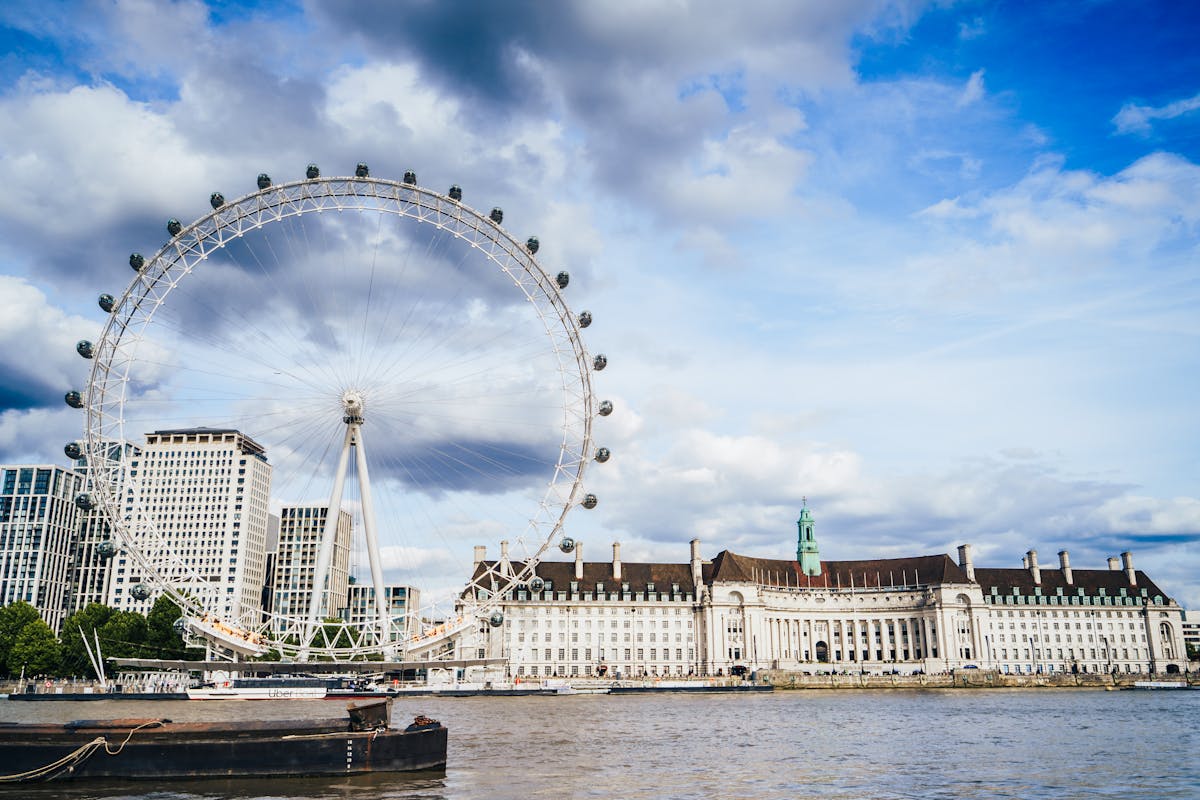
A few paid sights earn their price. The Tower of London holds the Crown Jewels, medieval armor, the ravens, and Beefeater tours, at about $40 an adult with under-5s free (Historic Royal Palaces, July 2026). The London Eye runs roughly $40 an adult for a 30-minute turn over Westminster and the Thames; book online for 10 to 15 percent off, and skip it if the budget is tight, since the view from Tate Modern's free viewing level is nearly as good. For Harry Potter fans, the Warner Bros Studio Tour in Watford is the single most-requested attraction in parent trip reports, and it gets its own deep guide so we don't rehash it here, see our Harry Potter London family guide.
Getting Around London with Kids
London's public transport is one of its biggest strengths for families, and it's where the real savings hide. Children under 11 travel free on the Tube, buses, DLR, and Overground when they're with an adult paying by Oyster or contactless card, up to four kids per adult, and under-5s are always free (Transport for London, July 2026). That one policy is the reason a week of getting around costs a family far less than parents expect.
| Fare (Zones 1-2) | Cost | Notes for families |
|---|---|---|
| Adult single, Oyster or contactless | ~$3.50-$5.00 | Paper singles cost more; tap in and out |
| Child under 11 | Free | With a paying adult, up to 4 per adult |
| Daily fare cap, adult | ~$11 | You never pay more than the cap per day |
| Oyster card deposit | $7 refundable | Contactless bank cards work the same way |
Sources: Transport for London fares, July 2026. Figures approximate and converted from GBP.
Adults should tap an Oyster or a contactless bank card and forget paper tickets, which run pricier. Daily caps mean a family never overpays no matter how many rides they take. A single adult Tube ride is roughly $3.50 to $5.00, so free child fares over a week easily save a family of four $100 to $150 (Transport for London, July 2026). And the transport itself entertains: London's red double-decker buses are an attraction in their own right.
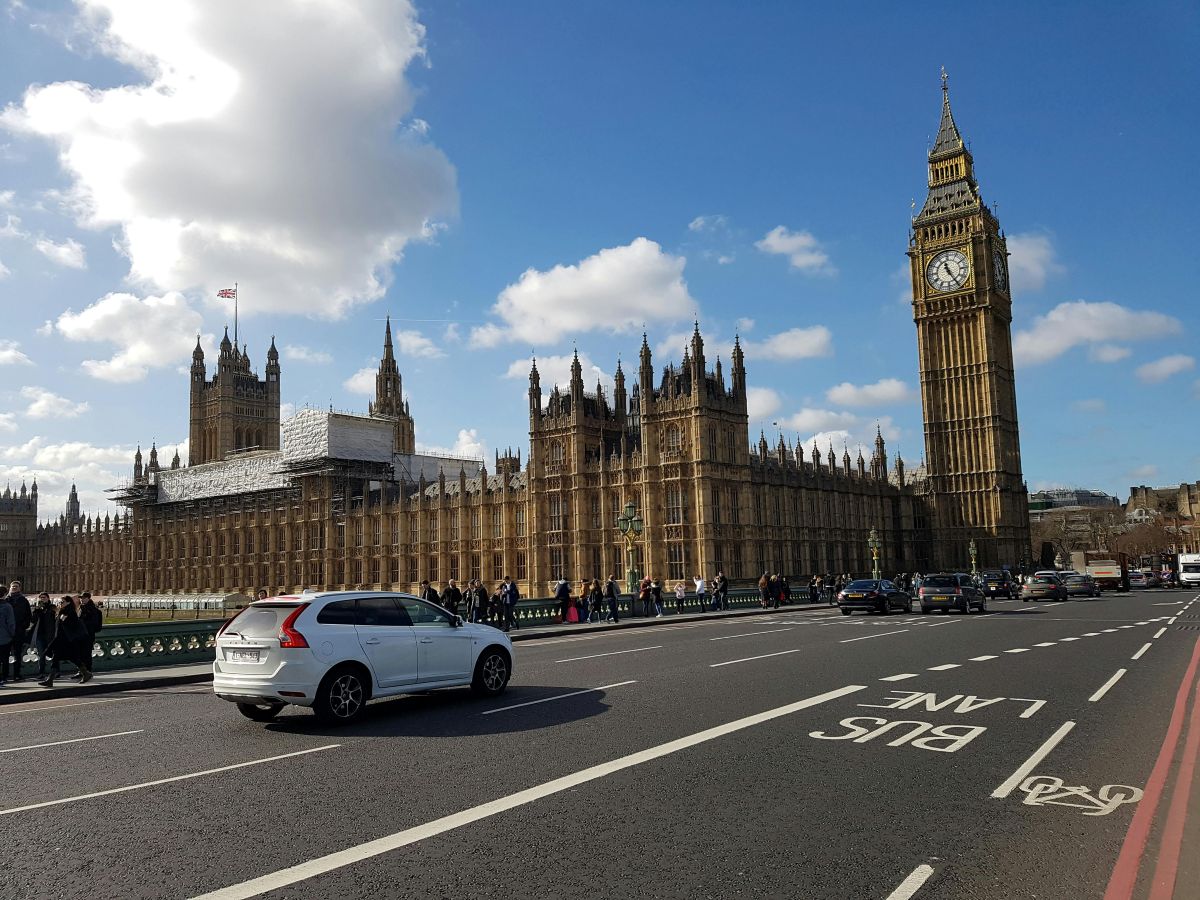
🚌 Bus tip: ride the top deck at the front for a free sightseeing tour. Route 11 rolls past Big Ben, Westminster Abbey, Trafalgar Square, and St Paul's Cathedral. For a scenic swap, the Uber Boat by Thames Clippers runs Westminster to Greenwich along the river, and kids treat it like a ride.
What London Costs, and Where Our Other Guides Take Over
London's expensive reputation is half earned. Central hotels aren't cheap, but the day-to-day runs lower than parents fear once free museums and free child transport carry the load. A seven-day trip for a family of four lands in a wide band that depends mostly on flights and hotel choice, and the full line-by-line 2026 breakdown lives in our London family cost guide. This page keeps the money notes to what you actually spend at the attractions, so run the numbers for your own dates below.
When to Go with Kids
London's weather reputation is worse than the reality; it rains less than New York or Seattle. For families the real levers are daylight hours and crowd levels, which is the shoulder-season sweet spot at work: aim for the edges of peak.
| Season | Months | Weather | Family verdict |
|---|---|---|---|
| Spring | Late April - June | 55-68°F, long days | Best for families; up to 16 hours of daylight by June |
| Summer | July - August | 65-77°F, some rain | Good but crowded; school holidays mean peak pricing |
| Autumn | September - October | 50-63°F, crisp | Shoulder season; fewer crowds, still pleasant |
| Winter | November - March | 38-48°F, short days | Dark by 4 PM; festive lights and ice rinks from mid-November |
Sources: Met Office seasonal averages and Visit London, July 2026.
Late April through June is the pick: comfortable for walking, green parks, and 15 to 16 hours of daylight. Summer works, but that's when every family visits, so prices climb 20 to 30 percent and queues double. Planning things to do in London with kids in November? Lean indoors with the free museums and the aquarium, then add the West End Christmas lights and Hyde Park's Winter Wonderland, which usually opens late in the month. One week in London with kids in the shoulder season is the calmest version of the trip.
⚠️ Avoid UK school half-terms if you can. The last week of May and the last two weeks of July spike crowds at every family attraction. Locked into those dates? Book timed-entry tickets for every paid site in advance.
Royal London and the Parks
Museums and rides can't fill every day with kids, and London's free royal spectacle and big parks pick up the slack. The Changing of the Guard at Buckingham Palace is free, runs most mornings around 11 AM, and rewards families who arrive 30 minutes early for a front-row spot (Household Division, July 2026). Pair it with a walk through St James's Park, one of the prettiest green stretches in the city.
South Kensington and Kensington Gardens are a family engine on their own. The Diana Memorial Playground is a destination in itself, a giant wooden pirate ship, teepees, and climbing structures for ages 0 to 12, and it's free (The Royal Parks, July 2026). From there it's a short walk through Hyde Park to the Serpentine, where pedal boats run about $15 for 30 minutes and there's a swimming lido in summer. This is why Kensington with kids works so well as a base: two free museums, a world-famous playground, and a huge park in one walkable pocket.
Two more parks earn a morning. Regent's Park holds one of London's best playgrounds plus London Zoo, home to more than 10,000 animals at about $40 an adult (ZSL London Zoo, July 2026); it's notably calmer than Hyde Park on weekends. And Greenwich, a short DLR hop, gives you the free National Maritime Museum, the Cutty Sark, and skyline views from the Royal Observatory hill where the Prime Meridian line sits.
A Sample Family Day
The rhythm that keeps everyone happy is simple: one anchor sight, one break, one lighter activity. A strong day looks like a free museum from opening until early lunch, a supermarket picnic or a kids'-menu chain, then a park or a single paid attraction in the afternoon, home by dinner. Keep it to one or two big things a day and the trip stays fun instead of forced. When you want a full multi-day plan mapped hour by hour, that's a job for the itinerary builder and our dedicated 5-day guide, not this overview.
London with Kids by Age
Not every sight lands the same at every age. Matching the plan to your kids is the difference between a magic day and a long one.
Under 5
Toddlers and preschoolers do best with movement and short attention spans in mind: the Diana Memorial Playground, the Science Museum's hands-on galleries, the animals at London Zoo, and a top-deck bus ride. Skip the long gallery walks at the British Museum and National Gallery for now. Bring a lightweight stroller; buses are always step-free, though not every Tube station has a lift, so check the Transport for London step-free map before you plan a route.
Ages 5 to 8
This is the dinosaur-and-mummy sweet spot. The Natural History Museum, the Crown Jewels at the Tower, the Changing of the Guard, and Platform 9 3/4 photos at King's Cross all click. Kids this age love the Postal Museum's Mail Rail, a miniature train that rattles through old postal tunnels, and they'll happily ride the Uber Boat purely because it's a boat.
Ages 9 to 12
Older kids can handle a fuller day and more history. The Tower of London's stories, the British Museum trails, the London Eye, and the Harry Potter Studio Tour all reward this age. They're also old enough for a West End show and a Greenwich day trip with the Royal Observatory and its Prime Meridian line.
Teens
Teenagers want independence and cool factor. The V&A, Camden Market, the free Sky Garden at sunset, Borough Market for street food, and the graffiti and skate scene around the South Bank all land better than another childhood-classic stop. Give them input on the plan; teens who feel like they chose the day enjoy it far more than ones dragged along.
London in the Evening with Kids
London doesn't shut down at dinnertime for families. An early West End family show is the classic move; most kid-friendly performances start around 7 PM, so an early meal beforehand keeps everyone upright. The free Sky Garden near the Tower gives you a sunset skyline view without a ticket if you book a slot ahead. A floodlit walk along the South Bank past the London Eye and up to Tower Bridge is free, safe, and genuinely lovely after dark. In winter, swap the walk for Christmas lights along Oxford Street and Carnaby Street, or an evening ice-skating session. Keep dinners cheap and quick at kid-friendly chains, and a Sunday roast in London with kids is easy at family-welcoming pubs that put out a proper kids' menu.
Day Trips from London with Kids
London makes an easy base for a day out, and a couple of trips are worth the train fare. Windsor Castle is about 55 minutes by rail and pairs a working royal castle with a walkable town and Legoland nearby. The Warner Bros Harry Potter Studio Tour in Watford is roughly 45 minutes out and tops most kids' wish lists. Greenwich is the low-effort option, a short DLR ride to boats, a museum, and a park. Winter day trips from London with kids often add Windsor's illuminations or a nearby castle for a festive half-day.
Extending the trip? Two pairings come up constantly. Families doing London and Paris with kids can hop the Eurostar in about two and a half hours, and our London vs Paris comparison weighs both cities for families. Those planning London and Ireland with kids usually fly the short hop to Dublin and treat London as the busier, museum-heavy half of the trip. Either way, London earns its spot as the anchor city.
What to Pack for London Weather
London weather changes fast, so pack for all of it in one day. Layers, a light waterproof jacket for each person, and comfortable walking shoes matter more than anything fashionable, because families walk a lot here even with free transport. A small daypack for snacks and a refillable water bottle covers most museum days. Get a weather-aware list for your exact dates below.
Where the Rest of Our London Guides Take Over
This page is the hub. When you're ready to go deeper on one piece, hand off to the guide that owns it:
- Ordering the days hour by hour: our London 5-day family itinerary maps a full week with kids.
- Choosing a base: the London neighborhoods guide ranks Kensington, South Bank, Greenwich, and more for families, answering what neighborhood to stay in with kids in London.
- Pricing it out: the London family cost breakdown has the full 2026 numbers for a family of four.
- Wizarding-world fans: the Harry Potter London family guide covers the Studio Tour and the city's filming spots.
Skip London with Kids This Year If
London isn't the right fit for every family every year. Push it to a later trip if any of these hit home:
- Your kids are under 3 and the plan leans on long museum days; little ones fade fast in big galleries and the free museums lose their edge.
- Your budget can't stretch past flights plus one cramped hotel room, because space matters over a full week with kids.
- You want nonstop warm-weather outdoor time; London's spring and autumn run cool and often damp.
- You only have two days, when a shorter European city break fits better than a rushed London sprint.
The Bottom Line
London ranks among Europe's best-value family cities in 2026 because its biggest attractions, the Natural History Museum, Science Museum, British Museum, V&A, and National Gallery, are all free, and every child under 11 rides public transport free. Add safe neighborhoods and a compact center, and it works for kids of every age.
Plan five to seven days. Book any Tower of London or Harry Potter tickets a month or two ahead, tap contactless for the adults and let the kids ride free, and build each day around one free museum plus a park stop. That keeps four people happy without draining the budget.
Start with the attraction map above, hand the day-by-day ordering to the itinerary builder, and for a broader European swing, our London vs Paris comparison helps you decide which city to anchor.
Frequently Asked Questions
The best things to do in London with kids start with its free museums: the Natural History Museum, Science Museum, British Museum, V&A, and National Gallery all cost nothing to enter in 2026. Add the Tower of London, the Changing of the Guard, a red double-decker bus ride, and a playground afternoon in Kensington Gardens for a full family week.
Yes, London's major museums are free to enter for families, including the Natural History Museum, Science Museum, British Museum, V&A, National Gallery, and Tate Modern (Visit London, July 2026). Only some special exhibitions and add-ons charge extra, such as the Science Museum's Wonderlab at about $13 per person. Free entry saves a family of four roughly $400 to $600 over a trip.
Children under 11 travel free on the Tube, buses, DLR, and London Overground when they are with an adult paying by Oyster or contactless card, and under-5s are always free (Transport for London, July 2026). Up to four under-11s ride free per paying adult. Free child fares save a family of four around $100 to $150 across a week.
Most families need five to seven days in London with kids to see the free museums, two or three paid highlights, and a park day without rushing. One week in London with kids also leaves room for a day trip to Windsor or the Warner Bros Studio Tour. Three days works only if you pick museums or marquee attractions, not both.
In November, London with kids leans indoors and festive: the free museums, the Sea Life aquarium, and ice rinks and Christmas lights that switch on across the West End from mid-November (Visit London, July 2026). Daylight fades by about 4 PM, so plan museum mornings and early dinners. Hyde Park's Winter Wonderland usually opens in late November for rides and markets.
The best day trips from London with kids are Windsor Castle (about 55 minutes by train), the Warner Bros Harry Potter Studio Tour in Watford, and Greenwich by DLR for the Cutty Sark and maritime museum. Winter day trips from London with kids often add Windsor's illuminations or a nearby castle. Each works as a single day out and back.
London in the evening with kids works best with an early West End family show, a sunset visit to the free Sky Garden, or a floodlit walk along the South Bank past the London Eye. Most family-friendly theatre performances start around 7 PM, and kids' menus at chains like Wagamama keep an early dinner cheap and quick.
Kensington is one of the best London neighborhoods to stay in with kids, putting the Natural History Museum, Science Museum, and Hyde Park within walking distance. South Bank, Greenwich, and Bloomsbury also suit families for space and transport. Our London neighborhoods guide breaks down where to stay with kids by budget and Tube access.
Data Sources and Methodology
This guide uses verified data from official and trusted sources:
- Visit London : official tourism board, free museums and family activities
- Transport for London (TfL) : fares, Oyster cards, and free under-11 transport policy
- Historic Royal Palaces : Tower of London pricing and hours
- The Royal Parks : Kensington Gardens, Hyde Park, and the Diana Memorial Playground
- r/uktravel family threads : parent itinerary discussions and logistics tips
Last verified: July 2026