Paris with Kids: Where to Stay and When to Go 2026
The family pillar guide: best arrondissements, season-by-season timing, the Metro with kids, and an age-by-age plan
Quick Answer
- Paris works best for kids ages 8 and older, but any age works when you base in a walkable arrondissement like the Latin Quarter, buy a 30-euro weekly Navigo pass, and lean on free-for-under-18 museums.
- 🏠 Where most Paris family trips go sideways: it isn't the attraction list everyone frets over. It's sleeping in the wrong neighborhood and cramming a slow city into 3 rushed days. The pillar below fixes both, arrondissement by arrondissement.
- 🎥 Best base for first-timers: Latin Quarter (5th) or Le Marais (3rd/4th) : walkable, park-adjacent, near the river
- 📅 Best timing: April-June or September for mild weather and thinner crowds; December for Christmas markets and ice rinks
- 🚆 Getting around: Navigo Easy weekly pass (€30/person, unlimited Metro, bus, and RER inside Paris)
- 🎪 Free win: kids under 18 enter the Louvre, Musée d'Orsay, and Versailles palace at no charge
- ⏰ How long: 3-5 days for the city, 4-5 to add a Versailles or Disneyland Paris day trip
- 🧮 Map your family's days in our visual itinerary builder as you read
Where Paris Trips With Kids Go Sideways
Ask most parents planning Paris and they'll agonize over the attraction list. Louvre or skip it? Which floor of the Eiffel Tower? That's the wrong worry. The trip usually turns on two boring decisions instead: which arrondissement you sleep in, and how many days you give yourself. Base in the wrong spot and every morning opens with a 20-minute Metro slog before the sightseeing even starts : the exact window when a jet-lagged 6-year-old is at their sunniest.
So this guide skips the greatest-hits list (we cover that separately) and owns the pillar decisions instead. Below you'll find a straight arrondissement-by-arrondissement table, a season guide that runs through Christmas, the Metro-and-RER playbook, an age-by-age breakdown, and the day trips worth leaving the city for. Read it, then drop the pieces into the itinerary builder. Ready?
Where to Stay in Paris With Kids, by Arrondissement
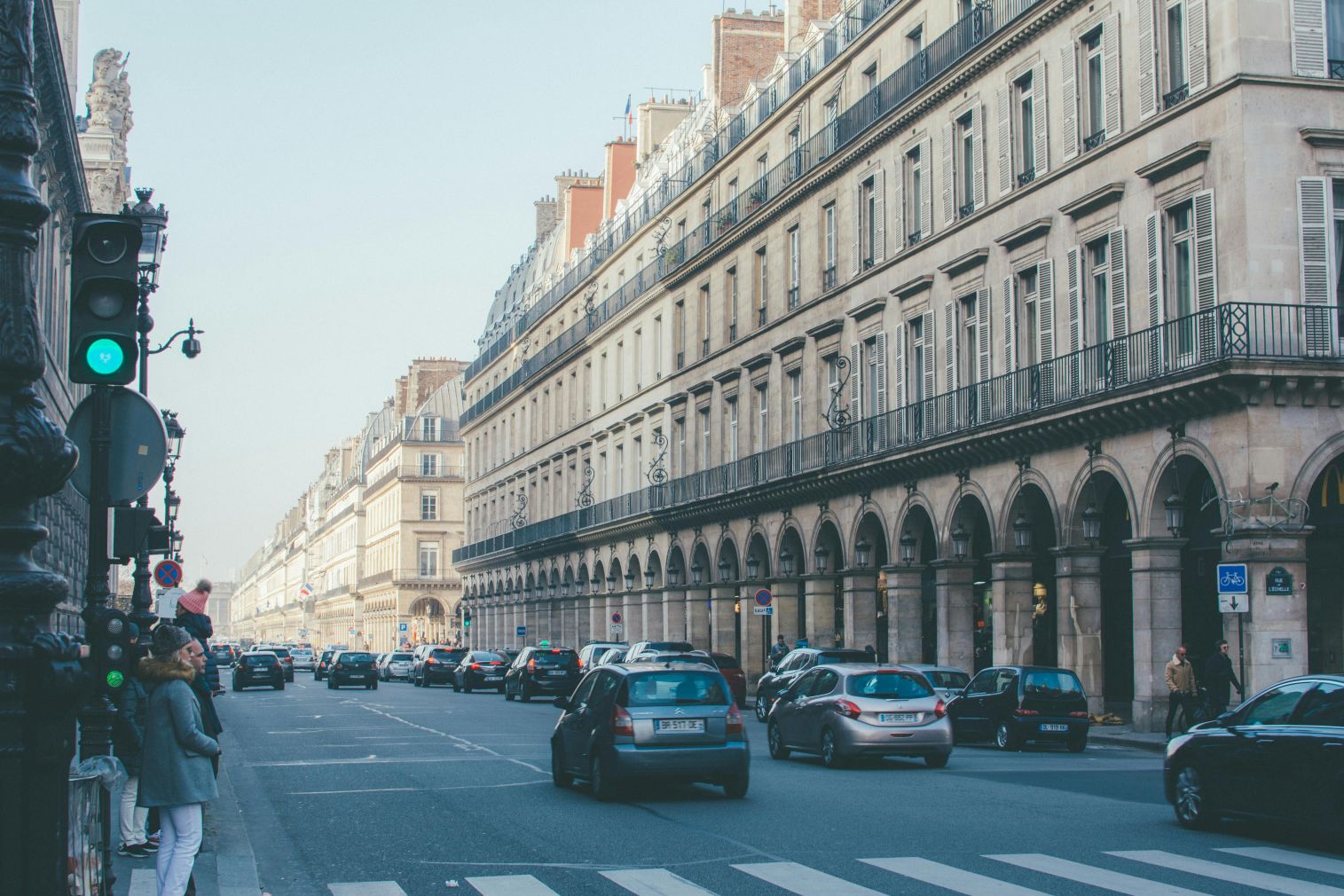
Where you sleep shapes the trip more than any single sight. Right Bank grandeur photographs beautifully, but families do better in walkable, park-adjacent neighborhoods where a melting-down kid is ten minutes from bed. Here's how the family-friendly arrondissements stack up.
| Area (arrondissement) | Feel for families | 2BR rental / night | Best for |
|---|---|---|---|
| Latin Quarter (5th) | Bakery-lined streets, steps from Luxembourg Gardens | €160-€230 | First-timers and most families |
| Le Marais (3rd/4th) | Central, flat, walkable to Notre-Dame and Place des Vosges | €180-€250 | Walk-everywhere trips, older kids |
| Saint-Germain (6th) | Quiet Left Bank, parks and the Musée d'Orsay close by | €200-€280 | Calm evenings, younger kids |
| Montmartre (18th, lower slopes) | Village feel, artsy, but hilly | €140-€200 | Budget trips with school-age kids |
| Near Gare du Nord (10th) | Busy transport hub, thin on green space | €120-€170 | Skip it for young kids |
Sources: 2-bedroom apartment ranges from Booking.com and vacation-rental listings, July 2026. Rates swing with season; book May-August stays early.
The Latin Quarter is the pick for most families. It's walkable, more affordable than the Right Bank, packed with bakeries on Rue Mouffetard, and a two-minute stroll from Luxembourg Gardens. Le Marais wins if you want to walk everywhere; Saint-Germain if you want quiet nights. A 2-bedroom apartment almost always beats a cramped hotel family room here, and a kitchen means cheap breakfasts and a fridge for snacks.
The short version on cost
Full disclosure: airfare and season swing a Paris family budget more than anything on the ground. The good news is the daily costs are gentle : kids under 18 enter national museums free, Luxembourg Gardens and the Tuileries cost nothing, and a picnic from Monoprix feeds four for the price of one cafe lunch. For the full flights-plus-lodging-plus-food breakdown, see our Paris family vacation cost guide. Want your own numbers instead of a range? Run them below.

When to Go: Season by Season, Including Christmas
Paris is a year-round city for families, but crowds, weather, and daylight shift the experience a lot. The shoulder-season sweet spot : late spring and early fall : gives you mild days and shorter lines without August's heat or a January chill.
| Season | Typical weather | Crowds | Family verdict |
|---|---|---|---|
| Spring (Apr-Jun) | 12-22°C, a few showers | Building | Best overall; parks in bloom, book Eiffel tickets early |
| Summer (Jul-Aug) | 20-30°C, warm | Peak | Long lines, but locals leave in August; Tuileries carnival is a hit |
| Fall (Sep-Oct) | 12-20°C, crisp | Easing | The quiet sweet spot; mild, fewer queues, warm bakeries |
| Winter + Christmas (Nov-Dec) | 3-8°C, damp | Moderate | Markets, lights, ice rinks; short days, so pack layers |
Sources: seasonal temperature norms from Météo-France climate normals; crowd patterns from Paris Convention and Visitors Bureau seasonal data, 2026.
Paris with kids at Christmas is its own kind of magic. From late November into early January, markets pop up around La Défense and Saint-Germain, the Champs-Élysées lights up, and outdoor ice rinks appear across the city. Days are short (sunset near 5 pm in December), so plan one indoor anchor a day and keep hats and gloves in the bag. The upside: museums are still free for under-18s, and the summer crush is gone.
Whatever the month, Paris weather turns fast. A light rain jacket and a warm layer per person covers most days, spring through fall. Not sure what to throw in the bag for your exact dates? Build a weather-aware list below.
Getting Around Paris With Kids
The Metro is the fastest and cheapest way around Paris, and it's less intimidating than it looks : numbered, color-coded lines, maps in every station. But families need a few things sorted before the first ride.
First, the honest bit that most guides skip: strollers and the Metro don't mix. Most stations have stairs, not elevators, and the turnstiles are narrow. If your kids are little, bring a one-hand umbrella stroller or, better, a baby carrier for transit days and save the stroller for the parks. Watch belongings on Lines 1 and 4, which run the tourist routes and draw pickpockets: bags zipped and in front, phones in front pockets, kids' hands held in crowded stations.
| Ticket / route | Price | Kid notes |
|---|---|---|
| Navigo Easy weekly pass | ~€30 / person | Unlimited Metro, bus, RER in Paris; best buy for 4+ days |
| Single Metro ticket | ~€2.50 | Under 4 free; ages 4-9 roughly half price |
| RER C to Versailles | ~€7.50 return | About 40 minutes each way; under-4s free |
| RER A to Disneyland Paris | ~€8 each way | About 45 minutes from central Paris |
Sources: fares from Île-de-France Mobilités and RATP, July 2026. Day-trip RER fares fall outside the Navigo Paris zones, so budget those separately.
One more trick: don't underground everything. Paris is a walkable city, and some of the best family routes : the Seine riverbanks, Luxembourg to Notre-Dame, the Tuileries into the Marais : are nicer on foot than below it. Save the Metro for the long hops and rush-hour dodges (skip 8-9:30 am and 5:30-7:30 pm with kids).
Age by Age: What Works From Toddlers to Teens
Paris lands differently depending on your kids' ages. The pillar rule: match the museum-to-park ratio to the youngest child, and everyone has a better day.
Ages 4 to 6: parks over palaces
Little ones want to run, not queue. Luxembourg Gardens (push a €5 model sailboat across the Grand Bassin), the Tuileries playground, and a low-effort Seine boat ride keep this age happy. Skip the Louvre : it's too long and too fragile a day : and cap it at two attractions with a real nap window built in. Jet lag hits small kids hard, so day one should be gentle.
Ages 7 to 10: the sweet spot
This is the golden window. Old enough to walk real distances, young enough to be genuinely awed by the Eiffel Tower and Notre-Dame. The Louvre works as a focused 90-minute hit (download the free family trail PDFs first). A kid-focused guided Louvre tour, the kind rated highly by families on Tripadvisor, turns the galleries into a scavenger hunt for this age. And the Catacombs are a huge win here if your kid can handle the spooky.
Ages 11 to 14: let them lead
Paris starts to click culturally. These kids handle longer museum visits, read the Metro map, and can order their own food in halting French (let them : they'll remember it). Montmartre's artist scene and the Marais street food hold their attention better than white-tablecloth dinners. Hand them a paper map and let them get you from A to B.
Ages 15 to 17: give them slack
Teens get the most from Paris. Art history comes alive at the Musée d'Orsay, and Shakespeare and Company in the Latin Quarter is catnip for readers. Responsible teens can take a supervised solo Metro trip or a half-day of freedom in the safe, walkable Marais with a charged phone. Let them pick one dinner : this is the city to grow a food opinion in.
For the ranked, price-by-price list of what to actually do in the city, see our top 10 things to do in Paris with kids : it covers the Eiffel Tower, the Seine cruise, and the rest with timing and ticket prices.
Day Trips and Things To Do Around Paris
Once the city's big sights are behind you, the best things to do with kids around Paris are a short train ride out. Each of these is a full day, so slot them into a 4-or-more-day trip, not a rushed 3-day sprint.
Versailles is 40 minutes on RER C. The palace can overwhelm young kids, but the gardens, the Grand Canal rowboats, and the musical fountain shows in summer are a genuine all-ages hit. Disneyland Paris sits about 32 km east, 45 minutes on RER A, and it's the easy win for under-12s : one dedicated day beats trying to bolt it onto a city day. For a change of pace, Champagne tours from Paris with kids reach Reims and Épernay by train in about 45 minutes; be honest with yourself, though, since cellar tours and tastings suit teens and parents far more than a restless toddler. Pick a house with gardens or pair it with a picnic.
How Many Days Do You Need in Paris With Kids?
Short answer: 3 to 5 days for the city, 4 to 5 if you want a day trip and real rest. Here's what each length realistically buys a family.
| Length | Realistic with kids | Best for |
|---|---|---|
| 1 day | Eiffel Tower plus a one-hour Seine cruise, and little else | A layover or a Paris-in-a-day add-on |
| 3 days | Add a 90-minute Louvre, Luxembourg Gardens, and Montmartre | A long weekend, most first trips |
| 4 days | Add one day trip: Versailles or Disneyland Paris | Families who want city plus a big-day-out |
| 5-7 days | Add rest days, evenings out, and a second day trip | The pace we recommend; nobody comes home fried |
The most common pacing mistake is cramming a 5-day city into 3 days. Build in a park morning or a slow bakery day and the whole trip improves.
Rather than hardcode a rigid hour-by-hour plan here, map your own days : with real travel times between stops and a family pace : in the builder.
Evenings and Eating Out With Kids
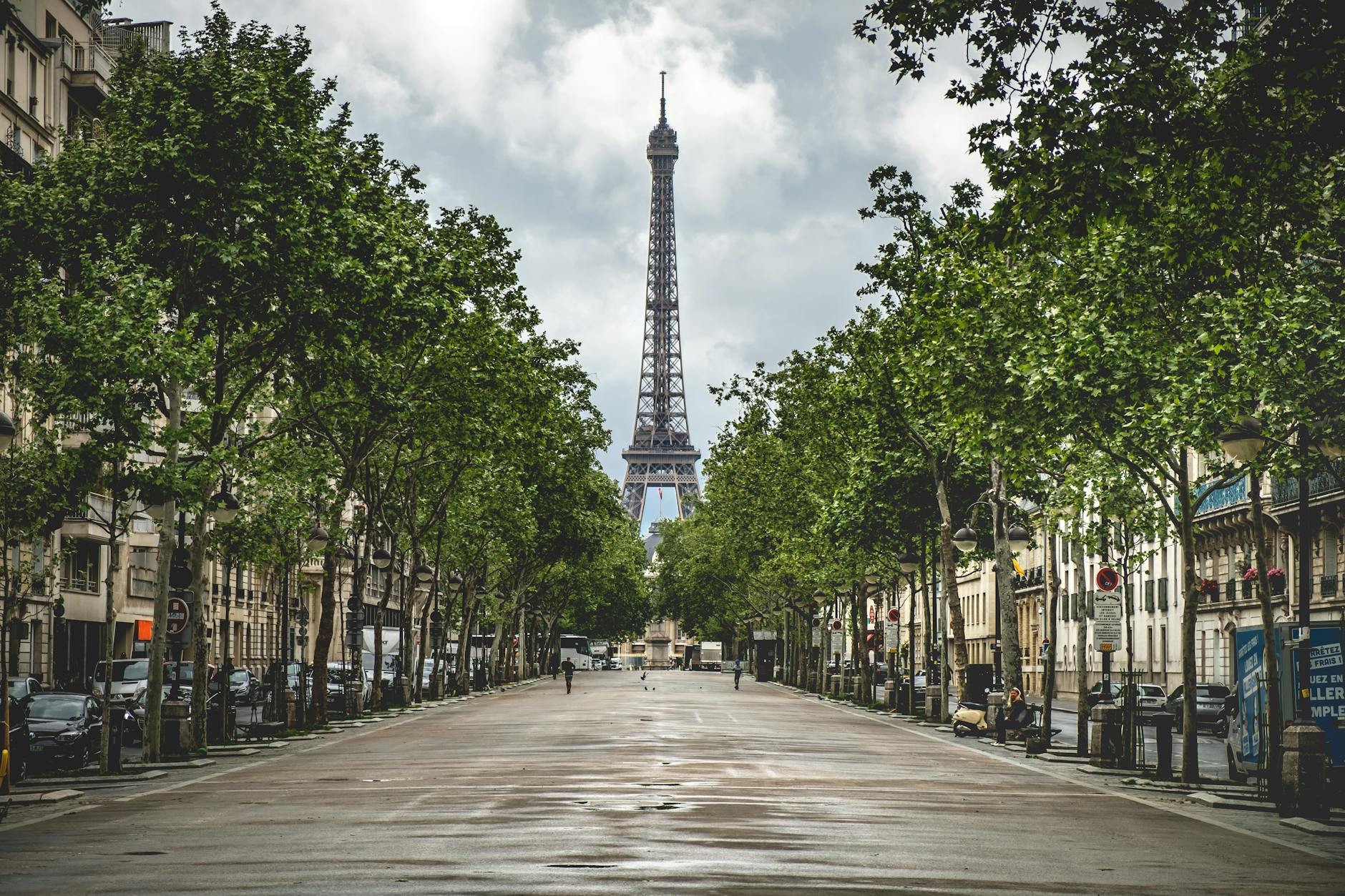
Evenings in Paris with kids go best when you keep them short. The anchor is free: the Eiffel Tower sparkles for five minutes on the hour after dark, and kids find it magical from the Champ de Mars lawn or a Trocadéro perch. An evening one-hour Seine cruise, an ice cream along the Tuileries, or the Aquarium de Paris near Trocadéro on a rainy night all work. Save the late nights for the grown-ups on another trip.
On food, the best places to eat with kids in Paris are casual, not formal. Bistros, crêperies, and bakery-cafes welcome children, most with a plat du jour around €12-€18. Falafel on Rue des Rosiers in the Marais is cheap, fast family fuel, and any Monoprix supermarket turns into a picnic for a fraction of a sit-down bill. One small culture tip that changes everything: greet every shopkeeper and waiter with « Bonjour » before you ask for anything. Skip it and service cools noticeably.
Skip Paris For Now If
The honest Skip-If filter. Paris rewards curiosity over thrills, and it isn't the right first family trip for everyone. Consider waiting a year or two if any of these fit:
- Your kids are under 3 and you can't slow the pace : Metro stairs and museum lines wear little ones out fast.
- You have one day and a long-haul flight, and jet lag will eat most of it. Do a layover-style Eiffel-plus-Seine plan, or wait.
- Your family wants a beach-and-pool reset. Paris is a walking city with almost no swimming.
- Nobody in the group cares about museums, food, or history : the payoff here rewards curiosity, so a theme-park trip may fit better.
- Your budget can't absorb peak-summer airfare and you can't shift to April-June or September.
What Parents Actually Report
In a widely-read trip report on r/ParisTravelGuide, one family that spent five days in the city noted that all kids under 18 get free entry to most museums and monuments, and that they had no trouble getting an 8- and 12-year-old around town. That matches the pattern across parent forums: the families who slow down, base somewhere walkable, and lean on free parks between paid sights come home the happiest.
The Bottom Line on Paris With Kids
Paris is one of the best European cities for families with kids ages 8 and older, thanks to free museum entry for under-18s, walkable neighborhoods, and big parks between the landmarks. Younger kids can love it too, as long as you plan around naps, keep to two attractions a day, and sort the stroller-versus-stairs problem before you arrive.
The whole trip comes down to two calls this guide has hopefully made easier: base in a walkable arrondissement (Latin Quarter for most), and give yourself 3 to 5 unhurried days. Weighing another European capital? Our London vs Paris for families comparison breaks down costs and kid-friendliness side by side. Torn between Paris and Rome instead? Paris usually edges it for kids under 10 on free museums, parks, and shorter distances : Rome pulls ahead for ancient-history-obsessed older kids.
Frequently Asked Questions
Most families need 3 to 5 days in Paris with kids, with 3 days covering the Eiffel Tower, a Seine cruise, a short Louvre visit, and Montmartre at a kid-friendly pace. One day is enough only for the Eiffel Tower and a boat cruise, while 4 to 5 days adds a Versailles or Disneyland Paris day trip and real rest time. Slower always beats packed with children.
The best Paris neighborhoods for families are the Latin Quarter (5th), Le Marais (3rd and 4th), and Saint-Germain (6th), all walkable and close to parks. The Latin Quarter suits most first-timers, with bakeries on Rue Mouffetard and Luxembourg Gardens nearby, and 2-bedroom rentals run about 160 to 250 euros a night. Skip basing young kids near Gare du Nord in the 10th arrondissement.
The Paris Metro is the fastest and cheapest way around the city with kids, and a Navigo Easy card loaded with a weekly pass costs about 30 euros per person for unlimited Metro, bus, and RER rides inside Paris. Kids under 4 ride free and ages 4 to 9 pay half price. Skip full-size strollers, since most stations have stairs rather than elevators.
Paris works best for kids ages 8 and older, with the 7 to 10 range the sweet spot for the Eiffel Tower, Notre-Dame, and a focused 90-minute Louvre visit. Kids 4 to 6 do best with parks and Seine boat rides, capped at two attractions a day. Teens 15 to 17 get the most from the Musee d'Orsay and the Latin Quarter bookshops.
Paris is lovely with kids at Christmas and through winter, with markets, light displays along the Champs-Elysees, and outdoor ice rinks running from late November into early January. Days are short and temperatures sit around 3 to 8 degrees Celsius, so pack warm layers and plan indoor breaks. Museums stay free for under-18s and crowds run far thinner than summer.
The best day trips from Paris with kids are Versailles (40 minutes on RER C), Disneyland Paris (45 minutes on RER A), and the Champagne region around Reims and Epernay by train. Versailles gardens suit all ages, Disneyland is the easy win for under-12s, and Champagne tours from Paris work better for teens and parents than for restless toddlers.
The best places to eat with kids in Paris are casual bistros, creperies, and bakery-cafes rather than formal restaurants, and most welcome children with a plat du jour around 12 to 18 euros. Falafel shops on Rue des Rosiers in the Marais and picnic supplies from any Monoprix keep costs down. Ask for un menu enfant where one is offered.
Evenings in Paris with kids work best kept short and simple, built around the Eiffel Tower sparkle show that runs five minutes on the hour after dark. A one-hour evening Seine cruise, ice cream along the Tuileries, and early bistro dinners near 7 pm suit tired kids well. Skip late nights out, since most family days in Paris already run long on foot.
Paris tends to edge out Rome for families with younger kids, thanks to free museum entry under 18, more parks and playgrounds, and shorter distances between the big sights. Rome wins for kids who love ancient history, with the Colosseum and the Forum bringing gladiators to life. For a first European city trip with kids under 10, Paris is usually the easier pick.
The best free things to do in Paris with kids start with the national museums, which are free for under-18s, plus Luxembourg Gardens, the Tuileries, the Seine riverbanks, and the climb to Sacre-Coeur. Kids under 18 enter the Louvre, Musee d'Orsay, and the Versailles palace free. Watching model sailboats on the Grand Bassin and street artists in Montmartre costs nothing at all.
Data Sources and Methodology
This guide uses verified data from official sources:
- Paris Convention and Visitors Bureau : attractions, seasons, and family resources
- Île-de-France Mobilités : Navigo, Metro, and RER fares
- Météo-France : seasonal climate normals
- Official Eiffel Tower Website : ticket pricing and visiting tips
- Louvre Museum : admission policies and family programs
Last verified: July 2026