Japan Rail Pass with Kids: Is It Worth It in 2026?
Child fares, the free-under-6 rules, and route-by-route math to decide if the JR Pass beats individual tickets for your family
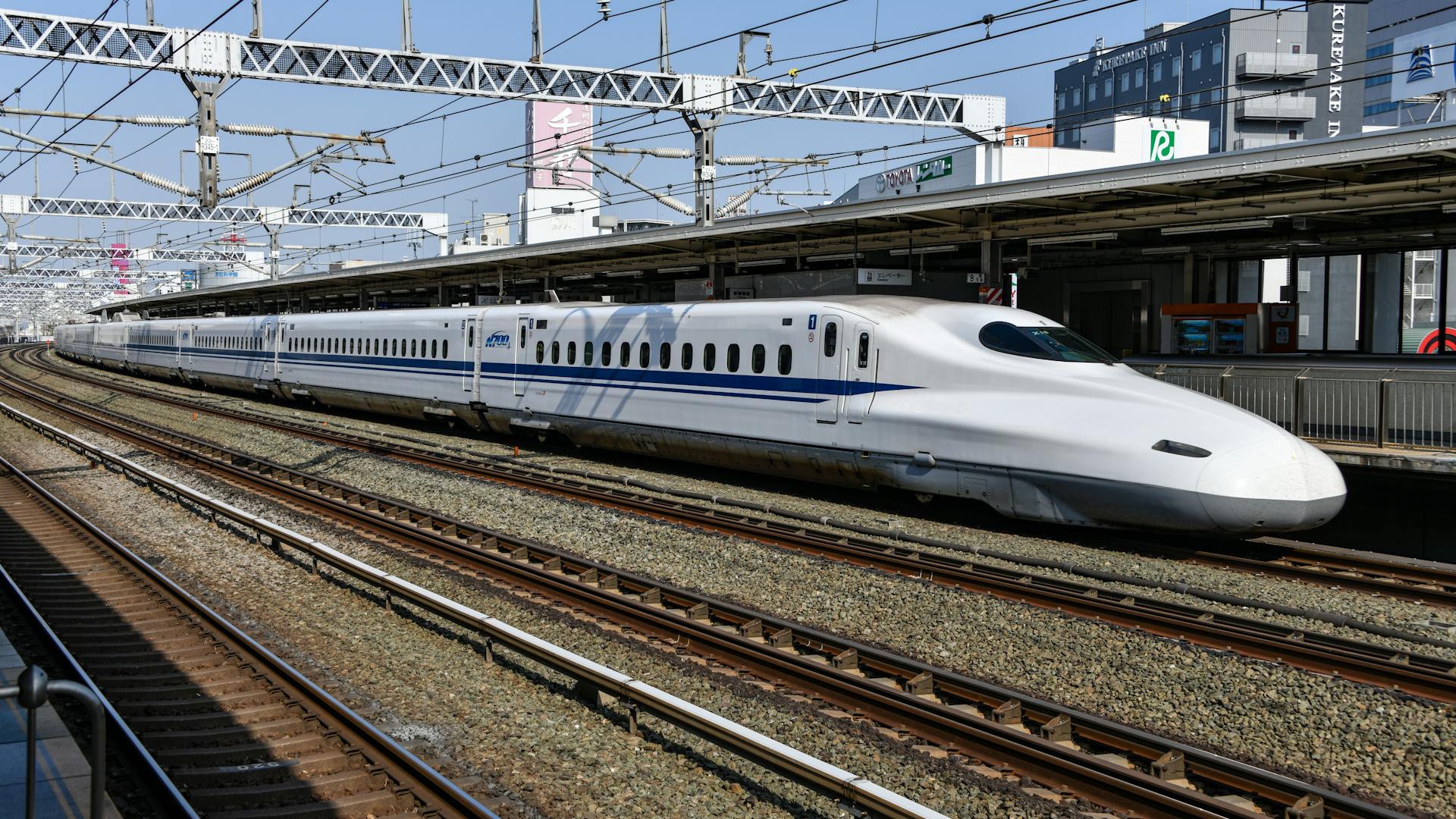
Quick Answer
- A Japan Rail Pass gives kids a real discount: children aged 6 to 11 pay half the adult fare, so a 7-day Ordinary pass costs ¥25,000 for a child versus ¥50,000 for an adult in 2026, and children under 6 ride free on a lap. For most multi-city family trips it beats buying individual Shinkansen tickets.
- 💸 Where families overpay: not the ¥50,000 sticker price everyone anchors on. It's buying child passes for under-6 kids who ride free anyway, or holding a national pass for a trip that never leaves one region. The math below shows exactly where the line sits.
- 💰 Family of four (two adults, two kids 6 to 11) on 7-day Ordinary passes: ¥150,000, about $990. Kids under 6 are free, so a family with little ones pays only the two adult passes.
- 🚆 Break-even: the pass pays off once your planned Shinkansen legs top ¥50,000 per adult in 7 days. One Tokyo to Kyoto round trip alone is ¥26,640.
- 📍 Skip it if you're staying in one region. A single-city trip is cheaper on IC cards or a regional pass, which pairs well with our 10-day Japan family itinerary.
- 🧮 Run your route through our family budget calculator before you buy.
Is the Japan Rail Pass worth it for a family?
Most families decide by staring at the ¥50,000 sticker price and flinching. That's the wrong number to start from. The pass either pays for itself or it doesn't, and that turns entirely on how far you're actually riding, not on how the headline price feels.
Here's the tell most guides bury: one Tokyo to Kyoto round trip on the covered Hikari already runs ¥26,640 per adult (jrpass.com fare calculator, 2026). Add a single second long leg and the average family clears the break-even before touching a local train. Below, we break it down route by route, spell out the child and under-6 rules that trip people up, and flag one price change coming in October 2026 that decides if you buy now or wait.
Japan Rail Pass price for kids in 2026
The JR Pass comes in 7, 14, and 21-day lengths, in Ordinary (standard) and Green Car (first class). Kids aged 6 to 11 pay exactly half the adult price on every version. Here's the full price for tourists, adult and child, side by side.
| Pass length | Adult (Ordinary) | Child 6 to 11 (Ordinary) | Adult (Green) | Child 6 to 11 (Green) |
|---|---|---|---|---|
| 7-day | ¥50,000 | ¥25,000 | ¥70,000 | ¥35,000 |
| 14-day | ¥80,000 | ¥40,000 | ¥110,000 | ¥55,000 |
| 21-day | ¥100,000 | ¥50,000 | ¥140,000 | ¥70,000 |
Sources: japanrailpass.net official price list, 2026. A scheduled increase raises the 7-day Ordinary adult pass to ¥53,000 for overseas purchases from October 1, 2026 (selfguidejapan.com, 2026), so a family buying before that date locks in the lower rate.
What "child" means for the JR Pass
JR counts a child as ages 6 through 11 at the time of travel. Anyone 12 or older buys the adult pass. There's one quirk worth pocketing: if a child is 11 on the online payment date, JR treats them as a child even if they turn 12 before the trip, so a birthday mid-planning doesn't automatically cost you the adult rate.
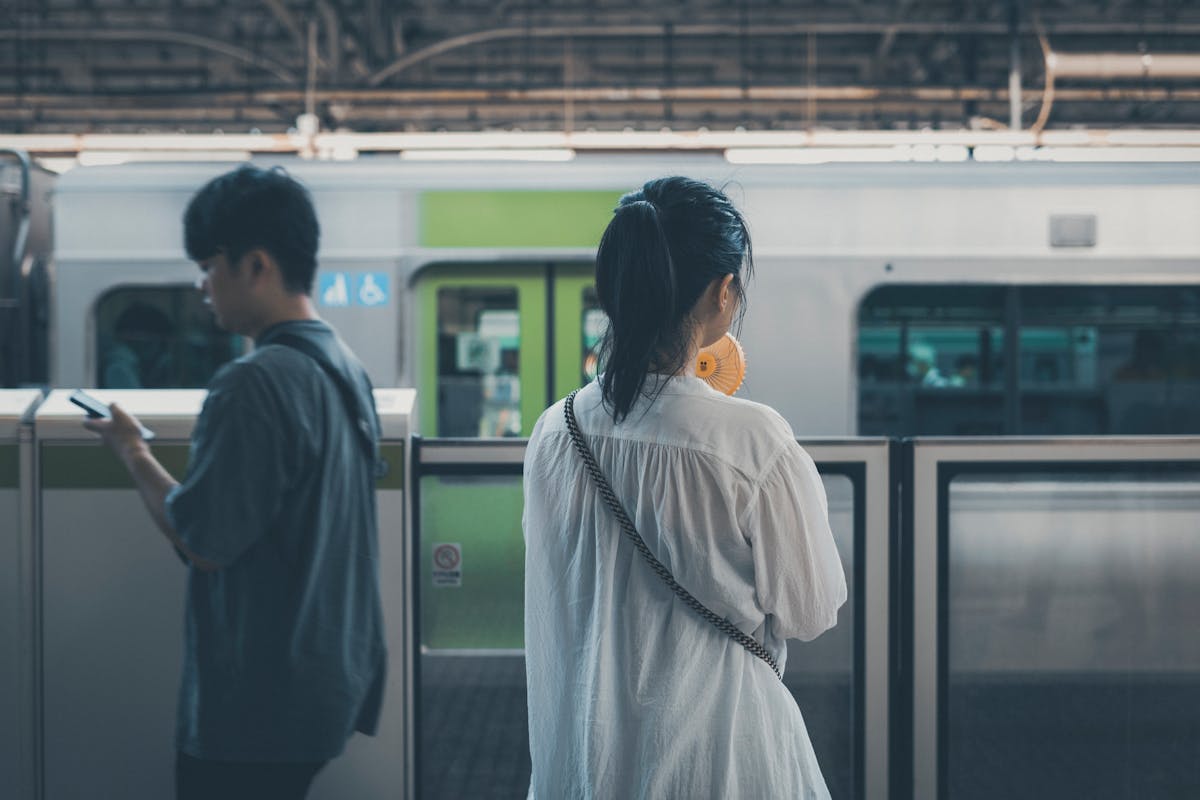
Do kids ride free? The age rules that catch families out
This is the part every parent searches and half the blogs get muddy. So let's be exact about who rides free, who needs a ticket, and where the seat rule bites.
Under 6: free, on a lap
Children under 6 ride every JR train free, the Shinkansen included, as long as they sit on an adult's lap and don't take a reserved seat. Each paying adult can bring up to two under-6 children at no charge. A third little one needs a discounted child ticket. Two adults with three toddlers, for example, cover two free and buy one child fare.
The catch: a free under-6 child has no seat of their own. On a packed Nozomi corridor at rush hour, that means a wriggling three-year-old on your lap for two hours. If you want a guaranteed seat, buy a child ticket (roughly half the adult fare) even though the child could otherwise ride free.
Ages 6 to 11: the child pass
School-age kids pay half. For JR Pass holders that's the child pass at ¥25,000 for 7 days; for point-to-point trips it's a half-price child fare on each leg. Either way, a 6 to 11 year old travels on their own ticket with their own reserved seat, which most families want anyway on long Shinkansen days.
12 and up: full adult
Once a child turns 12 they pay the adult price, full stop (with the 11-at-purchase quirk above as the only softener). For a trip with two teens, that means four adult passes, and the multi-city math has to work harder to pay off.
JR Pass or individual tickets: the family math
The pass only saves money when your individual ticket total would exceed it. So the real question isn't the pass price, it's your route. Here's how the popular family routes stack up against the 7-day Ordinary pass at ¥50,000 per adult.
Tokyo to Kyoto and back
A one-way reserved Hikari from Tokyo to Kyoto is about ¥13,320 per adult, so the round trip is ¥26,640. That single return already eats more than half the pass. Add one more long leg and the pass wins outright.
The classic multi-city loop
Tokyo to Kyoto to Osaka to Hiroshima and back runs roughly ¥40,000 to ¥45,000 per adult in individual tickets. The 7-day pass at ¥50,000 is priced close, but it also folds in unlimited local JR trains, JR buses, and the Miyajima ferry, extras that would tack on another ¥5,000 to ¥8,000 bought separately. For this route, the pass is the call. It's also the route our 10-day Japan family itinerary is built around.
When a family should skip the Japan Rail Pass
Staying mostly in one place? The pass loses. A family spending five days in Tokyo with a day trip to Kamakura or Hakone racks up maybe ¥3,000 in JR fares, nowhere near ¥50,000. Same story if your trip is only Tokyo and Osaka: individual Shinkansen tickets at about ¥27,000 round trip per adult undercut the 7-day pass. In those cases, reach for a regional pass or just tap an IC card. For how rail fits the whole trip budget, see our Japan family vacation cost guide.
The JR Pass is sold only to foreign visitors on temporary-visitor status, which is why it's such a strong deal for tourists and unavailable to residents. Buy it on the official Japan Rail Pass site or check your exact route on the JR Pass fare calculator before you commit.
Regional passes vs the national pass
The nationwide JR Pass isn't the only option, and for a lot of family trips a regional pass is the smarter buy. These cost a fraction of the national pass and cover exactly the area you're actually in.
Regional JR passes worth knowing
JR East Tokyo Wide Pass runs ¥15,000 for 3 days and covers day trips from Tokyo to Nikko, Karuizawa, and Gala Yuzawa for snow. The Kansai Area Pass is ¥2,400 to ¥5,600 for 1 to 4 days across Kyoto, Osaka, Nara, and Kobe. The JR Kyushu Rail Pass runs ¥16,000 to ¥20,000 for 3 to 5 days if you're exploring Fukuoka, Nagasaki, and the hot-spring towns of Beppu and Yufuin. Each carries the same 50% child discount as the national pass.
IC cards for city days
For getting around inside Tokyo, Osaka, or Kyoto, a rechargeable IC card (Suica, Pasmo, or ICOCA) beats fussing with the pass on local trains. Tap in, tap out, and a kids' IC card charges the child fare automatically. IC cards also cover subways, private railways, and buses the JR Pass doesn't touch, which is most of what you ride on a city day.
Choosing between Japan and a nearby alternative for the trip itself? Our Japan vs South Korea family comparison weighs the rail networks and costs side by side.
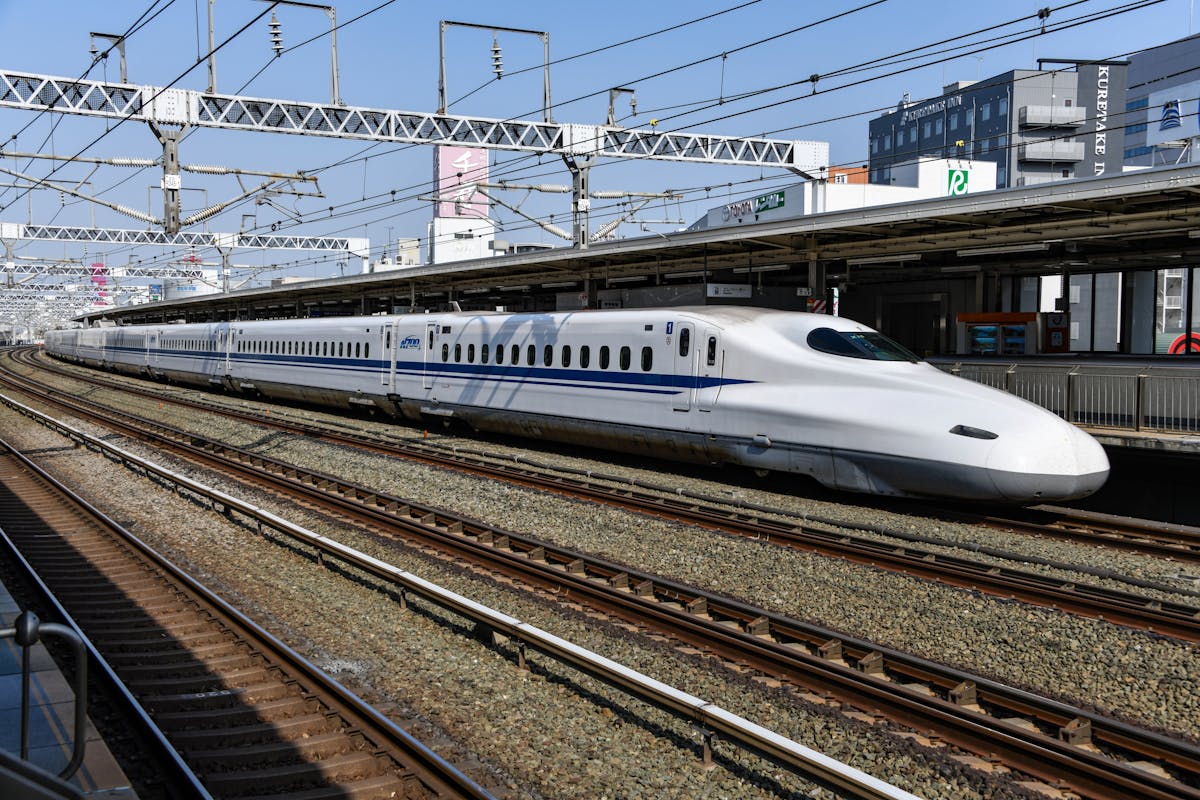
How to activate and reserve seats with kids in tow
Activation is smoother than it used to be, but a couple of steps matter more when you're doing it with kids at a counter.
Activate on the right day, not arrival day
Bring every family member's passport to any JR ticket office (midori-no-madoguchi). Staff verify temporary-visitor status, set your start date, and issue the physical passes. Children aged 6 to 11 must be present with their own passport. You can pick any activation date within 30 days of purchase, so set it to your first long-distance train day. If you land in Tokyo on Monday but don't ride the Shinkansen until Wednesday, start the pass Wednesday and keep the 7-day window over the expensive legs instead of burning two days on city sightseeing.
Reserve seats so the family sits together
After activation, use any ticket machine or counter to reserve seats on your Shinkansen legs. Reservations are free and unlimited with the pass, and for a family that's the whole point: guaranteed adjacent seats instead of gambling on the unreserved cars. During Golden Week, Obon, or New Year, reserve the day before, because unreserved cars fill fast and standing with small kids for two hours is nobody's idea of a bullet-train memory.
Which train the pass covers
The pass covers the Hikari, Sakura, Kodama, and Tsubame, but not the fastest Nozomi and Mizuho without a paid supplement. On Tokyo to Kyoto the covered Hikari takes about 2 hours 40 minutes, only 20 minutes slower than the Nozomi, so families give up almost nothing by staying on covered trains.
Using the pass with strollers, luggage, and tired kids
This is the part the pass-comparison sites skip, and it's where a family trip is actually won or lost. The pass covers the fare; these moves cover the day.
Strollers and oversized bags
Most Shinkansen trains store strollers and big suitcases in the space behind the last row of seats. Reserve that last row when you book (it's free with the pass) and the storage is right at your back. Bags with total dimensions over 160 cm technically require an oversized-baggage seat reservation, so grab those same last-row seats. Better still for a family juggling a stroller and suitcases: ship the heavy bags hotel to hotel with takkyubin luggage forwarding for about ¥2,000 to ¥3,000 per piece, and travel between cities hands-free.
Long rides with young kids
Ekiben, the regional station bento boxes, are a genuine highlight for kids. Buy them on the platform before boarding; each station has its own specialty, which turns lunch into a small adventure. Pack a couple of small toys or a coloring book for any ride over 90 minutes. Cars 11 to 13 on most Tokaido trains tend to be quieter, and some Hikari and Kodama services have a multipurpose room near Car 11 for nursing or settling a meltdown, so ask the conductor if you need it.
Stations and gates
JR Pass holders walk through the staffed gate, not the IC card gate, showing the pass to the attendant each time. Kids find that straightforward, and station staff are patient with families. Every major station has elevators, though reaching them can mean a longer route through the concourse, so leave a few extra minutes when you're moving a stroller between platforms. Parents on Japan travel forums ask the same question over and over, whether the pass is worth it with a toddler who rides free anyway, and the honest answer is that it depends far more on your route than on your kids' ages.
Should your family buy the Japan Rail Pass?
Buy the 7-day Japan Rail Pass when your family will take at least two long-distance Shinkansen legs in one week, and buy child passes only for kids aged 6 to 11, since under-6 kids ride free anyway. On the classic multi-city loop that combination saves a family of four roughly ¥30,000 to ¥50,000 versus individual tickets, and it kills the hassle of buying tickets at every station with restless kids.
Skip it when your trip stays in one city or region, or spreads its Shinkansen days across more than a week; a regional pass or IC cards cost far less. If your route runs 8 to 14 days across multiple regions, the 14-day Ordinary pass (¥80,000 adult) drops the per-day cost enough to be the better value for a Golden Route plus a side trip to Takayama, Kanazawa, or Kyushu.
Still deciding on the shape of the trip? Start with our first-timer guide to Japan with kids, then map it in the 10-day family itinerary, and run the numbers in the budget calculator before you buy any pass.
Frequently Asked Questions
Children aged 6 to 11 need their own child Japan Rail Pass, priced at half the adult fare (¥25,000 for a 7-day Ordinary pass in 2026). Children under 6 do not need a pass and ride free on a parent's lap, while anyone 12 or older buys the full adult pass. A child who is 11 at online purchase keeps the child rate even if they turn 12 before travel.
Children under 6 ride free on all JR trains in Japan, including the Shinkansen, when seated on an adult's lap. Each paying adult can bring up to two under-6 children at no charge, and a third under-6 child needs a child ticket. Children aged 6 to 11 pay a child fare, which is half the adult price on JR services.
A Japan Rail Pass is cheaper than individual tickets once your planned Shinkansen travel tops about ¥50,000 per adult within 7 days, the break-even for the Ordinary pass in 2026. One Tokyo to Kyoto round trip already runs ¥26,640, so two long legs usually favor the pass. For a single-city trip, buying point to point is cheaper.
Yes, children under 6 ride the Shinkansen free when they sit on an adult's lap and do not occupy a reserved seat. Up to two under-6 children travel free per paying adult; a third child needs a child ticket. To guarantee a separate seat for an under-6 child on a busy train, buy a discounted child ticket.
The 5 minute rule refers to Japan's train delay certificates: when a JR train runs 5 minutes or more behind schedule, the railway issues a delay certificate that riders can show to employers or schools. For families, it reflects how tightly Japanese rail runs, so the tight connection times in your plan are ones you can actually trust.
Buy a child Japan Rail Pass for kids aged 6 to 11 only when the adults are buying passes and your trip crosses two or more regions by Shinkansen. Skip it for under-6 kids, who ride free, and for single-region trips, where a regional pass or IC card costs far less than the ¥25,000 child pass.
A 7-day Ordinary Japan Rail Pass costs ¥50,000 per adult and ¥25,000 per child aged 6 to 11 in 2026, so a family of four with two school-age kids pays ¥150,000 (about $990). Children under 6 are free. A scheduled increase raises the adult 7-day pass to ¥53,000 for overseas purchases from October 1, 2026.
Reserve seats in the last row of the car so the space behind them holds your folded stroller and oversized bags at no extra cost, since seat reservations are free with the pass. For a stroller and suitcases at once, many families ship bags hotel to hotel by takkyubin for about ¥2,000 to ¥3,000 per piece.
How We Researched This Guide
Pass pricing comes from the official Japan Rail Pass website and JR Central's children's fare policy. Individual ticket prices were checked with the JR Pass fare calculator and cross-referenced with japan-guide.com. Route figures reflect reserved-seat Hikari fares on the Tokaido Shinkansen as of July 2026; the October 2026 price change is per selfguidejapan.com. All prices are in Japanese yen unless noted.