Japan with Kids: A First-Timer's Decision Guide
The calls every family makes before a first Japan trip : is your family ready, best age to go, how many days, where to base, and which season to pick.
Quick Answer
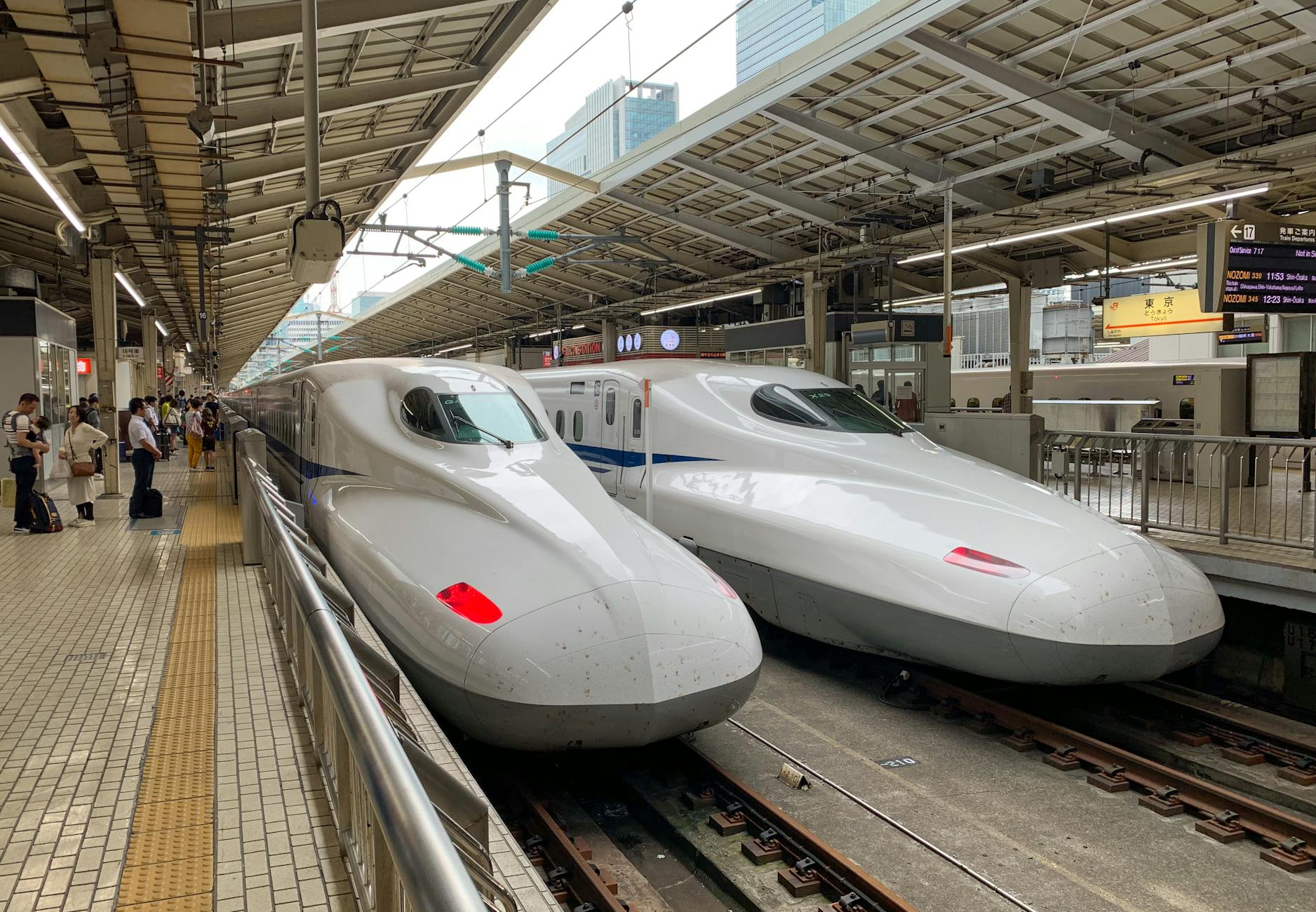
- Japan is one of the best first international trips for families with kids age 4 and up, with the sweet spot at ages 6 to 10. Plan 10 to 14 days on the Tokyo to Kyoto to Osaka Golden Route, visit in spring or fall, and expect about $9,500 for a family of four in 2026.
- 👶 Best age: ages 6 to 10 hit the sweet spot; Japan still works from age 4, and anime-loving teens often rate it their favorite trip. Under 3 means a slower, one-city pace.
- 📅 How many days: block 10 to 14 for the full Golden Route; 7 days means a Tokyo base with day trips. See our Japan 10-day family itinerary.
- 🌸 Best season: late March to April for cherry blossoms, or October to November for mild autumn. Skip humid June to August and Golden Week.
- 🏙️ Where to base: Tokyo first, then Kyoto, then Osaka, in one straight line so you never backtrack.
- 💵 What to know: no tipping, mostly cash at small shops, quiet on trains, and kids under 6 ride trains free.
- 🧮 Map the days with the Visual Itinerary Builder or price your trip with the budget calculator.
Is Japan Right for Your Family? The First-Timer Fit Test
Japan rewards families who match the trip to their kids' ages and stamina, and it punishes the ones who copy a childless couple's two-week sprint. Before you book, run this quick test. Give your family one point for each honest yes.
The First-Timer Fit Test:
- Your youngest child is at least 4 and can walk most of a day (or you'll base in one city and slow the pace right down).
- You can block at least 10 days end to end, or you're happy to stay Tokyo-based for a 7-day trip.
- Your dates dodge the humid June to August stretch and Golden Week in late April to early May.
- You're fine with a mostly cash, quiet-on-trains, no-tipping culture where kids are expected to keep it together in public.
- You'll book Ghibli Museum, Pokemon Cafe, and theme-park tickets weeks ahead instead of walking up.
Score 4-5: go this year. Score 2-3: go, but adjust the pace, dates, or route below. Score 0-1: wait a year, or simplify to a single-city Tokyo trip.
Still weighing Japan against another Asia option? Our Japan vs South Korea for families comparison settles the country question first, so this guide can focus on how to do Japan well once you've picked it.
The First-Timer Decision Grid: 6 Calls Every Family Makes
Here's the whole trip boiled down to six decisions, each with the pick we'd make for a first-time family and the reason behind it. Read the table, make your six calls, and you've got the skeleton of your trip.
| The decision | If your family is... | Our call | Why |
|---|---|---|---|
| Right year to go? | Youngest is 4+ and walks full days | Go this year | Ages 6 to 10 are the sweet spot; wait only if your youngest is under 3. |
| How many days? | First trip, wants Tokyo, Kyoto, and Osaka | 10 to 14 days | 7 days works only as a Tokyo base with day trips (see the 10-day itinerary). |
| Where to base? | First-timers, no repeat visits yet | Tokyo, then Kyoto, then Osaka | The Golden Route runs in a straight line, so kids never backtrack. |
| Best season? | Dates are flexible | Late Oct to Nov or late March to April | 55 to 70°F and lighter crowds; dodge summer humidity and Golden Week. |
| Rail pass or single tickets? | Just the Golden Route | Single Shinkansen tickets | A pass pays off only past 3 long rides (see the rail pass guide). |
| Budget to plan for? | Family of 4, about 10 days | ~$9,500 to $10,500 | Flights are the swing cost (full Japan family cost breakdown). |
Notice how five of the six calls point the same way for a first trip: go now if the ages fit, keep it to the Golden Route, and let dates do the heavy lifting. The rail-pass and budget rows lean on our deeper guides so this page can stay focused on the decisions themselves.
Best Age to Take Kids to Japan
The single most-searched decision for first-timers is age, and the honest answer is that Japan works across a wide range but shines from about 6 to 10. That's when kids have the legs for train days, the curiosity for a temple in small doses, and the memory to hold onto the trip for years. Here's how to play it by age.
Do this if your kids are 2 to 4 (Japan with young kids)
Base in Tokyo and stay put. Toddlers under 3 turn multi-city travel into a nap-chasing slog, so trade the Golden Route for one home base and day trips. Tokyo Disney and the Nara-style deer feeding are toddler gold; temples buy you 15 minutes, tops. The upside: kids under 6 ride trains free and most sights are cheap or free at this age.
Do this if your kids are 5 to 10 (the sweet spot)
Run the full Tokyo to Kyoto to Osaka route at a comfortable pace. This age has the stamina for bullet trains and the wonder for deer parks, bamboo groves, and Super Nintendo World. The winning rhythm is one cultural stop plus one pure-fun stop per day, so nobody hits a wall by mid-afternoon.
Do this if your kids are 11 to 17 (tweens and teens)
Lean into what teens already care about: Akihabara for anime and games, Pokemon Centers, Harajuku street fashion, and food halls where they order for themselves. Japan is safe enough to hand older teens real independence for an afternoon, which for many families is the moment the trip clicks.
So what's the best age to take a child to Japan? If you can pick, aim for 6 to 10. If your kids fall outside that window, the trip still works; you just move the dial on pace and route using the cards above.
How Many Days You Need: 7 vs 10 vs 14
Trip length is where first-timers most often overreach. The urge to see everything on one flight is strong, and it's exactly what wears kids down. Match the day count to your appetite for movement.
- 7 days : Base in Tokyo, add a Nara or Hakone day trip, and skip the Kyoto and Osaka hotel changes. This is the honest answer to the popular "Japan family trip itinerary 7 days" search: one city, done well.
- 10 days : The Golden Route at a real pace. Tokyo for 5 to 6 days, Kyoto for 3, Osaka for 2, with a rest day worked in. This is the length most first-time families land on.
- 14 days : The same route with breathing room, plus one add-on like Hiroshima and Miyajima or a ryokan night in Hakone.
Whatever the length, borrow the rule parents repeat across forums: one rest day for every two to three active days. Our Japan 10-day family itinerary and the "Japan family trip itinerary 10 days" plan both build that rest in, so you're not the one improvising a recovery afternoon at hour 40.
Where to Base: Best Cities for a First Family Trip
For a first visit, the best cities to visit in Japan with kids are the same three nearly every family lands on, and that's a feature, not a lack of imagination. The Golden Route lines them up geographically so each hop is a short, forward-only bullet-train ride. Here's what each base actually delivers for kids.
- Tokyo (5 to 6 days) : The theme-park and big-city base. Tokyo Disney and DisneySea, the free Senso-ji Temple, the Ghibli Museum, and TeamLab digital art cover the "things to do in Japan with kids Tokyo" list in one city.
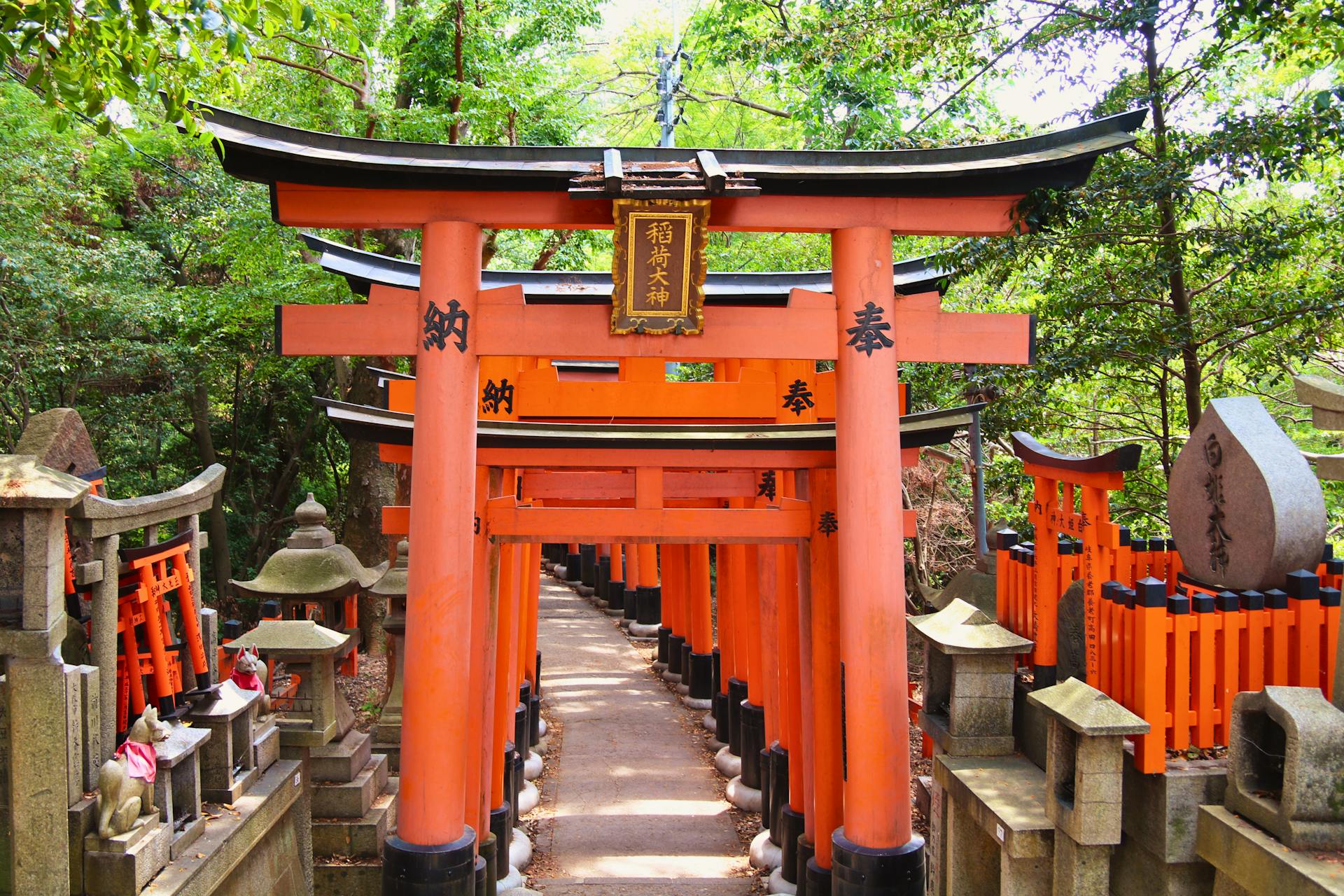
- Kyoto (3 to 4 days) : The traditional base. The Fushimi Inari torii gates read like an adventure trail to kids, and a 45-minute train reaches the bowing deer of Nara Park, the most-cited kid highlight in parent trip reports.
- Osaka (2 to 3 days) : The food-and-fun base. Universal Studios Japan with Super Nintendo World, plus Dotonbori street food, make it the relaxed finish to the route.
You don't have to reinvent this on trip one. For the exact day-by-day split across the three, the 10-day family itinerary lays out which sights land on which day so the cultural and the fun stay balanced.
Best Season to Visit Japan with Kids
Season shifts a Japan trip more than most destinations. The wrong months won't ruin it, but the right ones turn it into the trip kids describe for years. Here's the family verdict by season.
| Season | Months | Weather | Family verdict |
|---|---|---|---|
| Spring | Late March to May | 55-70°F, mild | Best for a first trip. Cherry blossoms, but book months out. |
| Summer | June to August | 80-95°F, humid | Hardest with kids. Heat and humidity drain them fast. |
| Fall | October to November | 55-70°F, crisp | The smart pick. Autumn colors, thinner crowds, easy pacing. |
| Winter | December to February | 35-50°F, dry | Doable and cheaper. Illuminations, fewer crowds, pack layers. |
Between the two best seasons, fall edges spring for a first family trip. You get near-identical temperatures, autumn maples that rival cherry blossoms in Kyoto, and hotel rates that haven't jumped the 20 to 30 percent that peak sakura season commands. Spring is still worth the premium if blossoms are the dream.
🎗 Avoid Golden Week, late April to early May. It's Japan's biggest domestic holiday stretch, when hotels sell out, bullet trains fill to standing room, and attraction waits double. If your spring break overlaps it, shift your dates or brace for the crowds.

What First-Timers Should Know: Etiquette and Doability
Once the big four decisions are set, the rest of Japan is easier than parents expect. The country ranks in the top 10 on the Global Peace Index, trains reach every major sight, and konbini stores sell fresh onigiri and bento that fussy eaters actually finish. The learning curve is cultural, not logistical.
A few things catch first-time families off guard, and knowing them ahead smooths the trip:
- Cash still rules at small restaurants, shrines, and markets, even as cards spread in cities.
- Public trash cans are rare, so pack a small bag for wrappers until you reach a konbini.
- Trains run quiet. Phone calls are a no, and loud kids draw gentle looks.
- Tipping doesn't exist anywhere, which quietly trims your daily spend.
- Allergy cards printed in Japanese make restaurant meals far less stressful.
On r/JapanTravel, parents planning a first trip with a 3- and 5-year-old kept circling the same advice: build in one rest day for every two to three active days, or the whole family falls apart by day five.
Paraphrased from parent discussions on r/JapanTravelThat "Japan with kids Reddit" wisdom is the throughline of this guide. First-timers don't get tripped up by the trains or the language; they get tripped up by pace. Nail the six decisions above, keep a rest day in the tank, and Japan turns out to be one of the calmest big trips a family can take.
The Bottom Line
For a first trip, Japan is one of the best family destinations in the world for kids age 4 and up, and the whole decision comes down to five calls: go once your youngest is 4-plus (6 to 10 is ideal), block 10 to 14 days, base along the Tokyo to Kyoto to Osaka line, travel in spring or fall, and book the big-ticket experiences weeks ahead.
Get those right and the hard part is over. The trains, the food, and the safety all work in your favor, so the only real risk left is trying to cram too much into too few days. Keep a rest day for every two or three active ones, and let the deeper guides handle the rail-pass math and the full budget.
First-timers who plan the decisions, not just the sights, come home saying the same thing: it was easier than they feared and better than they hoped. Start with the six calls above, then map the days when you're ready.
Frequently Asked Questions
The best age to take a child to Japan is 6 to 10, when kids can walk full days, ride bullet trains, and remember the trip. Japan still works well from age 4 and up, and teens who love anime, gaming, or food rate it their favorite trip. Under 3 is doable but slower, so many families base in one city.
Yes, Japan is one of the easiest first international trips for families with young kids, thanks to low crime, spotless trains that run on time, and baby-changing stations in most stations and malls. Toddlers under 3 need a slower pace and fewer cities, so many parents base in Tokyo and skip long transfers between the big three cities.
A first family trip to Japan needs 10 to 14 days to cover Tokyo, Kyoto, and Osaka without rushing. With only 7 days, base in Tokyo and take day trips instead of dragging kids between three cities by bullet train. Our Japan 10-day family itinerary maps a tested day-by-day pace with rest built in.
The best cities to visit in Japan with kids are Tokyo, Kyoto, and Osaka, the standard first-timer Golden Route. Tokyo delivers theme parks and the free Senso-ji Temple, Kyoto brings the Fushimi Inari torii gates and a Nara deer day trip, and Osaka adds Universal Studios Japan plus Dotonbori street food.
The best time to visit Japan with kids is spring, late March to April, for cherry blossoms, or fall, October to November, for mild weather and autumn colors. Both seasons run about 55 to 70 degrees Fahrenheit. Skip humid June to August, and avoid Golden Week in late April when trains and hotels sell out.
Japan is one of the easiest countries to travel with kids, even for first-timers. Trains reach every major sight, English signage is common in cities, konbini stores sell cheap fresh meals kids actually eat, and the country ranks in the top 10 on the Global Peace Index for safety. The main challenge is pacing, not logistics.
On Reddit and family-travel forums, parents most often advise one rest day for every two to three active days so kids do not melt down after day five. They rank the Nara deer, bullet trains, and TeamLab digital museums as top kid hits, and recommend shipping luggage between hotels so the family travels light.
First-time families should know Japan runs on cash at many small shops, has almost no public trash cans, and expects quiet on trains. Tipping does not exist. Strollers fit most stations by elevator, allergy cards printed in Japanese help at restaurants, and kids under 6 ride trains free when they do not take a reserved seat.
Data Sources and Methodology
This decision guide draws on official tourism data, verified pricing, and parent trip reports:
- Japan National Tourism Organization (JNTO) : seasonal timing and family travel guidance
- Japan Guide: Traveling with Children : family logistics and age considerations
- Tokyo Disney Resort Official : ticket booking windows
- Google Flights and Booking.com : flight and hotel pricing (July 2026 searches)
- Parent trip reports from r/JapanTravel and r/JapanTravelTips
Last verified: July 2026. Pricing and seasonal ranges change; confirm current dates and rates against the named sources before booking.