Rocky Mountain vs Glacier National Park for Families: Complete Comparison (2026)
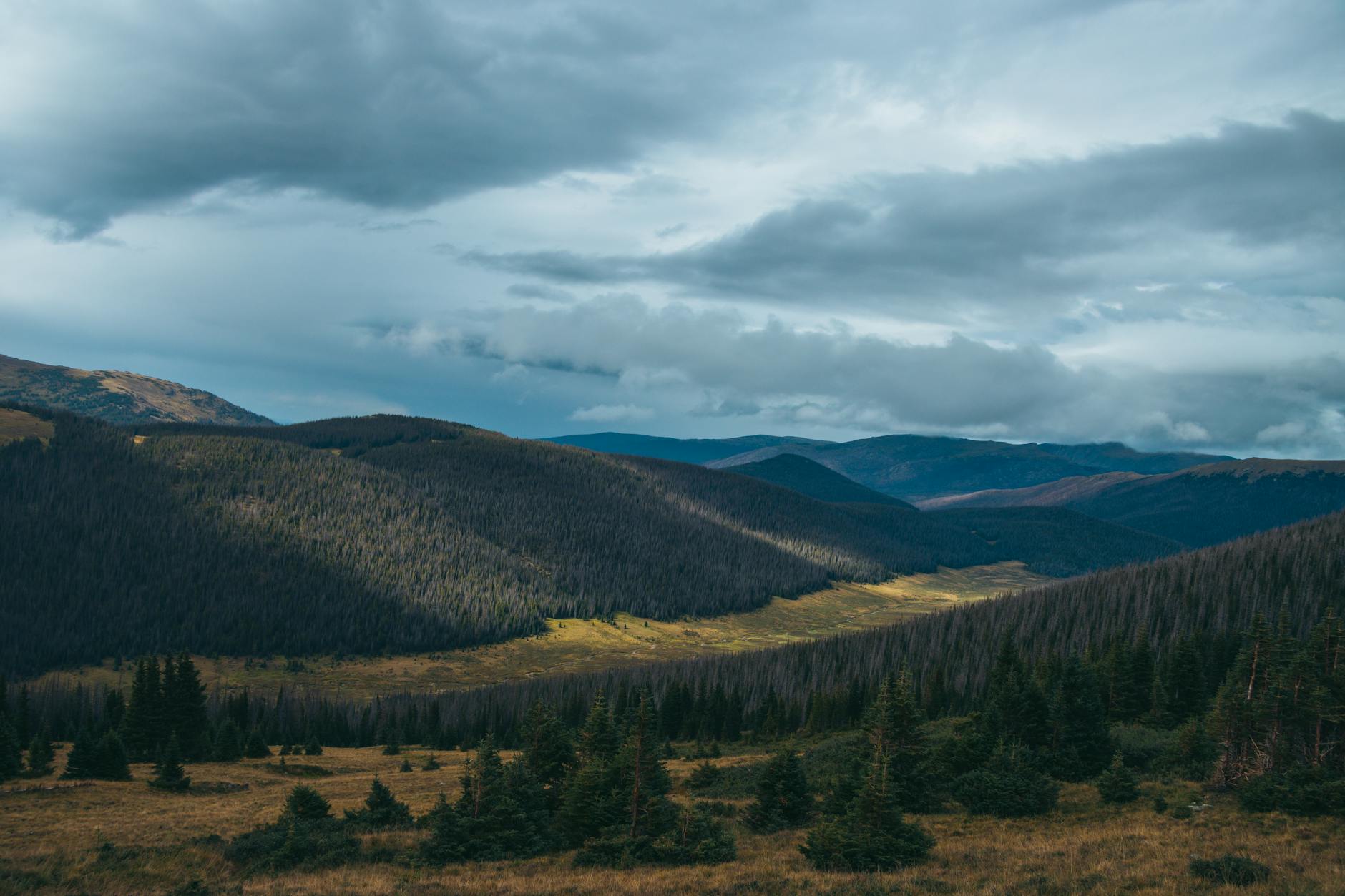
Quick Answer: Rocky Mountain vs Glacier
Both parks are stunning, but they're surprisingly different trips. Here's the short version:
- Best for young kids (under 6): Rocky Mountain — more stroller-friendly trails and easier logistics from Denver
- Best for wildlife-obsessed kids: Glacier — mountain goats, bighorn sheep, and grizzly bear sightings are far more common
- Budget pick: Rocky Mountain saves most families $800-$1,500 per trip thanks to cheaper flights and lodging
- Scenic drives: Both parks have iconic roads — Trail Ridge Road and Going-to-the-Sun Road are equally jaw-dropping
- Easier logistics: Rocky Mountain is just 90 minutes from Denver International Airport; Glacier requires flying into smaller Kalispell (FCA)
- 2026 reservation update: Rocky Mountain still requires timed entry permits; Glacier dropped its park-wide vehicle reservation system
The deciding factor: Rocky Mountain works better for most families because it's cheaper and more accessible. But if your kids are old enough for moderate hikes and your family prioritizes dramatic scenery and wildlife encounters, Glacier is hard to beat.
Side-by-Side Comparison
Here's how the two parks stack up across the categories that matter most to families planning a summer trip.
| Category | Rocky Mountain | Glacier | Edge |
|---|---|---|---|
| Park entrance (7-day vehicle) | $35 | $35 | Tie |
| Nearest major airport | Denver (DEN) — 90 min drive | Kalispell (FCA) — 30 min drive | Depends on origin city |
| Average flight cost (family of 4) | Lower — Denver is a major hub | Higher — fewer carriers serve Kalispell | Edge: Rocky Mountain |
| Mid-range lodging per night | $150-$250 (Estes Park) | $300-$430 (Whitefish area) | Edge: Rocky Mountain |
| Stroller-friendly trails | Several (Sprague Lake, Lily Lake, Coyote Valley) | Limited (Trail of the Cedars boardwalk) | Edge: Rocky Mountain |
| Wildlife variety | Elk herds, marmots, occasional moose | Mountain goats, bighorn sheep, grizzlies, moose | Edge: Glacier |
| Iconic scenic drive | Trail Ridge Road (48 miles) | Going-to-the-Sun Road (50 miles) | Tie — both spectacular |
| 2026 reservations needed? | Yes — timed entry permits (peak season) | No park-wide reservations (3hr Logan Pass limit) | Edge: Glacier |
| Junior Ranger program | Yes — booklet at visitor centers | Yes — gold badge reward | Tie |
| Annual visitors | ~4.5 million | ~3 million | Edge: Glacier (less crowded) |
True Cost Comparison
Rocky Mountain is the clear budget winner, and it isn't particularly close. The savings come from two big areas: flights and lodging.
Getting There
Denver International Airport (DEN) is one of the busiest hubs in the country, which means competitive airfare from just about anywhere — typically $200-$400 per person round trip. Kalispell's Glacier Park International (FCA) is smaller with fewer carriers, so expect to pay $50-$150 more per person. Direct flights to Kalispell are harder to find outside summer.
The drive from Denver to Estes Park takes about 90 minutes. Kalispell to Glacier's west entrance is only 30 minutes — but the flight savings at Denver usually outweigh that advantage.
Where to Stay
Estes Park has a wide range of family lodging starting around $130/night for basic options and averaging $180-$220/night for mid-range hotels and cabins. Budget travelers can drop even lower by staying in Loveland (45 minutes from the park) where rates start near $100/night.
Glacier's lodging is tighter. Whitefish is the most popular family base, but mid-range hotels average $300-$430/night in summer. The historic lodges inside the park (like Many Glacier Hotel) book up a year in advance at $350+ per night.
Total Trip Cost Estimate (Family of 4, 7 Nights)
| Expense | Rocky Mountain | Glacier |
|---|---|---|
| Flights (4 round-trip) | $1,200-$1,600 | $1,600-$2,200 |
| Lodging (7 nights) | $1,260-$1,540 | $2,100-$3,000 |
| Park entrance | $35 | $35 |
| Rental car (7 days) | $350-$500 | $400-$600 |
| Food & dining | $700-$1,000 | $700-$1,000 |
| Estimated total | $3,500-$4,700 | $4,800-$6,800 |
That's a real difference. For families watching their budget, the $1,000-$2,000 gap between the two parks could fund a second long weekend trip somewhere else.
Kid-Friendly Trails and Hikes
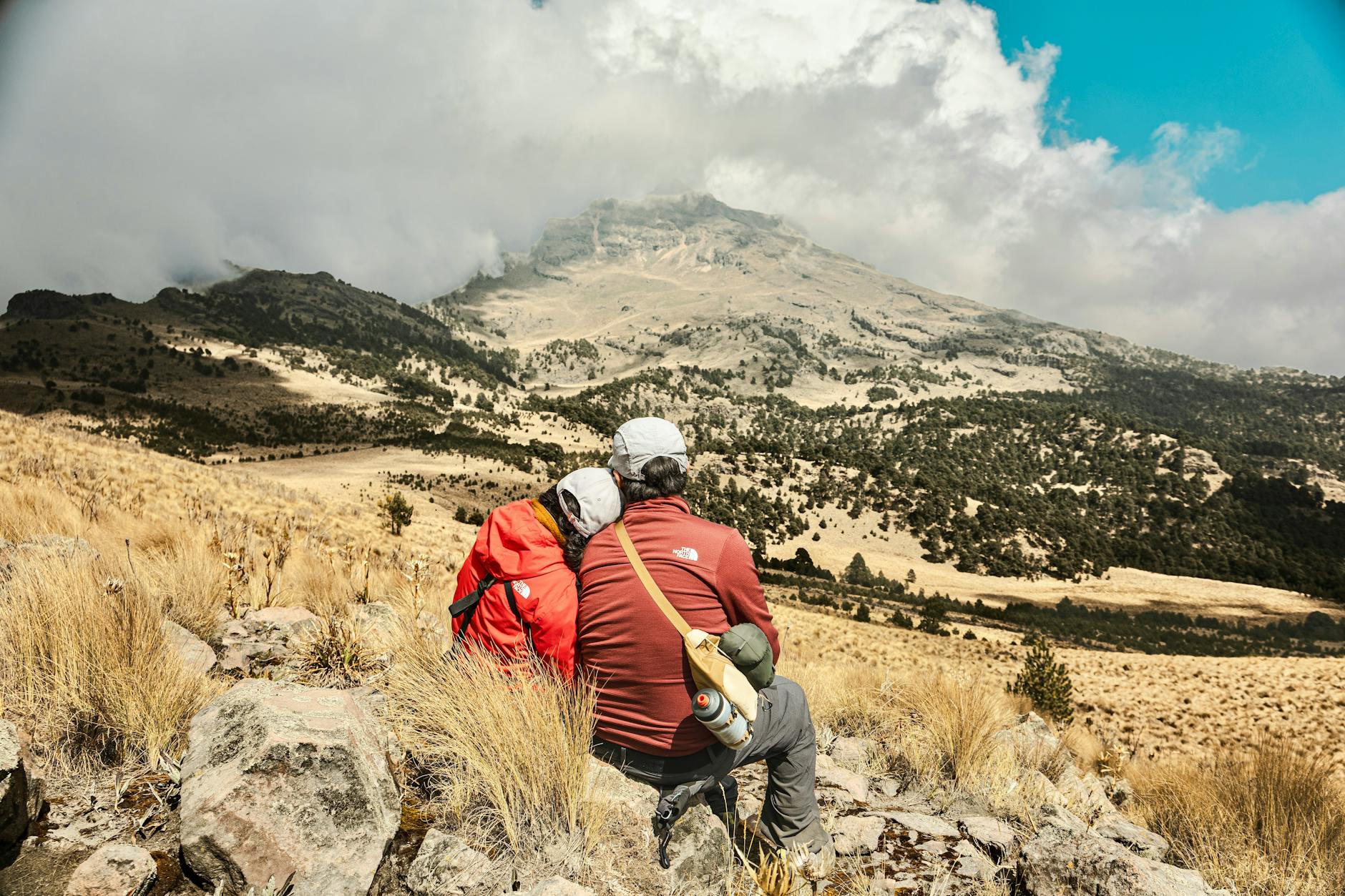
How old are your kids? That question matters more than anything else when comparing trails at these two parks. Rocky Mountain has a deeper bench of easy, accessible hikes. Glacier's trails trend more rugged — but the payoff for families with older kids is enormous.
Rocky Mountain: Best Trails for Families
Sprague Lake Loop (0.8 miles, flat) is the go-to for families with toddlers and strollers. The packed-dirt path wraps around a beautiful lake with mountain reflections, and it's one of the best spots in the park to see moose. Lily Lake is another flat 0.8-mile loop with wildflowers in summer.
For kids ages 5-10, Alberta Falls (1.6 miles round trip, 200 feet elevation gain) hits the sweet spot. The trail follows St. Vrain Creek through a forest, ending at an impressive waterfall. Parents who've hiked it consistently say kids stay engaged the whole way. Start by 8am to beat the crowds.
Dream Lake (2.2 miles, 450 feet gain) is a step up that works well for active 7-12 year olds. Keep going another half mile to Emerald Lake if your crew has the energy — the payoff is one of the prettiest alpine lakes in Colorado.
Glacier: Best Trails for Families
Trail of the Cedars is Glacier's answer to stroller-friendly hikes. This short boardwalk loops through an ancient cedar forest and it feels like stepping into another world. Young kids love the massive trees and the small waterfall at the end.
Hidden Lake Overlook (2.7 miles round trip from Logan Pass) is the trail that converts kids into nature lovers. It's moderate but the wildlife viewing alone justifies the effort — families regularly spot mountain goats grazing right next to the trail, plus bighorn sheep, marmots, and occasionally bears in the distance. One family travel blog described spotting five bighorn sheep and three mountain goats in a single 2.5-hour hike there.
Running Eagle Falls at Two Medicine is another solid pick for younger kids. It's short, the waterfall is dramatic, and the Two Medicine area tends to be less crowded than Logan Pass.
Wildlife Viewing
If wildlife tops your family's priority list, Glacier pulls ahead clearly. It's not that Rocky Mountain lacks animals — but the variety and visibility at Glacier are on another level.
Glacier is home to grizzly bears, black bears, mountain goats, bighorn sheep, moose, and wolves. The mountain goats around Logan Pass are remarkably unbothered by hikers (don't approach them, obviously). Early mornings give the best bear sighting chances, and the Many Glacier area is one of the top wildlife corridors in the lower 48.
Rocky Mountain's star attraction is elk. During September and October, hundreds gather in meadows around Estes Park for the fall rut — kids find the bugling sounds unforgettable. You'll also see marmots above treeline and occasional moose, but bears and mountain goats are rare.
Scenic Drives
Both parks claim an iconic mountain road. Honestly, you can't go wrong with either one.
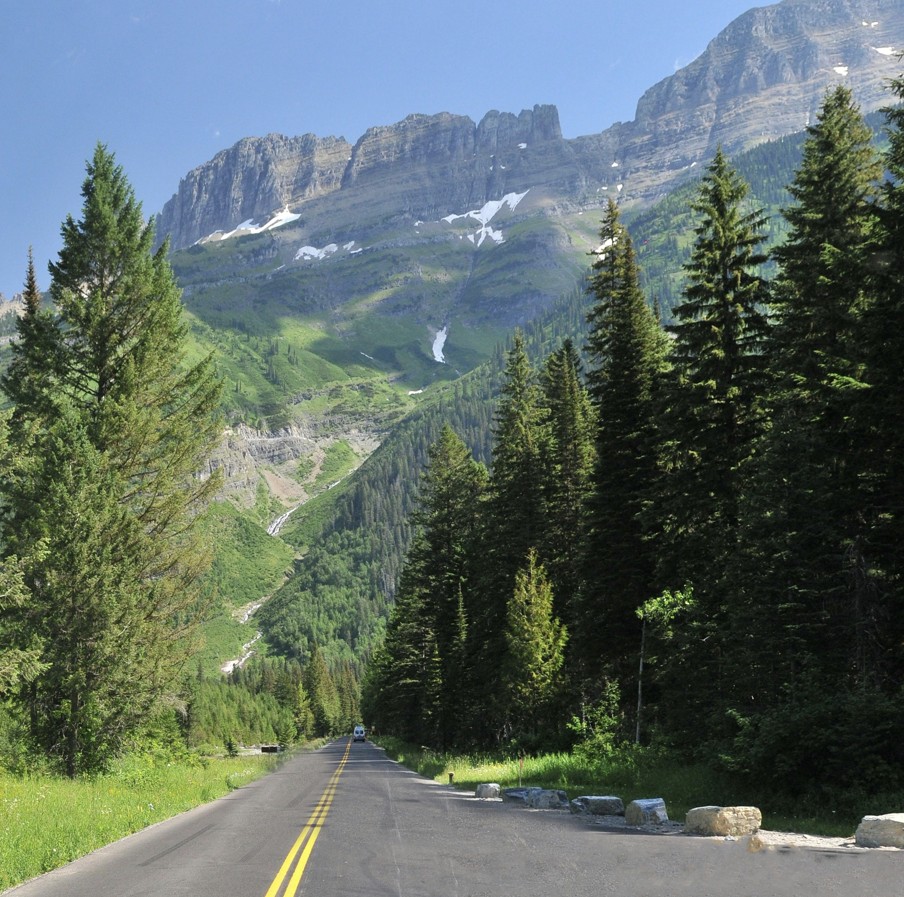
Going-to-the-Sun Road (50 miles, Glacier) climbs through cedar forests, past waterfalls, and over Logan Pass at 6,646 feet with sheer cliff faces on one side and massive valleys on the other. It usually opens fully by late June or early July. Fair warning: it's narrow, there are no guardrails in spots, and white-knuckle moments are part of the deal. Kids think it's thrilling. Some parents... less so.
Trail Ridge Road (48 miles, Rocky Mountain) tops out at over 12,000 feet — the highest continuously paved road in any national park. Alpine tundra stretches in every direction with snow-capped peaks on the horizon. It typically opens by late May, giving families an earlier summer window, and parking is less chaotic than Glacier's Logan Pass.
Logistics and Reservations for 2026
This is where the two parks diverge significantly in 2026.
Rocky Mountain: Timed Entry Still Required
Rocky Mountain continues its timed entry permit system for 2026. From late May through mid-October, you'll need a reservation to enter the Bear Lake Road Corridor between 5am and 6pm, and for the rest of the park between 9am and 2pm. Permits are free (on top of your entrance fee) and released on recreation.gov. They go fast for popular time slots, so set a reminder when booking opens.
The upside? Once you're in the system, it's manageable. And the permits have genuinely reduced the worst of the overcrowding that used to plague Bear Lake trailheads.
Glacier: No Park-Wide Reservations (But There's a Catch)
Good news: Glacier suspended its park-wide vehicle reservation requirement for 2026. You won't need to book a reservation just to drive into the park.
The catch? Logan Pass — the most popular stop on Going-to-the-Sun Road — now enforces a strict three-hour parking limit. And the park will still actively manage congestion on Going-to-the-Sun Road, including temporary vehicle diversions when safety thresholds are reached. Translation: show up by 8am or be prepared to wait.
What Parents Say
Parent experiences on travel forums paint a consistent picture: Rocky Mountain is the easier trip, Glacier is the more memorable one.
One parent on TripAdvisor noted that their family visited both parks in the same year and found Rocky Mountain much easier logistically — cheaper flights into Denver, quick rental car pickup, and a straightforward 90-minute drive to Estes Park. They found solid lodging for around $180/night compared to $300+ near Glacier.
On family travel blogs, a common theme with Glacier is the wildlife factor. One family described the Hidden Lake Overlook trail as a highlight of their entire summer — they spotted five bighorn sheep, three mountain goats, and several marmots over a 2.5-hour hike. That kind of encounter doesn't happen at Rocky Mountain.
"Alberta Falls was perfect for our 6 and 8 year old. The trail follows a creek the whole way and the waterfall at the end was a great reward. We started at 8am and had the trail mostly to ourselves."
— via a TripAdvisor trip report on Rocky Mountain NP
Parents planning Glacier trips consistently mention one frustration: the driving distances. Glacier is a much larger park than Rocky Mountain, and getting from one section to another (say, Lake McDonald to Many Glacier) can take two hours or more. With young kids in car seats, that adds up fast.
Decision Framework: Which Park Fits Your Family?
Still stuck? Here's a scenario-based breakdown:
Choose Rocky Mountain if...
- Your kids are under 6 and you need stroller-accessible trails
- Budget matters — you'll save $1,000+ on flights and lodging
- You're flying from a city with cheap Denver flights
- This is your family's first national park trip and you want low-stress logistics
- You're visiting in May or early June (Trail Ridge Road opens earlier than Going-to-the-Sun)
Choose Glacier if...
- Your kids are 7+ and can handle moderate hikes (2-3 miles with elevation gain)
- Wildlife viewing is your family's top priority
- You want dramatic, "can't-believe-this-is-real" scenery
- You don't mind paying more for a once-in-a-lifetime feel
- You're visiting in July or August when Going-to-the-Sun Road is fully open
Consider both (on separate trips) if...
- You're building a national parks bucket list with your kids
- Rocky Mountain for the first trip (easier, cheaper), then Glacier when the kids are older
The Verdict
There's no wrong answer here. Both parks are among the best in the country for families.
For most families — especially those with mixed-age kids and a moderate budget — Rocky Mountain gets a slight edge. It's cheaper, easier to reach, and has enough trail variety to keep everyone from toddlers to teenagers happy.
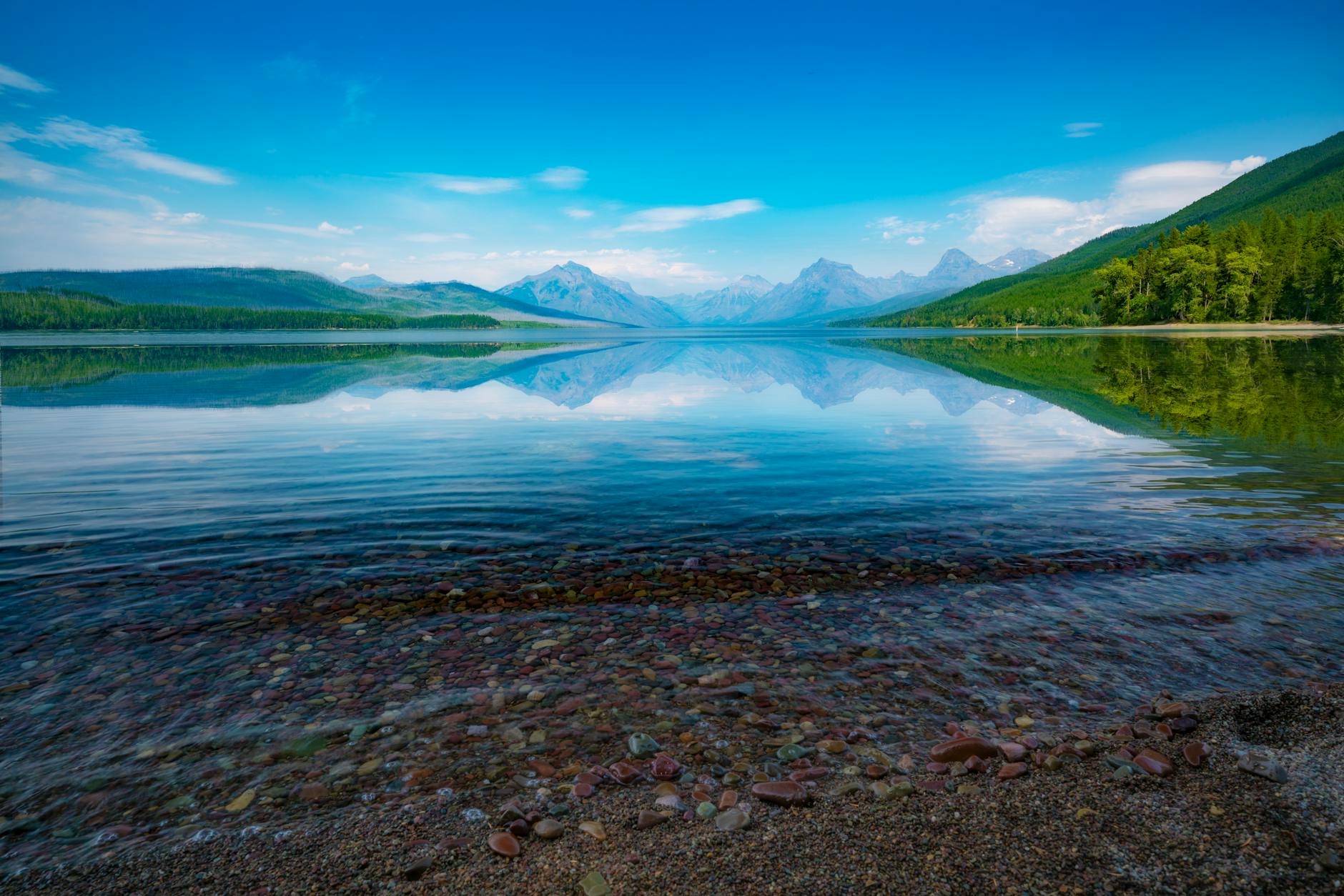
But Glacier is the trip that stays with you. The wildlife, the glacier-fed lake colors, the mountain scale — it's the kind of trip where even your screen-addicted teenager puts their phone away.
Our honest suggestion: do Rocky Mountain first, then plan Glacier when your kids are old enough to fully appreciate it.
Frequently Asked Questions
Data Sources and Methodology
This comparison uses verified data from official and authoritative sources:
Official Sources
- NPS — Rocky Mountain National Park Fees & Passes
- NPS — Glacier National Park Fees & Passes
- NPS — Rocky Mountain Timed Entry Permit System
- NPS — Glacier Vehicle Reservations (2026 update)
- Visit Estes Park — Lodging
Pricing Data
- Lodging prices: Based on TripAdvisor, Expedia, and Kayak listings as of February 2026
- Flight comparisons: Based on Google Flights and Kiwi.com route data
- Park entrance fees: Verified directly from NPS.gov fee schedules
- Methodology: Mid-range family accommodations, summer peak season pricing
Parent Experiences
- TripAdvisor destination forums for Rocky Mountain NP and Glacier NP
- Family travel blogs: The Family Voyage, Sharing the Wander, Sweet Little Journey
- Comparison analysis from Sailing Stone Travel and Outdoors.com