Zion vs Bryce Canyon for Families: Complete Comparison 2026
Quick Answer: Zion vs Bryce Canyon
These two Utah parks sit just 90 minutes apart but feel like different planets. Here's the fast breakdown for families:
- Overall edge: Bryce Canyon for families with young kids; Zion for older kids and teens who can handle longer hikes
- Entrance fees: Identical — $35 per vehicle at both parks, kids under 16 free
- Crowds: Zion draws significantly more visitors and requires a shuttle during peak season; Bryce Canyon is noticeably quieter
- Best ages for Zion: 6 and up, especially kids who enjoy water play and longer trails
- Best ages for Bryce Canyon: All ages — stroller-friendly rim paths, short hikes, and viewpoints that don't require much walking
- Choose Zion if: Your family loves river hikes, slot canyons, and doesn't mind shuttle logistics
- Choose Bryce Canyon if: You've got younger kids, want fewer crowds, or your family is into stargazing
The deciding factor: It's really about your kids' ages and stamina. Bryce Canyon rewards you quickly with jaw-dropping views right from the parking lot. Zion's best payoffs take more effort to reach — but they're worth it for families who can handle the miles.
Side-by-Side Comparison
Before getting into the details, here's how these two parks stack up across the categories that matter most to families.
| Category | Zion | Bryce Canyon | Edge |
|---|---|---|---|
| Entrance Fee | $35/vehicle | $35/vehicle | Tie |
| Kid-Friendly Trails | Pa'rus Trail, Riverside Walk | Rim Trail, Mossy Cave, Queen's Garden | Edge: Bryce Canyon |
| Scenery Type | Towering red canyons, river valleys | Hoodoo formations, amphitheater views | Depends on preference |
| Crowd Levels | Heavy — shuttle required in peak season | Moderate — drive your own car year-round | Edge: Bryce Canyon |
| Summer Heat | Often exceeds 100°F | Usually stays below 85°F (8,000 ft elevation) | Edge: Bryce Canyon |
| Stroller Access | Pa'rus Trail only | Rim Trail (Sunset to Sunrise) is paved | Edge: Bryce Canyon |
| Water Activities | The Narrows, Virgin River wading | Mossy Cave waterfall only | Edge: Zion |
| Stargazing | Limited programs | ~100 astronomy programs/year, dark sky park | Edge: Bryce Canyon |
| Nearby Dining | Springdale has many restaurants | Limited — mostly Ruby's Inn area | Edge: Zion |
| Wow Factor for Teens | Angels Landing, The Narrows — bucket list stuff | Cool but less adrenaline | Edge: Zion |
True Cost Comparison
Here's the good news: neither park will break the bank compared to a Disney or theme park trip. The entrance fees are identical, and the real cost difference comes down to lodging and food.
Park Fees
Both Zion and Bryce Canyon charge $35 per private vehicle, valid for 7 days. Motorcycles are $30. If you're walking or biking in, it's $20 per person ages 16 and up. Kids under 16 get in free at both parks. An annual pass for either park runs $70, or you can grab the America the Beautiful pass for $80 and cover every national park in the country for a year.
New for 2026: Non-Resident Fee
Starting in 2026, non-U.S. residents ages 16 and older must pay an additional $100 per person at both Zion and Bryce Canyon, unless they hold an annual pass. This applies to 11 high-demand national parks across the country.
Lodging
Springdale, the gateway town to Zion, has a solid range of hotels and vacation rentals. Expect to pay starting around $88 per night during off-peak months, though summer and holiday weekends push prices well past $200. The town itself is walkable and has restaurants, shops, and shuttle stops right on the main drag.
Springdale family hotels on Expedia — the in-town spots near the shuttle stops fill first for spring break and summer, and off-peak rooms still start around $88 a night.
Bryce Canyon's lodging scene is smaller. Ruby's Inn (technically Best Western Plus Ruby's Inn) sits about a mile from the park entrance and acts as the main hub. Camping there starts at $47 per night, and hotel rooms begin around $100. There's also the Bryce Canyon Lodge inside the park, but it books up months in advance. Don't expect the same restaurant variety as Springdale — options are limited to a handful of spots around Ruby's Inn.
Bryce Canyon City family stays on Expedia — the in-park Bryce Canyon Lodge books months out, so the Bryce Canyon City and Tropic hotels nearby are the realistic backup for summer dates.
Activities and Attractions
Zion National Park
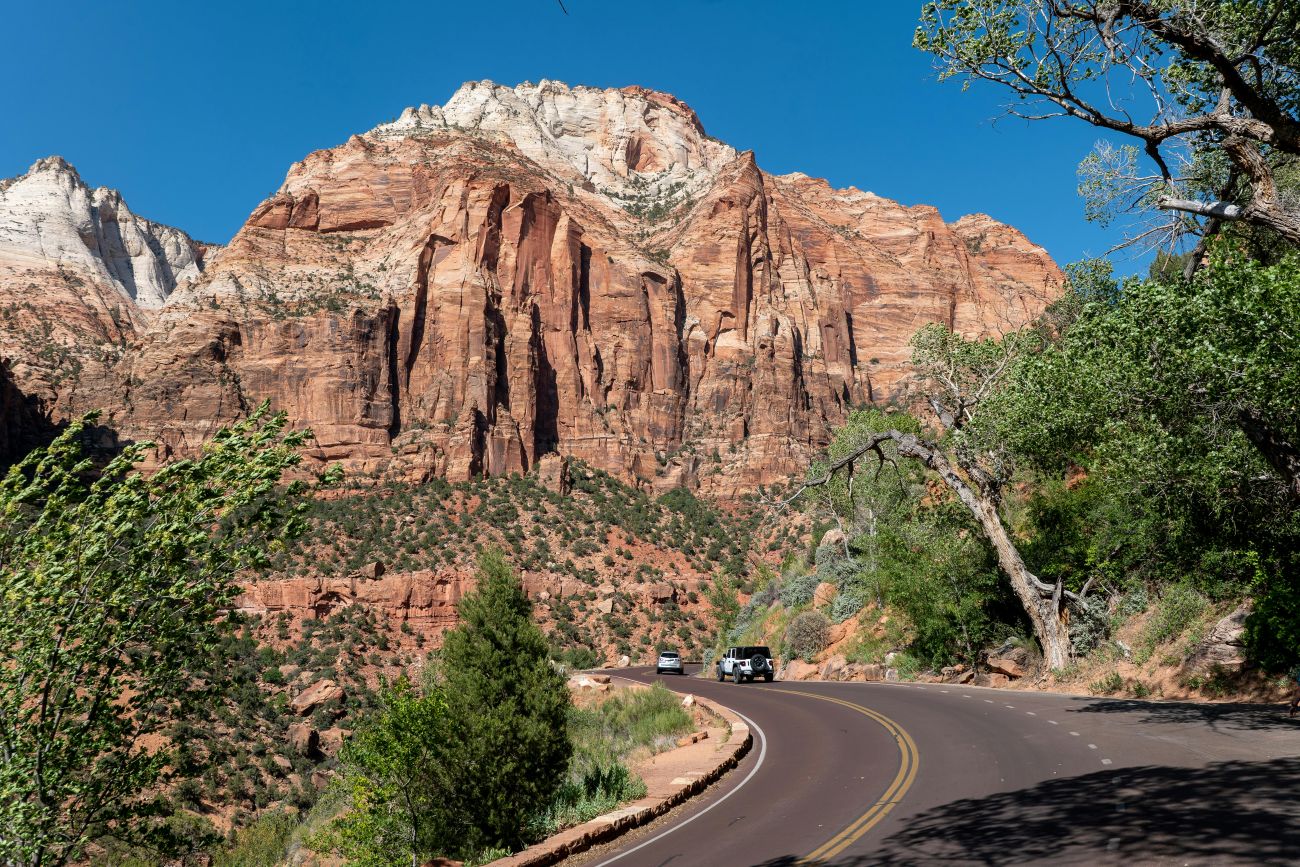
Zion's draw is its scale. The canyon walls tower 2,000 feet above the valley floor, and the Virgin River cuts through the middle of it all. For families, the key consideration is the shuttle system — from late March through November, private vehicles can't drive Zion Canyon Scenic Drive. You'll ride the park's free shuttle to access most trailheads, and during spring break and summer, the wait times can stretch well past 30 minutes.
That said, the trails are worth the logistics. The Pa'rus Trail starts right at the Visitor Center and doesn't require the shuttle at all. It's 3.5 miles round trip, paved, flat, and the only trail in Zion that allows bikes and dogs. Kids love splashing in the shallow spots along the Virgin River.
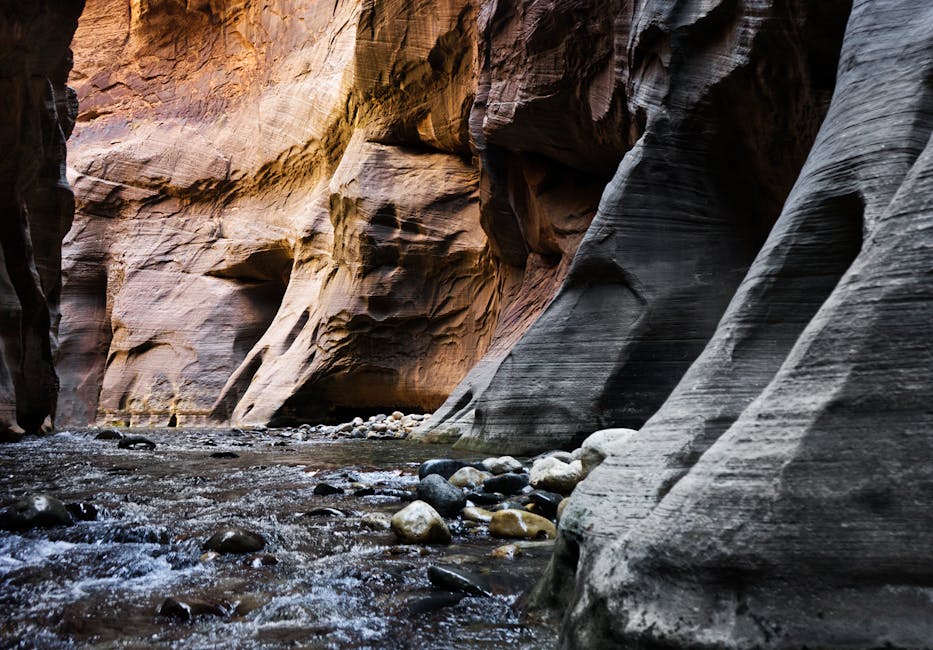
The Riverside Walk (2.2 miles round trip, paved) takes you along the river into a deep canyon and ends where The Narrows begins. Older kids and teens can wade into The Narrows from here — it's an unforgettable experience walking through a slot canyon with water up to your knees (or higher depending on flow). But it's not safe for young children, and flash flood risk is real. Always check conditions with rangers first.
Angels Landing is Zion's most famous hike, but it isn't for everyone. The final stretch uses chain handrails along narrow ridges with sheer drop-offs. It now requires a permit obtained through a lottery system. Save this one for confident teen hikers — and honestly, some adults won't be comfortable with it either.
Zion family tours on Viator — a guided Narrows or beginner canyoneering outfit handles the gear, water levels, and flash-flood calls that make these hikes risky to attempt solo with kids.
Bryce Canyon National Park
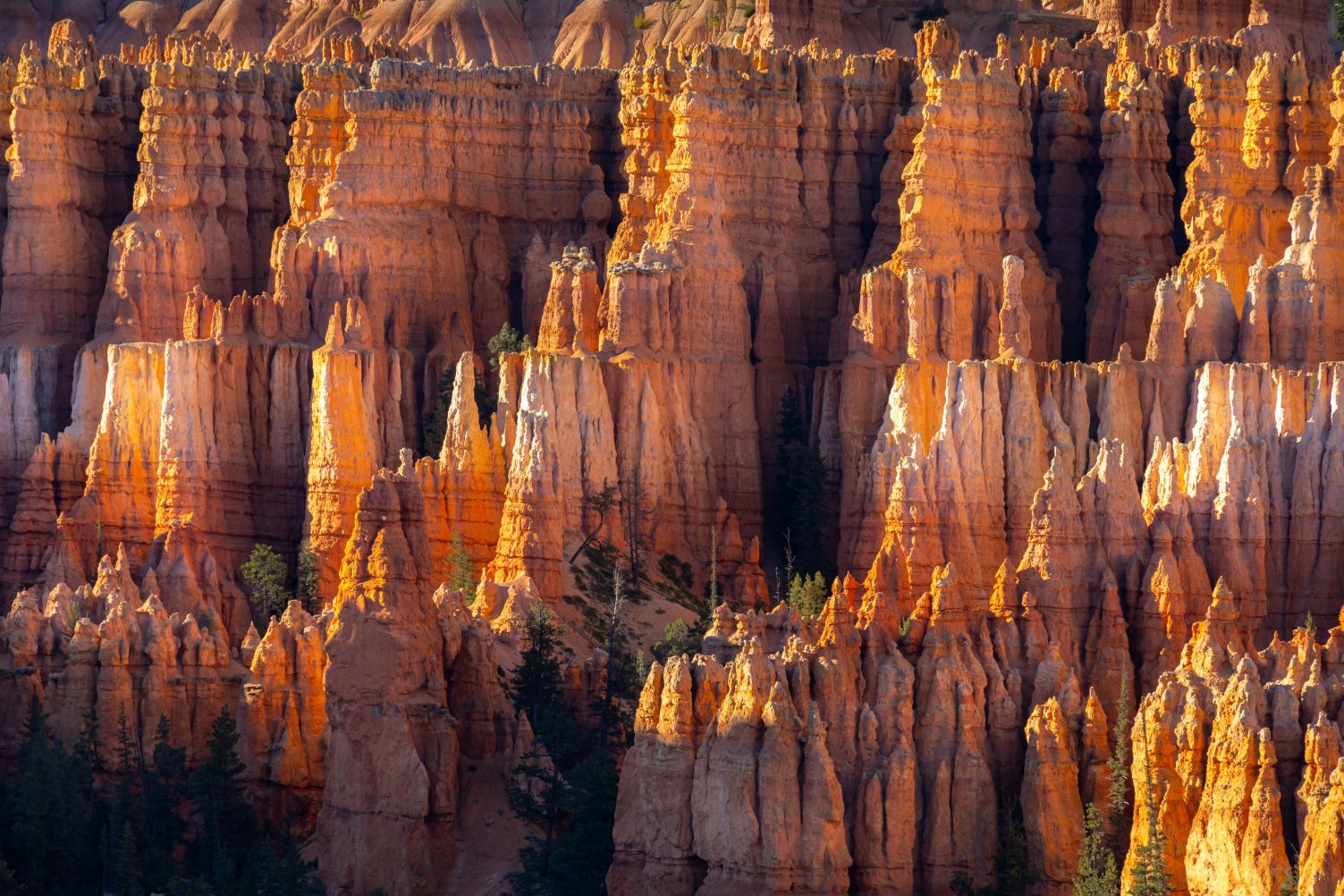
Bryce Canyon delivers its wow factor faster. You can drive right to the viewpoints (no shuttle required, though a voluntary one runs in summer), park the car, and walk 50 feet to see the hoodoos. That's a massive advantage with young kids who might melt down on a 45-minute shuttle ride.
The Mossy Cave Trail is a family favorite. It's about a mile round trip and ends at a small waterfall and a cave where moss (or ice in winter) clings to the ceiling. Kids love crossing the little bridges along the way, and the whole thing takes under an hour.
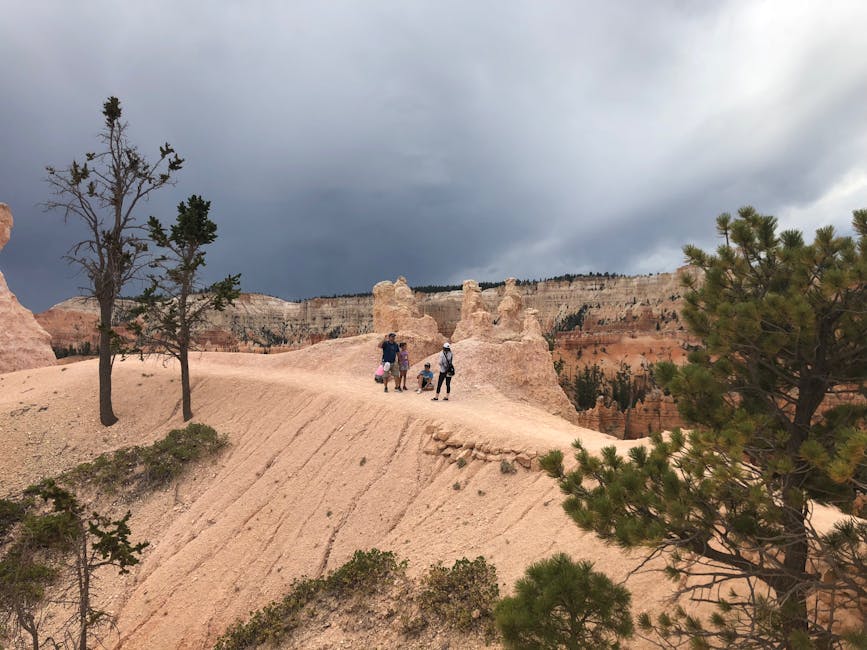
For an easy stroll with big payoff, the Rim Trail between Sunset Point and Sunrise Point is paved and mostly flat. It's about a mile one way, and the views of the Bryce Amphitheater are the kind of thing kids actually remember years later. Want to go below the rim? The Queen's Garden Trail drops into the hoodoo maze and connects back up. It's the least difficult below-rim route, but the climb back out at 8,000+ feet elevation will wind anyone who isn't used to altitude.
And then there's stargazing. Bryce Canyon is an International Dark Sky Park and runs roughly 100 astronomy programs per year — Tuesday, Thursday, and Saturday nights during spring through fall. Rangers set up telescopes and walk families through the constellations. It's free with park admission, and it's truly one of the best stargazing experiences available anywhere in the lower 48 states. How often do your kids get to see the Milky Way with their bare eyes?
Browse Bryce Canyon family excursions on Viator — ATV runs through the red-rock backcountry and horseback rides into the amphitheater are the add-ons kids ask for once the free rim walks are done.
What Parents Say
Travel forums and family blogs are full of parents comparing these two parks after visiting both. A few recurring themes stood out during research:
Multiple families on TripAdvisor mentioned that Bryce Canyon was less crowded and felt more manageable with young kids. One parent described the hoodoos as something their children talked about for months after the trip. Several noted that the short trails at Bryce meant less whining and more actual enjoyment.
Several parents on travel forums described their Zion and Bryce trip as one of their favorite family vacations, noting that the trails pushed their kids physically in a good way — with some families completing two to three mile hikes for the first time.
— paraphrased from family travel blogs and forums
On the Zion side, parents consistently praised the Riverside Walk and the shallow river wading spots. But the shuttle system drew mixed reviews. During spring break, one parent on TripAdvisor called the shuttle lines rough and said they opted to hike trails in East Zion that didn't require the shuttle instead. That's actually a smart strategy — Zion's east side trails are less crowded and don't need the shuttle at all.
The Springdale dining scene got positive marks from families. Several parents appreciated having real restaurant options after a day of hiking, which isn't something Bryce Canyon can match.
Decision Framework
Pick Zion if...
- Your kids are 6+ and can handle hikes of 2-3 miles or more
- Your family loves water activities — wading, river play, and slot canyon hiking
- You've got teens who want bucket-list experiences like The Narrows or Angels Landing
- Having good restaurants nearby after a long day of hiking matters to you
- You're visiting in fall or spring when shuttle waits are shorter
Pick Bryce Canyon if...
- You've got toddlers or young kids who can't handle long hikes yet
- Your family wants big scenery payoffs without big effort
- You'd rather drive your own car to viewpoints than deal with shuttles
- Stargazing programs sound like your family's kind of evening activity
- You're visiting in summer and want cooler temperatures
- Fewer crowds matter more to you than dining options
Do Both if...
- You've got 4+ days and can split time between the parks
- Your kids range in age, so younger ones get Bryce and older ones get challenged at Zion
- You want one of the best road trip routes in the American Southwest — the drive between the parks through Highway 12 is spectacular on its own
The Verdict
There's no wrong answer here. Both parks belong on every family's travel list eventually.
But if you're choosing just one trip right now, let your kids' ages and energy levels guide the decision. Families with children under 6 will have an easier, more enjoyable time at Bryce Canyon. The paved rim paths, drive-up viewpoints, and shorter trails mean less logistical stress and more time actually looking at incredible scenery. Plus, the stargazing programs are something most kids won't experience anywhere else.
Families with kids 8 and older — especially active ones — should strongly consider Zion. The canyon's scale is hard to match, the river hikes are unique in the national park system, and teens will remember wading through The Narrows long after they've forgotten most family vacations. Just plan around the shuttle system and go early.
And if you can swing it? Do both. They're 90 minutes apart, they're completely different experiences, and together they'll give your family one of the best national park trips in the country.
Frequently Asked Questions
Data Sources and Methodology
This comparison uses verified data from authoritative sources, checked in February 2026:
Official Sources
- NPS — Zion National Park Fees & Passes
- NPS — Bryce Canyon National Park Fees & Passes
- NPS — Zion Kids & Youth Programs
- NPS — Bryce Canyon Kids & Youth Programs
- NPS — Bryce Canyon Astronomy & Night Sky Programs
- NPS — Zion Basic Information
Lodging and Pricing Data
- Springdale hotel prices: Based on TripAdvisor, Booking.com, and Expedia listings checked February 2026
- Ruby's Inn pricing: Official Ruby's Inn website
- Camping rates verified via Bryce Canyon Campgrounds
Parent Experiences
- Family travel blogs: Family Can Travel, Family Can Travel (Bryce)
- Forum discussions: TripAdvisor Zion and Bryce Canyon forums
- Utah's Adventure Family — Bryce Canyon Guide
- The Family Voyage — One Day in Bryce Canyon with Kids
- Zion National Park with Kids — Wichita Mom
- 4 Day Zion Itinerary with Kids — Hitched to Bex