Flying with Kids: Parent-Tested Air Travel Tips
TSA rules, airline seating policies, ear pressure solutions, and carry-on strategies that actually work
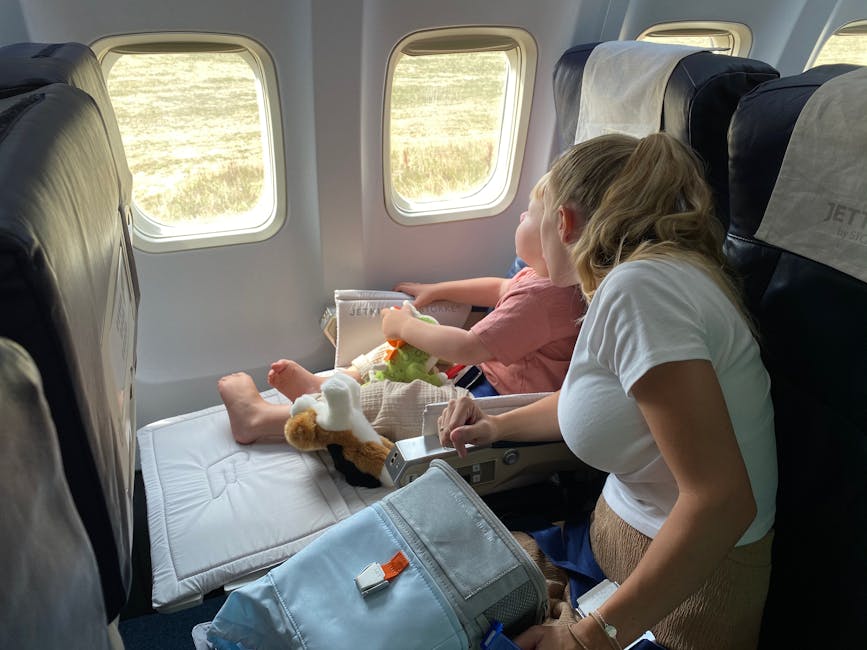
Quick Answer
- Flying with kids in 2026 is easier than most parents expect — children under 12 keep their shoes on at TSA, babies under 2 fly free as lap infants on domestic flights, and several major airlines now guarantee family seating at no extra cost.
- 👟 TSA for kids 12 and under: Shoes, light jackets, and hats stay on during screening
- 🍼 Liquid exceptions: Formula, breast milk, and baby food can exceed 3.4 oz — just tell the officer
- 💺 Best family airlines: American, Alaska, Hawaiian, and JetBlue guarantee family seating
- 👂 Ear pressure fix: Bottle-feed babies during takeoff/landing; lollipops work for older kids
- 💡 The 24-hour check-in trick is crucial — seats can be reassigned until you check in, even if you picked them at booking (see seat selection section)
- 📋 Use our smart packing list to build a custom carry-on checklist for flying with kids
Booking Flights That Set You Up for Success
The flight you choose matters more than anything you pack. Direct flights eliminate the stress of rushing through connections with a stroller, a diaper bag, and a toddler who just discovered running. Yes, they often cost more. But the money saved on your sanity is worth it.
Morning flights are the smart play. The probability of delays is lower early in the day, and young kids are usually in better moods before noon. A 6 AM departure sounds rough, but a 2 PM flight with a delayed boarding and an overtired three-year-old is worse. Much worse.
Seat selection and the 24-hour rule
Here's something most first-time flying parents don't realize: until you actually check in, your seat assignments can be changed by the airline. Set an alarm for exactly 24 hours before departure and check in immediately to lock in your seats.
Several airlines now guarantee that kids sit with at least one parent. American Airlines (ranked the top family-friendly US airline in 2025) automatically seats kids with an adult on their booking. Alaska, Hawaiian, and JetBlue also publicly guarantee family seating for children 13-14 and under at no extra cost.
Getting Through Airport Security
TSA security with kids is less painful than most parents fear. The rules are actually designed to make it easier for families, and knowing them in advance makes a big difference.
What TSA does differently for kids
Children 12 and under get modified screening at all US airports. According to TSA, kids can keep their shoes, light jackets, and headwear on during screening. They won't be separated from parents during the process. Children under 18 don't need identification for domestic flights (though your airline might have its own requirements).
Formula, breast milk, and baby food
This is the one TSA rule every parent needs to know: formula, breast milk, toddler drinks, and baby food are allowed in carry-ons in quantities exceeding 3.4 oz. They don't need to fit in the quart-sized bag. Ice packs and cooling accessories are permitted too, even without breast milk present.
The key step: tell the TSA officer at the start of screening that you have these items. They'll screen them separately, which takes an extra minute or two. Don't try to hide them in the bag and hope nobody notices — that creates a bigger delay.
Important: REAL ID Starting February 2026
As of February 1, 2026, TSA enforces REAL ID requirements for domestic flights. Travelers without a REAL ID-compliant license need a passport or face a $45 noncompliance fee at the airport. Children under 18 are exempt from this requirement.
TSA PreCheck is worth the investment for families who fly even twice a year. Children 12 and under can use the PreCheck lane with an enrolled parent — shorter lines, no laptop removal, and a calmer screening experience. For first-time international family travel, our first international trip guide covers passport requirements for kids.
Packing the Carry-On Survival Kit
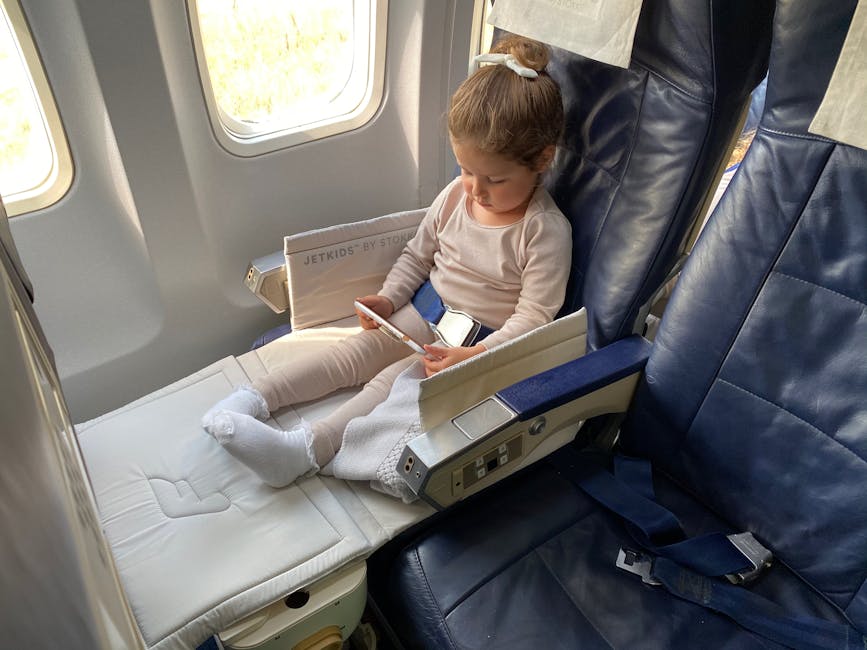
The carry-on bag is more important than the suitcase when flying with kids. Everything that keeps a child calm, fed, and dry for the next 6 hours needs to be within arm's reach — not in the overhead compartment and definitely not in checked luggage.
What goes in the bag
Pack an extra shirt for yourself too. Between spit-up, juice spills, and sticky hands, there's a solid chance you'll need it. Ask any parent who's walked through an airport with a mystery stain on their shoulder.
Managing Ear Pressure and Comfort
Ear pressure during takeoff and landing is the number-one fear for parents flying with babies and toddlers. Good news: it's manageable with the right timing.
For babies, breastfeeding or bottle-feeding during ascent and descent works well. The swallowing motion helps equalize the pressure in their ears. Start feeding as the plane begins its descent announcement — don't wait until landing gear drops.
For toddlers and older kids, lollipops are the secret weapon. Gum works too for kids old enough to chew safely (usually 4+). Chewy snacks — fruit leather, gummy bears — also encourage the jaw movement that relieves pressure. Some parents swear by having kids yawn on command, which is either genius or hilarious depending on the child.
Surviving the Actual Flight
Variety is everything. No single toy, show, or snack holds a toddler's attention for an entire flight. Rotate entertainment every 30-45 minutes: tablet time, then sticker book, then snack, then peek out the window, then another show. Having at least one item that's brand new (or hasn't been seen in a while) buys extra engagement.
Dress kids in comfortable layers — sweatpants and t-shirts are ideal. Easy bathroom trips, no meltdowns over itchy collars, and if something gets messy, you're not ruining the nice outfit. Comfort beats cute at 35,000 feet.
When the seatbelt sign is off, let kids walk the aisle. A quick trip to the bathroom (whether they need it or not) breaks up the monotony and burns a tiny bit of energy. Some parents do a full lap of the plane with a toddler every hour. It helps more than you'd expect.
Strollers, car seats, and gate checking
Most airlines allow strollers at the gate for free gate-checking. This is a lifesaver in large airports — use the stroller right up to the jetbridge, then the airline stores it below. It'll be waiting when you exit at your destination (usually). Car seats can be gate-checked too, or brought aboard if your child has their own seat. An FAA-approved car seat is the safest option for kids under 40 pounds.
Handling meltdowns at 35,000 feet
They happen. Even to the most prepared families. And here's the truth: every parent on that plane understands. The passengers giving you dirty looks have either never traveled with kids or have conveniently forgotten what it's like.
When a meltdown starts, prioritize comfort over embarrassment. Check the basics first: ear pain, hunger, wet diaper, too hot, too cold. If none of those fix it, sometimes a walk to the back of the plane with a flight attendant's help resets the situation. A new snack, a new screen show, or just a change of scenery can shift a screaming toddler's mood faster than any amount of shushing.
Don't apologize to every row you pass. You're not doing anything wrong. Kids cry on planes because they're kids on planes. A quick smile to nearby passengers goes further than a lengthy apology, and most people are far more sympathetic than the internet suggests.
International flights with kids
Long-haul flights add complexity but aren't as scary as they sound. Most international carriers offer bassinets for infants on bulkhead rows — request one when booking. Kid-friendly meals can be pre-ordered on many airlines. And the biggest advantage of a long flight? Kids eventually sleep. A red-eye to Europe means bedtime lines up with the flight, and families arrive with kids who actually rested (sometimes).
Lap Infant vs. Own Seat
Babies under 2 can fly free as lap infants on domestic US flights. That saves $200-$500 per flight. But is it worth it?
For short flights (under 3 hours), a lap infant works fine for most families. For longer flights, buying a separate seat and bringing an FAA-approved car seat gives the baby a familiar sleeping spot and frees up both parental arms. It also provides better crash protection, which the FAA recommends for all children regardless of age.
The budget math: a free lap seat saves money now but might cost you in exhaustion. A baby who sleeps in their own car seat for a 5-hour flight is a trade many parents consider well worth the ticket price.
Age-by-Age Flight Tips
Babies (0-12 months)
The easiest age to fly, believe it or not. Babies under six months sleep most of the flight. Feed during takeoff and landing for ear pressure. Pack more diapers than you think (one per hour of travel time), and bring a change of clothes in a zip-lock bag. Request a bulkhead seat on longer flights — some airlines offer bassinets that attach to the wall.
Toddlers (1-3 years)
The hardest age by far. Toddlers want to move, explore, and touch everything — none of which works in a confined airplane seat. Rotate activities every 20-30 minutes: stickers, snacks, screen time, window gazing, walking the aisle. Pack twice as many entertainment options as you think you'll need. Bring a car seat if you bought a separate ticket — it keeps them contained and gives them a familiar sleeping spot.
Preschoolers and school-age (4-10 years)
This is when flying starts getting easier. Kids this age can watch a full movie, play games on a tablet, color in an activity book, and follow basic instructions about staying in their seat. The window seat is gold — counting clouds, spotting landmarks, and watching takeoff and landing can fill significant chunks of time. Give them their own small backpack with their entertainment supplies. Ownership of their own travel bag makes kids feel responsible and keeps them engaged.
The Bottom Line
Flying with kids in 2026 is manageable when families book direct morning flights, pack a carry-on survival kit with snacks and entertainment, and know the TSA rules that make screening easier for children under 12. The biggest wins are practical: check in at the 24-hour mark to lock seats, feed babies during takeoff and landing for ear pressure, and rotate entertainment every 30-45 minutes. Don't aim for a perfect flight. Aim for a good-enough one — and pack lollipops.
Frequently Asked Questions
Data Sources and Methodology
This guide uses verified data from the following sources:
- TSA — Traveling with Children — official security screening rules for children
- TSA — Families on the Fly — family-focused airport screening program
- AirAdvisor — family-friendly airline rankings and seating policies
- HealthyChildren.org (AAP) — pediatric air travel safety recommendations
Last verified: March 2026