Yellowstone Packing List for Families (2026)
Season-by-season gear guide with age-specific essentials from babies to teens
Quick Answer
- Yellowstone National Park sits at 8,000 feet elevation with daily temperature swings of up to 40°F, making a four-layer clothing system essential for every family member visiting in 2026.
- 🌡️ Temperature range: 30-40°F at night to 70-80°F during the day, June through September
- 🧥 Layering rule: Moisture-wicking base, fleece mid-layer, insulating layer, waterproof shell — NO cotton
- 👶 Kids under 4: Structured baby carrier (not a stroller) for trail access
- 🐻 Safety must-have: Bear spray, available for $8-12 rental in gateway towns
- ☀️ Altitude warning: UV exposure is significantly stronger at elevation — SPF 50+ sunscreen and wide-brimmed hats are non-negotiable
- 💡 The single biggest packing mistake? Cotton clothing — it absorbs moisture and becomes dangerously cold when wet at altitude (see the layering section below)
- 🎒 Use our smart packing list tool to generate a personalized Yellowstone checklist for your family
Why Yellowstone Demands Serious Packing Strategy
Most families pack for Yellowstone the way they'd pack for any summer vacation. Shorts, t-shirts, maybe a light jacket. That's a mistake that ruins trips every single year. Yellowstone isn't a typical summer destination — it's a high-altitude wilderness where the weather changes faster than a toddler's mood.
At 8,000 feet, the park sits higher than most Colorado ski towns. That altitude intensifies UV radiation dramatically and creates wild temperature swings: mornings at 40°F, afternoons pushing 75°F, then back to near-freezing after sunset. All in July. So what does that mean for packing? Every family member — from the baby in the carrier to the teenager who insists they're "fine" in a hoodie — needs a proper layering system.
For families planning their first trip, our Yellowstone family guide covers logistics, itineraries, and the best kid-friendly stops throughout the park.
Altitude Health Notice
At 8,000 feet, everyone in the family needs to drink significantly more water than usual. Headaches, fatigue, and shortness of breath are common in the first 24-48 hours. Allow a day to acclimate before tackling strenuous hikes, and keep water bottles accessible for kids at all times.
The Four-Layer System Every Family Member Needs
Forget packing "outfits." At Yellowstone, families need to think in layers. Four of them, specifically. Each one serves a different purpose, and skipping any single layer leaves a gap that the park's weather will absolutely find.
Base Layer: Moisture-Wicking Foundation
The base layer sits against the skin and has one job: pull sweat away from the body. Merino wool and synthetic polyester blends both work well. What doesn't work? Cotton. This is the hill worth dying on (figuratively, though cotton could make it literal in cold rain at altitude).
Cotton absorbs moisture and holds it against the skin. On a 45°F morning with wind, a sweat-dampened cotton shirt becomes a hypothermia risk — it's why outdoor guides call cotton "death cloth" in backcountry settings. For kids, merino wool base layers cost more but regulate temperature better and resist odor across multi-day wear.
Mid Layer: Insulation That Breathes
Fleece or lightweight wool pullovers trap warm air while letting moisture pass through. A quarter-zip fleece is ideal because kids can regulate temperature without removing the whole layer. Does a cheaper fleece from Target work as well as a $90 Patagonia version? For most family day hikes — yes.
Heavy Insulating Layer: For Mornings, Evenings, and Elevation
A down jacket or heavy fleece adds serious warmth for early morning wildlife watching, evening campfire time, and excursions above 9,000 feet. For kids, packable down jackets are worth every penny — they compress to nearly nothing in a daypack.
Outer Shell: Wind and Rain Protection
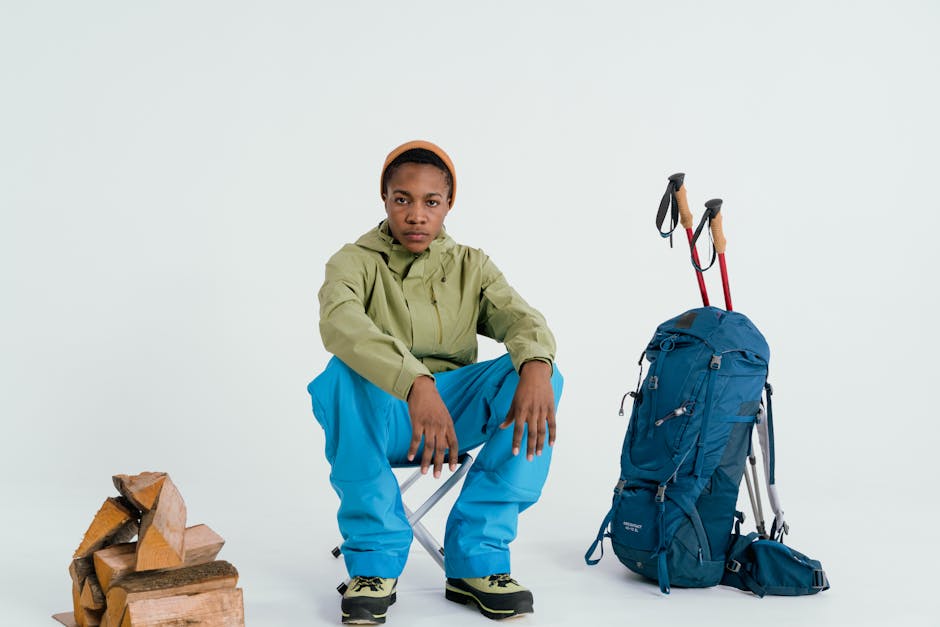
The final layer blocks wind and repels water. Afternoon thunderstorms roll through regularly from June through August, and there's often nowhere to shelter on exposed trails. A waterproof, breathable shell jacket (not a "water-resistant" windbreaker) is essential for every family member.
Seasonal Packing Adjustments
The four-layer system stays constant, but the weight of each layer shifts depending on when the family visits. Here's what changes season to season.
Summer (June Through September)
Peak family season. Daytime highs reach 70-80°F, but nights regularly dip to 30-40°F. Lightweight base layers and a medium-weight fleece handle most daytime hiking; the heavy insulating layer comes out for dawn and dusk. Always carry the rain shell — afternoon storms appear with 15 minutes of warning or less. Bug spray becomes essential from late June through August, especially near rivers.
Spring and Fall (Shoulder Seasons)
Daytime highs may only reach 40-50°F, with nights below freezing. Pack heavier versions of every layer, plus insulated hats covering the ears, glove liners with heavy gloves, and wool socks with gaiters for snowy trail sections. Spring roads may stay closed through May — check the NPS road status page before arrival.
Winter (November Through March)
Only the north entrance stays open to regular vehicles, and temperatures drop to -20°F or colder. Families need expedition-grade gear: heavy insulated boots, ski goggles, hand warmers, and multiple insulating layers. Honestly, winter Yellowstone is better suited to families with kids over 8 who are already comfortable in cold conditions.
Age-Specific Gear Guide
What a 2-year-old needs at Yellowstone looks nothing like what a 14-year-old needs. The layering system stays the same across ages, but the gear around it shifts dramatically.
Babies and Toddlers (Under 4)
Strollers work on boardwalks around Old Faithful and Grand Prismatic Spring but are useless on trails. For trail access, a structured carrier like the Ergobaby 360 or Osprey Poco is practically required. Toddler-specific essentials include:
- Extra layers in the daypack (toddlers can't regulate body temperature as well as older kids)
- A fleece-lined hat and mittens even in summer — geyser viewing areas get windy
- Sunscreen for sensitive baby skin, SPF 50+ minimum
- Snacks. So many snacks. A hungry toddler at a remote location is a crisis
Our Yellowstone with toddlers guide covers age-specific trail recommendations and timing strategies.
Kids Ages 5-10
A child-sized daypack (10-15 liters) gives this age group ownership over their water, snacks, and an extra layer. It also keeps them engaged — there's something about wearing a "real" backpack that motivates kids to keep walking. Binoculars are a game-changer too. Spotting a bison herd across Lamar Valley is far more engaging when kids can see the details. Cheap $15 binoculars work fine.
Tweens and Teens (11+)
The challenge with this age group isn't capacity — it's willingness. Teens resist warm layers because "it looks fine right now." Make the layers non-optional, and let them discover at the first 6 AM wildlife drive why the fleece matters. Teens also benefit from a headlamp, a portable phone charger (cell service is mostly nonexistent), and their own bear spray if they're hiking ahead of the group.
Footwear: The Gear That Matters Most
Bad shoes ruin more Yellowstone trips than bad weather. A family with proper footwear can handle rain, mud, and rocky terrain. A family in sneakers is limited to parking lots and boardwalks — missing most of what makes the park worth visiting.
Everyone needs closed-toe hiking shoes or boots with ankle support and aggressive traction. Waterproof is strongly preferred. For kids, break in new shoes at least two weeks before the trip. Blisters four miles into a trail with no cell service? That's a family emergency. Bring one pair of camp shoes (Crocs or flip-flops) per person for campsite use only.
Safety Gear and Daypack Essentials
Every family daypack should carry these core items regardless of planned hike length. Conditions change fast, trails take longer with kids, and help isn't always nearby.
- Extra layers — at least one additional insulating layer per person beyond what they're wearing
- Water — minimum 1 liter per person for short hikes, 2+ liters for anything over 3 miles
- High-calorie snacks — trail mix, granola bars, dried fruit (altitude burns more calories than families expect)
- Flashlight or headlamp — even for day hikes, because delays happen
- Basic first-aid kit — bandages, antiseptic wipes, moleskin for blisters, children's pain reliever
- Bear spray — one canister per adult, holstered on the hip for quick access (not buried in the backpack)
- Binoculars — for wildlife viewing from safe distances
- Whistle — every child should carry one, attached to their pack
Bear Spray: Not Optional
Yellowstone is home to both grizzly and black bears, and bear spray is the most effective deterrent in a close encounter — more effective than firearms, according to the National Park Service. Gateway towns offer rentals for $8 to $12 per canister. Here's the critical part: bear spray only works if it's accessible. Clip it to a hip belt for a 2-second draw. Buried in a backpack, it's useless in the 5-10 seconds a family has to react.
Wildlife Distance Rule
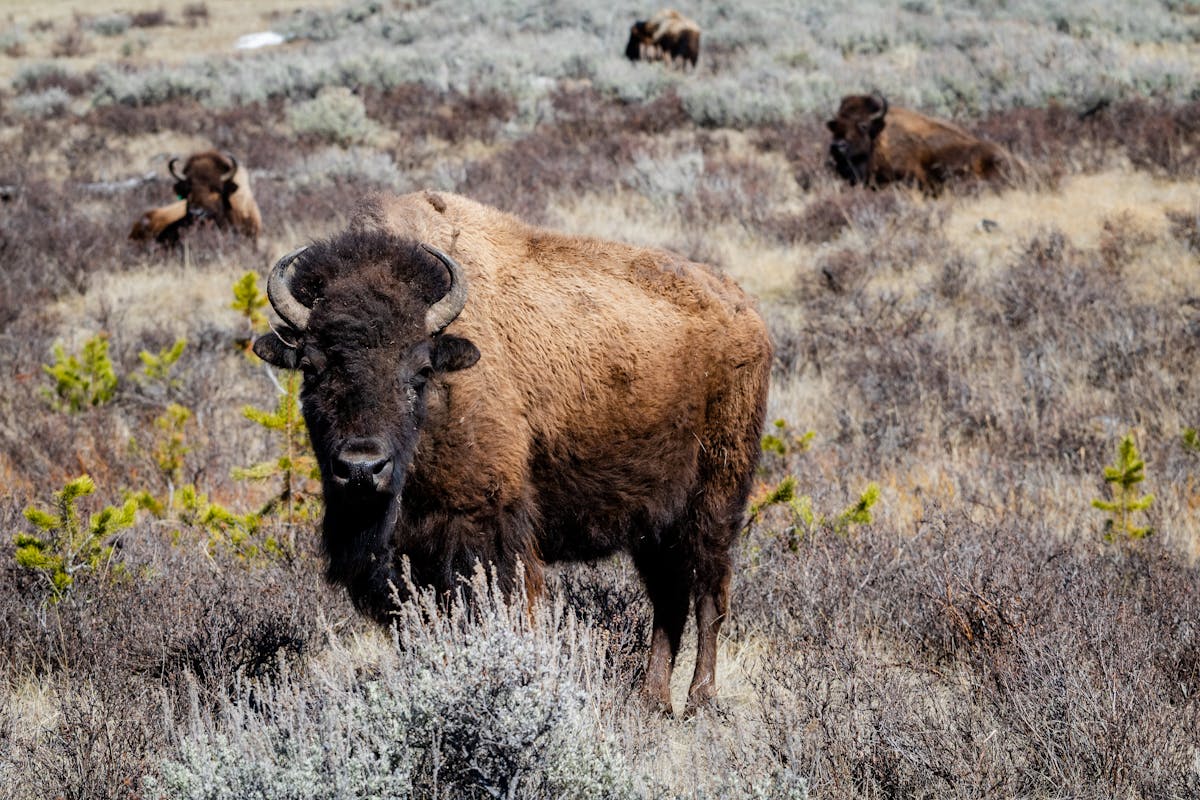
Stay at least 100 yards from bears and wolves, and 25 yards from bison and elk. These aren't suggestions — they're federal regulations, and bison injure more visitors than any other animal in the park. Binoculars are the safest way for kids to see wildlife up close.
Sun Protection at Altitude
How bad can sun be at a mountain park? Significantly worse than sea level. UV radiation increases roughly 6-8% per 1,000 feet of elevation, meaning families at 8,000 feet catch nearly 50% more UV than at the coast. Every family member needs:
- SPF 50+ broad-spectrum sunscreen — reapply every 2 hours, more often near water or snow
- Wide-brimmed hat — baseball caps leave ears and neck exposed
- UV-blocking sunglasses — for everyone, including toddlers (squinting kids are unhappy kids)
- SPF lip balm — the most commonly forgotten item, and chapped, burned lips make eating painful for days
Apply sunscreen before leaving the car — not once on the trail, when reapplication gets much harder with dirty hands and distracted kids.
Common Packing Mistakes Families Make
The same mistakes appear across travel forums year after year. Avoid these four.
Cotton everything. No cotton base layers, socks, or underwear for hiking. Synthetic or merino wool only for anything touching skin during activity.
Overpacking clothes, underpacking gear. Families bring seven outfits per child but forget the headlamp and bear spray. Two to three mix-and-match outfits per person plus the layering system covers a full week. Put the saved space toward safety gear.
Ignoring feet. New hiking shoes, cotton socks, or sandals on trails will end a hiking day early. Good footwear is the single best investment for a Yellowstone trip.
Forgetting evening warmth. Families pack for daytime temps and then shiver through campfires and stargazing. Yellowstone's night sky (one of the darkest in the lower 48) is worth staying up for, but not in a t-shirt at 35°F.
Gear Rentals and Where to Buy Last-Minute
Not everything needs to come from home. Gateway towns have solid rental options that save families from overspending on single-use items.
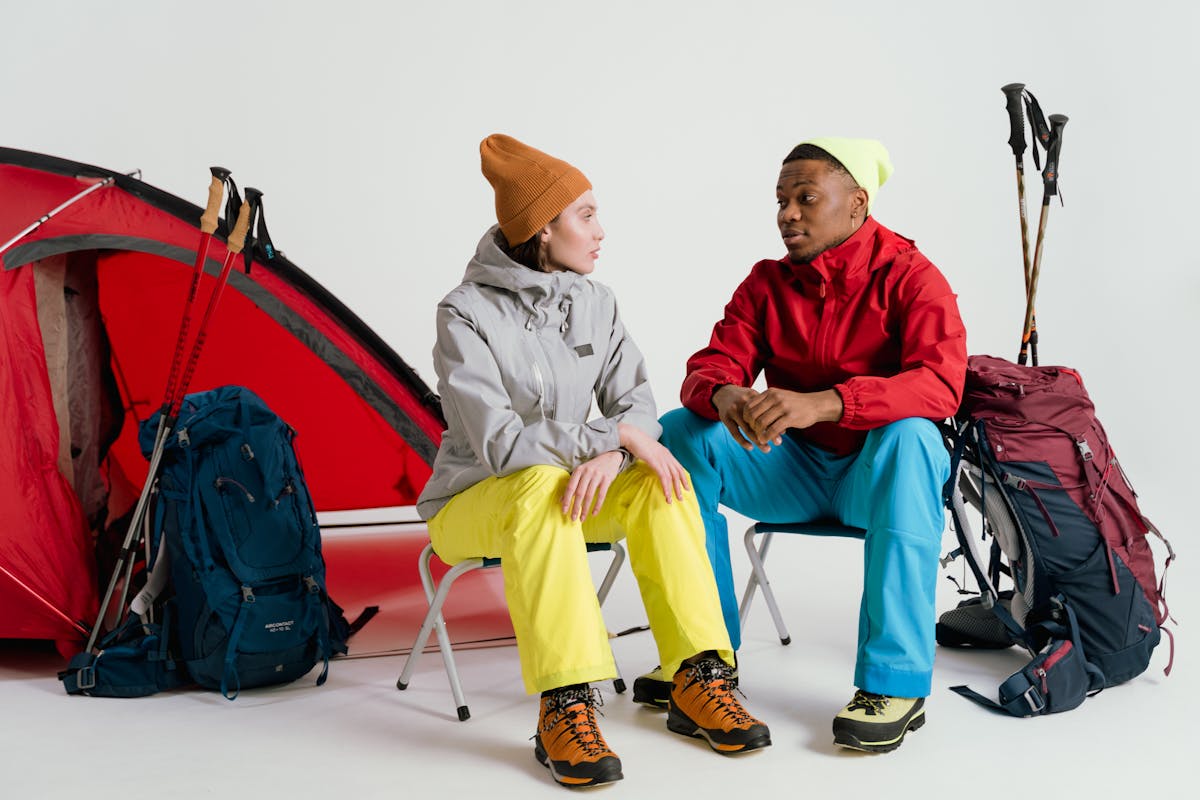
Bear spray rentals run $8-12 per canister in West Yellowstone, Gardiner, and Cody. Renting makes sense — bear spray expires, can't fly on airlines, and costs $35-50 new. Baby carriers are sometimes available through local outfitters; call ahead to confirm. Camping gear (sleeping bags, pads, tents) can be rented in West Yellowstone or shipped via online services.
For budgeting the full trip, our Yellowstone cost breakdown covers entrance fees, lodging, dining, and gear expenses.
The Camping-Specific Packing Add-On
Lodge families can skip this, but for those camping (and Yellowstone's campgrounds are worth it), a few additions matter:
- Sleeping bags rated to 20°F — nighttime temps can hit freezing even in July
- Insulated sleeping pads — the ground steals body heat faster than the air
- Extra warm pajama layers for kids — fleece pants and a merino long-sleeve
- Bear-proof food storage — all campgrounds require it
Many families report on camping forums that kids sleep better in the park than at home. Fresh air and hiking exhaustion knock them out by 8 PM. The parents, ironically, lie awake listening to every sound outside the tent.
The Bottom Line on Yellowstone Packing
Packing for a Yellowstone family vacation in 2026 requires a four-layer clothing system, waterproof footwear, bear spray, and serious sun protection — all adapted for the park's 8,000-foot elevation and 40°F daily temperature swings. The families who pack well see more of the park, stay more comfortable on the trails, and avoid the altitude-and-weather combination that sends unprepared visitors back to their cars by noon.
Start with the no-cotton rule. Build from there: moisture-wicking base, fleece mid, insulating layer, waterproof shell. Add the right footwear, the safety essentials, and age-appropriate gear for the youngest and oldest members of the group. It's more gear than a beach trip, sure. But Yellowstone rewards preparation in a way that few other family destinations do.
The investment in proper gear — whether purchased, borrowed, or rented in gateway towns — pays back immediately in trail access, comfort, and safety. Families who pack right don't just survive Yellowstone. They truly enjoy it.
Frequently Asked Questions
Families visiting Yellowstone in summer (June through September) need moisture-wicking base layers, a fleece mid-layer, a waterproof shell jacket, sturdy hiking shoes, SPF 50+ sunscreen, wide-brimmed hats, and insect repellent. Temperatures at 8,000 feet elevation can swing 40°F in a single day, so layering is essential even in July. Don't forget bear spray for any trail hiking — it's available to rent in gateway towns for $8-12.
Bear spray is strongly recommended for all families hiking in Yellowstone, especially on backcountry trails. Rental options are available in gateway towns like West Yellowstone and Gardiner for $8 to $12 per canister, making it affordable even if the family doesn't want to purchase one outright. Each adult should carry their own canister on a hip holster — not in a backpack — for quick access.
Strollers work on Yellowstone's boardwalks around geothermal features like Old Faithful and Grand Prismatic Spring, but they're impractical on most hiking trails. For children under four, a structured carrier like an Ergobaby or Osprey Poco is the better choice for trail access. Many families bring both and leave the stroller in the car for boardwalk-only stops.
Yellowstone summer nighttime temperatures regularly drop to 30-40°F, even when daytime highs reach 70-80°F. Families camping should pack sleeping bags rated to at least 20°F and warm pajama layers for everyone. Lodge guests should still bring warm evening layers for outdoor activities like stargazing and wildlife drives at dawn.
Kids need closed-toe hiking shoes or boots with ankle support and good traction for Yellowstone's rocky, uneven terrain. Waterproof options are ideal since creek crossings and afternoon rain are common. Break in new shoes at least two weeks before the trip to avoid blisters on the trail. Sandals and flip-flops should stay at the campsite or lodge.
Yellowstone National Park charges $35 per vehicle for a 7-day pass or $80 for an annual America the Beautiful pass that covers all national parks. Children 15 and under enter free. The annual pass pays for itself if the family visits two or more national parks in a year. For a full breakdown of trip costs, see our Yellowstone cost breakdown guide.
Yellowstone sits at an average elevation of 8,000 feet, which can cause mild altitude effects like headaches, fatigue, and shortness of breath in children and adults alike. Staying hydrated, taking frequent breaks, and allowing a full day to acclimate before strenuous hikes significantly reduces the risk. Pack children's pain reliever and watch for persistent symptoms that might need medical attention.
Data Sources and Methodology
This guide uses verified data from official sources:
- National Park Service — Yellowstone National Park — safety guidelines, wildlife regulations, park entry fees, and road status information
- Yellowstone National Park Lodges — lodging options, campground information, and seasonal availability
- NPS Bear Spray Information — bear spray requirements and usage guidance for Yellowstone visitors
- Parent experiences from travel forums including r/Yellowstone, r/FamilyTravel, and r/CampingandHiking — sentiment and practical tips
Last verified: March 2026