Tokyo with Kids: Complete Family Guide 2026
Real costs, tested logistics, and age-specific tips for families planning a Tokyo trip
Quick Answer
Tokyo ranks among the best cities in Asia for a family trip — and it's far easier to manage with kids than most parents expect.
- 👨👩👧👦 Best for: Families with kids ages 3-14 who love hands-on experiences, anime, and good food
- 💰 Daily budget: $200-$400 for a family of 4 (accommodation is the biggest variable)
- 📅 Ideal length: 4-5 days minimum in Tokyo proper
- 🌸 Best time: Late March-April (cherry blossoms) or October-November (mild, clear skies)
- ⭐ Top activity: Tokyo DisneySea — consistently rated one of the best theme parks worldwide
- 🚇 Getting around: Suica IC cards work everywhere; kids under 6 ride trains free
- ⚠️ Skip if: Your family can't handle extensive walking — Tokyo averages 15,000+ steps daily
What Makes Tokyo Work for Families
Tokyo doesn't look family-friendly at first glance. The neon-lit streets, dense crowds, and complex subway map can seem daunting from 6,000 miles away. But here's the thing — this city runs on order and consideration for others, and that extends to how it treats families with young children.
Trains run on time. Restrooms are spotless (and often have child seats built into the stalls). Restaurants hand out kid-sized utensils without being asked. And the crime rate? Among the lowest of any major world city. Parents regularly report feeling safer walking Tokyo at night with their kids than they do in their own neighborhoods back home.
What surprised many families the most isn't the big attractions. It's the small stuff — vending machines on every corner, train station stamps kids can collect, capsule toy machines that cost 200 yen, and the sheer politeness of everyone they encounter. That's what makes Tokyo special with children.
Best Neighborhoods to Base Your Family
Where you stay matters more in Tokyo than in most cities. The wrong base means extra train transfers with tired kids — and that's nobody's idea of fun.
Ueno
The strongest pick for families. Ueno Zoo (free for kids under 13), the National Museum of Nature and Science (free for kids under 18, just ¥630 for adults), Ameyoko shopping street, and direct Narita Express access all sit within walking distance. Apartment-hotel chains like Mimaru have Ueno locations with kitchenettes, laundry, and enough space for a family of four to actually spread out.
Ueno family stays on Expedia — Mimaru's Ueno apartment-hotels with kitchenettes book out fastest in cherry-blossom season, so lock dates 4-6 months ahead.
Asakusa
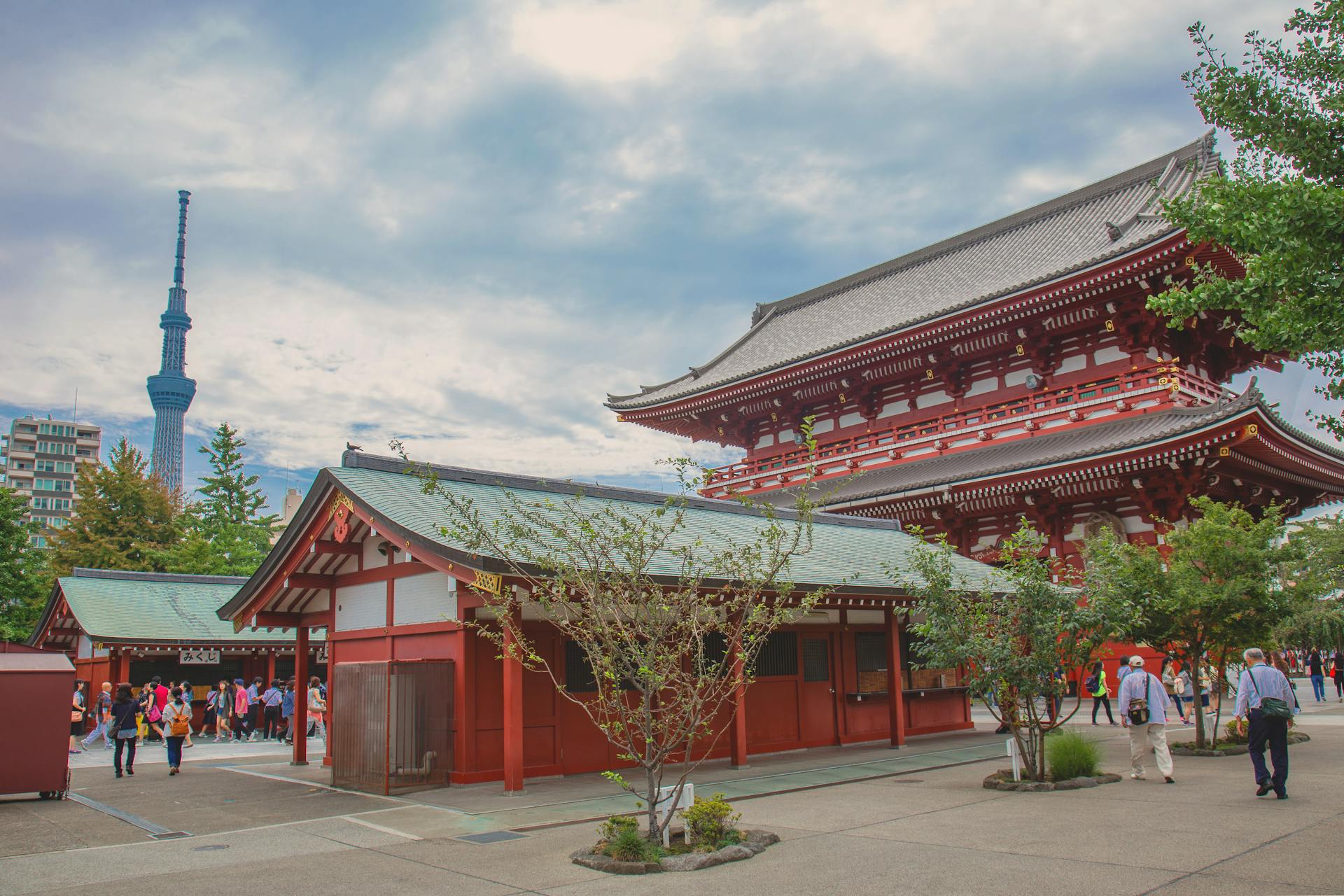
Traditional Tokyo at its best. Sensoji Temple, Nakamise shopping street, and Sumida River cruise access make this area really exciting for kids. It's also quieter at night than Shinjuku or Shibuya, which helps with early bedtimes. The downside? Slightly fewer direct train connections to western Tokyo attractions.
Browse Asakusa family hotels on Expedia — the quieter riverside blocks near Sensoji suit early bedtimes better than the Nakamise-facing rooms.
Shinjuku
The transit hub of Tokyo. Almost every major train line passes through here, making day trips simple. But the station itself is famously confusing (over 200 exits), and the area around Kabukicho isn't great for evening family walks. Families who prioritize convenience over charm tend to land here. Shinjuku Gyoen National Garden — arguably Tokyo's best park for cherry blossom viewing — sits right next door.
Top Attractions That Actually Work with Kids
Tokyo's attraction list is enormous. Not all of it works well with children. Here's what does — broken down by what kind of experience your family wants.
For Theme Park Fans
Tokyo DisneySea is the standout. It's not a copy of any US Disney park — it's entirely unique to Japan, and plenty of parents call it the best theme park they've ever visited. Tickets run ¥7,900-8,900 ($53-60) per adult and ¥4,700-7,400 ($31-50) per child depending on season and age bracket. Buy tickets online in advance; walk-up availability isn't guaranteed.
Tokyo Disneyland follows the classic Magic Kingdom formula but does it with Japanese precision. Lines are orderly, cast members are incredibly attentive to young visitors, and the food options go well beyond typical theme park fare. If you can only do one day, DisneySea edges out Disneyland for families with kids over 5. Disneyland wins for toddlers.
See Tokyo Disney ticket options on Viator — dated-entry tickets and transfers help when DisneySea walk-up availability isn't guaranteed.
For Curious Kids
teamLab Borderless (at Azabudai Hills) is one of those places that makes jaws drop — adults included. Digital art installations that respond to movement and touch keep kids engaged for hours. Tickets are ¥3,200 ($21) for adults and ¥1,000 ($7) for children. Book ahead; time slots sell out weeks in advance.
National Museum of Nature and Science in Ueno covers dinosaurs, space, robotics, and natural history across multiple floors. It's truly educational without being boring, and free admission for anyone under 18 makes it an easy half-day stop.
teamLab Tokyo tickets on Viator — weekend time slots sell out weeks ahead, so secure a date before you finalize the day's plan.
For Animal Lovers
Ueno Zoo is Japan's oldest zoo and still one of its best. Giant pandas, gorillas, and a petting zoo section keep younger visitors happy. Free for kids under 13, and just ¥600 for adults. A solid 2-3 hour visit paired with the nearby museum makes a full Ueno day.
Getting Around Tokyo with Kids
Tokyo's train system looks complicated on a map. In practice, it's one of the most reliable and clean transit networks anywhere in the world. And it's surprisingly affordable for families.
IC Cards Are Essential
Pick up Suica or Pasmo IC cards at the airport or any major station. They work on every train, subway, and bus in Tokyo — plus convenience stores and vending machines. Load them with yen and tap to ride. Simple.
Children ages 6-11 qualify for a child Suica card at half-price fares. You'll need to visit a JR ticket office in person with ID to get one (they aren't available from ticket machines). Kids under 6? They ride completely free, up to two children per adult.
Stroller Strategy
Most major stations have elevators, but finding them can take some hunting. Ask station staff — they'll point you the right way. Avoid rush hour (7:30-9:30am) with strollers. After 10am, trains are manageable. Some parents skip the stroller entirely and use a carrier for toddlers during peak transit hours.
When Taxis Make Sense
A 15-minute taxi ride runs about ¥2,000-3,000 ($14-20). That's not cheap for daily use, but it's worth it when kids hit the wall after a long day. All taxis accept IC cards, and the back doors open automatically — a detail kids find endlessly fascinating.
What Families Actually Spend
Is Tokyo expensive? It depends on what you're comparing it to. Compared to London or Zurich, it's a bargain. Compared to Southeast Asia, it isn't. Here's what a realistic family-of-four budget looks like based on current prices.
Accommodation
Standard hotel rooms in Tokyo are small — often too small for four people. Most families either book two rooms or (better option) go with apartment-style hotels. Mimaru properties in Ueno and Asakusa start around ¥15,000-25,000 ($100-170) per night for a family apartment with kitchen and laundry. That flexibility to make breakfast and do laundry saves real money over a week-long stay.
Compare Tokyo family apartments on Expedia — apartment-style rooms with a kitchen and laundry run roughly $100-170/night and save real money over a week of breakfasts out.
Food
This is where Tokyo shines for budget-conscious families. A bowl of ramen runs around ¥700-1,000 ($5-7). Conveyor belt sushi plates start at ¥100-150 each. Convenience stores like 7-Eleven and Lawson sell surprisingly good onigiri (rice balls) for ¥150-200 and bento boxes for ¥400-600. A family dinner at a sit-down restaurant typically costs ¥4,000-8,000 ($27-54) total.
Here's a money-saving pattern that works: convenience store breakfast, light cafe lunch, proper restaurant dinner. You'll eat well and spend roughly ¥6,000-10,000 ($40-67) daily on food for four people.
Attractions
Many of Tokyo's best family experiences are free or cheap. Temple visits, park exploration, neighborhood walking, and window shopping in Akihabara cost nothing. The paid attractions — Disney parks, teamLab, special exhibitions — add up quickly though. Budget ¥5,000-15,000 ($34-100) per day for paid attractions depending on your plans.
Eating in Tokyo with Picky Kids
Worried your kids won't eat anything in Japan? Tokyo might actually be the easiest international food city for picky eaters. Seriously.
Ramen is noodle soup — most kids love it. Gyoza are dumplings. Tempura is fried vegetables and shrimp. Curry rice is mild and served everywhere. Convenience stores sell familiar items like sandwiches, yogurt, fruit, and even pasta. And if all else fails, there are McDonald's, KFC, and familiar pizza chains scattered throughout the city.
The real trick is ordering. Many restaurants have plastic food displays in their windows or photo menus, making pointing-and-ordering easy. Some family-friendly chains like Gusto and Saizeriya have picture menus with English translations. Kids' portions aren't always listed but are almost always available — just ask "kodomo" (child) when ordering.
Age-by-Age Breakdown
Babies and Toddlers (0-3)
Tokyo works fine with babies but requires more planning. Department store basements (depachika) have nursing rooms with hot water for formula. Stroller rental services exist at major attractions. The pace will be slower — plan 2-3 activities per day maximum and build in nap time. Skip DisneySea; Ueno Zoo and park time are better bets at this age.
Young Kids (4-7)
The sweet spot. Old enough to walk reasonable distances, young enough to find everything magical. teamLab, Ueno Zoo, Tokyo Disneyland, and Akihabara's capsule toy machines (gachapon) hit especially hard with this age group. Build in one "slow day" for every two active days — exploring a neighborhood park, visiting a playground, or just letting kids run around.
Older Kids (8-12)
This age group gets the most out of Tokyo. DisneySea's thrill rides, Akihabara's anime and gaming shops, Harajuku's Takeshita Street fashion scene, and the Shibuya Crossing experience all land perfectly. Consider letting kids help plan activities — hand them a list of options and let them pick. It builds investment in the trip.
Teens (13+)
Tokyo is a teen dream. Anime culture, street fashion, gaming arcades, themed cafes (cat cafes, robot restaurant), and the general sensory overload of Shibuya and Shinjuku keep teenagers engaged. You might even find your teens wanting to explore independently — Tokyo is safe enough for it, and the train system is easy once they get the hang of IC cards.
Best Time to Visit
Tokyo is a year-round destination, but some seasons clearly beat others for family trips.
Late March through mid-April brings cherry blossom season. It's magical. The 2026 forecast predicts Tokyo's first blooms around March 21, with peak viewing around March 28. Shinjuku Gyoen has over 60 varieties of cherry trees, which means extended blooming windows. But expect crowds and higher hotel prices — book at least 6 months in advance for spring travel.
October through November offers the most comfortable weather for walking-heavy family days. Temperatures sit around 15-22°C (59-72°F), humidity drops, and autumn colors in parks and temple grounds are stunning. It's less crowded and cheaper than spring.
Summer (June-August) gets hot, humid, and rainy during the June tsuyu season. But it also brings fireworks festivals and school holiday energy. If your family can tolerate heat, summer has its charms — just plan for indoor activities during midday.
Winter (December-February) is cold but dry. Holiday illumination displays are spectacular, and it's the quietest (and cheapest) time to visit. Layer up and enjoy shorter lines at every attraction.
Practical Logistics
Cash vs. Cards
Carry cash. This catches most visitors off guard, but many smaller restaurants, market stalls, and local shops in Tokyo still don't accept credit cards. 7-Eleven ATMs reliably work with foreign bank cards and charge low fees. Withdraw ¥20,000-30,000 at a time and keep it handy. Major attractions and chain restaurants accept cards, but cash covers everything else.
Language
English signage exists at all major train stations and tourist attractions. But once you step off the main tourist path, English drops off fast. Download Google Translate with the Japanese language pack before you go — the camera translation feature works shockingly well for reading menus and signs. Most Japanese people are happy to help even with a language barrier, so don't be afraid to ask.
Connectivity
Rent a pocket WiFi device or grab an eSIM at the airport. Google Maps works perfectly for Tokyo transit navigation and is how most visiting families get around. Having constant internet access is truly essential for maps, translation, and restaurant finding.
What to Book in Advance
- Ghibli Museum — Tickets sell out fast and are released monthly; don't assume day-of availability
- teamLab Borderless — Time slots fill up weeks ahead, especially on weekends
- Tokyo Disney parks — Online tickets are the standard; walk-up isn't reliable
- Popular restaurants — Some family-friendly spots take reservations through apps like TableLog
Frequently Asked Questions
Data Sources and Methodology
This guide uses verified data from official sources:
- GO TOKYO (Official Tokyo Travel Guide) — tourism information, seasonal events, and accessibility resources
- Japan Guide — budget breakdowns and daily cost estimates
- Tokyo Metro — fare information and children's pricing
- Japan Guide Cherry Blossom Forecast — 2026 bloom predictions and viewing dates
Last verified: February 2026