Glacier NP Wildlife Guide for Families (2026)
Where to find mountain goats, grizzlies, and bighorn sheep — with safe viewing distances, best times, and photo tips
Quick Answer
- Glacier National Park is one of the best wildlife viewing destinations in the lower 48 states in 2026, with mountain goats, grizzly bears, bighorn sheep, moose, and elk regularly spotted from roadside pullouts and popular trails.
- 💡 Where most families go wrong on Glacier wildlife: It isn't which animals live in the park or plain bad luck. It's timing. Large mammals are most active in the first and last 90 minutes of daylight, and a family that reaches Many Glacier by 6:30 AM sees more before breakfast than most visitors see all day. The full breakdown below shows where each species shows up and when.
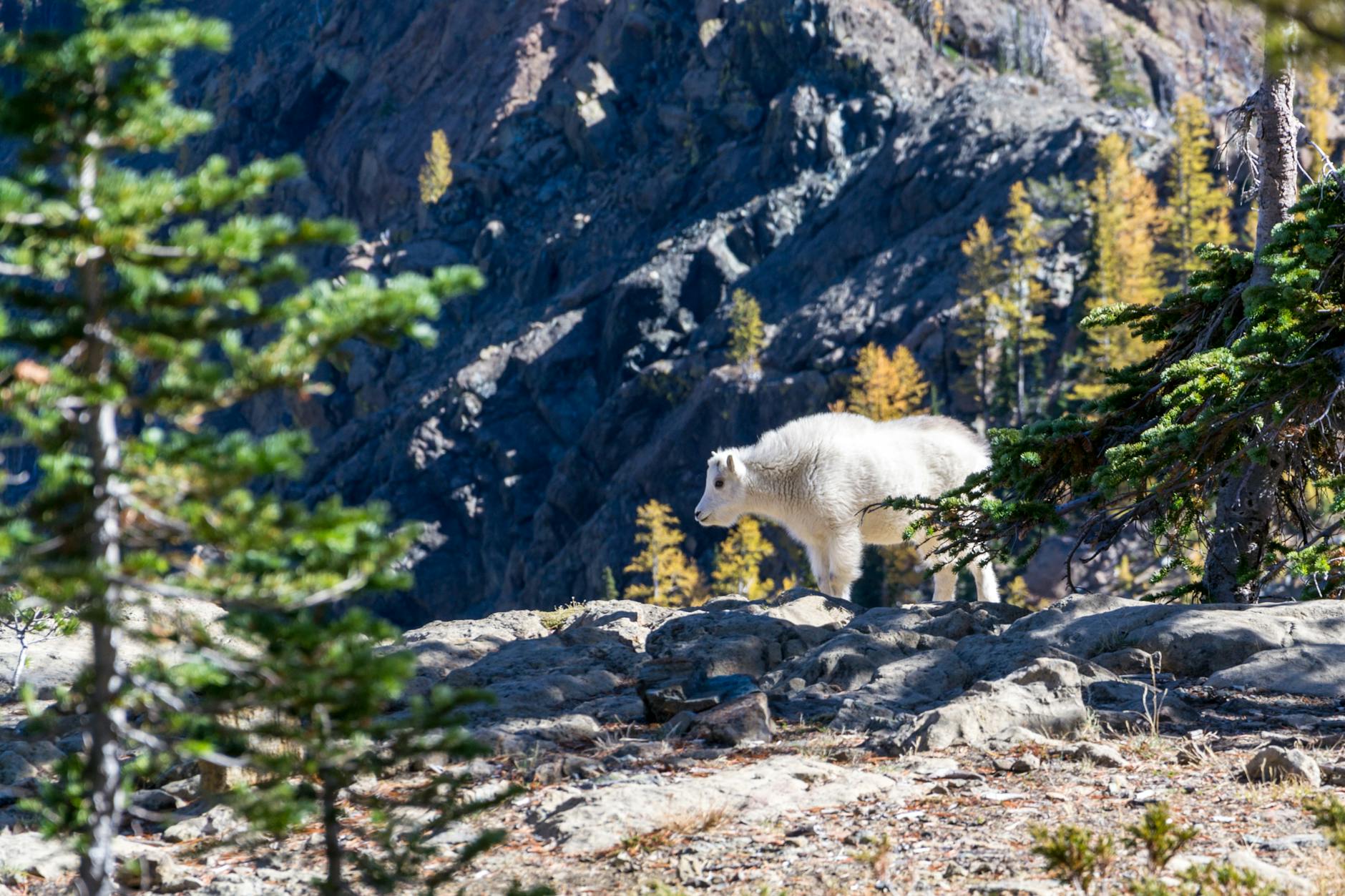
- 🐐 Easiest sighting: Mountain goats at Logan Pass and Goat Lick Overlook (just 5 minutes east of Essex)
- 🐻 Best bear area: Many Glacier valley — grizzlies frequent the slopes and meadows here more than anywhere else in the park
- 🕐 Prime hours: Early morning (6-9 AM) and late evening (6-8 PM) for nearly all species
- 📏 Safety rule: Stay 75 feet from goats, sheep, moose, and elk — 300 feet from bears (NPS requirement)
- 💵 Entry cost: $35/vehicle for a 7-day pass or $80 for an annual America the Beautiful pass
- 💡 Goat Lick Overlook is the park's most underrated wildlife spot — mineral salt deposits draw dozens of mountain goats to a single cliff face, and most families drive right past it (see the Mountain Goats section below)
- 🧮 Use our budget calculator to estimate your full Glacier trip cost
Why Glacier Stands Out for Family Wildlife Viewing
Most national parks require serious backcountry effort to spot large mammals. Glacier flips that script. The park's geography — narrow valleys, alpine meadows pressed against the road, and mineral licks right off the highway — puts wildlife within binocular range of families who never leave the parking lot.
Glacier is home to over 70 mammal species, but five draw the most attention: mountain goats, grizzly bears, bighorn sheep, moose, and elk. Is it worth planning a trip around wildlife viewing here? For families who want to see large animals in a wild setting, the answer is yes. But it takes timing and a willingness to get up early. For the full logistics picture, our Glacier family guide covers lodging and day-by-day itinerary ideas.
Mountain Goats: The Park's Signature Animal
Mountain goats are Glacier's most reliably spotted large mammal. The park's logo features one for good reason — they're everywhere at high elevation and don't spook easily around people.
Logan Pass
The Hidden Lake Overlook trail from Logan Pass Visitor Center is probably the single best spot to see mountain goats. They graze in the alpine meadows right along the boardwalk, sometimes within 30 feet of hikers (they've been around tourists for decades at this point). Logan Pass parking fills by 8:30 AM in peak summer — arriving by 7 AM helps with both parking and prime goat activity.
Goat Lick Overlook
Here's the spot most families miss. Goat Lick Overlook sits along Highway 2, about five minutes east of Essex. A natural mineral salt deposit on a steep cliff face draws mountain goats down from the heights — sometimes dozens at once — and they're remarkably acrobatic doing it. What makes it special for families? Zero hiking required. There's a paved overlook with interpretive signs, and the goats are across a small canyon at a naturally safe distance. Late May through July is peak season.
Highline Trail
The Highline Trail, starting from Logan Pass, runs along the Continental Divide with mountain goats frequently spotted along the first two miles. This trail has exposed drop-offs, though, so it's better suited for families with older kids (ages 8+) who are comfortable with heights. The goats here are used to hikers and often graze within sight of the trail.
Grizzly Bears: Where to Look and How to Stay Safe
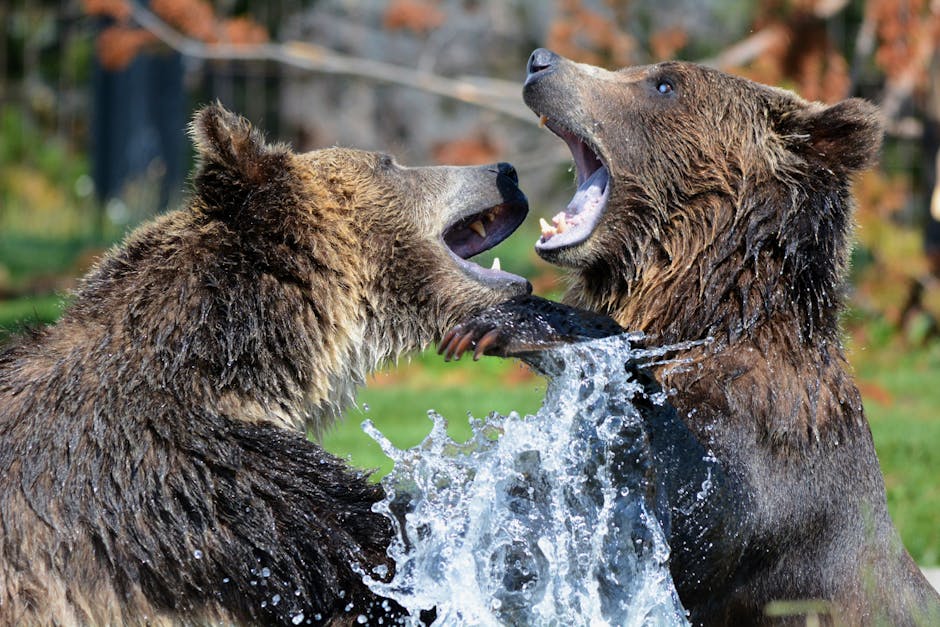
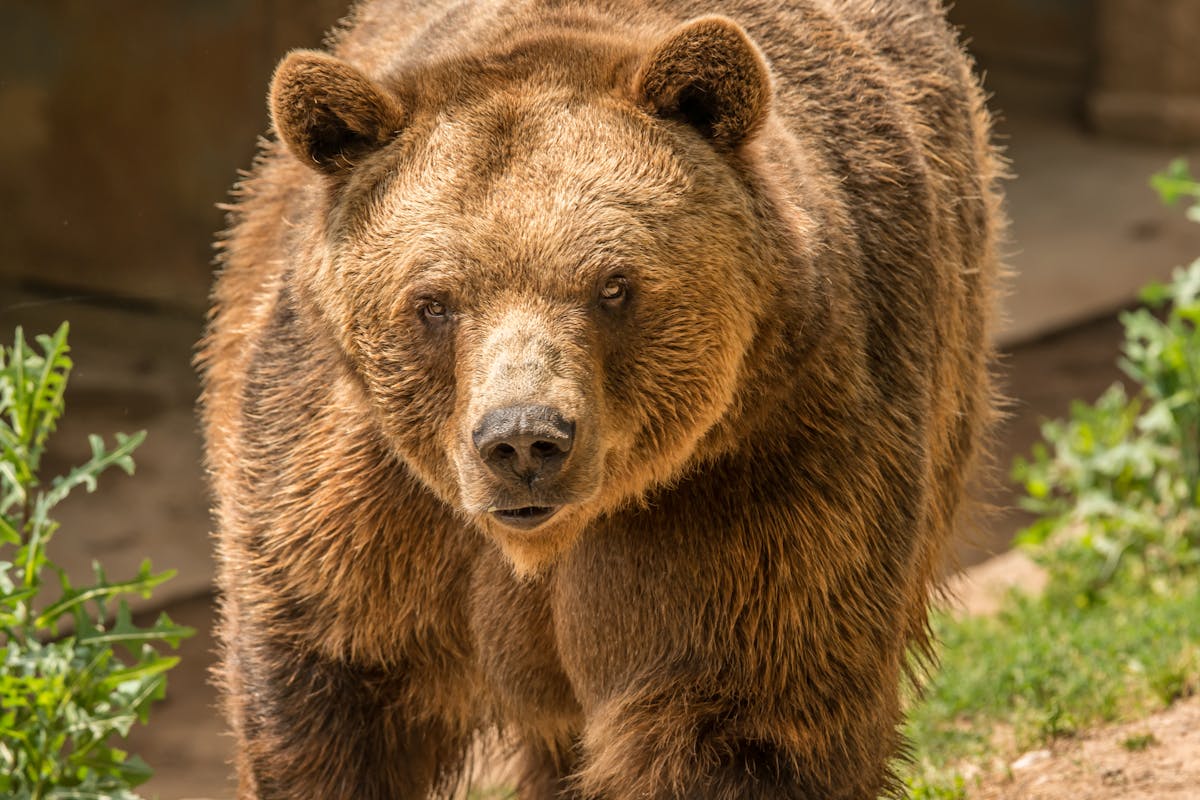
Glacier has one of the highest grizzly bear densities in the lower 48. That's exciting for wildlife watchers and a genuine safety consideration for families — both things can be true at once.
Many Glacier Valley
If a family has one day for bear watching, Many Glacier is the place. The valley's open meadows and berry-rich slopes make grizzlies visible from a distance — often from the Swiftcurrent Motor Inn parking area or the Many Glacier Hotel deck. The slopes above Grinnell Glacier Trail are particularly good in late summer when bears feed on huckleberries. Check with rangers at the Many Glacier Ranger Station each morning for current trail conditions and closures.
Two Dog Flats
This open meadow along Going-to-the-Sun Road (between St. Mary entrance and Rising Sun) is another reliable bear spot. Grizzlies and black bears graze here in spring and early summer, visible from roadside pullouts — no need to leave the car, which is particularly helpful with sleeping toddlers in the backseat.
Avalanche Paths Near Lake McDonald
Avalanche chutes along the Lake McDonald valley create natural clearings where bears forage, best spotted with binoculars from Going-to-the-Sun Road pullouts. Spring (late April through June) is the best window, before the forest canopy fills in.
Bear Safety for Families
The NPS requires a minimum distance of 300 feet (100 yards — roughly the length of a football field) from bears. Carry bear spray and know how to use it. Keep it on your belt or chest strap, not buried in your pack. Talk to kids before the hike about what to do if they see a bear: stay calm, don't run, back away slowly, and make themselves look big. Bear spray is available at park visitor centers and can be rented from outfitters in West Glacier.
Bighorn Sheep, Moose, and Elk
Bighorn Sheep
Bighorn sheep are harder to spot than goats or bears, but finding them feels like a real accomplishment. The scree fields below Pollock Mountain and the Oberlin Bend area near Logan Pass are the most reliable locations. They blend into rocky terrain far better than mountain goats, so binoculars are essential. Why don't more families see them? Bighorns stay on steep slopes at midday and move to lower grazing areas at dawn and dusk. An early stop at Oberlin Bend — before heading to Logan Pass — gives families the best shot.
Moose
Moose sightings are less common, but the Swiftcurrent Lake area near Many Glacier is the top spot. They browse on willows along lakeshores in early morning. The 75-foot distance rule matters especially here — moose actually injure more people in national parks than bears do, which surprises most families. The Fishercap Lake trail (a short, flat walk from Swiftcurrent parking lot) passes through classic moose habitat and is easy enough for kids of any age.
Elk
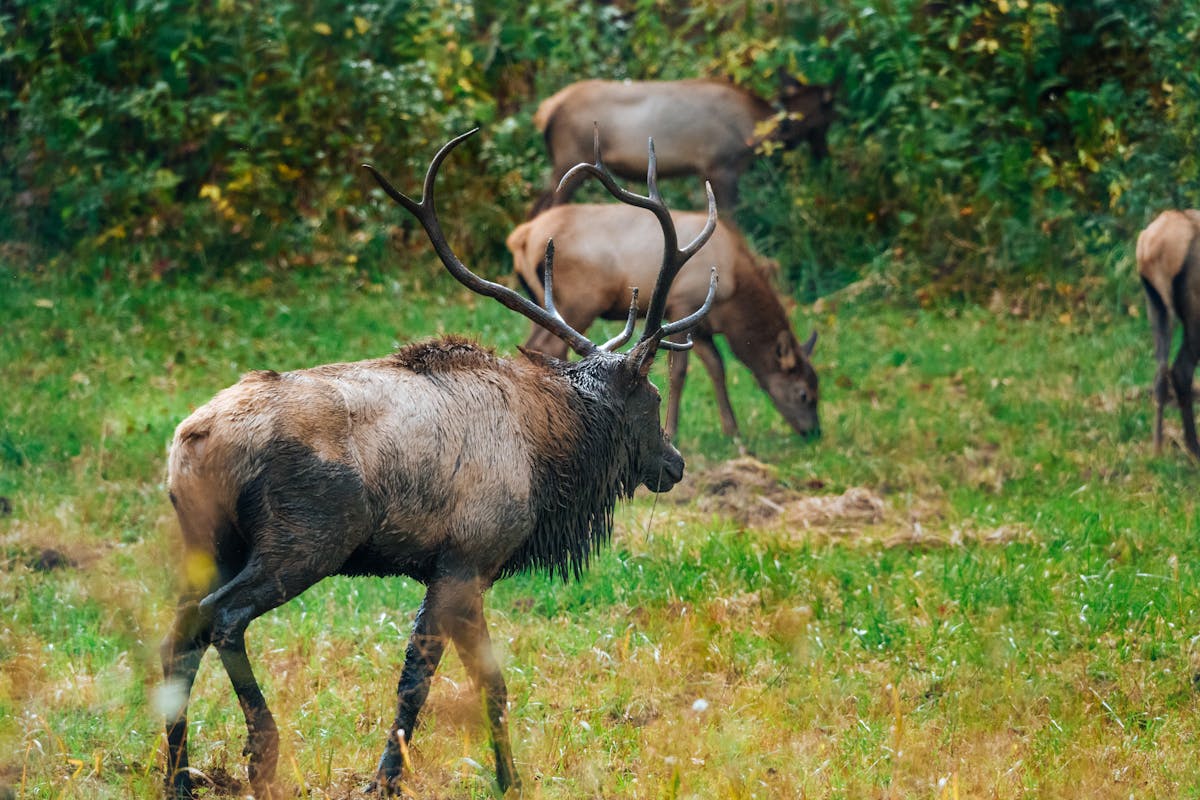
Elk are the most common large mammal visitors will encounter, particularly in lower-elevation meadows on both the east and west sides of the park. They're often seen grazing near St. Mary, in the Apgar area, and along the North Fork road. During fall rut (September and October), bull elk bugle — a haunting, high-pitched call that kids find either fascinating or slightly terrifying. Probably both.
For a deeper comparison between Glacier's wildlife and what families can expect at other mountain parks, our Rocky Mountain vs Glacier comparison breaks down the differences.
Best Times and Seasons for Wildlife Viewing
Families who time their visit right will see far more than those who show up on a random summer weekend and hope for the best.
Spring (Late April - June)
Bears are the main draw. Grizzlies emerge from hibernation hungry and visible in open meadows and avalanche chutes. The downside? Going-to-the-Sun Road typically doesn't fully open until late June or early July, limiting spring visitors to lower-elevation areas.
Summer (July - August)
Peak season for mountain goats at Logan Pass and the Highline Trail. All roads open, high trails snow-free. It's also the most crowded period — Logan Pass parking requires very early arrival. The crowds don't bother the goats, though.
Fall (September - October)
Fall brings elk rut, bear hyperphagia (pre-hibernation feeding frenzy), and fewer crowds. Bears are especially active, feeding on huckleberries for up to 20 hours a day. Going-to-the-Sun Road can close with early snowfall. It's a gamble, but the payoff is excellent activity with a fraction of summer visitors.
Photography Tips for Families
Great wildlife photos don't require professional gear — just preparation. A 200-400mm telephoto lens handles most situations. For smartphone-only families, a clip-on telephoto attachment ($15-40) is a lot better than digital zoom.
- Stability matters more than zoom. A beanbag on a car window steadies long lenses better than handholding. Lightweight tabletop tripods pack small and work well for kids who want to try.
- Shoot at eye level. The most striking wildlife images are taken at the animal's height, not looking down from above.
- Use burst mode. Animals move unpredictably. Taking 10-15 shots in a burst and picking the best one later is standard practice.
- Include the landscape. A mountain goat with Glacier's peaks behind it tells a better story than a tight crop alone.
Honest opinion: the best wildlife photo from a family trip is often the one that captures a kid's reaction to seeing a grizzly for the first time. Don't forget to turn the camera around occasionally.
What to Pack for Wildlife Viewing
The park's weather shifts fast at elevation — a sunny morning at Logan Pass can become a 40-degree wind tunnel by noon. Layering isn't optional here.
- Binoculars: Non-negotiable. Even a budget 8x42 or 10x42 pair transforms the experience.
- Bear spray: One canister per adult, in a belt or chest holster. Available at park visitor centers ($40-50).
- Layers: Base layer, fleece, wind/rain shell. Cold mornings even in July.
- Camera with zoom: 200mm minimum for usable shots.
- Snacks and water: Wildlife viewing involves waiting. Hungry kids don't wait well.
For a full gear list customized to your trip, our smart packing list tool generates recommendations based on Glacier's current weather and planned activities.
Family-Friendly Viewing Spots by Difficulty
Not every family wants to hike five miles for a sighting. A car-window view still counts.
No Hiking Required
- Goat Lick Overlook — Paved pullout, mountain goats on the cliff face. Stroller-friendly.
- Two Dog Flats pullouts — Bears in the meadow, visible from your vehicle.
- Many Glacier Hotel deck — Grizzlies on distant hillsides, coffee in hand.
- St. Mary and Apgar meadows — Elk, deer, and occasional coyotes.
Easy Walks (Under 2 Miles)
- Hidden Lake Overlook from Logan Pass — Mountain goats along the boardwalk.
- Fishercap Lake trail — Flat, short moose habitat walk. Great for young kids.
Moderate Hikes (2-6 Miles)
- Highline Trail (first 2 miles) — Goats and bighorn sheep. Exposed sections, best for ages 8+.
- Grinnell Glacier Trail (to Josephine Lake) — Bear habitat with grizzlies on slopes above.
Costs and Logistics
The animals are free — the main cost is getting there and staying nearby.
- Park entry: $35/vehicle (7-day pass) or $80 for an annual America the Beautiful pass.
- Bear spray: Rent for $8-12/day or buy for $40-50. Can't fly with it, so renting makes sense for families flying in.
- Going-to-the-Sun Road access: No vehicle reservation is required in 2026. Instead, Logan Pass parking is limited to 3 hours and the park shuttle to Logan Pass is ticket-only (Recreation.gov), so plan an early start.
The biggest expense is lodging. Many Glacier Hotel and Swiftcurrent Motor Inn book 6-12 months out. Families who can't get in-park rooms should look at Babb, St. Mary, or East Glacier.
Final Verdict
Glacier National Park is one of the top three wildlife viewing destinations for families in the contiguous United States in 2026, offering mountain goats, grizzly bears, bighorn sheep, moose, and elk — many visible from roadside pullouts without any hiking.
Mountain goats at Logan Pass and Goat Lick Overlook are among the easiest large-mammal sightings in any national park. Many Glacier provides truly wild grizzly bear encounters at safe distances. And so many viewing spots require little to no hiking, making Glacier accessible for families with young children, strollers, or grandparents.
The trade-offs? Summer crowds at Logan Pass are intense, and wildlife doesn't operate on a schedule. But families who arrive early, bring binoculars, and spend time in the right valleys will almost certainly come home with stories worth telling. For the full logistics picture, check the Glacier family guide.
Frequently Asked Questions
Glacier National Park is home to over 70 mammal species in 2026, but five draw the most attention: mountain goats, grizzly bears, bighorn sheep, moose, and elk. Mountain goats are the most reliably spotted, especially at Logan Pass and Goat Lick Overlook. Grizzlies are seen most often in the Many Glacier valley, while moose browse the willows around Swiftcurrent Lake and elk graze the lower meadows near St. Mary and Apgar. Black bears also live here, though they are spotted far less often than goats.
Grizzly bear sightings are most likely in the Many Glacier valley of Glacier National Park, which has one of the highest grizzly densities in the lower 48 in 2026. The valley's open meadows and berry-rich slopes let families spot bears from a distance, often from the Swiftcurrent Motor Inn parking area or the Many Glacier Hotel deck. Odds rise in late summer when grizzlies feed on huckleberries above the Grinnell Glacier Trail, and in spring at Two Dog Flats along Going-to-the-Sun Road. NPS rules require staying at least 300 feet (100 yards) from any bear.
Moose are one of the harder large mammals to spot in Glacier National Park, but the Swiftcurrent Lake area near Many Glacier is the top spot, best visited within the first 90 minutes after sunrise. They browse on willows along the lakeshore in early morning, so dawn is the prime window. The flat Fishercap Lake trail, a short walk from the Swiftcurrent parking lot, runs through classic moose habitat and is easy for kids of any age. Keep at least 75 feet back, since moose injure more people in national parks than bears do.
The best time of day to see wildlife in Glacier National Park is the golden hours, the first and last 90 minutes of daylight, which run roughly 6-9 AM and 6-8 PM. Nearly all large mammals are most active then, and a family that reaches Many Glacier by 6:30 AM will often see more before breakfast than most visitors see all day. Sightings drop off at midday, when animals are least active. Early arrival also beats the crowds, since Logan Pass parking fills by 8:30 AM in peak summer.
The National Park Service requires visitors to stay at least 75 feet (25 yards) from mountain goats, bighorn sheep, moose, and elk, and at least 300 feet (100 yards) from bears in 2026. These distances are firm requirements, not suggestions. Binoculars rated 10x42 or higher and a telephoto lens are the safest way to get a close look, since animals like the Goat Lick mountain goats can sit 200 or more yards away. If an animal changes its behavior because of your presence, you are too close.
Late spring through early fall, roughly late April to October, offers the best wildlife viewing in Glacier National Park. Spring, from late April to June, is ideal for grizzlies emerging from hibernation and feeding in open meadows, though Going-to-the-Sun Road usually does not fully open until late June or early July. Summer, July to August, brings mountain goats to Logan Pass and the Highline Trail along with the heaviest crowds. Fall, September to October, delivers the elk rut and bears feeding on huckleberries up to 20 hours a day, with far fewer visitors.
Glacier National Park is safe for families with young children when parents follow NPS wildlife rules, including the 75-foot and 300-foot distance limits, in 2026. Stick to boardwalks and paved trails like the Hidden Lake Overlook boardwalk at Logan Pass, carry bear spray on every hike, and keep kids within arm's reach in bear country. Roadside pullouts and the paved Goat Lick Overlook, which needs zero hiking, let families watch goats and bears safely without a trail. The flat Fishercap Lake trail near Swiftcurrent is another easy option for toddlers.
Glacier National Park charges $35 per vehicle for a 7-day pass in 2026, or $80 for an annual America the Beautiful pass that covers every national park and federal recreation area. Wildlife viewing adds nothing on top of that, since mountain goats, bears, and elk are all visible from free roadside pullouts. Use our budget calculator to estimate your full Glacier trip cost including lodging, food, and gear.
Yes, the National Park Service strongly recommends carrying bear spray on every hike in Glacier National Park, which has one of the highest grizzly densities in the lower 48. Carry it on your belt or chest strap where you can reach it fast, not buried in your pack. Bear spray is sold at park visitor centers and can be rented from outfitters in West Glacier, so families who fly in can pick some up after they arrive. Pair it with the 300-foot bear distance rule and a quick talk with kids about staying calm, not running, and backing away slowly.
Data Sources and Methodology
This guide uses verified data from official sources:
- National Park Service — Glacier National Park — wildlife information, safety guidelines, entrance fees, and distance requirements
- NPS Glacier Wildlife Page — species lists and viewing recommendations
- Glacier National Park Conservancy — field guides, visitor resources, and conservation information
- NPS Bear Safety Guidelines — bear spray usage, distance requirements, and encounter protocols
Last verified: March 2026