Going-to-the-Sun Road with Kids (2026)
Stop-by-stop guide for families: the best pullouts, kid-friendly hikes, and what changed with reservations this year
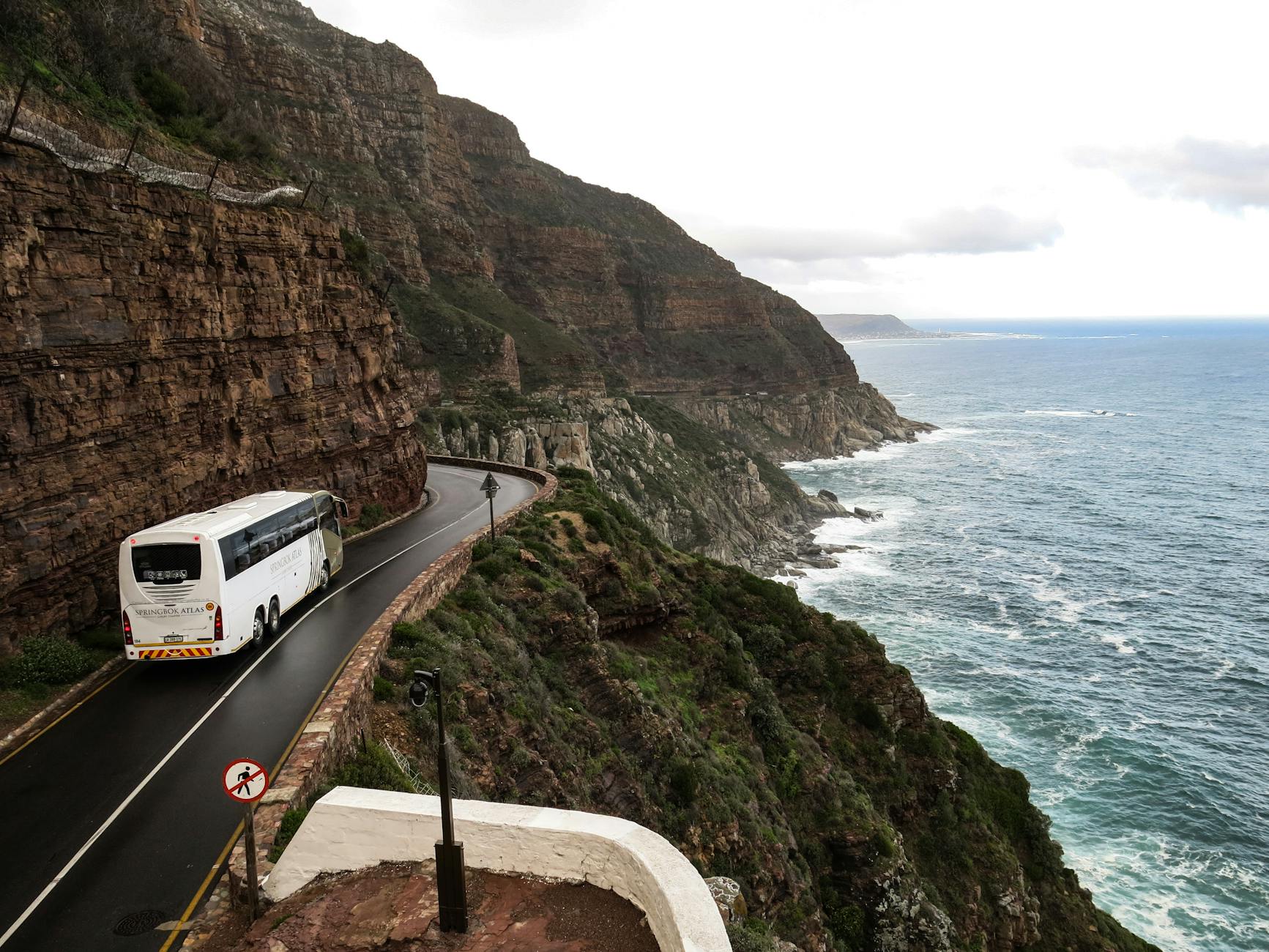
Quick Answer
- Going-to-the-Sun Road in Glacier National Park is a 50-mile drive crossing the Continental Divide at Logan Pass (6,646 ft), and vehicle reservations are no longer required for 2026.
- 💡 Where most Glacier days slip: It isn't whether you still need a vehicle reservation (you don't, for 2026). It's the new 3-hour Logan Pass parking limit that starts July 1 and a lot that fills by 9 AM, so families who aren't on the road before 8 AM lose the morning. The full timing breakdown below shows where the day actually goes.
- 🕐 Drive time: 2 hours nonstop, but 5-7 hours with kid-friendly stops is realistic
- 📅 Road opening: Typically late June to early July through mid-October (weather dependent)
- 🅿️ New for 2026: Logan Pass parking capped at 3 hours starting July 1 — ticketed shuttle available from both sides
- 🚗 Vehicle limits: Max 21 ft long, 8 ft wide, 10 ft tall between Avalanche Creek and Rising Sun
- ⚠️ Skip if: Your kids get severely carsick on mountain switchbacks — the west side climb is intense
- 💡 The shuttle change matters more than you think — families who don't plan for it will waste prime morning hours in line (see Shuttle section below)
- 🧮 Use our budget calculator to estimate your full Glacier trip costs
What Changed for 2026 (Read This First)
Glacier National Park scrapped its vehicle reservation system for 2026. Gone. After years of requiring timed-entry tickets to access Going-to-the-Sun Road during peak hours, the park is trying something different.
Here's what replaced it: a ticketed shuttle system and time-limited parking at Logan Pass. Starting July 1 (weather permitting), all private vehicles parked at Logan Pass must leave within 3 hours. That's enough time to hike to Hidden Lake Overlook, visit the Logan Pass Visitor Center, or catch a ranger-led program — but it means families can't linger all day like they used to.
How the New Shuttle Works
The park runs shuttle routes from both sides of the road. West side shuttles depart from Apgar Transit Center and Lake McDonald Lodge, with afternoon stops at the Loop and Logan Pass. East side shuttles leave from St. Mary Visitor Center and Rising Sun, with transfers at Logan Pass.
One catch for families: Avalanche Lake and Trail of the Cedars won't be accessible by shuttle in 2026. You'll need to drive there yourself.
So is this better for families than the old reservation system? Probably yes. No more scrambling for vehicle reservations 120 days out. But the 3-hour Logan Pass limit means planning when to arrive matters even more. An early start — before 8 AM — still gives the best experience with the least stress.
West Glacier hotels on Expedia — staying near the west entrance or Apgar puts you on the road before the Logan Pass lot fills around 9 AM.
Stop-by-Stop Guide (West to East)
Driving west to east is the recommended direction for families. The climb is more gradual on this side, the scenery builds toward a dramatic payoff at Logan Pass, and nervous passengers sit on the mountain side rather than the cliff edge. Here are the stops worth pulling over for.
Stop 1: Apgar Village and Lake McDonald
Start here. Grab snacks at the camp store (there's no gas inside the park, so fill up in West Glacier). Lake McDonald is stunning in the early morning when the water is glass-calm and reflects the surrounding peaks. The rocky shoreline is great for kids who want to throw stones before a long car ride.
Lake McDonald Lodge, about 10 miles in, has a historic Swiss chalet feel and public restrooms. Worth a quick walk-through with older kids.
Stop 2: Trail of the Cedars
This is the single best stop for young children on the entire drive. A 0.7-mile boardwalk loop winds through an ancient cedar-hemlock forest with massive trees and Avalanche Creek cutting through a narrow gorge below. Stroller-friendly. Wheelchair-accessible. Cool and shaded on hot days.
Families with older kids (7+) can extend the hike to Avalanche Lake, a 4.5-mile round trip that's one of Glacier's most rewarding and accessible trails. Budget 2-3 hours for the full out-and-back.
Stop 3: The Loop
A sharp switchback with parking and views of Heavens Peak. Good bathroom stop. The elevation changes fast here, so kids prone to ear popping should start chewing gum or swallowing. From this point, the road gets narrow and the guardrails get serious.
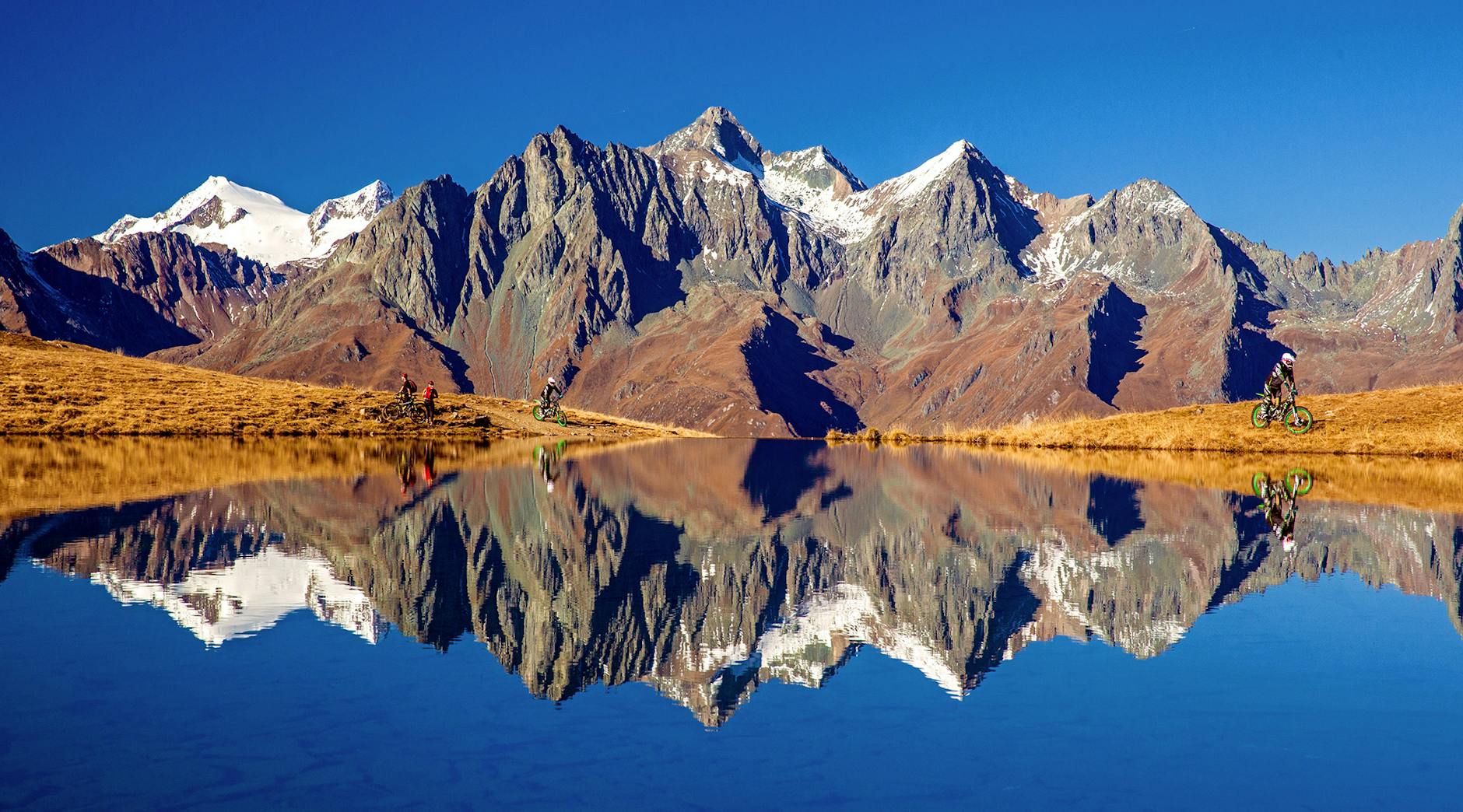
Stop 4: Weeping Wall
Water literally cascades over the road here in early summer. Kids love it. Roll down the windows (passenger side only, unless you want a soaked driver) and drive slowly through the waterfall. By late August the flow drops off, but in July it's a guaranteed kid-pleaser.
Stop 5: Big Bend
One of the best photo ops on the drive. You can see the road snaking along the mountainside above and below you. Quick pullout — 5 minutes is enough, but the views here are jaw-dropping. Haystack Creek waterfall is just up the road and visible from the car.
Stop 6: Logan Pass — The Main Event
Everything builds to this. At 6,646 feet, Logan Pass sits on the Continental Divide with 360-degree views that justify the entire drive. Mountain goats graze the meadows near the visitor center — sometimes within 20 feet of the parking lot. Bighorn sheep show up regularly too.
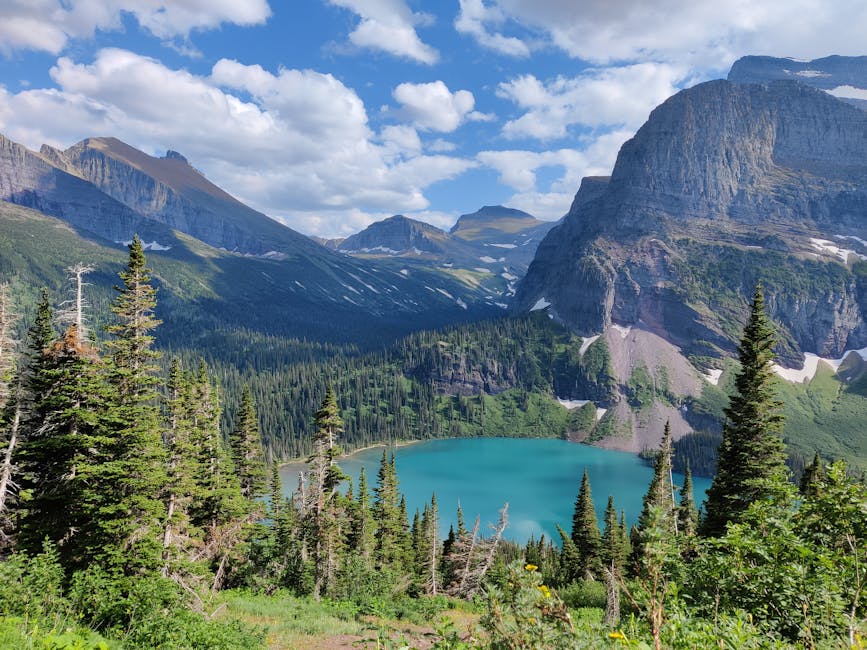
Hidden Lake Overlook is the signature hike from Logan Pass: 1.5 miles each way with 460 feet of elevation gain. Families with kids ages 6+ handle it well, though the boardwalk section can be snow-covered into July. The overlook reveals a turquoise alpine lake backed by Bearhat Mountain. Worth every step.
Remember: the new 3-hour parking limit starts July 1, 2026. Arrive early, hike to the overlook, check out the visitor center, and head out. For families wanting more time at Logan Pass, the ticketed shuttle lets you stay longer without parking concerns.
Stop 7: Jackson Glacier Overlook
The best glacier viewing point accessible from the road. Jackson Glacier is one of the park's remaining 25 named glaciers, and it's shrinking fast. This stop is a natural teaching moment for kids about climate change — bring binoculars if you have them. The overlook has interpretive signs with comparison photos from decades past.
Stop 8: Wild Goose Island Overlook
You've seen this photo before, even if you don't know it. The tiny island in St. Mary Lake with mountains behind it is one of the most photographed spots in Montana. Quick stop. Get out, grab the shot, move on. Early morning light makes this one special — if you're coming from the east side, hit it first.
Stop 9: Sun Point
A short walk from the parking area leads to panoramic views of St. Mary Lake. Less crowded than other stops. Good for a picnic if you packed lunch (and you should — food options inside the park are limited and pricey). The breezes off the lake feel great after hours in the car.
Stop 10: St. Mary Visitor Center
The drive ends here. Use the restrooms, check out the exhibits, and let kids stretch. Rising Sun is nearby if your family wants food at the camp store. From St. Mary, you can loop back on Highway 2 through East Glacier or continue north toward Many Glacier — one of the park's best areas for wildlife viewing with kids.
Timing Strategy for Families
When you drive matters almost as much as where you stop. Here's how different windows play out for families.
Early Morning (Before 8 AM) — Best Option
This is the sweet spot. Logan Pass parking stays available (it typically fills by 9 AM in peak season), wildlife is most active, and the road is quiet. Yes, it means an early wake-up. But families who start at 6 AM consistently report the best experience — fewer cars, more animals, better photos.
One downside: if you're camping, early mornings are cold at elevation. Pack layers for everyone, including fleece and windbreakers. Logan Pass at 7 AM in July can be 40-45°F.
Midday (9 AM - 3 PM) — Crowded but Doable
Most visitors drive during this window. Logan Pass parking will hit the 3-hour limit. Pullouts fill up. The shuttle becomes the practical option for Logan Pass access. But midday works fine for the rest of the stops — Trail of the Cedars, Weeping Wall, and the overlooks don't have the same parking crunch.
Late Afternoon (After 4 PM) — Strong Alternative
Golden hour light on the mountains is spectacular. Crowds thin after 4 PM. The west-facing peaks glow at sunset. Downsides: some visitor centers close, and you might be driving back in the dark (the road has no lights). Families with kids who nap in the afternoon can time this well.
Costs and Entrance Fees
Driving the road itself is free once you're in the park. But you do need to pay the Glacier entrance fee or have a valid pass.
- Glacier National Park Annual Pass: $70 — covers everyone in one private vehicle (up to 15 passengers)
- America the Beautiful Pass: $80 — covers all national parks for a year, solid value if you're hitting multiple parks
- 7-Day Vehicle Pass: $35 — single vehicle entry for a week
- Shuttle tickets: Available on Recreation.gov (pricing TBD for 2026)
Note for 2026: international visitors and non-US residents will be charged an additional per-person fee for ages 16 and older. Details are still being finalized by NPS.
Beyond the entrance fee, budget for gas (fill up in West Glacier or St. Mary — no fuel inside the park), food, and any lodging. EV charging is available near Lake McDonald Lodge. For a full breakdown, check our Glacier family guide which covers lodging, camping, and activity costs.
Vehicle Rules and Safety
The size restrictions between Avalanche Creek and Rising Sun are strictly enforced: 21 feet maximum length, 8 feet wide, 10 feet tall. That rules out most RVs, large trucks with extended mirrors, and anything towing a trailer. Vehicles over 10 feet tall may struggle even west of Logan Pass due to rock overhangs.
Speed and Safety
Speed limits drop to 25 mph on the alpine section for good reason — blind curves, no shoulders, and opposing traffic on a road originally designed for Model Ts. Keep headlights on. Use pullouts to let faster drivers pass. And don't stop in the road for wildlife photos, even if a mountain goat is standing right there.
Bicycles are banned between the Apgar turnoff and Logan Pass from 3 PM to 6 PM (both directions) from late May through early September. If you're planning to bike with older teens, mornings are the window.
Which Direction Should Families Drive?
West to east is the standard recommendation and it's right for most families. The climb is more gradual, passengers on the right side are against the mountain (not the cliff), and the scenery builds toward the big reveal at Logan Pass.
East to west works if you're staying near St. Mary. The descent on the west side is more dramatic, and you'll hit Wild Goose Island Overlook with morning light. But nervous passengers will be on the cliff side during the steepest sections. Honest opinion? West to east is better with kids, even if it means a longer drive to the starting point.
St. Mary family lodging on Expedia — an east-side base near St. Mary or Rising Sun shortens the morning drive to Logan Pass and reaches Wild Goose Island in first light.
What to Pack for the Drive
Glacier's weather shifts fast, especially at elevation. Logan Pass can be 45°F with wind while the valley floor sits at 75°F. Families should bring:
- Layers for every family member — fleece and a rain jacket at minimum
- Sunscreen and hats (high altitude sun burns quickly, even on cloudy days)
- Snacks and water — a full cooler is smart, since food inside the park is limited
- Binoculars for wildlife spotting and glacier viewing
- Motion sickness bags or medication for kids who get carsick on switchbacks
- Bear spray if you're hiking (available for purchase in West Glacier and St. Mary)
Going-to-the-Sun Road vs Trail Ridge Road
These two get compared constantly, and it's a fair question. Both are high-elevation scenic drives through national parks. But they're different experiences.
Going-to-the-Sun Road is narrower, more dramatic, and feels more exposed. The cliff sections are real. Trail Ridge Road in Rocky Mountain National Park is wider, climbs higher (topping out at 12,183 ft), and feels less nerve-wracking for anxious drivers. Trail Ridge also has no vehicle size restrictions.
For families? Going-to-the-Sun Road wins on kid-friendly stops. Trail of the Cedars, Weeping Wall, and Logan Pass give kids interactive experiences beyond just looking out the window. Trail Ridge is more of a pure drive. For a deeper comparison, see our Rocky Mountain vs Glacier comparison.
Final Verdict
Going-to-the-Sun Road is the best scenic drive in the US national park system for families, and the 2026 changes — no vehicle reservations, new shuttle access, 3-hour Logan Pass parking — make it more accessible than it's been in years. Start early, pack layers, stop at Trail of the Cedars and Logan Pass at minimum, and budget a full day. This isn't a drive to rush.
The road typically opens late June to early July. Check the NPS road status page before booking anything. And if Glacier is your main destination, plan at least 3 days in the park — the road alone deserves one full day, but Glacier has much more beyond it.
Frequently Asked Questions
No, Glacier National Park dropped vehicle reservations for Going-to-the-Sun Road in 2026, so families can drive it anytime without a timed-entry ticket. The trade-off is a new 3-hour parking limit at Logan Pass starting July 1 (weather permitting) and a ticketed shuttle that serves Logan Pass from both sides. Shuttle tickets sell on Recreation.gov; a portion release 60 days in advance starting May 2, 2026 at 8 AM MDT, and the rest go on sale at 7 PM MDT for next-day entry beginning June 30. Booking the 60-day window is smart, because next-day tickets go fast.
Going-to-the-Sun Road typically opens fully from late June to early July and stays drivable through mid-October in 2026, depending on snowpack and plowing. The full cross-park drive over Logan Pass is a seasonal route, not a year-round one, so the exact opening date shifts with the weather each year. Check the live NPS road status page before you go, since crews sometimes reach Logan Pass earlier or later than expected.
A nonstop drive on Going-to-the-Sun Road takes about 2 hours, but families should plan 5-7 hours to cover the 50-mile route with kid-friendly stops in 2026. Trail of the Cedars, Weeping Wall, Big Bend, and Logan Pass all pull families out of the car, and the new 3-hour parking cap at Logan Pass shapes how long you can linger at the top. Adding the Avalanche Lake hike, a 4.5-mile round trip, takes another 2-3 hours. Use our budget calculator to estimate the full Glacier trip cost while you map out the day.
Glacier's 2026 shuttle runs the length of Going-to-the-Sun Road, with west-side pickups at Apgar Transit Center and Lake McDonald Lodge and east-side pickups at St. Mary Visitor Center and Rising Sun, both ends connecting at Logan Pass. The shuttle is the way to stay at Logan Pass past the 3-hour parking limit without watching the clock. One catch for families: Avalanche Lake and Trail of the Cedars are not reachable by shuttle in 2026, so you have to drive to those yourself. Tickets sell on Recreation.gov, and the 60-day advance window is the one to target.
Going-to-the-Sun Road allows vehicles only up to 21 feet long, 8 feet wide, and 10 feet tall between Avalanche Creek and Rising Sun, so most large RVs are prohibited on that stretch. Many motorhomes are longer than 21 feet or exceed the height or width limits, which rules them out for the central section. Families traveling in a big rig should leave it at a campground and drive a smaller vehicle or ride the shuttle through the middle of the road.
Going-to-the-Sun Road reaches one roadside glacier viewpoint, Jackson Glacier Overlook, which looks out on one of Glacier National Park's 25 remaining named glaciers. You will not drive up to many glaciers from the road itself; most have retreated out of easy view, and Jackson is the one clearly visible from a pullout. The overlook has interpretive signs comparing past and present, which makes an easy teaching moment about how fast the park's ice is shrinking, so pack binoculars if you have them.
Going-to-the-Sun Road is a narrow 50-mile mountain road where the guardrails get serious past the Loop, and families lower the risk by driving west to east so passengers sit on the mountain side rather than the cliff edge. The climb is more gradual heading west to east, which also helps kids who get carsick or anxious on the switchbacks. Going slowly and using the pullouts keeps the drive calmer; the road has no lights, so families who linger past sunset should avoid the highest, narrowest stretches after dark.
The best time to drive Going-to-the-Sun Road with kids is before 8 AM, because Logan Pass parking typically fills by 9 AM in peak season in 2026. An early start also means more active wildlife and a quieter road; families who roll out around 6 AM tend to report the calmest experience. Late afternoon after 4 PM is a strong alternative for golden light and thinner crowds, though some visitor centers close and the road has no lights for the drive back. Midday from 9 AM to 3 PM still works for lower stops like Trail of the Cedars and Weeping Wall, but expect the 3-hour cap and full lots at Logan Pass.
The Hidden Lake Overlook hike from Logan Pass runs 1.5 miles each way with 460 feet of elevation gain, which kids ages 6 and up generally handle well in 2026. The boardwalk section can stay snow-covered into July, so check conditions and bring grippy shoes early in the season. The payoff is a turquoise alpine lake backed by Bearhat Mountain, and mountain goats often graze the meadows near the trailhead, sometimes within 20 feet of the parking lot.
Data Sources and Methodology
This guide uses verified data from official sources:
- NPS — Going-to-the-Sun Road General Info — road specs, vehicle restrictions, seasonal operations
- NPS — Vehicle Reservations in 2026 — reservation elimination, shuttle system, Logan Pass parking changes
- Flathead Beacon — shuttle routes, ticket booking windows, implementation dates
Last verified: March 2026