Utah Mighty 5 Parks for Families: Honest Guide (2026)
Quick Answer: Utah's Mighty 5 for Families
- Utah's five national parks charge $20-$35 per vehicle in 2026, but the $80 America the Beautiful Pass covers all five and saves families at least $70 on entrance fees alone.
- Best for young kids (ages 2-6): Capitol Reef, orchards, easy drives, $20 entry, smallest crowds
- Best for active families (ages 7+): Zion, iconic hikes, free shuttle system, river play spots
- Best quick stop: Arches, no reservation required in 2026, most iconic views within short walks
- Most underrated: Canyonlands, dramatic canyon views, fewer crowds than Zion or Arches
- Best scenery per mile: Bryce Canyon, kids call the hoodoos "fairy chimneys" and the rim trail works for strollers
- 💡 One pass covers everything: The America the Beautiful annual pass ($80) gets your family into all five parks, plus every national monument and forest. Most families break even after just three parks.
- 🧮 Use our budget calculator to estimate your full Mighty 5 road trip cost
Which park should you start with? That depends on your kids' ages, your energy level, and how many days you've got. See our verdict below.
Side-by-Side Comparison
Here's how the five parks stack up across the categories families care about most. Every entrance fee listed below was verified on NPS.gov in March 2026.
| Category | Zion | Arches | Bryce Canyon | Canyonlands | Capitol Reef |
|---|---|---|---|---|---|
| Entrance Fee (per vehicle) | $35 | $30 | $35 | $30 | $20 |
| Best Ages | 7+ | All ages | All ages | 8+ | All ages |
| Kid-Friendly Trails | Riverside Walk, Lower Emerald Pools | Double Arch, Windows Loop | Rim Trail, Queen's Garden | Mesa Arch, Grand View Point | Hickman Bridge, Cohab Canyon |
| Crowd Level (peak) | Very High | High | Moderate | Low | Low |
| Stroller-Friendly | Riverside Walk only | Some viewpoints | Rim Trail sections | Limited | Scenic Drive pulloffs |
| Reservation Needed (2026) | No (shuttle is free) | No (dropped for 2026) | No | No | No |
| Unique Family Draw | River wading, shuttle adventure | Iconic arches, short walks | Hoodoo formations, stargazing | Canyon overlooks, solitude | Orchards, pie, free fruit-picking |
Entrance Fees and the Pass That Saves You $70
Paying separately at each park adds up fast. Zion and Bryce Canyon both charge $35 per vehicle. Arches and Canyonlands come in at $30 each. Capitol Reef is the bargain at $20. That's $150 total for a family hitting all five.
The smarter move? The America the Beautiful Pass costs $80 and covers every federal recreation site in the country for a full year. For a family of four in one car, it pays for itself after just three Utah parks. And it works at national forests, BLM lands, and monuments too, handy if you're adding stops like Dead Horse Point or Goblin Valley along the way.
One wrinkle for 2026: Zion and Bryce Canyon now charge a $100 nonresident fee to each non-US resident aged 16 and older, on top of the standard entrance fee, unless admitted with an Annual or America the Beautiful Pass. International families visiting those two parks should budget accordingly or grab the $250 non-resident annual pass instead.
Every park pass is valid for 7 consecutive days at the specific park. So if you're spending multiple days at Zion (and you should, it's worth at least two), one entrance fee covers the entire stay.
Park-by-Park Breakdown for Families
Zion National Park
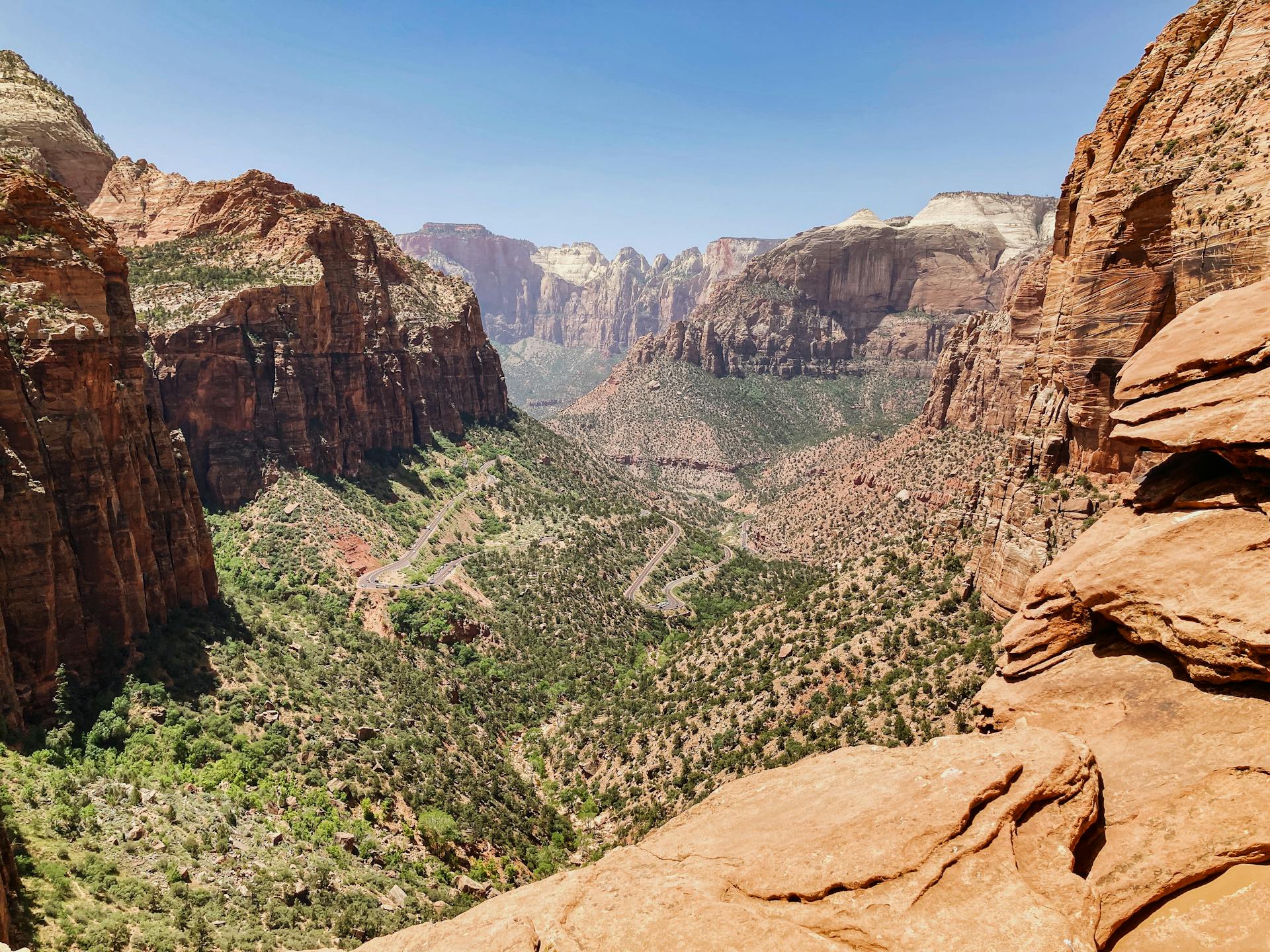
Zion is the park most families picture when they think "Utah road trip." Towering red canyon walls, a river running through the valley floor, and some of the most photographed trails in the national park system. It's also the most crowded of the five, which matters when you're wrangling kids.
The mandatory shuttle system runs from March through November 2026. Private vehicles can't drive the Zion Canyon Scenic Drive during those months. That sounds annoying, but it's actually a win for families: kids love riding the shuttle, and you don't have to stress about parking. The shuttle is free with park admission and runs every 5 to 10 minutes during peak hours.
Best family hikes at Zion:
- Riverside Walk (2.2 miles round-trip, paved): stroller-friendly and ends where the Narrows begins. Kids can wade in the Virgin River at the end.
- Lower Emerald Pools (1.2 miles round-trip): a short trail to a waterfall grotto that keeps little ones interested
- Pa'rus Trail (3.5 miles round trip, paved): the only trail in Zion that allows bikes, great for families with kids who hate walking but love wheels
Skip Angels Landing with kids under 12. The chain section is dangerous with children, and the park rangers will tell you the same thing.
Arches National Park
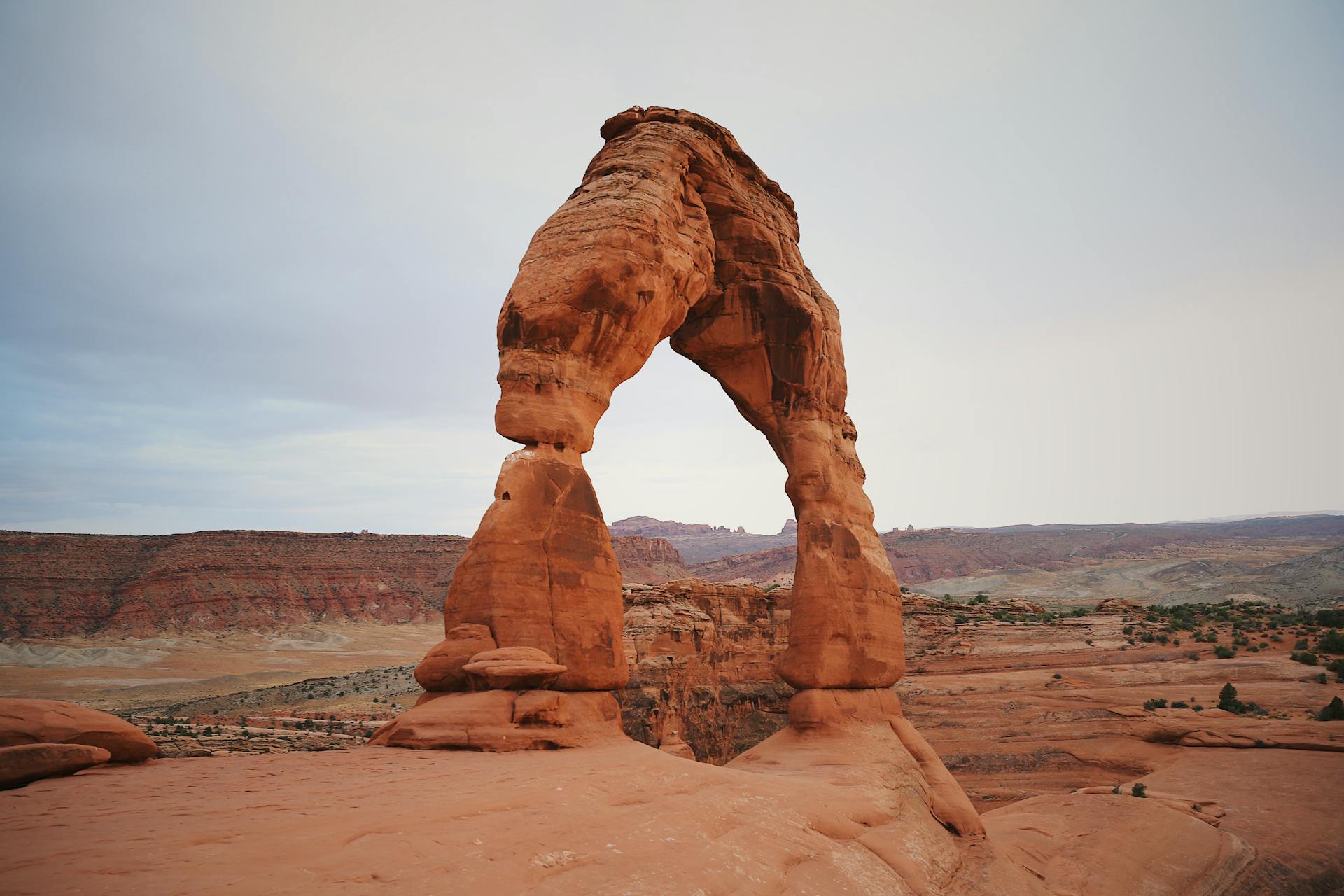
Arches packs the most "wow" per hour of any park on this list. You can see Delicate Arch, Double Arch, and the Windows section in a single day without any strenuous hiking. That makes it ideal for families with mixed ages or limited mobility.
Big news for 2026: Arches dropped its timed-entry reservation system. Families no longer need to pre-book a time slot, which removes one of the biggest headaches from previous years. That said, the park still gets packed between 9 AM and 3 PM during peak season. Arrive early or late to dodge the worst of it.
The hike to Delicate Arch (3 miles round-trip) is doable for kids 6 and older, though the exposed slickrock gets hot by midday. Bring more water than you think you'll need. Double Arch and the Windows Loop are much shorter and work for toddlers in carriers.
How does Arches compare to other national park experiences? Families choosing between western parks should also check our Rocky Mountain vs Glacier comparison for a different kind of mountain trip.
Bryce Canyon National Park
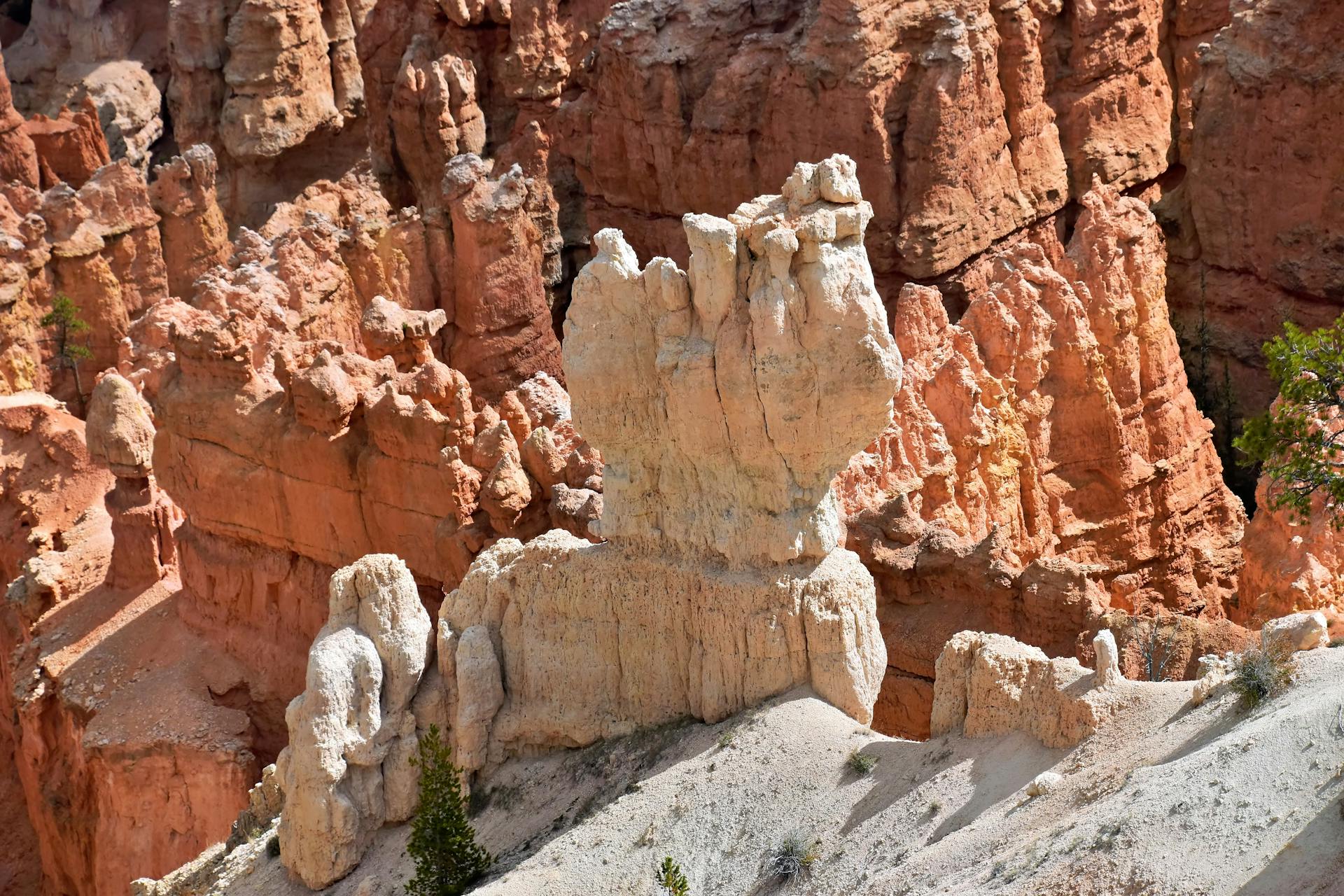
Bryce Canyon stops kids in their tracks. The hoodoo formations, tall, thin rock spires in shades of orange, red, and white, look like something from another planet. Young kids call them fairy chimneys or castle towers, and honestly, they're not wrong.
The Rim Trail is the standout for families. Sections between Sunrise Point and Sunset Point are paved and flat enough for strollers, with constant views into the amphitheater below. For families ready to descend into the canyon, Queen's Garden Trail (1.8 miles round-trip) is the gentlest route down among the hoodoos.
Bryce Canyon sits at 8,000 feet at Sunset Point to 9,115 feet at Rainbow Point, which catches some families off guard. Kids (and adults) who aren't used to altitude may get winded faster than expected. Take it slow the first day, drink extra water, and don't plan your hardest hike for the morning you arrive.
Canyonlands National Park
Canyonlands is the biggest of the five and the least visited. That's its superpower for families. While Zion and Arches fill up by 10 AM in summer, Canyonlands feels almost empty by comparison. The trade-off: it's also the most rugged and has the fewest services.
Most families stick to the Island in the Sky district, which has the easiest access and the most dramatic overlooks. Mesa Arch (0.5 miles round-trip) is the park's signature short hike: a natural arch framing a 500-foot drop into the canyon below. Grand View Point (2 miles round-trip) puts you on the edge of a 1,000-foot cliff with views that stretch to the La Sal Mountains.
Is Canyonlands safe for kids? The overlooks don't have guardrails in most places. Families with adventurous climbers under 6 need to stay within arm's reach at viewpoints. It's manageable with awareness, but this isn't a park where you can let toddlers roam freely.
For families debating between Utah's dramatic canyons and other western parks, our Zion vs Bryce Canyon breakdown digs deeper into those two specifically.
Capitol Reef National Park
Capitol Reef is the sleeper pick of the Mighty 5. It draws a fraction of the visitors that Zion and Arches get, costs the least to enter ($20/vehicle), and has something no other Utah park offers: historic orchards where families can pick fruit for free during harvest season.
The Scenic Drive (8 miles each way) is the easiest way to experience the park with young kids. Pull over at the petroglyphs panel: the Fremont Culture rock art dates back nearly 1,000 years and gives kids something to study without any hiking. Hickman Bridge (2 miles round-trip) is the go-to family trail, leading to a 133-foot natural bridge that's impressive without the crowds you'd face at Arches.
Capitol Reef also has Gifford Homestead, where families can buy freshly baked pies and ice cream made from the park's own fruit. It sounds like a small thing, but after three days of trail mix and gas station snacks, homemade pie in a national park feels like a miracle.
Families comparing lakeside and canyon vacations in the region might also want to check our Lake Tahoe vs Lake Powell comparison for a different kind of outdoor trip.
Best Route and How Many Days You Need
The most efficient loop for families starts and ends in Las Vegas (the closest major airport to Zion) and runs: Zion → Bryce Canyon → Capitol Reef → Canyonlands → Arches. This route minimizes backtracking and spaces the two most demanding parks (Zion and Canyonlands) apart with mellower stops in between.
Here's a realistic day count per park:
- Zion: 2-3 days (shuttle logistics take time, and the Narrows alone needs a half-day)
- Bryce Canyon: 1-2 days (rim trail plus one canyon descent)
- Capitol Reef: 1-2 days (scenic drive, orchards, one hike)
- Canyonlands: 1 day (Island in the Sky overlooks)
- Arches: 1-2 days (Delicate Arch hike plus Windows section)
That's 7-10 days total, not counting travel days. Can you do it in five days? Technically yes, but you'll spend more time in the car than on trails, and kids under 8 won't enjoy the pace. A better strategy for shorter trips: pick your top three parks and give each one proper time.
Seasonal Timing for Families
Spring (late March through May) and fall (September through October) are the sweet spot. Summer temperatures regularly hit 100°F+ at the lower-elevation parks: Zion, Arches, and Canyonlands turn into ovens from June through August. Bryce Canyon and Capitol Reef sit higher and stay cooler, but even they get warm by midday.
Winter visits work for families willing to bundle up. Bryce Canyon covered in snow is stunning, and the crowds disappear entirely. But some roads and trails close, and Zion's shuttle doesn't run from November 29 through December 25 or from January 3 through March 6; holiday shuttles run December 26 to January 2.
Where to Stay Between Parks
Lodging inside the parks is limited and books months ahead. Most families base themselves in gateway towns:
- Springdale (Zion): walkable to the park entrance, lots of family-friendly restaurants
- Bryce Canyon City / Tropic: small-town feel, cheaper than Springdale
- Torrey (Capitol Reef): a handful of motels and vacation rentals, quieter and more affordable
- Moab (Arches + Canyonlands): the biggest town on the circuit with the most lodging and dining options
Moab is the only town that serves as a base for two parks: Arches is 5 minutes from town, and the Island in the Sky entrance to Canyonlands is about 35 minutes away. Booking a few nights in Moab and day-tripping to both parks saves on check-in/check-out hassle with kids.
Which Park Should You Pick?
If you can't do all five, here's how to narrow it down:
- Toddlers and preschoolers (ages 1-4): Capitol Reef + Bryce Canyon. Easiest trails, orchards for snacking, lowest stress levels.
- Elementary-age kids (ages 5-10): Zion + Arches. Iconic hikes that are doable but still feel like an adventure. The shuttle at Zion is half the fun.
- Tweens and teens (ages 11+): Zion + Canyonlands. More challenging terrain that keeps older kids engaged. Mesa Arch sunrise is Instagram gold for teens.
- First-time national park families: Arches + Bryce Canyon. The biggest visual payoff for the least hiking effort.
- Families who've done Zion before: Capitol Reef + Canyonlands. The quieter, wilder side of Utah that most tourists skip.
The Verdict
For most families visiting Utah's Mighty 5 in 2026, the best first park is Zion if your kids are 7+ and Arches if they're younger, but Capitol Reef is the one you'll be glad you didn't skip.
There's no single "best" park here because each one delivers something the others can't. Zion has the most dramatic canyon experience. Arches has the most photogenic short walks. Bryce Canyon has scenery that really looks alien. Canyonlands has the solitude and scale. And Capitol Reef has the personality: orchards, pie, petroglyphs, and almost no crowds.
The real question isn't which park to pick. It's how many days you can swing. With 7+ days, do the full loop. With 4-5 days, pick three parks based on your kids' ages using the decision framework above. And grab that America the Beautiful Pass before you go: at $80, it's the easiest money-saving move on any Utah trip.
Frequently Asked Questions
Most families need 7-10 days to visit all five Utah national parks at a comfortable pace. You can squeeze it into 5 days if you limit each park to a half-day, but kids under 8 won't enjoy the rushed driving schedule. A better approach: pick 3 parks for a week-long trip and save the other two for a return visit.
Capitol Reef is the best Utah national park for young kids in 2026. It has the lowest entrance fee ($20/vehicle), fruit-picking orchards that toddlers love, easy paved drives through the Waterpocket Fold, and far fewer crowds than Zion or Arches. Bryce Canyon is a close second thanks to its short rim trails with stroller-friendly sections.
Visiting all five Utah national parks costs $150 in entrance fees if you pay separately ($35 each for Zion and Bryce Canyon, $30 each for Arches and Canyonlands, $20 for Capitol Reef). The America the Beautiful Pass at $80 covers all five parks plus every other federal recreation site for a full year, saving families $70 on entrance fees alone. Use our budget calculator to estimate your total trip cost including lodging, gas, and food.
No, Arches National Park dropped its timed-entry reservation requirement for 2026. Families can now enter without pre-booking, though the park still gets crowded between 9 AM and 3 PM from April through October. Arriving before 8 AM or after 4 PM avoids the worst congestion at popular spots like Delicate Arch.
The most efficient route for families starts in Las Vegas or Salt Lake City and follows a loop: Zion, Bryce Canyon, Capitol Reef, Canyonlands, then Arches. This order minimizes backtracking and spaces out the two most physically demanding parks (Zion and Canyonlands) with easier stops in between. The total driving distance for the loop is roughly 900 miles.
Yes, the Zion Canyon shuttle is mandatory from March through November 2026. Private vehicles can't drive the Zion Canyon Scenic Drive during shuttle season. The shuttle is free with park admission and runs every 5 to 10 minutes during peak hours. Families with strollers can board easily since the buses have accessibility ramps. Arriving before 9 AM significantly reduces wait times at the visitor center.
Data Sources and Methodology
This comparison uses verified data from authoritative sources:
Official Sources
- NPS.gov: Arches Entrance Fees
- NPS.gov: Canyonlands Entrance Fees
- NPS.gov: Capitol Reef Entrance Fees
- NPS.gov: Zion Shuttle System
- NPS.gov: America the Beautiful Pass
- Visit Utah: The Mighty 5
Fee Verification
- All entrance fees verified via NPS.gov: March 2026
- America the Beautiful Pass: $80 (resident annual), verified on NPS.gov
- Nonresident fee ($100 per non-US resident aged 16 and older at Zion and Bryce Canyon): NPS.gov fee pages for both parks, October 2026
Family Experience Data
- Trail recommendations based on NPS trail descriptions and family travel blogs
- Crowd assessments based on NPS visitor statistics and seasonal patterns
- Arches timed-entry change confirmed via NPS press release, February 2026