Great Smoky Mountains vs Shenandoah with Kids
The crowd-free alternative most families don't consider — until they do
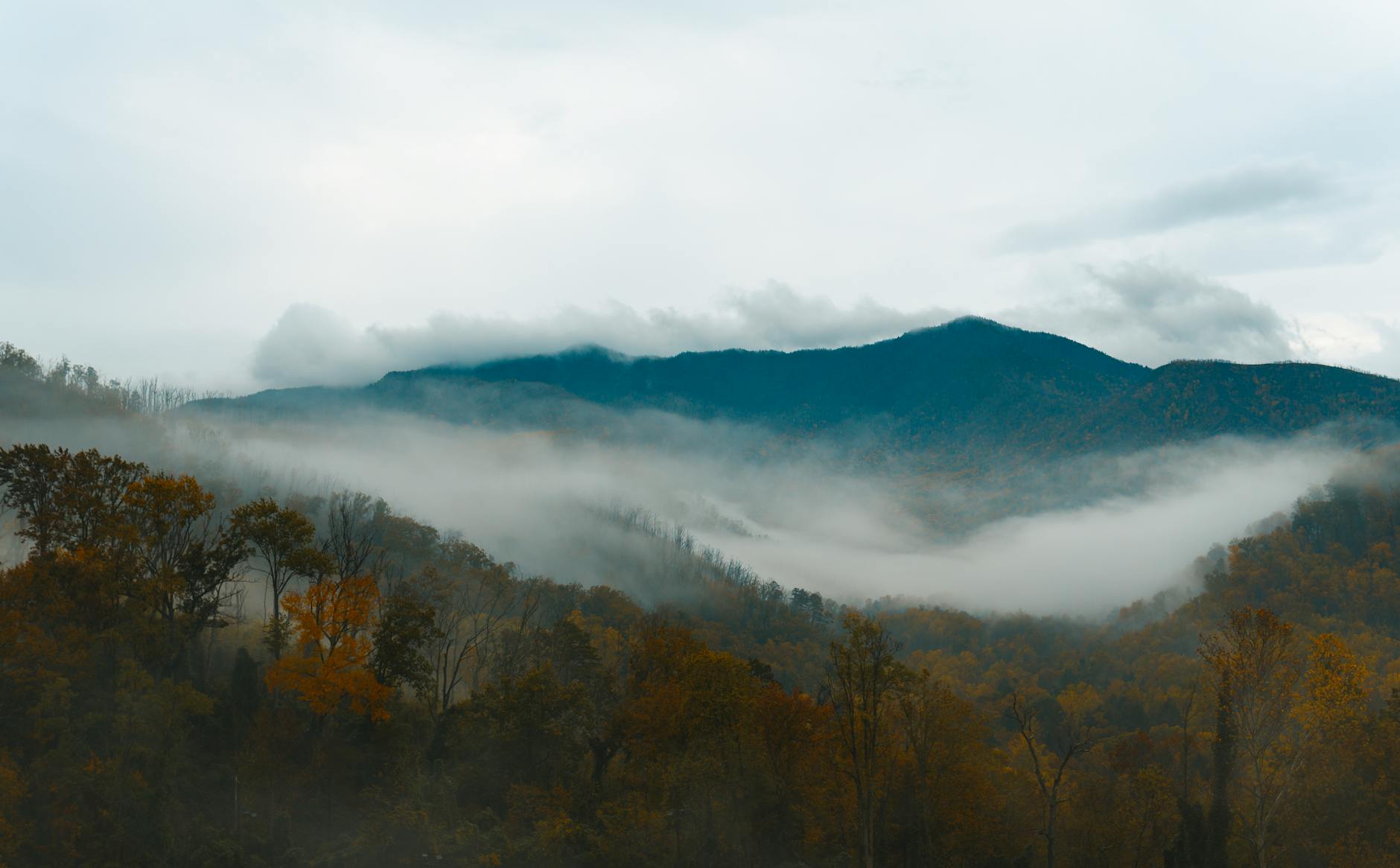
Quick Answer: Great Smoky Mountains vs Shenandoah
- Great Smoky Mountains National Park drew 11.5 million visitors in 2025, while Shenandoah received roughly 1.7 million — making the Smokies about 7 times more crowded for similar Appalachian mountain scenery.
- Entrance fees: Smokies are free (parking tags $5-$15 at some trailheads); Shenandoah charges $30 per vehicle for 7 days
- Best for ages 3-7: Shenandoah's car-accessible overlooks and shorter waterfall hikes keep little legs happy
- Best for ages 8-14: Smokies offer 800+ miles of trails including flat creek walks perfect for adventurous kids
- Scenic drives: Shenandoah's 105-mile Skyline Drive (75 overlooks) is the best family scenic drive in the eastern US
- Bears: Both parks have black bears — the Smokies have roughly 1,500 with a density of 2 per square mile
- 💡 Surprise factor: Shenandoah's $30 entrance fee actually helps — it keeps crowds manageable when the Smokies are packed. See our crowd comparison
- 🧮 Use our budget calculator to estimate your family's road trip costs to either park
Which park wins? It depends on whether your family craves variety or serenity — jump to the verdict.
Side-by-Side Comparison
Both parks sit in the Appalachian Mountains and share similar forests, wildlife, and waterfall-filled terrain. But the experience of visiting them couldn't be more different. Here's how they compare on the factors families care about.
| Category | Great Smoky Mountains | Shenandoah | Edge |
|---|---|---|---|
| Annual Visitors | 11.5 million (2025) | ~1.7 million (2025) | Edge: Shenandoah (fewer crowds) |
| Entrance Fee | Free (parking $5-$15) | $30/vehicle (7 days) | Edge: Smokies |
| Total Trail Miles | 800+ | 500+ | Edge: Smokies |
| Scenic Drive | Newfound Gap Rd, Cades Cove Loop | Skyline Drive (105 mi, 75 overlooks) | Edge: Shenandoah |
| Nearest Major City | Knoxville (1 hr), Atlanta (3.5 hr) | Washington DC (1.5-2 hr) | Depends on location |
| Bear Population | ~1,500 (2/sq mi) | Healthy population (~1/sq mi) | Tie (both require caution) |
| Gateway Town Fun | Gatlinburg, Pigeon Forge | Luray (caverns), small towns | Edge: Smokies |
| Summer Temperatures | Warm (70s-80s at elevation) | Cooler (rarely above low 80s) | Edge: Shenandoah |
The Crowd Factor: Why It Matters More Than You Think
Here's the number that should shape this entire decision: 11.5 million versus 1.7 million.
Great Smoky Mountains is the most-visited national park in America. Not by a little — by a lot. The park recorded 11.5 million visits in 2025 (down from 12.2 million the year before), and June through October regularly sees more than 1 million visitors per month. That means packed parking lots at popular trailheads, bumper-to-bumper traffic on the Cades Cove Loop, and the kind of crowds that make parents with strollers and tired toddlers want to turn around.
Shenandoah gets about 1.7 million visitors a year. Same mountain chain. Same type of forests. Similar waterfalls. A fraction of the people.
Why the gap? Partly it's the entrance fee — the Smokies are free, which draws casual visitors. Partly it's Gatlinburg and Pigeon Forge, which pull enormous tourist traffic. And partly it's name recognition. Everyone's heard of the Smokies. Fewer families have Shenandoah on their radar.
But is that a good thing or a bad thing? Honestly, for families with kids under 10, Shenandoah's lower crowds are a genuine advantage. Parking spots exist. Trails feel peaceful. Overlooks aren't crowded three-deep with selfie sticks. Your kids can actually hear birds instead of car horns on a loop road.
Cost Comparison
Both parks are budget-friendly destinations, but the details differ.
The Smokies don't charge an entrance fee, which sounds great until you factor in everything else. Parking tags run $5 per day or $15 for an annual tag at busy trailheads. Gatlinburg and Pigeon Forge hotels range from $100-$250 per night, and the town's tourist attractions (Ripley's Aquarium, go-karts, mini golf) add up fast. A family of four can easily spend $150+ per day on gateway town entertainment alone.
Gatlinburg and Pigeon Forge family hotels on Expedia — rooms in the $100-$250 band fill fastest for the mid-week late-September window when the crowds thin.
Shenandoah charges $30 per vehicle for a 7-day pass. Lodging at Big Meadows Lodge inside the park runs $150-$250 per night, while cabins and hotels in Luray or Front Royal cost $90-$180 per night. The off-park attractions are cheaper too — Luray Caverns is $32 for adults and $19 for kids, and that's about the biggest expense outside the park itself.
Compare Luray and Front Royal stays on Expedia — the $90-$180 cabins and small hotels outside the park beat Big Meadows Lodge on price if you book a few weeks out.
Net result? A 3-4 day Smokies trip with Gatlinburg activities costs roughly $1,200-$2,500 for a family of four. A similar Shenandoah trip runs $800-$1,800. The Smokies aren't expensive by national park standards, but the gateway towns have a way of inflating the budget.
Scenic Drives: Skyline Drive vs Smokies Roads
If your family's vacation involves a lot of car time — and with kids, it almost always does — this section matters.
Shenandoah's Skyline Drive is, to put it bluntly, the best family-friendly scenic drive east of the Mississippi. It runs 105 miles along the ridgeline of the Blue Ridge Mountains, with 75 marked overlooks, a 35 mph speed limit, and picnic areas scattered along the route. You can stop every few minutes for a new view, let the kids run around at an overlook, snap photos, and get back in the car before anyone melts down. The whole drive takes about 3 hours without stops (but plan for 5-6 with a family).
The Smokies have scenic roads too. Newfound Gap Road climbs over the park's spine at 5,046 feet, and it's breathtaking. Cades Cove Loop Road is an 11-mile one-way loop through a valley with historic cabins and frequent wildlife sightings. But Cades Cove is also where the worst traffic jams happen — the loop can take 2-4 hours when it's busy, and there's no way to turn around.
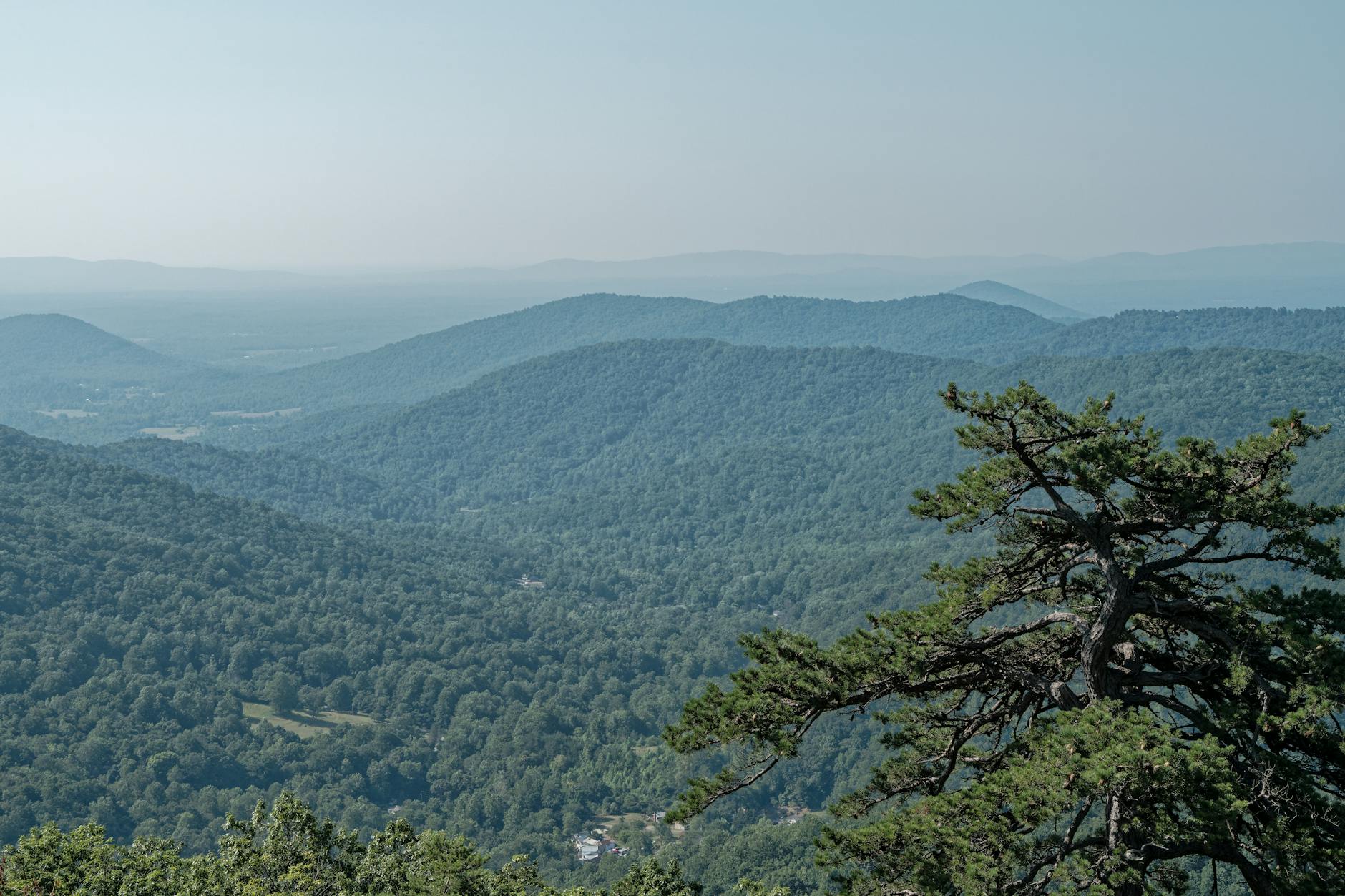
One more thing about Skyline Drive: it connects directly to the northern end of the Blue Ridge Parkway, which continues 469 miles south toward the Smokies. Some families drive the whole thing over a week. That's ambitious with kids, but even driving a short section of the Parkway south from Shenandoah adds variety to the trip without extra planning.
Hiking with Kids
Both parks have trails for families. But the style of hiking feels different.
Smokies: More Trails, More Flat Options
With 800+ miles of trails, the Smokies have something for every ability level. Laurel Falls (2.6 miles round trip, paved) is the most popular family hike in the park — and the most crowded. Abrams Falls (5 miles round trip, relatively flat) leads to a stunning swimming hole. Clingmans Dome (0.5-mile paved path) reaches the highest point in the park. For families who like creek walks, there are dozens of trails that follow streams through old-growth forest.
The downside? Popular trailheads fill up by mid-morning in summer. You'll need to arrive early or pick less-known trails to avoid the crush.
Shenandoah: Waterfalls and Ridge Walks
Shenandoah has 500+ miles of trails, with a different character. Many trails start from Skyline Drive and head downhill to waterfalls — Dark Hollow Falls (1.4 miles round trip) is the most popular and drops to a 70-foot waterfall. Lewis Falls and South River Falls are slightly longer but less crowded.
The catch with Shenandoah trails: they often go down first, which means the hike back to the car is uphill. For young kids who run out of energy, that matters. Older kids and teens handle it fine, but a family with a 4-year-old should stick to the shorter options or bring a carrier.

Bears: What Families Need to Know
Parents google this more than they'll admit. So let's talk about it directly.
Both parks have black bears. The Smokies are home to approximately 1,500 bears, creating a density of about 2 bears per square mile — one of the highest concentrations in the eastern US. Shenandoah also has a healthy bear population, though at lower density. In both parks, bear sightings are relatively common, especially in summer and fall.
Should you be worried? Not really — but you should be prepared. Black bears in both parks are generally not aggressive toward people. The key rules: stay at least 50 yards away (it's actually illegal to approach closer than 150 feet in the Smokies), store all food in bear-proof containers or your car trunk, and never run if you see one. Pick up small children immediately if a bear approaches.
Bear encounters are more frequent in the Smokies simply because more people and more bears overlap in the same areas. Cades Cove is where most sightings happen — it's almost a guaranteed sighting in summer. In Shenandoah, bears tend to be more shy and harder to spot. Carry bear spray in both parks. It's legal and effective from about 30 feet.
🐻 Bear Safety Quick Guide: Keep 50+ yards away. Never feed bears or leave food out. Store food in your car trunk, not the back seat. If a bear approaches your picnic area, gather children close and make noise. If attacked by a black bear, do NOT play dead — fight back and get to a car or building. Both parks have ranger programs that teach kids bear safety, which can turn anxiety into education.
Gateway Towns: Gatlinburg vs Luray
This is where the Smokies pull ahead for families who want more than just nature.
Gatlinburg and Pigeon Forge are full-blown tourist towns with aquariums, dinner theaters, go-karts, mini-golf courses, pancake houses (roughly 30 of them), and Ripley's attractions. Kids love it. Some parents love it. Others find it overwhelming and touristy. The traffic can be brutal.
Gatlinburg and Pigeon Forge family attractions on Viator — skip-the-line tickets for Ripley's Aquarium and the dinner shows save the worst of the in-town queues.
Luray, Virginia — Shenandoah's main gateway — is a small town with one major attraction: Luray Caverns, the largest cavern system in the eastern US. Adults pay $32, kids pay $19, and the underground experience truly amazes children. Beyond the caverns, Luray is quiet. A few restaurants, a few shops, and not much else. For families who want nature-focused trips, that's perfect. For families who want a mix of nature and entertainment, it's limited.
Browse Luray Caverns area family tours on Viator — timed Luray Caverns tickets ($32 adult / $19 kid) and Shenandoah Valley add-ons are worth booking ahead on summer weekends.
So which approach fits your family? If your kids need evening entertainment after a day on the trails, the Smokies win hands down. If your family prefers a quieter, more nature-immersed trip where evenings mean campfire and stargazing, Shenandoah delivers.
Which Park Should Your Family Pick?
Toddlers and Preschoolers (Ages 1-5)
- Shenandoah (edge): Drive Skyline Drive, stop at overlooks, tackle one short waterfall hike. Lower crowds mean less stroller-in-a-parking-lot stress.
- The Smokies work too, but skip Cades Cove on weekends and arrive at trailheads before 9 AM
Elementary School Kids (Ages 6-10)
- Smokies (edge): More trail variety, creek-side hikes, and Gatlinburg's entertainment makes rainy days easier
- Shenandoah is still great if your kids enjoy Junior Ranger programs and quieter experiences
Tweens and Teens (Ages 11-17)
- Tie: Older kids can handle longer hikes in either park. Shenandoah's Old Rag scramble is a bucket-list challenge for teens.
- The Smokies offer Appalachian Trail sections and backcountry camping for teens ready for more
DC/Mid-Atlantic Families
- Shenandoah: It's 90 minutes away. That makes it a weekend trip instead of a full vacation, which opens up the option of visiting multiple times per year. Our road trip planning guide helps map the drive.
Southeast Families (GA, NC, SC, TN)
- Smokies: Closer for most of the Southeast, plus Gatlinburg/Pigeon Forge add days of entertainment beyond the park itself
The Verdict
Shenandoah National Park offers a more relaxed, crowd-free family experience with Skyline Drive's 75 overlooks and about one-eighth the visitors of the Great Smoky Mountains, making it the better choice for families with kids under 8 who want a peaceful mountain trip.
The Smokies earn their popularity, though. More trails, more gateway town entertainment, and free admission make them the stronger all-around family destination — especially for kids 8 and older who can handle busier trailheads and want Gatlinburg's attractions after a day of hiking.
If this is your family's first Appalachian park trip and you're coming from the mid-Atlantic, start with Shenandoah. It's closer, less stressful, and will tell you whether your kids are the "nature all day" type or the "nature in the morning, mini-golf in the evening" type. That answer determines whether the Smokies belong on your next trip.
And here's the move most families don't consider: do both on one trip. Shenandoah connects to the Blue Ridge Parkway, which runs south toward the Smokies. A 5-7 day road trip from DC through Shenandoah and down to Gatlinburg covers both parks, with mountain scenery the entire way. It's one of the best family road trips in the eastern US.
Frequently Asked Questions
Shenandoah is generally better for families with young kids because of lighter crowds, car-accessible scenic overlooks on Skyline Drive, and a more relaxed pace. The Smokies offer more variety in easy trails and have free admission, but the crowds from June through October can make parking and trailhead access stressful with little ones. For families who want a nature-focused trip without logistical headaches, Shenandoah is the safer choice.
Great Smoky Mountains received 11.5 million visitors in 2025, making it the most-visited national park in the US. Shenandoah received approximately 1.7 million visitors in the same period, according to NPS data. That means the Smokies see roughly 7 times more visitors despite being only modestly larger in area. The crowd difference is most noticeable on summer weekends and during peak fall foliage season.
Both parks have black bears. Great Smoky Mountains is home to about 1,500 bears with a density of roughly 2 bears per square mile, according to NPS.gov. Shenandoah also has a healthy black bear population. Bear encounters are more common in the Smokies due to higher visitor and bear density. In both parks, families should store food properly and stay at least 50 yards away from any bears. Carry bear spray — it's legal and effective.
Great Smoky Mountains National Park does not charge a general entrance fee, making it the most-visited free national park in the US. However, parking tags are required at some popular trailheads and cost $5 per day or $15 annually. Shenandoah charges $30 per vehicle for a 7-day pass. Families planning to visit both parks (or multiple national parks) should buy the America the Beautiful annual pass for $80, which covers entrance fees at all NPS sites. Use our budget calculator to factor in these costs.
Shenandoah's Skyline Drive is the better scenic drive experience for families with kids. It runs 105 miles along the ridgeline with 75 overlooks, a 35 mph speed limit, and frequent pull-offs for photos and picnics. The Smokies have scenic roads — Newfound Gap Road and Cades Cove Loop Road — but no single drive matches Skyline Drive's length and consistency. Cades Cove is beautiful but can have 2-4 hour traffic jams on busy days.
Shenandoah is about 75 miles from Washington DC (1.5-2 hours), making it an easy weekend trip from the Mid-Atlantic. Great Smoky Mountains is roughly 200 miles from Atlanta (3-4 hours), 275 miles from Charlotte (4 hours), and 180 miles from Knoxville (under 1 hour). Neither park is close to a major airport, so both are primarily road trip destinations for families.
Data Sources and Methodology
This comparison uses verified data from authoritative sources:
Official Sources
- NPS.gov — Great Smoky Mountains Park Statistics
- NPS.gov — Shenandoah Park Statistics
- NPS.gov — Great Smoky Mountains Black Bears
- NPS.gov — Shenandoah Kids & Youth Programs
Pricing Data
- Lodging rates: Verified via NPS concessioner websites and Booking.com — March 2026
- Attraction pricing: Luray Caverns, Ripley's Aquarium official websites — March 2026
- Park fees: NPS.gov current fee schedules
Parent Experiences
- Discussions from TripAdvisor GSMNP forum, Ask MetaFilter, and Blue Ridge Outdoors
- Family travel blogs (Simply Awesome Trips, The Family Voyage, Big Brave Nomad)