Best Time to Visit Bryce Canyon with Kids (2026)
Month-by-month weather, real lodge prices, and family trail picks
Quick Answer
- The best months to visit Bryce Canyon with kids are May and September in 2026, when temperatures reach 64-70°F and crowds are noticeably lighter than peak summer.
- 💡 Where a Bryce Canyon trip actually swings: It isn't the $35 entrance fee or which trail you pick. It's the month you book a room, since a Lodge night that runs $350+ in July often drops below $280 by mid-September. The season-by-season breakdown below shows exactly when the prices and the crowds fall off.
- 💰 Entry cost: $35 per vehicle (kids 15 and under free). New for 2026: non-US residents pay an extra $100/person
- 📅 Ideal length: 1-2 full days for families
- 🌤️ Peak season: June through September — 60% of all visitors come during these four months
- ⭐ Top family trail: Queens Garden Trail (1.8 miles round trip, easiest below-rim hike)
- ⚠️ Skip if: Your family can't handle elevation — the park sits at 8,000+ feet, which affects some young children
- 💡 The Lodge at Bryce Canyon books out months ahead for summer — but September rooms are easier to snag and $50-80/night cheaper (see costs below)
- 🧮 Use our budget calculator to estimate your family's total Bryce Canyon trip cost
Season-by-Season Breakdown
Bryce Canyon sits at 8,000-9,100 feet elevation, which means it's colder than you'd expect for southern Utah. That elevation is actually a gift in summer — while St. George bakes at 105°F, Bryce Canyon tops out around 80°F. But it also means winter brings real cold and serious snow.
Here's how each season stacks up for families.
| Season | Avg Temps | Crowds | Family Rating |
|---|---|---|---|
| Spring (Apr-May) | 54-64°F highs, 29-37°F lows | Low to moderate | ⭐⭐⭐⭐ (May is excellent) |
| Summer (Jun-Aug) | 75-80°F highs, 45-53°F lows | High | ⭐⭐⭐ (warm but crowded) |
| Fall (Sep-Oct) | 58-70°F highs, 32-42°F lows | Moderate to low | ⭐⭐⭐⭐⭐ (September is ideal) |
| Winter (Nov-Mar) | 36-45°F highs, 15-23°F lows | Very low | ⭐⭐ (older kids only) |
Month-by-Month Weather and What to Expect
March and April
Spring at Bryce Canyon is unpredictable. March still averages 17 inches of snow, and some roads (particularly the southern section past Bryce Point) may be closed. April warms up to the mid-50s but can swing wildly — a sunny 60°F afternoon followed by a snowstorm isn't unusual.
So is spring worth it with kids? Only if your family is flexible. The upside: almost no crowds, and snow-dusted hoodoos are gorgeous. The downside: limited ranger programs and potentially icy trails. Families with toddlers should wait until May.
May
This is when Bryce Canyon comes alive for families. Highs reach 64°F, wildflowers start appearing, and the park's full ranger program schedule kicks in. The Lodge at Bryce Canyon reopens its cabins around May 1 each year. Crowds are a fraction of what they'll be by June.
One catch — nights still dip to 37°F. Pack layers. Seriously.
June, July, and August
Peak season brings the warmest weather (75-80°F highs) and the biggest crowds. About 60% of annual visitors show up between June and September. Parking at popular viewpoints fills by mid-morning, and the park shuttle runs regularly to help manage traffic.
The good news for families: summer means daily ranger-led geology talks, Junior Ranger programs, and evening astronomy sessions. Bryce Canyon's night sky (the park is a certified International Dark Sky Park) is truly special, and the summer stargazing programs are worth building a trip around.
Watch out for afternoon thunderstorms in July and August — they roll in fast and can dump heavy rain. Plan your hikes for morning.
September
The best month for most families. Full stop. Temperatures hover around 70°F during the day, the shuttle still runs, and crowds thin dramatically after Labor Day. You'll find lodge rooms available that were sold out all summer, often at lower rates.
Is there a downside? Barely. Nights cool to the low 40s, so you'll want warmer layers for evening stargazing. But the hiking conditions are as good as they get.
October
Early October is still solid for families — highs around 58°F and fall color starting in the surrounding forests. By late October, things get chilly fast. The lodge typically closes for the season in mid-to-late October, and some services start winding down.
November through February
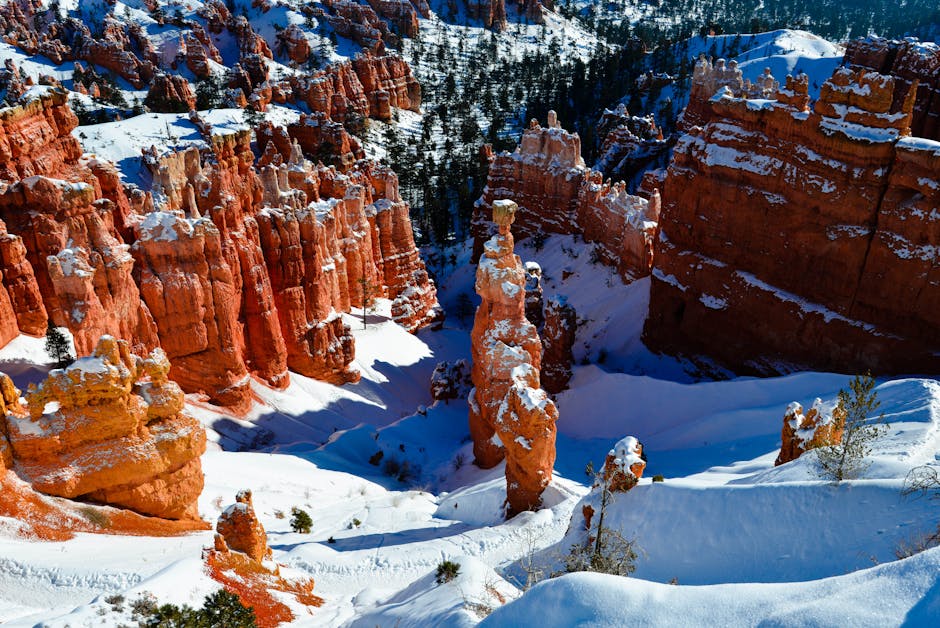
Winter at Bryce Canyon is beautiful but demanding. Temperatures drop to the teens overnight, and the park receives 60+ inches of snow between November and March. The hoodoos covered in fresh snow look otherworldly (honestly, some of the best photos come from winter visits), but this season works best for families with kids 8 and older who can handle cold weather and snowshoe hikes.
The annual Bryce Canyon Winter Festival runs each February with skiing clinics, ranger talks, and kids' activities. Worth considering if your family enjoys winter sports.
Best Trails for Families by Age Group
Not every Bryce Canyon trail works for every age. The park's trails range from flat, paved rim walks to steep switchback descents into the amphitheater. Here's what actually works for different ages.
Toddlers and Preschoolers (Ages 1-4)
Stick to the Rim Trail between Sunrise and Sunset Points — it's paved, mostly flat, and stroller-friendly for about 0.5 miles. The viewpoints alone are worth the trip. Don't try to take a stroller below the rim. It won't end well.
Elementary Age (Ages 5-9)
Queens Garden Trail is the go-to. At 1.8 miles round trip with 320 feet of elevation change, it's the easiest below-rim trail and drops you right among the hoodoos. Most 5-year-olds can handle it with breaks. Pair it with the Junior Ranger program (available at the visitor center) to keep kids engaged.
Tweens and Teens (Ages 10+)
The Queens Garden / Navajo Loop combination (2.9 miles) is the park's signature hike. The Navajo Loop switchbacks through Wall Street — a narrow slot between towering rock walls that'll impress even the most phone-obsessed teenager. For a full-day challenge, the Peek-a-Boo Loop adds 5.5 miles with 1,500 feet of elevation gain.
Safety Note
Bryce Canyon's elevation (8,000-9,100 feet) can cause headaches and fatigue in young children. Bring extra water, take breaks, and watch for signs of altitude sickness — especially if your family is coming from sea level.
2026 Costs and Logistics
Entrance Fees
Bryce Canyon charges $35 per private vehicle for a 7-day pass. Motorcycles pay $30, and walk-in/bicycle visitors pay $20 per person (ages 16+). Kids 15 and under are always free. The park is cashless — bring a credit or debit card.
Big change for 2026: non-US residents aged 16+ now pay an additional $100 per person on top of the standard entrance fee, unless they hold an America the Beautiful Annual Pass. For international families, the non-resident annual pass ($250) can make sense if you're visiting multiple parks on a Utah road trip.
Lodging Prices by Season
The Lodge at Bryce Canyon is the only in-park lodging — and it books up fast. Rooms start around $254/night for motel-style rooms and climb to $371/night for a Western Cabin during peak summer. The lodge operates seasonally: the main building opens March 1, cabins from May 1 through October 15.
Outside the park, Bryce Canyon City has a cluster of hotels (Ruby's Inn is the largest) with rates from $120-200/night in summer and dropping to $80-130/night in shoulder seasons. That September sweet spot shows up in lodging prices too — rooms that cost $350+ in July often drop below $280 by mid-September.
Getting There
The closest airports are Cedar City (80 miles) and St. George (125 miles). Most families drive from Las Vegas (270 miles, about 4 hours) or Salt Lake City (270 miles, about 4.5 hours). There's no public transit to the park — you'll need a rental car.
If you're combining Bryce Canyon with Zion National Park (only 80 miles apart), plan at least 3-4 days total for both parks.
What Families Actually Need to Pack
Bryce Canyon's elevation makes packing trickier than you'd think for a desert park. Even in July, nighttime temperatures drop into the 50s. And the sun at 8,000 feet is no joke — sunburn happens fast.
Every season: Sunscreen (SPF 50+), wide-brim hats for the whole family, refillable water bottles, and layers. Always layers. A 75°F afternoon can turn into a 50°F evening with wind.
Summer additions: Rain jackets for afternoon thunderstorms, broken-in hiking boots (the sandy trails eat through sneakers), and binoculars for the stargazing programs.
Winter additions: Insulated waterproof boots, hand warmers, thermal base layers, and microspikes or traction devices for icy trails. Don't skip the microspikes — the rim trail gets slick.
The Bottom Line
September is the best month to visit Bryce Canyon with kids in 2026 — it combines warm hiking weather (70°F highs), thinning crowds, lower lodge prices, and full access to ranger programs and the park shuttle. May is a close second, especially for families who want wildflowers and rock-bottom crowd levels.
Summer works fine if that's when your family can travel — the ranger programs and stargazing alone justify a visit. Just book lodging early and plan hikes for morning to beat both crowds and thunderstorms.
Winter? It's stunning but only practical for families with older kids who actually enjoy cold-weather activities. Don't force it with a toddler.
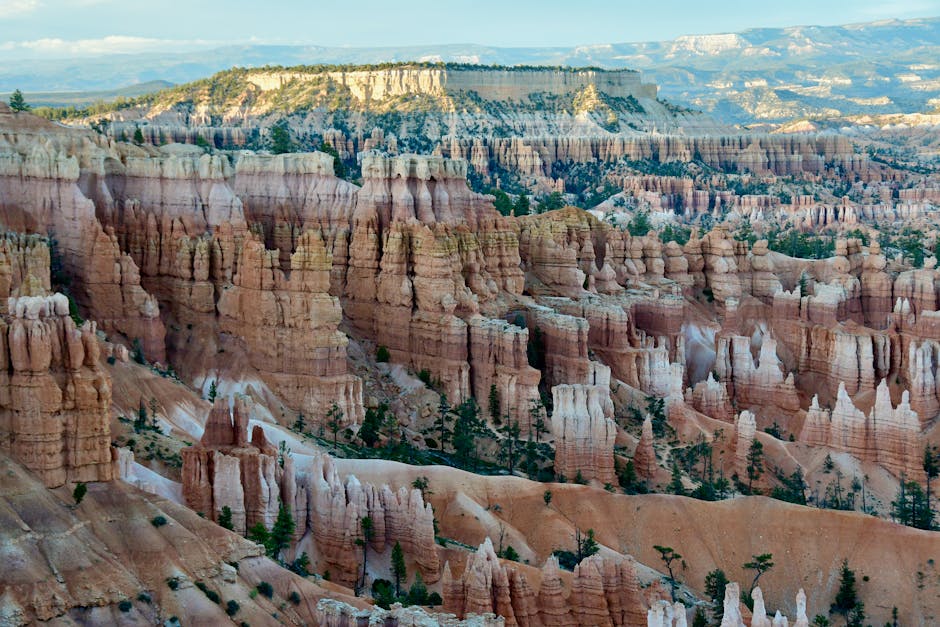
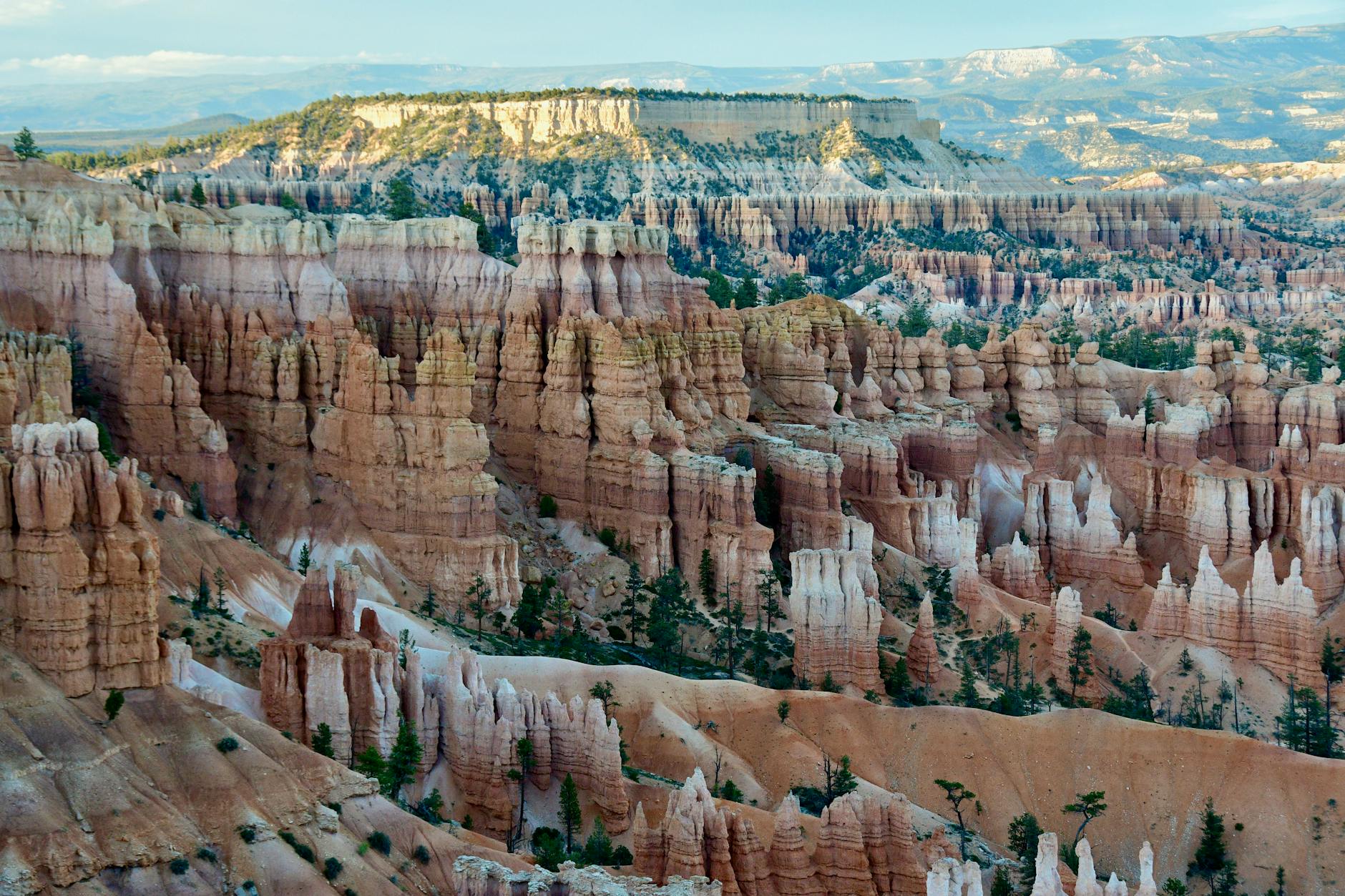
However you time it, Bryce Canyon's hoodoos are unlike anything else in the national park system. The "wow" factor hits immediately — no long hikes required to see something incredible. That makes it one of the most rewarding parks for families with kids of any age.
Frequently Asked Questions
The best months to visit Bryce Canyon with kids are May and September in 2026, when daytime highs sit between 64°F and 70°F and crowds run lighter than peak summer. September edges out May for most families because all facilities, the shuttle, and ranger programs are still running while crowds thin dramatically after Labor Day. May works well too, though nights still dip to 37°F, so families should pack warm layers for mornings and evenings.
Bryce Canyon is noticeably less crowded in September, especially after Labor Day, even though June through September together draw about 60% of the park's annual visitors. In summer, parking at popular viewpoints fills by mid-morning, but in September families can usually find spots at Sunrise Point and book lodge rooms that were sold out all summer, often at lower rates. The shuttle still runs and ranger programs continue, so families get peak-season access without the peak-season crush.
Bryce Canyon entrance costs $35 per private vehicle for a 7-day pass in 2026, and kids 15 and under are always free. Motorcycles pay $30 and walk-in or bicycle visitors pay $20 per person (ages 16 and up), and the park is cashless, so bring a card. New for 2026, non-US residents aged 16 and up pay an additional $100 per person unless they hold an America the Beautiful Pass ($80); a non-resident annual pass runs $250 for international families touring several parks. Use our budget calculator to estimate your full trip cost.
Most families need 1-2 full days at Bryce Canyon, with one day covering the main viewpoints and a short hike like the Queens Garden Trail (1.8 miles round trip). Two days let families add the Queens Garden / Navajo Loop combination (2.9 miles), attend a ranger program, and catch both sunrise and the park's dark-sky stargazing. Families pairing Bryce Canyon with Zion, only 80 miles away, should plan 3-4 days total for both parks.
Bryce Canyon is safe for toddlers when families stay on the paved Rim Trail between Sunrise and Sunset Points, which is flat and stroller-friendly for about 0.5 miles. Trails below the rim are not stroller-safe, so the rim viewpoints are the place to keep little ones away from cliff edges. The park's 8,000-9,100 foot elevation can trigger headaches, fatigue, and irritability in very young children, so families arriving from sea level should bring extra water and take frequent breaks.
Families can visit Bryce Canyon in winter since the park stays open year-round, though it works best for kids 8 and older who can handle overnight lows in the teens. The park gets 60+ inches of snow between November and March, and the Lodge at Bryce Canyon closes for the season (the main building reopens March 1, cabins from May 1). Snow-covered hoodoos are a highlight, and the Bryce Canyon Winter Festival each February adds skiing clinics, ranger talks, and kids' activities.
Bryce Canyon is the better pick for families with younger kids because its rim-level viewpoints deliver the big views without strenuous hiking, while Zion's best trails involve water crossings and scrambling. Zion gives older kids and teens more adventure, so the right choice depends on each family's ages and energy. Many families do both since the parks sit only 80 miles apart, which works best as a 3-4 day trip covering each one.
The best family trail at Bryce Canyon is the Queens Garden Trail at 1.8 miles round trip with 320 feet of elevation change, the easiest hike below the rim. Toddlers do best on the paved Rim Trail between Sunrise and Sunset Points (about 0.5 miles, stroller-friendly), while tweens and teens can take the Queens Garden / Navajo Loop combination (2.9 miles) through the Wall Street slot. Strong older hikers can add the Peek-a-Boo Loop for 5.5 miles with 1,500 feet of elevation gain.
Early October is a good time to visit Bryce Canyon with kids, with daytime highs around 58°F and fall color appearing in the surrounding forests. By late October temperatures fall fast and the Lodge at Bryce Canyon usually closes for the season (typically mid-to-late October), so families wanting open in-park lodging should aim for the first half of the month. After that, services start winding down toward the winter schedule.
Data Sources and Methodology
This guide uses verified data from official sources and parent discussions across travel forums:
- National Park Service — Bryce Canyon Fees — entrance fees and pass pricing
- National Park Service — Bryce Canyon Weather — monthly temperature and precipitation data
- The Lodge at Bryce Canyon — lodging rates and seasonal availability
- Visit Utah — Bryce Canyon Travel Tips — seasonal visitor guidance
- Our Research Methodology — how we verify and update travel data
Last verified: March 2026