Japan vs South Korea for Families 2026: Which Is Better?
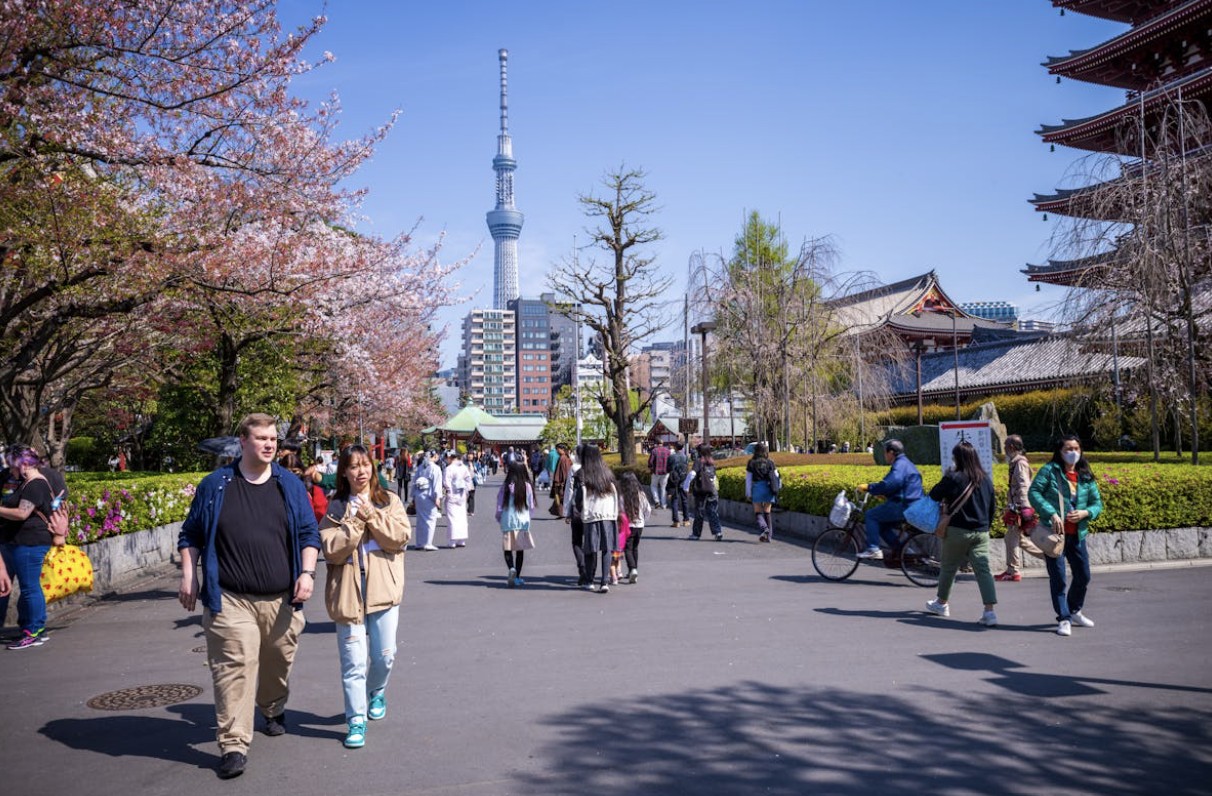
Quick Answer: Japan vs South Korea for Families
- 💰 Budget edge: South Korea costs 25-35% less — hotels, food, and attractions all run cheaper
- 🎢 Theme parks: Japan wins with DisneySea, Universal Studios Japan, and the new PokePark Kanto (2026)
- 🍜 Picky eaters: South Korea's familiar flavors (fried chicken, noodles) go over easier with younger kids
- 👧 Best ages for Japan: 4-12 — theme parks, bullet trains, and temples
- 👦 Best ages for South Korea: 8-17 — K-pop culture, gaming cafes, trendy neighborhoods
- ✈️ Flights from the US: $600-1,200 round-trip to Japan; $500-1,000 to South Korea
The deciding factor: Ages and interests matter more than the destination. Younger kids lean Japan; teens and budget-conscious families lean South Korea.
Side-by-Side Comparison
All pricing reflects 2026 averages for a family of four on a mid-range budget.
| Category | Japan | South Korea | Edge |
|---|---|---|---|
| Round-trip flights (from US) | $600-1,200/person | $500-1,000/person | Edge: South Korea |
| Mid-range hotel (per night) | $200-280 | $110-180 | Edge: South Korea |
| Daily food (per person) | $40-50 | $25-35 | Edge: South Korea |
| Theme parks | DisneySea, USJ, PokePark | Lotte World, Everland | Edge: Japan |
| Public transit ease | JR Pass + local lines | T-money card, compact subway | Tie — both excellent |
| Cultural experiences | Temples, tea ceremony, onsen | Palaces, hanbok, K-pop | Depends on interests |
| Language barrier | Moderate — signs often in English | Lower — more English spoken | Edge: South Korea |
| Best for toddlers (under 4) | Very stroller-friendly transit | Indoor attractions year-round | Tie |
True Cost Comparison for Families
South Korea wins on budget. A mid-range week for a family of four runs $4,000-6,000 for South Korea versus $6,000-9,000 for Japan (excluding flights).
Hotels hit hardest — Tokyo averages $200-280/night versus Seoul's $110-180. That's $630-700 over a week. Food follows the same pattern at $40-50/person daily in Japan versus $25-35 in South Korea. Japan's secret weapon? Konbini meals at $3-5/person are filling and genuinely good.
Seoul's street food runs $2-5/serving (tteokbokki, kimbap, hotteok) and most kids love it. Lotte World is about $45/adult — roughly half of DisneySea.
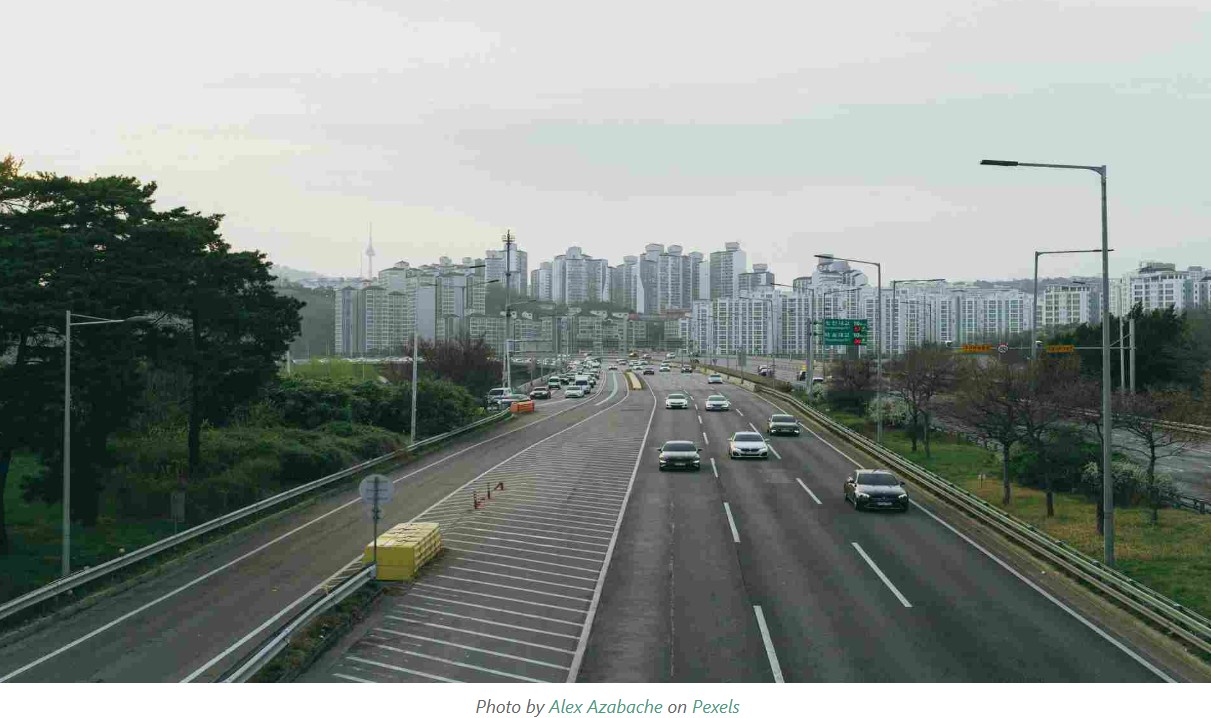
Kid-Friendly Attractions Compared
Japan's Top Family Attractions
DisneySea is the standout — the only one in the world, and it impresses even parents who think they're "over" Disney. Universal Studios Japan has Super Nintendo World, and PokePark Kanto opened in 2026 for Pokemon fans. teamLab Planets (interactive art with knee-deep water) and the Ghibli Museum round out the list.
South Korea's Top Family Attractions
Lotte World is the world's largest indoor theme park — rain won't ruin a day. It also has an outdoor section, ice rink, and aquarium with 55,000 marine animals. Everland (an hour south of Seoul) offers five themed zones with safari rides and roller coasters. For older kids, K-pop studio tours and gaming cafes (PC bangs at $1-2/hour) are major draws.
Cultural Experiences and Food
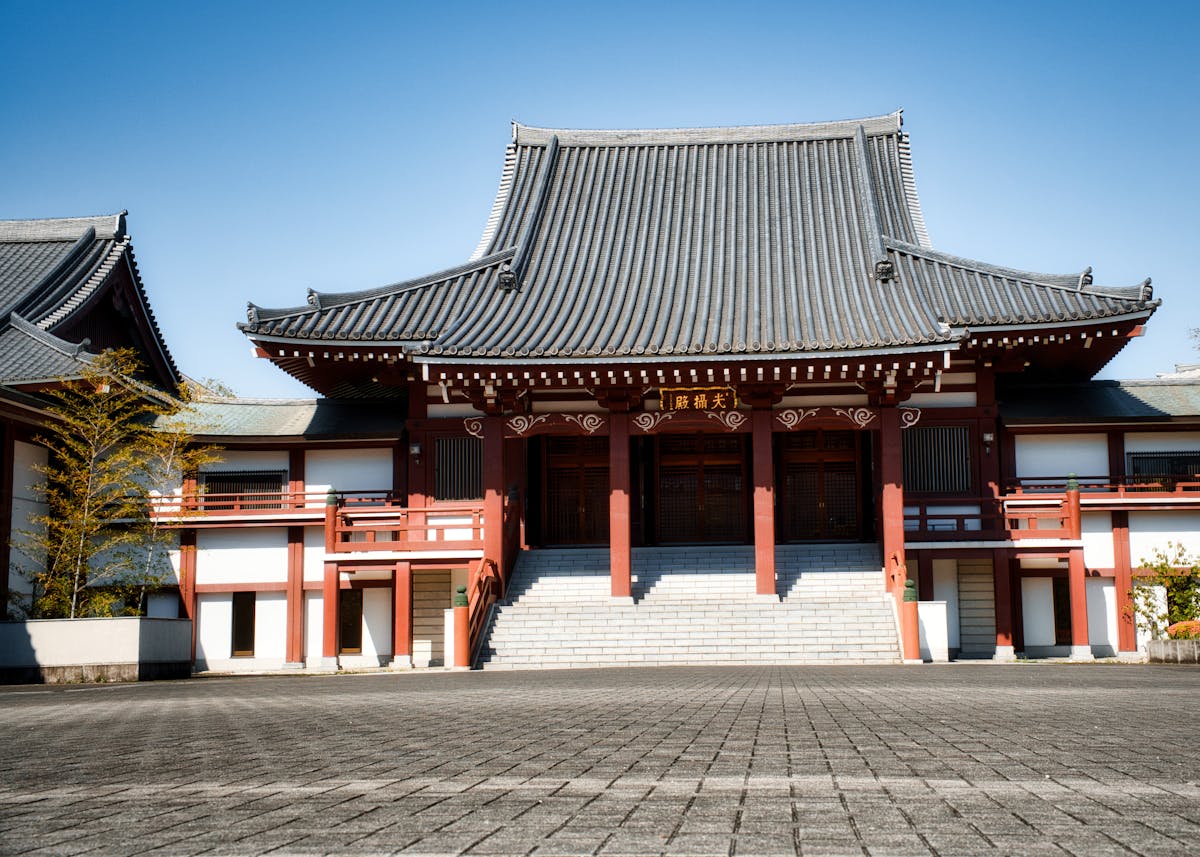
Japan's cultural depth is hard to match — ancient Kyoto temples, tea ceremonies, onsen, and the Shinkansen at 200mph. Most temples are free or $3-5 entry. South Korea offers a different vibe: renting hanbok and walking through Gyeongbokgung Palace is a hit (hanbok-wearers often get free admission), and Seoul's night markets are sensory overload in the best way.
For picky eaters, South Korea wins. Korean fried chicken tastes familiar, japchae noodles are mild, and bibimbap lets kids pick what they like. Japan can surprise kids who've only had American sushi. Both countries have family chains with picture menus.
Age-Specific Recommendations
Under 5
South Korea's indoor options (Lotte World, COEX Aquarium, kids' cafes) help in bad weather. Japan's transit is stroller-friendly. Edge: depends on season.
Ages 5-11
Japan pulls ahead. DisneySea, teamLab, Railway Museum, Cup Noodles Museum — outstanding interactive variety. This age group is also more adventurous with food.
Ages 12-17
South Korea is tough to beat — K-pop, Hongdae street performers, Myeongdong shopping, gaming cafes. Japan's Akihabara and Harajuku appeal to many teens too, but K-pop fans will treat Seoul like a pilgrimage.
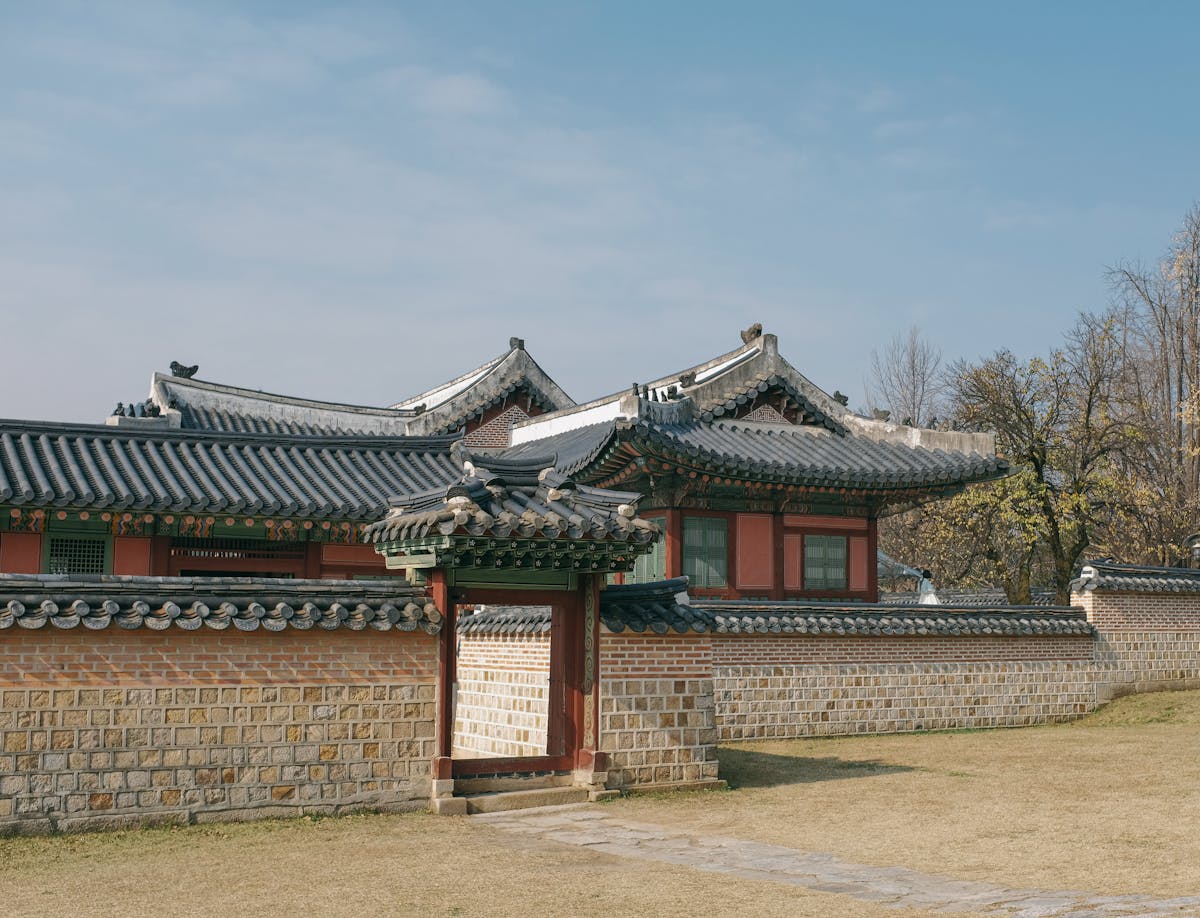
Why Not Both? The Combined Japan and South Korea Trip
Tokyo-Seoul flights take 2.5 hours, with budget carrier fares from $100-200 one-way. Split 10-14 days between both: 3-4 days in Seoul, then 5-7 days in Tokyo or Osaka. They feel genuinely different, so there's no "same destination" fatigue.
Decision Framework
Match your family's profile:
- Choose Japan if: Kids aged 4-12, you want world-class theme parks, traditional culture fascinates you, and budget isn't the top concern
- Choose South Korea if: Watching your budget, traveling with teens, interested in K-pop culture, or prefer less of a language barrier
- Choose both if: You have 10+ days and your family includes both younger kids and teens
- First time in Asia? Start with South Korea — easier to adjust, more affordable, and a great stepping stone
The Verdict
There's no wrong answer. Japan offers deeper cultural immersion, better theme parks, and "wow" moments that leave lasting impressions on younger kids. South Korea counters with lower costs, easier food for picky eaters, and a teen-friendly energy that's hard to replicate.
Kids under 12 with a flexible budget? Japan edges ahead. Teenagers, tighter budgets, or first-time Asia travelers? South Korea is the smarter pick. And if you can swing it, do both — the 2.5-hour flight between them makes it surprisingly doable.
Frequently Asked Questions
Data Sources and Methodology
Verified data from authoritative sources, checked February 2026:
Official Sources
Pricing Data
- Flights: Expedia, Travelocity, and Google Flights (February 2026)
- Hotels: Booking.com and Expedia mid-range family listings
- Attractions: Official websites (Lotte World, Tokyo Disney Resort, USJ)
- Daily costs: Budget Your Trip averages for both countries
Parent Experiences
- TripAdvisor forums and Reddit travel subreddits
- Family travel blogs from 2025-2026 visitors
- Agoda's 2025-2026 family travel destination data