First Family Trip Checklist: The 90-Day Countdown That Actually Works
A week-by-week timeline for planning your first vacation with kids — minus the panic
Quick Answer
Planning your first family trip doesn't need to feel overwhelming. Here's what matters most:
- 📅 Start 12 weeks out — that's enough time for booking, documents, and packing without the last-minute scramble
- 📋 Passports first: Routine processing takes 4-6 weeks (per State Department), so check expiration dates immediately
- 💰 Travel insurance: Family policies run about $200-$230 per trip, and some providers cover kids under 17 free
- 🎒 Pack rule of thumb: One outfit per day, plus two extras per child (three extras for toddlers)
- ⏰ Itinerary pace: Plan 1-2 main activities per day — overpacking the schedule is the single most common first-timer mistake
- ✈️ Book early for peak season: Flights and hotels fill up fast during school breaks
Why a 90-Day Countdown Works
Three months. That's the sweet spot for planning a family trip — long enough to handle passports, bookings, and packing without rushing, but short enough that the trip still feels real and exciting. Too far out and you'll lose momentum. Too close and you're paying premium prices for last-minute flights.
The idea here is simple: break the planning into four chunks based on what actually needs to happen when. Passports before packing. Flights before snack bags. You get the picture.
Does every family need exactly 90 days? Of course not. If you're driving to a beach three hours away, you can compress this timeline. But for a first trip with kids — especially one involving flights or international travel — starting 12 weeks out gives a comfortable cushion for the surprises that inevitably pop up (and they will).
Weeks 12-9: Research and Big Decisions
This is the fun part — dreaming, researching, and narrowing down where you actually want to go. Don't rush it.
Destination and Dates
Budget Planning
Weeks 8-6: Booking and Documents
Now it's time to pull the trigger on bookings and sort out the paperwork. This phase has the most non-negotiable deadlines, so don't let it slide.
Flights and Accommodations
Travel Documents
Important: Child Passport Rules
Children under 16 can't renew passports by mail — both parents must appear in person with the child for a new application. Single parents need a notarized consent form from the other parent. Plan for this early; it catches many first-time traveling families off guard.
Insurance and Health
Weeks 4-2: Preparing and Packing
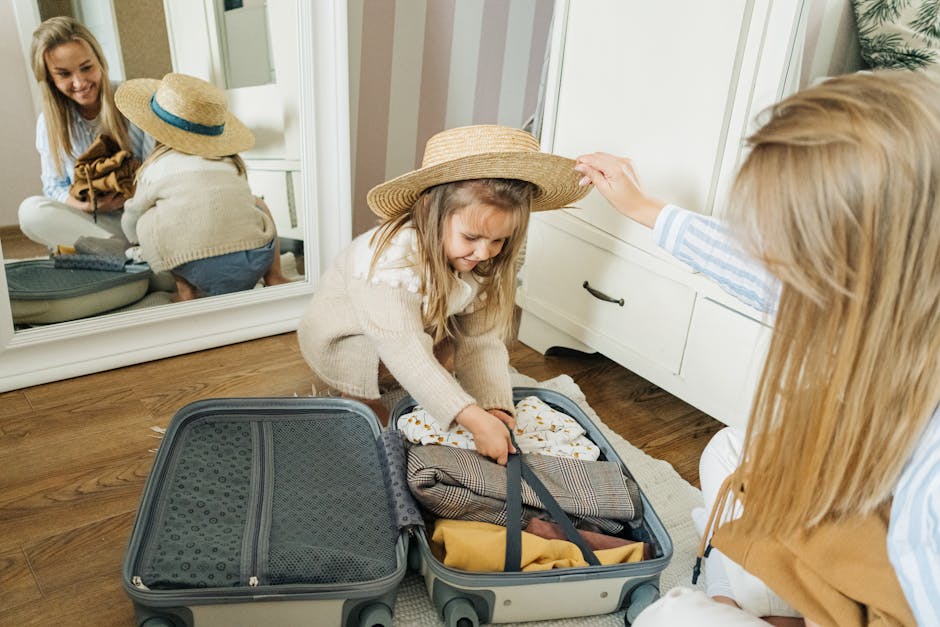
Bookings are locked. Documents are in progress. Now comes the hands-on prep — the gear, the lists, the test-packing (which is absolutely a thing and absolutely worth doing).
Gear and Shopping
Packing Lists and Test Run
Week 1 to Departure: Final Countdown
You're almost there. This last week is about confirming everything, packing for real, and handling the small details that make travel day smoother.
Confirmations
Home Prep
Car and Carry-On
Age-Specific Packing Checklists
What you pack depends heavily on your kids' ages. Here's a breakdown of what most parents find essential beyond the basics (because you already know about underwear and socks).
| Infants (0-1) | Toddlers (1-4) | School-Age (5-12) |
|---|---|---|
| Diapers (pack more than you think — plan 8-10/day) | Pull-ups or diapers plus a portable changing pad | Activity kit (coloring books, card games, journal) |
| Formula/bottles or nursing supplies | Sippy cups and favorite snack containers | Tablet or e-reader with pre-downloaded content |
| Extra outfits (3-4 per day isn't unreasonable) | 2 extra outfits per day beyond the one-per-day rule | One outfit per day plus two extras |
| Car seat rated for air travel | Collapsible travel stroller | Small personal backpack for day trips |
| Blanket or sleep sack from home | Comfort item (stuffed animal, blanket) | Headphones (the whole plane will thank you) |
| Baby carrier or wrap | Blackout shade for hotel room naps | Reusable water bottle |
| Diaper cream and wipes (lots of wipes) | Kid-safe sunscreen and bug spray | Sunscreen and hat |
One universal packing tip from pediatricians: bring a basic "travel pharmacy" even if it feels like overkill. Children's pain reliever, saline drops, a thermometer, band-aids, and any prescription medications should travel in your carry-on. Far-flung drugstores at midnight aren't fun with a sick toddler.
Common First-Timer Mistakes to Avoid
Every traveling family makes some of these. But knowing what to watch out for can save a lot of frustration (and tears — from the parents, mostly).
Overpacking the itinerary
This is, hands down, the most common rookie mistake. Cramming five attractions into a single day sounds productive until your 4-year-old melts down at attraction number two. Plan 1-2 main activities per day and leave buffer time. Some of the best family travel moments happen during the unplanned stretches — the random playground, the gelato shop you stumbled into, the impromptu splash pad session.
Overpacking the suitcases
The urge to bring everything "just in case" is real. But dragging four overstuffed suitcases through an airport with a toddler in tow is its own special kind of misery. Pack mix-and-match clothing, plan to do laundry (most destinations have laundromats or hotel laundry), and remember: you can buy almost anything you forgot.
Skipping the snack bag
Hungry kids are unhappy kids. Pack more snacks than you think you'll need for every travel day. Granola bars, crackers, dried fruit, and refillable water bottles should be within arm's reach at all times. Airport food is overpriced and the options aren't always kid-friendly.
Ignoring sleep schedules
Vacation doesn't mean nap time disappears. Kids who skip naps or stay up hours past bedtime will make everyone pay for it the next day. Try to maintain rough sleep schedules — even if that means heading back to the hotel at 1pm while the adults would rather keep exploring. Worth it.
Not preparing kids for the experience
A 5-year-old who's never been on a plane doesn't know what to expect. Talk about security screening, takeoff sounds, ear pressure changes, and what the hotel will look like. Books, YouTube videos, and "practice trips" to the airport parking lot can turn anxiety into excitement.

Frequently Asked Questions
Data Sources and Methodology
This guide uses verified data from official sources and trusted travel publications:
- U.S. Department of State — passport processing times and child passport requirements
- Transportation Security Administration (TSA) — security screening rules for families and liquids
- Children's Hospital of Philadelphia — pediatrician-recommended family packing checklist
- Squaremouth and MoneyGeek — family travel insurance plan comparisons and pricing
- We3Travel — family vacation planning timeline and checklist
Planning recommendations are informed by parent discussions across r/FamilyTravel, r/TravelWithKids, and family travel blogs. No fabricated statistics are used in this guide.
Last verified: February 2026