12 Family Activities Everyone Loves, Ranked (2026)
Twelve activity types scored on five factors, so you can find the ones that actually satisfy toddlers through grandparents on the same trip
Quick Answer
- The family activities that satisfy toddlers through grandparents on one trip score highest on being cheap, low-setup, and easy on tired legs. In 2026, a family game night, a park picnic, and mini golf out-rank the aquarium, the zoo, and the amusement park on our All-Ages-Appeal Score.
- 🏆 Top pick: a family game night scores 23 out of 25, because it's free, indoor, safe for a 3-year-old, and needs nothing but a boxed game.
- 💰 Best paid pick for toddlers and grandparents together: the aquarium (18 out of 25), climate-controlled and full of benches, though adult admission runs $25 to $60.
- ⚠️ The overrated one: amusement parks land dead last at 12 out of 25 once you count ride limits, miles of walking, and $50 to $130-plus per person.
- 👥 Not sure which pick fits your crew? See how we rank all 12 for multigenerational trips, then settle it fairly.
- 🗳️ Let everyone weigh in with our Democratic Vote tool so nobody feels railroaded into someone else's activity.
Most families anchor on the big-ticket day: the aquarium, the theme park, the boat tour. But the activity everyone actually remembers rarely costs anything. Hilton's 2026 Trends Report found 84% of travelers now seek out ways to play together as a family (as of July 2026, source: Hilton 2026 Trends Report). The ranking below shows which 12 activities deliver that, scored against the youngest and oldest people in your group instead of the marketing photo.
How the All-Ages-Appeal Score Works
Most "activities the whole family loves" lists are just unranked idea dumps. They tell you a zoo and a game night are both great, as if a 2-year-old and a 75-year-old experience them the same way. They don't. So we built a transparent score.
The All-Ages-Appeal Score rates each activity from 0 to 5 on five factors, for a maximum of 25. Every factor is something you can observe yourself, which means you can re-run the math for your own crew.
The five factors (0 to 5 each, 25 max)
- Toddler-safe: 5 means enclosed or contained with no open-water or traffic risk and stroller access. 3 means safe with steady supervision. 1 means real hazards like deep water, ride height limits, or big unfenced crowds.
- Teen-engaging: 5 means teens opt in willingly, for competition, a real skill, or a photo. 3 means they'll tolerate it. 1 means an instant eye-roll and a retreat to the phone.
- Grandparent-accessible: 5 means seating and shade throughout, flat and paved, little walking. 3 means moderate walking with rest options. 1 means long distances, stairs, uneven ground, or heat exposure.
- Low-cost: 5 means free or under $10 per person. 3 means $15 to $30 per person. 1 means $40 or more per person (2026 rates).
- Low-setup: 5 means walk up, no gear, no reservation. 3 means light booking or packing. 1 means an advance reservation plus gear or travel logistics.
Notice what this rewards: activities that are cheap, safe, and easy to start. And what it punishes: expensive outings with long walks and lots of planning. That's the honest tradeoff most listicles hide. A pick can be a lot of fun and still score low for a mixed-age group, which is exactly what happens to the amusement park at the bottom of our table.
One thing the score doesn't do: pick for you. A family weighting teen-engagement heavily will rank differently from one weighting cost. That's why the numbers are published in the open, and why we suggest a group vote before you book anything.
The Top 3 Picks
These three cover three different problems: the free rainy-evening default, the toddler-and-grandparent combo, and the one that keeps teens off their phones. All three clear 20 out of 25.
Family Game Night
Best free, lowest-setup pick
Nothing else scores higher. It's free, it's indoor so weather never cancels it, and it's safe for the youngest kid at the table. Pick short-round games with no reading (Uno, dominoes, Rummikub) and anyone can tap out for a nap without ending the game.
Park Picnic and Playground
Best for toddlers plus grandparents
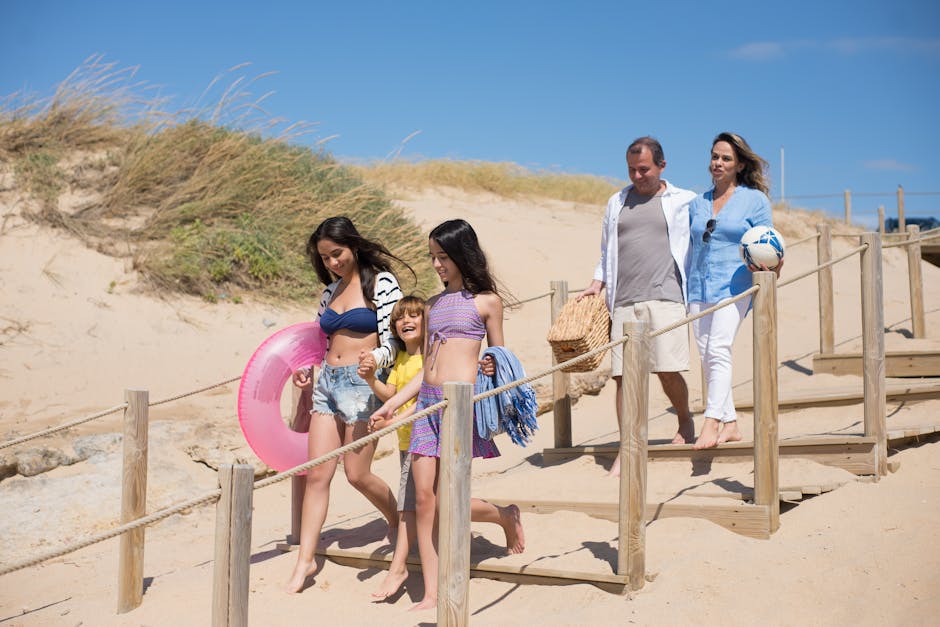
A fenced playground contains the toddler while shaded benches keep grandparents comfortable, and everyone eats in the same spot. Cost is close to zero, there's no reservation, and the only setup is packing lunch. Hard to beat for the youngest-and-oldest pairing.
Mini Golf
Best all-around, teen-approved
The rare activity teens actually opt into, thanks to the friendly competition. At $8 to $15 per round in 2026 it's cheap, the course is flat and short for grandparents, and toddlers can push a ball around with help. A genuine all-ages winner.

The Full Ranking: All 12 Activities Scored
Here's every activity sorted by total All-Ages-Appeal Score. TS is toddler-safe, TE is teen-engaging, GA is grandparent-accessible, LC is low-cost, and LS is low-setup, each out of 5. Per-person cost reflects 2026 rates for a typical US outing.
| # | Activity | TS | TE | GA | LC | LS | Total | Cost / person |
|---|---|---|---|---|---|---|---|---|
| 1 | Family game night | 5 | 3 | 5 | 5 | 5 | 23 | $0 |
| 2 | Park picnic + playground | 5 | 2 | 5 | 5 | 4 | 21 | $0 to $15 |
| 3 | Mini golf | 4 | 4 | 4 | 4 | 4 | 20 | $8 to $15 |
| 4 | Beach day | 3 | 4 | 4 | 5 | 4 | 20 | $0 to $20 |
| 5 | Easy paved nature walk | 4 | 2 | 4 | 5 | 5 | 20 | $0 to $35 / vehicle |
| 6 | Farmers market | 4 | 2 | 4 | 5 | 5 | 20 | $0 entry |
| 7 | Aquarium | 5 | 3 | 5 | 2 | 3 | 18 | $25 to $60 |
| 8 | Botanical garden | 4 | 2 | 5 | 3 | 4 | 18 | $6 to $39 |
| 9 | Cultural festival / local event | 3 | 4 | 3 | 4 | 4 | 18 | $0 to $20 |
| 10 | Scenic boat ride | 3 | 4 | 5 | 2 | 3 | 17 | $39 to $65 |
| 11 | Zoo | 4 | 3 | 3 | 2 | 3 | 15 | $25 to $35 |
| 12 | Amusement park | 2 | 5 | 2 | 1 | 2 | 12 | $50 to $130+ |
Why the free picks win
The top six all share a pattern: little or no cost, and almost nothing to set up. A game night, a picnic, and a farmers market all score a 5 on both low-cost and low-setup, which is what lifts them above flashier paid outings. The aquarium and the boat ride are wonderful, but a $25 to $65 ticket plus a fixed departure time drags their totals down for a group that includes a napping toddler.
Why the crowd-pleasers slide
Look at the zoo and the amusement park. Both are marketed as the ultimate family day, yet both land in the bottom third. Zoos mean miles of walking on a hot afternoon, which is rough on grandparents and toddlers alike, and adult admission runs $25 to $35 (as of July 2026, source: Omaha's Henry Doorly Zoo, Brookfield Zoo). Amusement parks add ride height limits that shut toddlers out and $50 to $130-plus per person that punishes the whole group. Still worth doing on the right trip, just not the everyone-together pick.
Want to see how these activities fit into a longer trip alongside destination choices? Our multigenerational vacation planning guide maps the bigger picture, and the splitting costs fairly guide covers who pays for the paid ones.
How We Scored This
Every cost figure here comes from a named source checked in July 2026, not a rounded guess. Aquarium admission reflects published adult rates at large US aquariums like Monterey Bay Aquarium and Adventure Aquarium. Zoo pricing draws on Omaha's Henry Doorly Zoo and Brookfield Zoo. Scenic boat pricing uses operators like Argosy Cruises in Seattle. Mini golf reflects national price guides, botanical garden admission comes from named gardens, and the nature-walk range reflects National Park Service entrance fees for a private vehicle.
The five factor scores are editorial judgment, applied consistently across all 12 activities using the anchors defined above. They're meant to be argued with. If your teen loves aquariums or your toddler naps like clockwork, re-score those factors and your ranking will shift. The full scoring rationale lives on our methodology page, alongside the source list.
Two ETP frameworks shape the picks. The Skip-If Filter tells you when an activity isn't the right call for your group (an amusement park with a not-yet-walking toddler, say). And the Three-Question Decision Test, covered below in the FAQ, keeps you from booking a paid outing that looks fun but fails the youngest or oldest person in the group.
Filter by Your Constraint: 4 Reader Paths
Every family hits a different wall. Pick the constraint that describes yours and jump to the deeper guide that solves it.
A toddler is in the mix
Nap timing and safety trump everything else. Lean on the top three picks and see our traveling with toddlers guide for pacing a day around a 2-year-old.
Teens who tune out
Mini golf, the beach, and a scenic boat ride hold teen interest best. For keeping older kids invested in the whole trip, read the traveling with teenagers guide.
Grandparents with mobility limits
Prioritize the 5-scorers on grandparent-accessible: aquarium, botanical garden, scenic boat ride, and game night. The multigenerational planning guide covers checking walking distances before you book.
Splitting the activity bill
When the paid picks add up, who covers what gets awkward. Sort it in advance with the splitting costs fairly guide before anyone swipes a card.

Final Verdict
The family activities everyone actually loves in 2026 are the cheap, low-setup ones: a family game night (23 out of 25), a park picnic (21), and mini golf (20) top our All-Ages-Appeal Score because they include a toddler and a grandparent without a big ticket or a long walk.
Don't read this as "skip the aquarium." Read it as: build your days around the free winners, then add one paid marquee pick when the whole group has the energy for it. The amusement park at the bottom of the table isn't bad. It's just the wrong choice when a 3-year-old and an 80-year-old need to enjoy the same day.
Score your own shortlist, let the family vote, and you'll spend less and argue less. That's the real win.
Frequently Asked Questions
A good family game for all ages is one with simple rules, short rounds, and no reading requirement, so a 4-year-old and an 80-year-old can play the same round. Cooperative games like Outfoxed, tile games like Rummikub, and classics like Uno or dominoes all work because they scale down for little kids without boring the adults. Short rounds matter most, since they let anyone tap out for a nap or a rest without ending the game for everyone else. That flexibility is why a family game night scores 23 out of 25 on our All-Ages-Appeal Score, the highest of any activity we ranked.
The activities families can do together across a wide age range are the ones where each person can adjust their own effort: a park picnic with a playground, an easy paved nature walk, mini golf, a beach day, a farmers market, and a family game night all fit. On each of these, a toddler, a teenager, and a grandparent can take part at their own intensity without holding anyone back. The picks that look family-friendly but actually strain the group are amusement parks and long zoo days, where miles of walking and ride limits leave toddlers and grandparents worn out. Our ranking scores 12 of these activities so you can see which ones really stretch across ages.
With a mixed-age family you can do almost anything, but the activities that keep everyone happy are cheap, close to seating, and quick to start. A park picnic, mini golf, a beach afternoon, a botanical garden stroll, and a farmers market visit all clear that bar in 2026. The trick is matching the activity to the least mobile and the youngest person in the group, not to the most energetic. When you plan around the 3-year-old and the grandparent instead of the 35-year-old, the whole day gets easier.
The best low-cost activity for all ages is a park picnic paired with a playground, which is free or close to it and scores 21 out of 25 on our All-Ages-Appeal Score for 2026. A fenced playground keeps toddlers safe and contained, shaded benches keep grandparents comfortable, and there's no ticket, reservation, or gear to organize. A family game night is the only pick that scores higher at 23 out of 25, and it's close to free too. Both beat paid options like the aquarium or a scenic boat ride, which run $25 to $65 per person before anyone buys a snack.
For toddlers and grandparents together, the activity that works best is one with a safe, contained space for the little one and nearby seating for the older adult, which is why a park picnic with a playground tops that pairing. An aquarium is the strongest paid option, since it's indoor, climate-controlled, stroller-friendly, and full of benches. Easy paved nature walks and botanical gardens also fit, because a grandparent can rest on a bench while a toddler toddles a short loop. The activities to skip for this pairing are amusement parks and crowded festivals, where ride limits and standing crowds strain both ends of the age range.
Teenagers stay engaged in family activities that involve friendly competition, a real skill, or a photo-worthy moment, which is why mini golf scores highest with teens among our all-ages picks. A scenic boat ride and a beach day also hold teen interest better than a botanical garden or a farmers market. The fastest way to lose a teen is to give them no say and no stakes, so let them help pick the activity through a group vote and build in a little independence. Giving teens a genuine choice is what keeps them from checking out of the trip entirely.
To choose an activity everyone will actually enjoy, score each option on how it lands for the youngest, the oldest, and the least interested person in your group, rather than on how fun it looks in a photo. Our All-Ages-Appeal Score does this across five factors: toddler-safe, teen-engaging, grandparent-accessible, low-cost, and low-setup. Run each candidate through the Three-Question Decision Test first: what do the kids' ages allow, what's the real time and cost, and what's the fallback if it goes wrong. Then let the whole group vote so nobody feels railroaded into someone else's pick.
Data Sources and Methodology
Activity prices reflect published 2026 rates, verified in July 2026:
- National Park Service, Entrance Fee Prices: $20 to $35 per private vehicle for nature-walk access
- Hilton 2026 Trends Report: 84% of travelers seek out ways to play together as a family; 73% involve kids in planning
- Monterey Bay Aquarium, Admission Tickets: aquarium adult pricing reference
- Omaha's Henry Doorly Zoo, Hours and Admission: adult zoo admission around $28.95
- Argosy Cruises, Seattle Harbor Cruise: scenic boat adult pricing around $45
- Desert Botanical Garden, Plan Your Visit: botanical garden admission reference ($18.95 online)
- Brooklyn Botanic Garden, Hours and Admission: $22 adult admission
- GolferHive, Mini Golf Price Guide: $8.50 to $10 per round average
Full scoring rationale and the complete source list live on our methodology page.
Last verified: July 2026