Italy with Kids: Honest Family Guide (2026)
Real costs, city-by-city breakdown, and the practical stuff travel blogs skip about taking children to Rome, Florence, Venice, and Tuscany
Quick Answer
- A family trip to Italy costs $3,200 to $14,000 for one week in 2026 (excluding flights), with mid-range families averaging about $240 per person per day across Rome, Florence, and Venice.
- 💰 Daily budget: $115/person (budget) to $350+/person (luxury) per day
- 📅 Best months: May and September — warm but not sweltering, smaller crowds
- 🚂 Best transport: High-speed trains between cities (skip the rental car in cities)
- ⭐ Top kid activity: Gladiator training classes in Rome and gelato-making in Florence
- ⚠️ Biggest mistake: Trying to see too many cities — stick to 2-3 in a week
- 💡 EU kids under 18 get free entry to most Italian state museums — that's the Colosseum, Uffizi, and dozens more (details below)
- 🧮 Use our budget calculator to estimate your Italy trip cost
That range is more than four times wide, and the biggest lever inside it is your travel month: drop your own dates, your departure airport and your family size into the Budget Calculator to see where your week lands between the $3,200 and the $14,000.
The Honest Truth About Italy with Kids
Italy is truly one of the best countries in the world for a family vacation. Italian culture adores children. Restaurants welcome families at all hours. Locals will stop to coo over your baby in the piazza. The food is the ultimate picky-eater solution (what kid says no to pizza and pasta?). And the history becomes surprisingly real when your 8-year-old is standing inside the actual Colosseum.
But here's what the glossy travel blogs skip: cobblestones destroy strollers. The heat in July and August is punishing. Italian dinner doesn't start until 7:30 PM, which clashes with most toddler bedtimes. And cramming Rome, Florence, Venice, and the Amalfi Coast into one week is a recipe for exhausted kids and frustrated parents.
This guide is about being realistic. Italy rewards families who slow down, pick 2-3 destinations, and alternate museum mornings with gelato afternoons. Rush it, and you'll miss the point entirely.
Rome with Kids: 3 Days Done Right
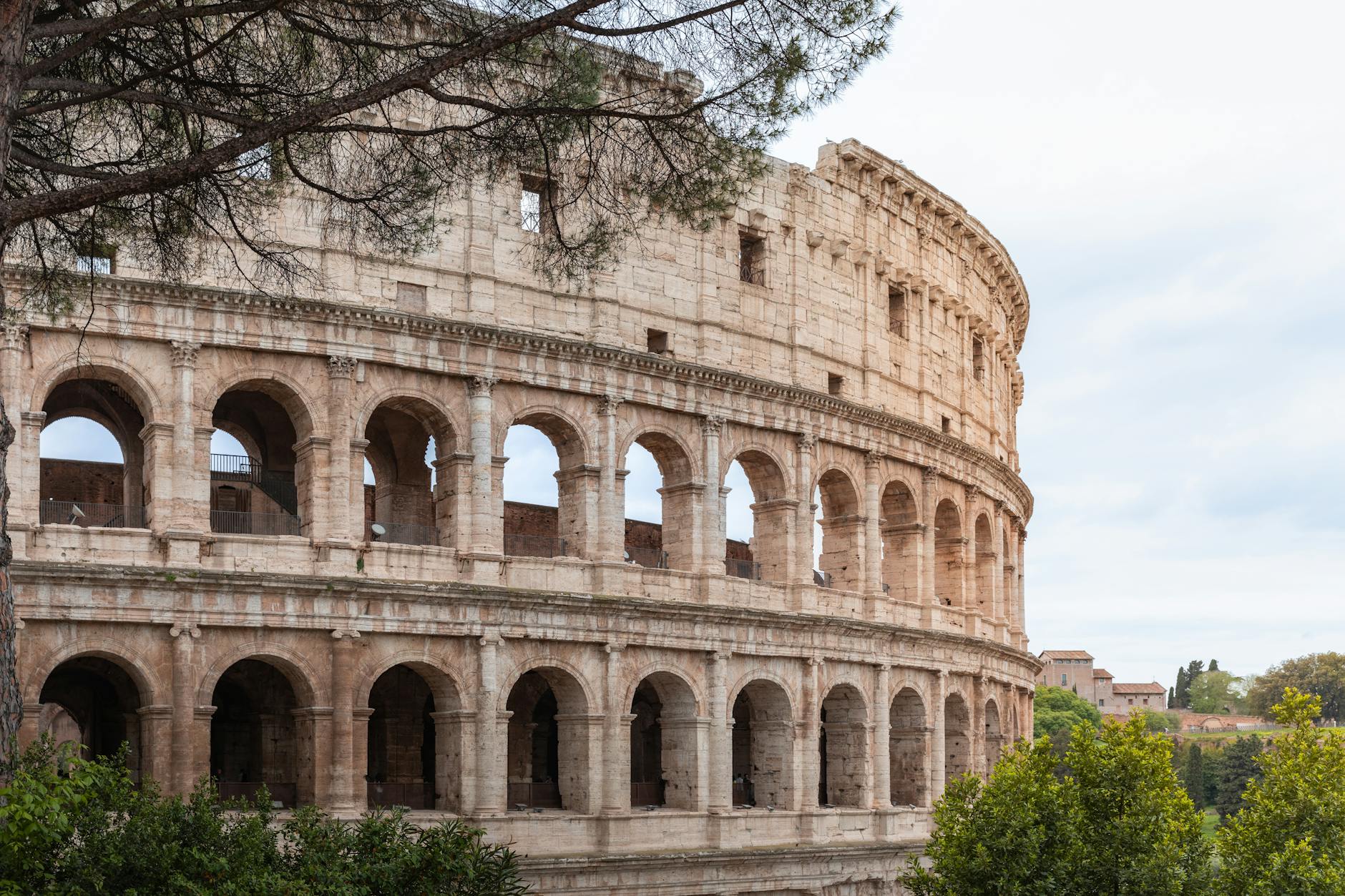
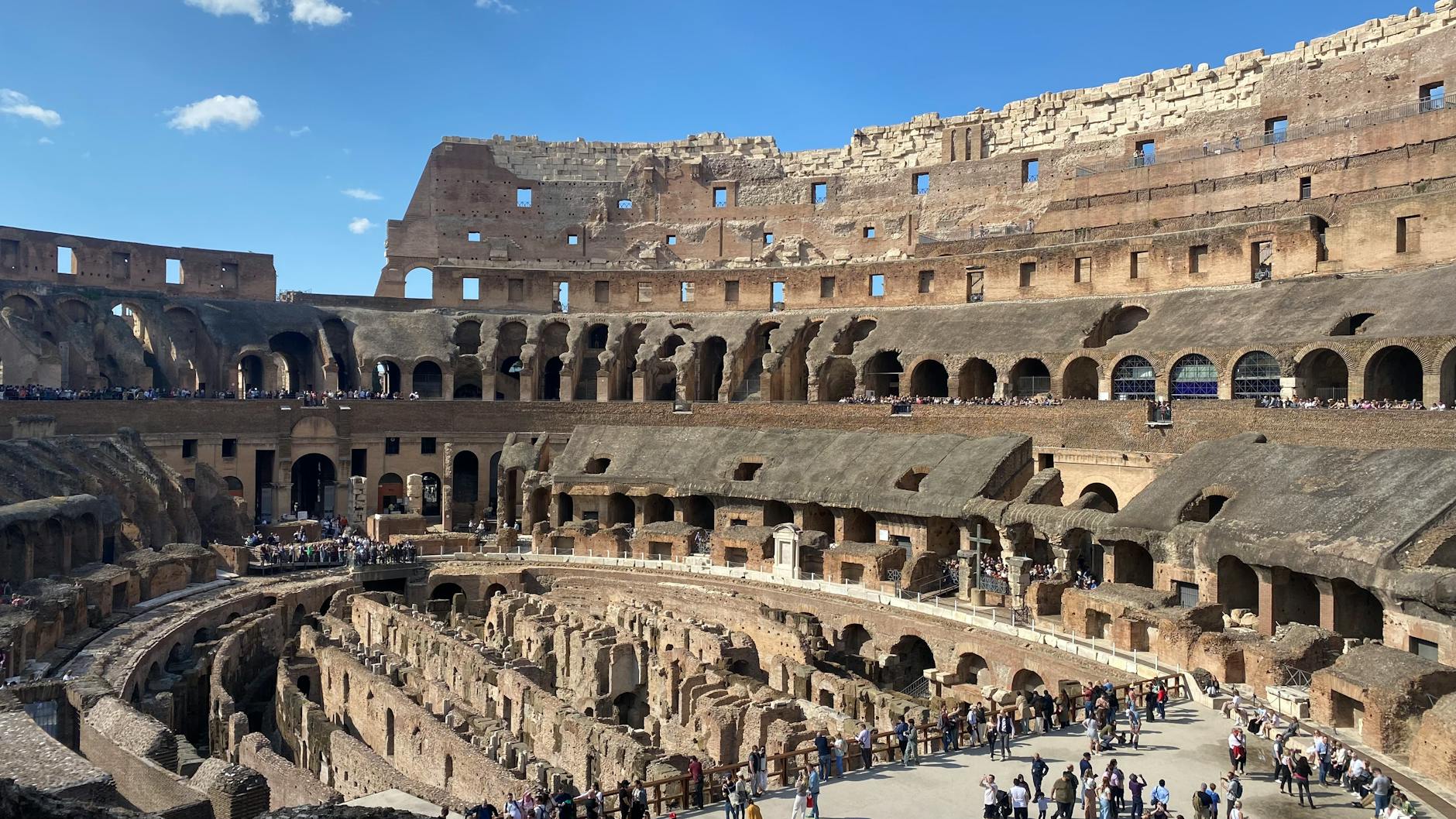
Rome is the best starting point for families. The Colosseum, Roman Forum, and Pantheon give kids a tangible connection to ancient history that's hard to replicate with a textbook. And the gladiator training classes (offered by several tour companies near the Colosseum for about $50-$75 per child) are the kind of hands-on experience that makes 7-year-olds actually pay attention to history.
Book skip-the-line tickets for everything. Seriously. The Colosseum line can take 2+ hours in peak season, and no child (or parent) survives that with their mood intact. Online tickets cost about $18 for adults, and EU kids under 18 enter free. Non-EU kids also get reduced rates at most sites.
Rome skip-the-line tickets on Viator — timed Colosseum and Vatican slots sell out 2-3 weeks ahead in peak season, so lock dates before you fly.
The Vatican Museums are a harder call with young children. The collection is extraordinary, but the Sistine Chapel involves a long walk through crowded galleries. Kids under 8 typically hit a wall about 45 minutes in. If you go, book the earliest time slot and head straight to the Sistine Chapel before the crowds build.
Trastevere family stays on Expedia — filtering to Trastevere or near Piazza Navona keeps you walkable to dinner without the Termini-area trade-offs.
Florence with Kids: Art and Gelato in Equal Measure
Florence is where the "one museum to two gelaterias" ratio becomes essential parenting strategy. The Uffizi Gallery holds some of the most important art in the world, but it's also two hours of standing and staring that can feel interminable for kids. Break it up. Do the Uffizi in the morning (book timed entry, about $25/adult, free for EU kids under 18), then immediately hit the nearest gelato shop. Vivoli and Gelateria dei Neri are both within walking distance.
See Uffizi timed-entry tickets on Viator — a guided family slot keeps the visit to a kid-sized 90 minutes instead of the open-ended general line.
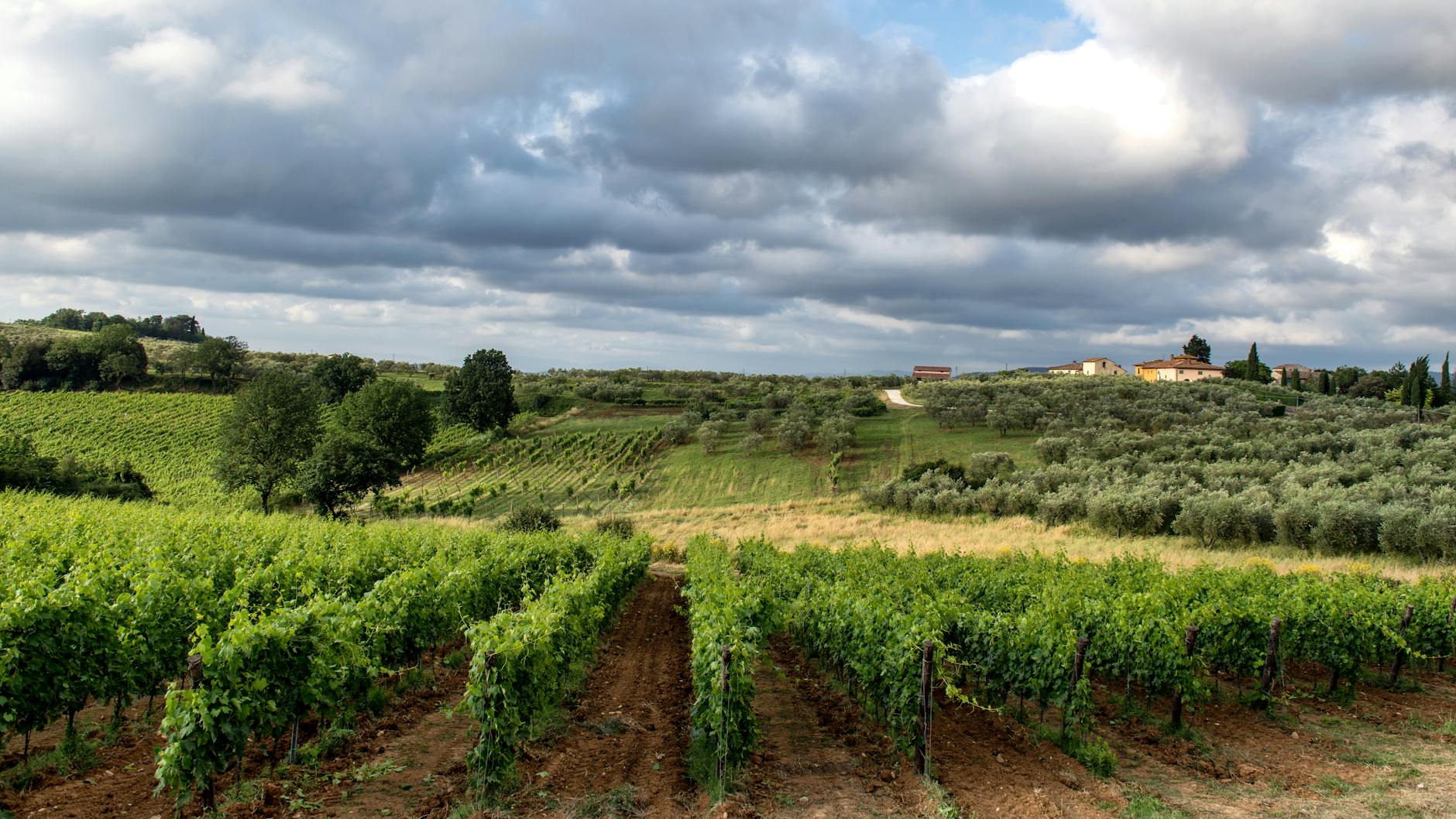
The real Florence highlight for families is outside the city center. A Tuscan villa stay with a pool, surrounded by olive groves and rolling hills, is the kind of trip that works for every age. Kids swim and explore while parents drink wine on the terrace. Villas in the Chianti region rent for $150-$400 per night and sleeping 4-6 people, which is often cheaper than two hotel rooms in central Florence.
Chianti villa rentals on Expedia — a pool-and-olive-grove place sleeping 4-6 often lands near $150-$400 a night, the sweet spot for a family base.
Pizza and pasta-making classes designed for families run about $60-$100 per person and are worth every euro. Kids knead dough, shape pasta, and eat what they've made. It's active, it's delicious, and the memory sticks.
Venice with Kids: A City That Feels Like a Storybook
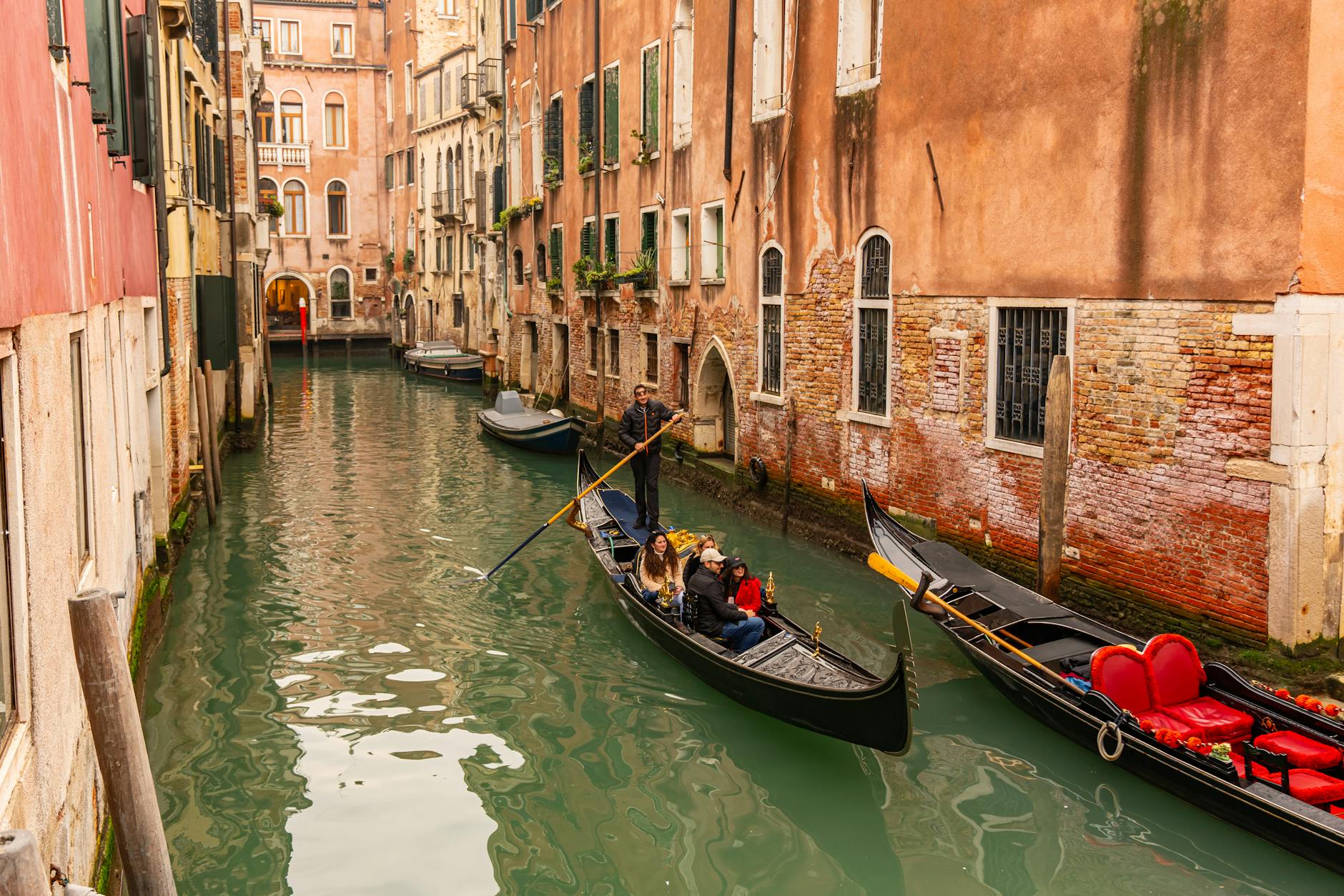
Venice is magical for children. A city with no cars, where the "roads" are water and you ride boats instead of buses? Kids lose their minds over it. The gondola ride is expensive ($80-$100 for 30 minutes) but it's one of those once-in-a-lifetime moments worth the splurge. The cheaper alternative is the vaporetto (water bus) — $9.50 for a single ride or $25 for a 24-hour pass, and kids under 6 ride free.
Two days is plenty for Venice with kids. Day one: wander through St. Mark's Square, ride the vaporetto down the Grand Canal, get lost in the narrow calle (alleys). Day two: take a water taxi to the colorful island of Burano (30 minutes from Venice, worth the trip for the rainbow-painted houses and lace-making demonstrations), and do a mask-making workshop (about $45 per person for 90 minutes). Kids love painting their own Venetian mask.
The stroller warning is real in Venice. Bridges have steps, not ramps. There are over 400 of them. A baby carrier is essential for families with little ones. And pack light — you'll be walking with your luggage from the water taxi stop to your hotel, often over those same bridges.
Venice family hotels on Expedia — picking a place a short walk from a vaporetto stop spares you hauling bags over those step-only bridges.
Food and Dining with Kids in Italy
Here's the best thing about Italy with kids: the food is already kid food. Pizza, pasta, bread, gelato — Italian cuisine is basically a picky eater's paradise. You won't be fighting over meals the way you might in Japan or Thailand. Most restaurants happily serve a plate of plain pasta with butter for younger children, even if it's not on the menu.
Timing is the tricky part. Italians eat dinner late — most restaurants don't open until 7:30 PM, and locals don't sit down until 8:30 or 9:00. For families with young kids, this means either eating very early (look for restaurants that cater to tourists and open by 7:00) or shifting your schedule to match the Italian rhythm. Many families find that a big late lunch (1:00-2:30 PM), a gelato around 5:00, and a slightly later dinner works surprisingly well.
Budget-wise, a family lunch at a trattoria costs $50-$80 for four people. Dinner at a nicer restaurant runs $80-$130. Pizza by the slice (pizza al taglio) is $3-$5 per piece and makes a perfect quick lunch. Grocery stores sell fresh bread, cheese, and prosciutto for picnic lunches that cost a fraction of restaurant prices — and eating on a bench by a fountain while kids run around a piazza is one of Italy's best free experiences.
One cultural note: Italian servers won't rush you. The check won't arrive until you ask for it ("il conto, per favore"). And a small cover charge (coperto) of $2-$4 per person is added to most restaurant bills. It's normal, not a scam.
Getting Around Italy with Kids
Trains are the answer. Italy's high-speed rail network connects Rome, Florence, and Venice with fast, comfortable, and family-friendly service. Rome to Florence takes 1.5 hours. Florence to Venice takes 2 hours. Tickets cost about $57 for adults and $28 for kids when booked in advance on Trenitalia or Italo.
Don't rent a car for the cities. Parking in Rome costs $30-$50/day in a garage (if you can find one), Florence's historic center has a limited traffic zone that fines you $100+ for entering without a permit, and Venice has literally no roads. Cars only make sense if you're doing a Tuscan countryside road trip or driving the Amalfi Coast.
For city transport, Rome's metro is cheap ($1.50/ride) and covers the main tourist areas. Florence is walkable for most families. Venice is vaporetto and feet.
Timing Tip
Book train tickets 2-3 months ahead for the best prices. Walk-up fares can be 3x more expensive. The Trenitalia app works well and lets you store tickets digitally — no printing needed.
What a Week Costs for a Family of Four
Based on current 2026 pricing data, here's what families can expect (7 nights, excluding international flights):
Budget ($3,200-$4,500): Mix of 2-3 star hotels and Airbnbs, counter-service meals and self-catering, public transit, mostly free activities. Tight but doable. Works best if you stick to one or two cities.
Mid-range ($6,000-$9,000): 4-star hotels or family apartments, mix of restaurants and some cooking, train tickets booked in advance, skip-the-line museum entries, one or two guided tours. This is where most families land and it's comfortable.
Luxury ($10,000-$14,000+): Boutique hotels, private guided tours ($250+ per day), Tuscan villa with pool, nice restaurants daily. Beautiful experience, no cutting corners.
The Same Week in July Versus September
Two line items move this number more than travel style does: the month you book, and a city tax that never shows up in the nightly rate you compare.
| Month | Mid-tier nightly rate | 7-night lodging total | Rome city tax, family of four | Daytime high |
|---|---|---|---|---|
| July (peak) | $375-$675 | $2,625-$4,725 | EUR 196-280 | 88-95F |
| September (shoulder) | $300-$500 | $2,100-$3,500 | EUR 196-280 | 65-78F |
The nightly rate is the Trastevere/Prati mid-tier range (as of April 2026, source: Booking.com). The July figure applies Booking.com's own same-hotel July-over-September uplift of 25-35% (as of April 2026, source: Booking.com) to that range. The daytime highs are NOAA's Mediterranean normals for Rome (as of April 2026, source: NOAA).
The city tax is collected at the hotel checkout and is not in the posted nightly rate (as of April 2026, source: Roma Capitale), so a family of four pays roughly EUR 196-280 on top of the nightly figure above across seven nights. One high-speed rail leg for a family of four runs $30-$60 booked two to three weeks out (as of April 2026, source: Trenitalia and Italo), which makes train-versus-car a schedule choice rather than a cost one.
Accommodation is the biggest variable. Booking 4-6 months ahead saves 30-50% on hotels. Family apartments with kitchens save enormously on food costs — breakfast at the hotel costs $15-$25/person, while groceries for the same meal cost $3-$5/person.
For families who've already done the big European destinations, our Japan first-timer guide for families offers a very different but equally rewarding alternative.
Best Time to Visit Italy with Kids
May and September win. Temperatures sit in the 70s to low 80s, crowds are manageable (especially compared to July-August), and prices are lower than peak summer. The shoulder season gives you the Italy experience without the misery of standing in a 95-degree line at the Colosseum.
July and August are the toughest months for families. Rome and Florence regularly hit the mid-90s with no breeze. Tourist sites are at maximum capacity. Prices peak across the board. And many local restaurants and shops close for the August vacation (ferragosto). If summer is your only option, head to the cooler north — Lake Como, the Dolomites, or the Ligurian coast.
April and October are solid alternatives. April can be rainy in some regions, but temperatures are pleasant. October brings beautiful fall colors in Tuscany and thinning crowds everywhere.
Final Verdict
Italy is one of the best family vacation destinations in the world in 2026, especially for kids ages 7 and up who can appreciate the history, food, and culture. Budget $6,000-$9,000 for a mid-range week covering two or three cities connected by high-speed train. Visit in May or September for the best balance of weather, crowds, and pricing. Don't try to see everything — pick your cities, slow down, and let gelato fill the gaps between museums.
The train connections between major cities are fast, reliable, and enjoyable for kids — treating the travel as part of the adventure rather than a chore makes the whole trip better.
The biggest mistake families make is over-scheduling. Italy doesn't reward efficiency. It rewards wandering, lingering over long lunches, and letting kids throw coins in fountains while you drink espresso in a piazza. Plan less. Experience more. Your kids will remember the gelato and the gondola long after they've forgotten which paintings were in which museum.
Frequently Asked Questions
Data Sources and Methodology
This guide uses verified data from official sources:
- Budget Your Trip — Italy daily cost averages and budget categories
- Global Highlights — 2026 Italy trip cost estimates by travel style
- Italy Charme — family travel guide and destination recommendations
- Mama Loves Italy — family itinerary planning for Rome, Florence, Venice
Last verified: April 2026