Best Time to Visit Hawaii with Kids (2026)
Month-by-month weather, real pricing data, and crowd levels so families can pick the right season
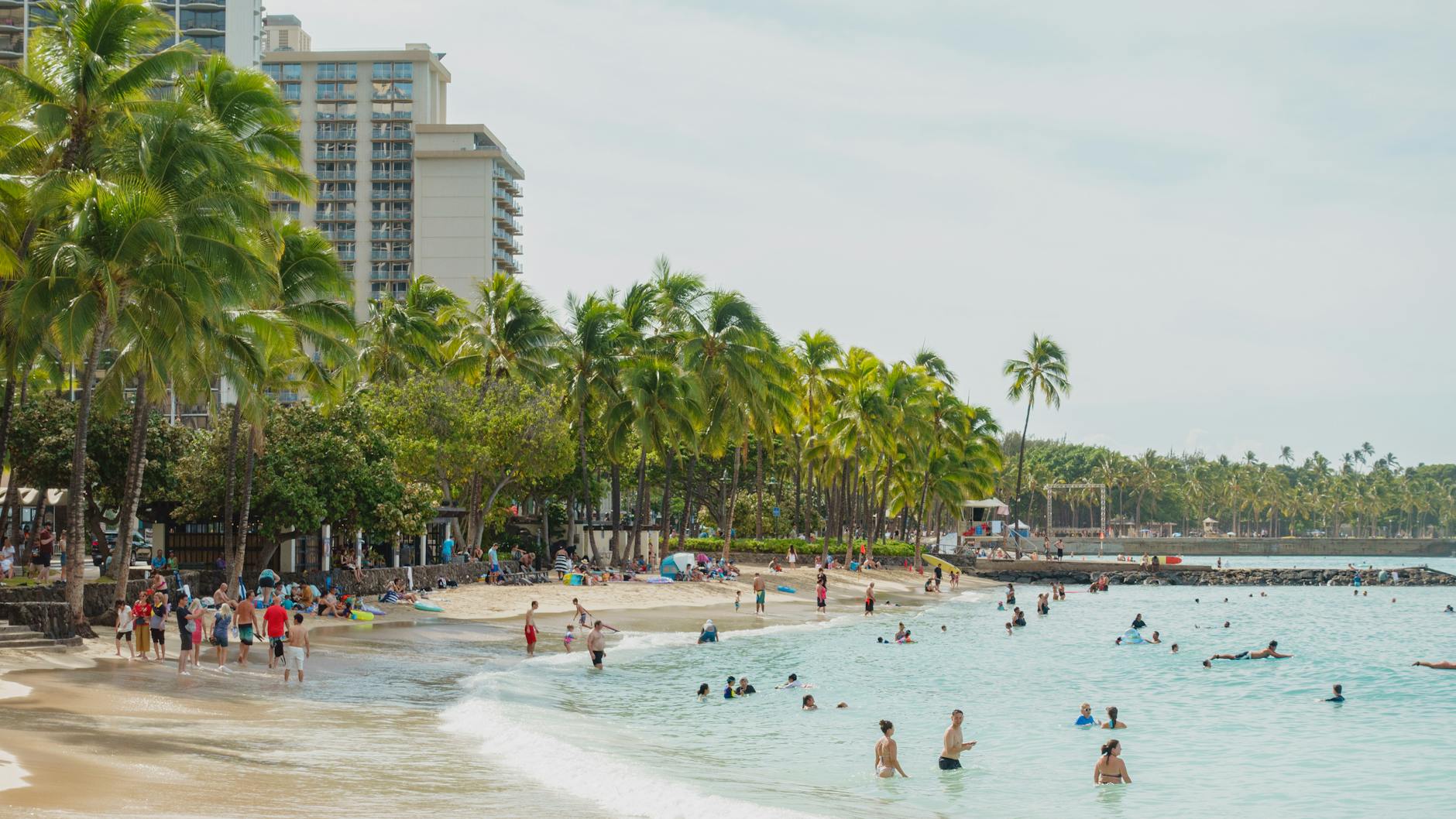
Quick Answer
- The best time to visit Hawaii with kids is April through June or September through October in 2026, when families save $3,000-$5,000 compared to peak-season pricing.
- 💰 Weekly budget: $4,792-$8,044 for a family of four in an early-November shoulder week (flights, hotel, food, activities; as of September 2026, source: Endless Travel Plans cost basket), more in peak season
- 🌤️ Best weather months: April-June for dry skies and calm ocean; water temps hit 78-80°F
- 🐋 Whale watching: January-March brings ~11,000 humpback whales; worth the winter trade-off
- 📅 Worst timing: Christmas week (prices spike 40-60%) and late August (hot, humid, crowded)
- ⚠️ Skip if: Your family can't commit at least 7 days — jet lag eats 2-3 days with young kids
- 💡 Shoulder-season hotel rates drop 30-50% — the same Maui resort that costs $600/night in July runs $350 in May (see pricing section below)
- 🧮 Use our budget calculator to get your family's exact Hawaii trip cost
Why Timing Matters More in Hawaii Than Most Destinations
Here's something most first-time Hawaii families don't realize: the weather barely changes between seasons. Temperatures hover between 75°F and 89°F year-round. What does change dramatically is what you'll pay for the exact same experience.
A four-star resort on Maui that runs $350/night in May will cost $600+ during Christmas week. Flights from the East Coast jump from $600-$750 per person to $925+ during summer break. Multiply those differences across a family of four, add in higher activity prices and fully-booked restaurants, and the gap between shoulder season and peak season stretches to $3,000-$5,000 for an identical one-week trip.
That's real money. And the kicker? The weather during those cheaper shoulder months is often better than peak summer for families with kids.
Month-by-Month Breakdown for Families
January Through March: Whale Season
Winter in Hawaii means two things: rain showers and humpback whales. About 11,000 humpbacks migrate to Hawaiian waters between January and March, and kids absolutely lose their minds watching these animals breach from shore. You don't even need to pay for a boat tour (though tours run $40-$80 per adult, with many operators offering free or discounted tickets for kids under 5).
The catch? It's the rainy season. The windward sides of each island get the worst of it — Oahu's North Shore can see 2.7 inches of rain in January alone. But here's what forums won't always tell you: the leeward (western) sides stay considerably drier. Stick to Waikiki, Ko Olina, or Maui's Kaanapali coast and you'll dodge most showers.
Temperatures sit in the low 80s during the day, dropping to the mid-60s at night. Ocean water hovers around 74°F — still swimmable, but noticeably cooler than summer. Is the whale watching trade-off worth a little rain? For most families with kids over 3, yes. Absolutely.
Safety Note
Winter brings larger waves to north-facing shores across all islands. Stick to protected south-facing beaches like Ala Moana or Poipu for swimming with young kids during January-March.
April Through June: The Sweet Spot
This is the window most travel experts (and experienced Hawaii families) swear by. The rain tapers off by mid-April. Temperatures climb into the mid-80s. Ocean conditions turn calm and warm. And here's the real advantage — crowds thin out between spring break and summer break, creating a 6-8 week pocket of lower prices and shorter lines.
Hotel rates during this shoulder period drop 30-50% compared to peak summer. That $450/night resort? It's $200-$350 in May. Flights from the West Coast drop to $400-$500 per person roundtrip. Our Hawaii family vacation cost breakdown has the full numbers.
One parent on a TripAdvisor Hawaii forum noted that May offered beautiful weather with almost empty beaches compared to their previous July trip. The Merrie Monarch Festival on the Big Island (mid-April) and Lei Day celebrations on May 1st also give families a genuine cultural experience that peak-season tourists often miss.

July and August: Peak Family Season
Summer is when most families go because school schedules dictate the calendar. And honestly? The weather is fantastic — upper 80s, minimal rain, ocean temperatures above 80°F, and the calmest surf conditions all year. If your kids are nervous swimmers, summer offers the most gentle ocean days.
But you'll pay for it. Hotel rates hit their annual peak. Flights from anywhere east of Denver run $800-$1,200 per person roundtrip. Snorkeling tours, luaus, and restaurant reservations fill up weeks in advance. July is consistently the month with the highest visitor arrivals across all Hawaiian islands.
So is summer worth the premium? If school schedules lock you in, absolutely — Hawaii in July is still incredible. But if you have any flexibility (homeschool families, preschool-age kids, teachers with spring breaks), April-June delivers nearly identical weather at 30-50% lower cost.
September and October: The Secret Shoulder Season
September and October might be Hawaii's best-kept family travel secret. School's back in session for most families, which means crowds drop sharply. Hotel rates return to shoulder-season levels ($200-$400/night). Flights are among the cheapest of the year.
Weather-wise, you're looking at low-to-mid-80s with occasional afternoon showers that pass quickly. Ocean conditions remain warm and calm — water temperatures still sit near 80°F. The Hawaii Food & Wine Festival in October and the Ironman Triathlon in Kona add some excitement if your timing lines up.
The one downside: kids are in school. But for families who can pull kids out for a week (or those with year-round school schedules), September-October is arguably the single best value window for a Hawaii family trip in 2026.
November and December: Holiday Surge
November starts quiet and affordable, then everything changes after Thanksgiving. December pricing — especially Christmas week — is the most expensive time to visit Hawaii. Period. Hotels charge peak rates, flights spike, and every activity books solid.
Early November (before Thanksgiving) still offers shoulder-season pricing and decent weather, though rainfall starts increasing. Late November through December brings the holiday atmosphere, whale season begins, and evening temperatures drop to the upper 60s. Pack layers for the kids.

What It Actually Costs by Season
Here's the part that matters most to family budgets, for a family of four on a 7-night trip. The shoulder week is our measured early-November basket, priced in September 2026 and itemized in our Hawaii family vacation cost breakdown. The peak list is our April 2026 estimate from Hawaii Guide, NerdWallet and booking platforms.
Shoulder season, measured (November 7 to 14, 2026):
- Flights: $1,460-$3,260 total for four from Los Angeles, Dallas or Chicago (as of September 2026, source: Google Flights)
- Hotels: $1,704-$3,083 for 7 nights with taxes, at median 3- and 4-star rates of $205-$371 a night (as of September 2026, source: Google Hotels)
- Food: $798 (groceries plus one casual dinner out a night; as of September 2026, sources: USDA, Zippy's)
- Activities and car rental: $830-$1,586 (as of September 2026, sources: tour operators, parks, Kayak)
- Total: $4,792 (Oahu from Los Angeles) to $8,044 (Maui from Chicago)
Peak season (June-August, holidays), April 2026 estimate:
- Flights: $3,200-$4,800 total
- Hotels: $3,150-$5,600 ($450-$800/night)
- Food: $1,470 ($210/day for family, eating out more)
- Activities and car rental: $1,200-$2,500
- Total: $9,000-$14,000+
The estimated peak week starts above the top of the measured shoulder week, for the same beaches, the same snorkeling, and (arguably) better weather. Starting January 2026, Hawaii also added a new Green Fee that pushed lodging tax to 11%, with county and general excise taxes bringing the total accommodation tax to nearly 19%. That tax hit stacks up fast on expensive peak-season rooms.
Which Island for Which Season
Not all islands perform equally across seasons. Here's how to match your timing to the right island.
Oahu (year-round): The most consistent island for families regardless of when you go. Waikiki stays relatively dry even in winter, and Oahu's infrastructure means restaurants and activities operate at full capacity year-round. It's also the most affordable island, with hotel rates running 15-20% lower than Maui. Our Hawaiian island comparison for families breaks down the full island-by-island matchup.
Maui (April-October best): Maui shines brightest during the dry months. The road to Hana is less slippery, Kapalua Bay snorkeling is crystal-clear, and resort pools aren't fighting rain. Winter Maui still works, especially for whale watching off the Lahaina coast, but expect more overcast days.
Big Island (year-round, with caveats): Hawaii Volcanoes National Park operates year-round, but the Hilo side (where the park sits) gets significant rain from November through March. Families visiting in winter should base on the Kohala Coast (dry side) and day-trip to the volcano. Summer is ideal for families who want to cover both sides.
Kauai (April-September): The "Garden Isle" gets more rain than any other Hawaiian island, and winter amplifies that dramatically. April through September keeps the Na Pali Coast accessible and trails less muddy for hiking families.
Booking Strategy That Actually Saves Money
Knowing the best season is step one. Booking smart within that season is step two.
Flights: Book 2-3 months ahead for shoulder season, 4-5 months ahead for peak summer. West Coast families can find roundtrip fares as low as $400-$500 per person during shoulder months. Set fare alerts on Google Flights or Kayak — prices fluctuate weekly and catching a dip saves real money.
Hotels: The average three-star hotel runs about $350/night in 2026, and four-star resorts average $455/night (before the ~19% tax). One cost-saving approach that comes up repeatedly on parent forums: Costco Travel packages. Multiple families report saving about 30% compared to booking through Expedia or Orbitz directly. Vacation rentals through VRBO or Airbnb can cut lodging costs further, especially for families who want kitchen access (a big deal when kids' restaurant bills run $30/day each).
Car rental: Book early. Hawaii car rental prices surge during peak season, and some families report paying $100+/day in July. Shoulder season rates are typically $40-$70/day. You'll need a car on every island except possibly Oahu, where public transportation is decent.
Age-Specific Timing Advice
The "best" month depends partly on your kids' ages. A 2-year-old's Hawaii needs look very different from a 12-year-old's.
Babies and toddlers (0-3): May and June are ideal. Ocean conditions are calm and warm enough for wading. Morning beach sessions work around nap schedules. Shoulder-season crowds mean you won't be competing for shade spots on the sand. And honestly — toddlers don't know it's not summer break. Take advantage of that flexibility while you can.
Elementary age (4-10): This is where summer starts making more sense if school schedules are rigid. But April (spring break) and early June (before most schools let out) still offer the sweet spot of good weather and lower prices. Kids this age love snorkeling, and the Hawaii family vacation guide covers the best kid-friendly snorkel spots by island.
Tweens and teens (11-17): Summer works well because older kids actually appreciate the extended daylight (Hawaii sunsets around 7:15 PM in July) and can handle more active adventures. But if your teen is okay missing a week of school, September is the golden ticket — warm water, empty beaches, and the credibility of telling friends they just got back from Hawaii.
Final Verdict
April through June 2026 is the best time to visit Hawaii with kids, offering warm weather, calm oceans, and prices 30-50% lower than peak summer. Families locked into summer schedules will still have an incredible trip — Hawaii doesn't really have a "bad" season — but those with any flexibility should target the shoulder months for the best combination of value and experience. The second-best window is September through mid-October, which matches spring shoulder pricing with slightly warmer ocean temperatures.
For whale watching families, January through March brings a unique experience worth the winter trade-offs. And whatever month you choose, give yourselves at least 7 full days. Hawaii rewards slow travel, and your jet-lagged kids will thank you for not rushing.
Frequently Asked Questions
Data Sources and Methodology
This guide uses verified data from official sources:
- Hawaii Guide — seasonal weather data, crowd patterns, and visitor statistics
- Hawaii Travel with Kids — family-specific timing recommendations and pricing comparisons
- Hawaii Guide Cost Calculator — 2026 hotel, flight, and activity pricing data
- NerdWallet — Hawaii trip cost estimates and budgeting data
- Google Flights, Google Hotels and Kayak: the measured November 7 to 14, 2026 flight, hotel and rental car lines, priced September 2026
- USDA Thrifty Food Plan (Hawaii) and Zippy's published menu: the $798 food line
- Our Hawaii family vacation cost breakdown: the measured shoulder-week basket and the per-island totals
Last verified: April 2026; cost lines re-priced September 2026