Disneyland 2-Park Strategy: How to Ride More and Wait Less
Rope drop tactics, Lightning Lane priorities, and the park hopping moves that save families hours
Quick Answer
- 🎢 Rope drop is the single most effective strategy at Disneyland in 2026 — arriving 45 minutes early and speed-walking to your first ride saves 3-4 hours of waiting over a 3-day trip.
- 💡 Where most Disneyland days actually slip: It isn't the $32-$39 Lightning Lane or the $70 Park Hopper. It's what time you walk through the gate; rope drop saves families 3-4 hours of waiting over a 3-day trip and costs nothing, while the free Single Rider line cuts a 60-90 minute Radiator Springs Racers wait to 15-25 minutes. The full breakdown below shows where the time really goes.
- 💲 Lightning Lane Multi Pass costs $32-$39 per person per day in 2026. Buy it for your busiest day, not every day. Single Rider lines are free and cut waits by 60-80% on key rides.
- 🏰 Give Disneyland Park 1.5-2 days and California Adventure 1 day. Most families need 3 days total to see both parks without rushing.
- 🔄 Park Hopper ($70 add-on) is worth it here — the two parks are a 5-minute walk apart, making it easy to hop for meals, breaks, or nighttime shows.
- 🎫 Tickets range from $104-$224 per adult per day. Summer 2026 kids' deal: just $50/day for ages 3-9 with Park Hopper included.
- 💰 Use our budget calculator to estimate your full Disneyland trip cost before booking.
Why Most Families Waste Half Their Time at Disneyland
Here's the frustrating truth about Disneyland: the families who show up at 10am and wander from ride to ride will spend more time in lines than on attractions. Meanwhile, families with a basic strategy ride twice as much in the same day.
The gap isn't about money or special access. It's about three things: when you arrive (rope drop matters more than anything you can buy), what you ride first (order matters enormously in the first two hours), and whether you use the free hacks most visitors ignore (Single Rider, park hopping patterns, midday breaks).
This guide covers all of it. No fluff, no generic "have fun!" advice. Just the moves that actually reduce your wait times and put more rides in your day.
Rope Drop: The Strategy That Beats Everything Else
Rope drop means arriving 45-60 minutes before the posted park opening. That sounds painful, especially with kids. But it works because Disneyland typically opens the gates 30-45 minutes before the official time, and the first hour has the shortest lines of the entire day.
As of January 2026, Early Theme Park Entry for hotel guests has been discontinued. Everyone gets in at the same time now — which means rope drop is even more valuable for families who commit to it.
Fantasyland-First Strategy (Best for Ages 3-8)
If your kids are under 8 or you're focused on classic Disney, head straight to Fantasyland at rope drop. According to Disney Tourist Blog's 2026 morning strategy guide, a Fantasyland-forward approach lets families ride 3-6 attractions in the first hour — Peter Pan's Flight, Dumbo, Alice in Wonderland, Mr. Toad, and Pinocchio — with minimal waits. By 10:30am, Peter Pan alone can hit 60+ minute waits. At rope drop? Ten minutes.
Mountain Strategy (Best for Ages 7+)
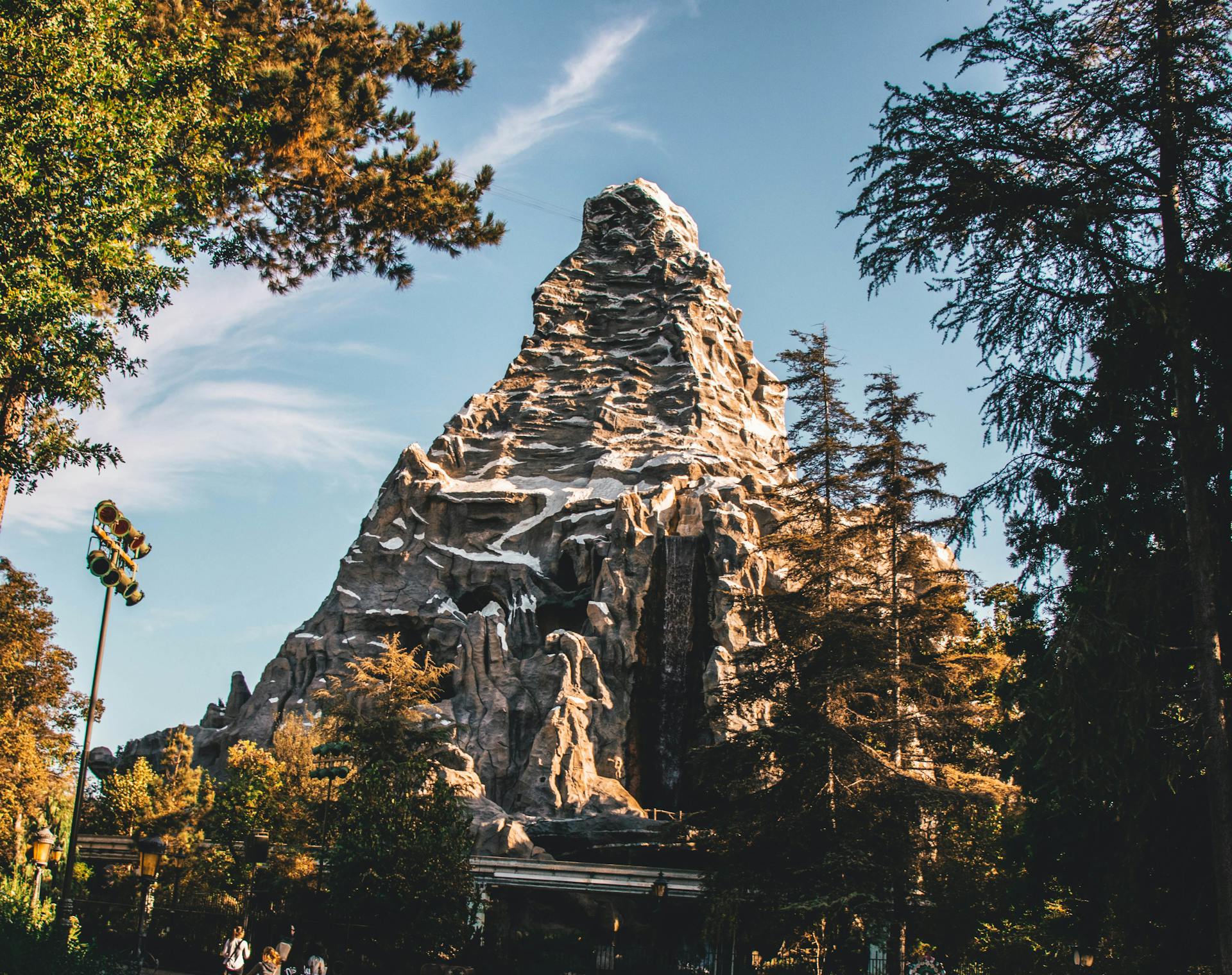
For families with older kids or thrill-seekers, the Space Mountain → Matterhorn combo is hard to beat. Ride Space Mountain first (it draws the biggest rope drop crowds), then walk directly to Matterhorn. Both done in under 40 minutes. After 10am, those two rides alone would eat 2+ hours of your day.
Lightning Lane: When to Buy and When to Skip
Lightning Lane Multi Pass replaced Genie+ in name, but the concept is the same: pay to skip the standby line on selected attractions. In 2026, it costs $32 per person per day on standard days and up to $39 during peak periods (holidays, spring break, three-day weekends).
Is it worth $128+ for a family of four? Sometimes. Here's how to decide.
Buy Lightning Lane When
- You're visiting on a weekend or holiday — standby waits regularly hit 60-90 minutes
- Your kids can't handle long lines (the $32 is basically a sanity tax)
- You're only at Disneyland for 1-2 days and need to maximize every hour
Skip Lightning Lane When
- You're visiting midweek in a non-peak period — wait times are already manageable
- Your family is comfortable using Single Rider lines for re-rides
- You have 3+ days and can spread rides across multiple mornings of rope drop
One smart compromise: buy Lightning Lane for your busiest day only (usually the Saturday or the day you hit Disneyland Park). Skip it on your California Adventure day if it falls midweek.
Lightning Lane Timing
Don't use Lightning Lane first thing in the morning. Wait times are already low at rope drop, so using a Lightning Lane before 10am wastes its value. Book your first return time for 1-3 hours after park opening, then stack bookings every 2 hours after that. Most families get 4-6 Lightning Lane rides per day with this approach.
Single Rider: The Free Hack Most Families Miss
Single Rider lines let one person at a time fill empty seats on rides. The tradeoff: your family won't sit together. But the wait time savings are dramatic.
| Ride | Standby Wait | Single Rider Wait | Time Saved |
|---|---|---|---|
| Radiator Springs Racers | 60-90 min | 15-25 min | ~65 min |
| Matterhorn Bobsleds | 45-60 min | 5-15 min | ~40 min |
| Guardians of the Galaxy | 45-75 min | 10-20 min | ~45 min |
| Incredicoaster | 30-60 min | 5-15 min | ~35 min |
| Grizzly River Run | 30-45 min | 5-10 min | ~30 min |
The strategy that works best for families: ride together the first time (via rope drop or Lightning Lane), then use Single Rider for re-rides later in the day. Kids love getting their own "solo adventure," and parents get to ride the big stuff twice without waiting in line again. Win-win.
Park Hopping: Why It's Essential at Disneyland
At Walt Disney World, park hopping means a 45-minute bus ride. At Disneyland? A five-minute walk. That changes the math completely.
Park Hopper tickets add $70 per person to your base ticket. At Disneyland Resort, that's one of the best $70 you'll spend — because the proximity of the two parks makes hopping a real-time strategy tool, not just a luxury.
Compare Disneyland Resort ticket prices — discounted 1- to 5-day base and Park Hopper tickets for 2026 dates, typically priced below the gate.
Best Park Hopping Patterns
- Morning at Disneyland Park → Afternoon at California Adventure: Rope drop Disneyland for Fantasyland or mountains, then hop to California Adventure after lunch when Disneyland crowds peak. Cars Land is often less crowded after 2pm.
- California Adventure morning → Disneyland evening: Hit Radiator Springs Racers at rope drop (before the 90-minute waits build), explore Cars Land and Avengers Campus, then hop to Disneyland for the evening fireworks show.
- Split for nighttime shows: Disneyland has the fireworks spectacular. California Adventure has World of Color. Different nights, or hop between them on the same evening.
Currently, park hopping is available starting at 11am. But Disneyland has announced this restriction will be lifted at some point in 2026 — meaning you'll eventually be able to rope-drop one park and grab breakfast at the other. That's a big deal.
How to Plan Your 2-3 Days
3-Day Plan (Recommended)
| Day | Park | Focus |
|---|---|---|
| Day 1 | Disneyland Park (full day) | Rope drop Fantasyland → Mountains → Adventureland → Galaxy's Edge → Fireworks |
| Day 2 | California Adventure (morning) → Disneyland (evening) | Rope drop Radiator Springs → Avengers Campus → Hop for Disneyland re-rides + evening shows |
| Day 3 | Disneyland Park (morning) → California Adventure (afternoon) | Re-rides and missed attractions → World of Color → Downtown Disney evening |
2-Day Quick Trip
Two days is tight but doable. Give Disneyland Park a full day with rope drop and Lightning Lane. Give California Adventure the second day. Skip the midday break strategy (you won't have time) and park hop in the evening of Day 1 for Radiator Springs Racers via Single Rider if you can't wait until Day 2.
2026 Ticket Costs for Families
Disneyland uses date-based pricing, so the cost depends on when you go. Here's what families are looking at in 2026:
| Ticket Type | Adult (10+) | Child (3-9) |
|---|---|---|
| 1-Day Single Park (lowest tier) | $104 | $98 |
| 1-Day Single Park (highest tier) | $224 | $214 |
| 3-Day Park Hopper | $535 | $510 |
| Lightning Lane Multi Pass | $32-$39/day | $32-$39/day |
| Summer Kids' Special (May-Sep) | N/A | $50/day with Park Hopper |
That summer kids' deal is good. A family of four (2 adults, 2 kids aged 3-9) with 3-Day Park Hoppers and the summer special would pay roughly $1,370 in tickets — compared to $2,090+ at regular pricing. It's the best family value Disneyland has offered in years.
Check current Disneyland Resort ticket deals — 1- to 5-day and Park Hopper prices for your exact 2026 dates, discounted off the $535 adult 3-day gate rate.
For the full trip cost including hotels, food, and extras, check our Disney vacation cost breakdown.
Ride Priority Rankings by Park
Disneyland Park — Top 10 for Families
- Space Mountain — 40" height req. Classic coaster, best at rope drop or via Lightning Lane.
- Matterhorn Bobsleds — 42" req. Iconic, and the Single Rider line is usually under 10 minutes.
- Indiana Jones Adventure — 46" req. Rough but thrilling. Not great for kids prone to motion sickness.
- Star Wars: Rise of the Resistance — 40" req. The most immersive ride in either park. Line moves fast.
- Pirates of the Caribbean — No height req. A must-do classic. Rarely over 25 minutes.
- Haunted Mansion — No height req. Spooky fun for ages 5+. Some younger kids find it scary.
- Peter Pan's Flight — No height req. Rope drop only — waits hit 60+ minutes by midmorning.
- Millennium Falcon: Smugglers Run — 38" req. Fun for Star Wars fans, less thrilling for others.
- Tiana's Bayou Adventure — No height req. The newest ride (2024). Expect longer waits through 2026.
- Mickey & Minnie's Runaway Railway — No height req. Great for all ages, surprisingly charming.
California Adventure — Top 8 for Families
- Radiator Springs Racers — 40" req. Best ride at Disneyland Resort, period. Rope drop or Single Rider.
- Guardians of the Galaxy — Mission: BREAKOUT! — 40" req. Intense drop ride. Single Rider is gold here.
- Incredicoaster — 48" req. Fastest coaster on property. Great for older kids, too intense for little ones.
- WEB SLINGERS: A Spider-Man Adventure — No height req. Interactive shooting ride. Kids love competing for high scores.
- Soarin' Around the World — 40" req. Gentle, awe-inspiring. Good for the whole family.
- Toy Story Midway Mania — No height req. Another shooting game. Consistently popular.
- Grizzly River Run — 42" req. You will get soaked. Bring a poncho or a change of clothes for kids.
- Luigi's Rollickin' Roadsters — No height req. Gentle, fun for toddlers. Skip if wait is over 30 min.
The Bottom Line
The best Disneyland strategy for families in 2026 comes down to three moves: rope drop (arrive 45 minutes early, ride 3-4 headliners before 10am), smart Lightning Lane use ($32/day on your busiest day only), and park hopping between the two parks that sit five minutes apart. Add Single Rider lines for free re-rides and you'll cover both parks in 3 days without the frantic pace most families end up with.
And here's what most strategy guides won't say: build in one lazy afternoon. A pool break at 1pm, when lines are longest and heat is worst, makes the evening return feel like a second day. Pushing through the afternoon slump isn't brave — it's how meltdowns happen. Your kids will remember the rides, not whether you skipped a midday rest.
Frequently Asked Questions
Rope drop, arriving 45-60 minutes before the posted opening, is the single most effective Disneyland strategy in 2026, saving families 3-4 hours of waiting over a 3-day trip. Disneyland usually opens its gates 30-45 minutes before the official time, so the first hour holds the shortest lines of the day. Families with kids under 8 should head straight to Fantasyland and ride 3-6 attractions in the first hour (Peter Pan's Flight runs about ten minutes at rope drop but tops 60 minutes by 10:30am); older kids should run the Space Mountain to Matterhorn combo, which takes under 40 minutes at opening versus 2+ hours after 10am. The rest is free: Single Rider lines, smart park hopping, and a midday break.
At Disneyland, the first two hours after opening are the most valuable of the day, because headliners that take under 40 minutes at rope drop can eat 2+ hours of standby after 10am. Riding Space Mountain and Matterhorn back to back at opening takes under 40 minutes combined, while the same pair after 10am would cost more than two hours. This is why arriving early beats anything families can buy, and why ride order in those first two hours matters more than any paid line-skip.
At Disneyland, the useful 2pm move is hopping to California Adventure in the early afternoon, since Cars Land often thins out after 2pm while Disneyland Park crowds peak. Park hopping is currently allowed starting at 11am, and the two parks sit a 5-minute walk apart, so a midday hop costs almost no time. Rope drop one park for the morning headliners, then cross over after lunch when the first park fills up.
Lightning Lane Multi Pass costs $32 per person per day at Disneyland in 2026, rising to $39 on peak days like holidays and three-day weekends. It is worth buying for one busy day (a weekend or holiday when standby waits hit 60-90 minutes) but not every day. A family of four pays $128+ per day for it, and can save that by skipping it on a quiet midweek park day and using free Single Rider lines for re-rides instead. Disneyland Resort hotel guests also get one free Lightning Lane per person per stay as of January 2026.
Single Rider lines at Disneyland save roughly 30-65 minutes per ride in 2026, cutting Radiator Springs Racers from a 60-90 minute standby to about 15-25 minutes. Matterhorn Bobsleds drops from 45-60 minutes to 5-15 (about 40 minutes saved), Guardians of the Galaxy saves around 45 minutes, and Incredicoaster and Grizzly River Run save 30-35 minutes each. The catch is that the group will not sit together, so the smart play is to ride together the first time at rope drop, then use Single Rider for re-rides later.
The $70-per-person Park Hopper add-on is worth it at Disneyland in 2026 because the two parks sit just a 5-minute walk apart, unlike the 45-minute bus rides at Walt Disney World. That proximity makes hopping a real strategy tool: families can cross over for meals, an afternoon break, or to catch the fireworks at Disneyland and World of Color at California Adventure. Park hopping currently starts at 11am, though Disneyland has said it will lift that restriction at some point in 2026.
Disneyland Park deserves more time than California Adventure for most families in 2026, earning 1.5-2 days against 1 day for California Adventure. Disneyland Park holds more classic rides (Space Mountain, Matterhorn, Peter Pan's Flight, and Galaxy's Edge), while California Adventure anchors on Radiator Springs Racers, Cars Land, and Avengers Campus. If a family can only pick one park, Disneyland Park is the choice.
Most families need 3 days at Disneyland in 2026 to see both parks without rushing: 1.5-2 days for Disneyland Park, 1 day for California Adventure, and a half-day for re-rides or missed attractions. Two days is doable but tight, requiring early rope drops and Lightning Lane on the busy day. Map it out with the 3-day itinerary.
Disneyland single-day tickets range from $104-$224 for adults and $98-$214 for children ages 3-9 in 2026, depending on the date. A 3-Day Park Hopper runs $535 per adult and $510 per child at regular pricing. The summer 2026 deal (May-Sep) is the standout: kids ages 3-9 get $50-per-day Park Hopper tickets, dropping a family of four to roughly $1,370 in tickets versus $2,090+ at regular pricing. Run the numbers in the budget calculator before booking.
Data Sources and Methodology
Strategy recommendations and pricing data in this guide come from official Disney resources and verified theme park planning experts. Key sources include:
- MickeyVisit — Disneyland Ticket Prices 2026
- MickeyVisit — Disneyland Lightning Lane Multi Pass 2026 Guide
- Disney Tourist Blog — Morning Strategy & Rope Drop Tips 2026
- Undercover Tourist — Park Hopping at Disneyland Resort
- Trips With Tykes — Smart Rope Drop Strategies for Disneyland
Ticket prices, Lightning Lane costs, and ride wait time estimates verified against official Disneyland resources and crowd data as of March 2026. Single Rider wait estimates based on aggregated reports from theme park planning communities.