Crete vs Corfu with Kids: Greek Island Family Guide
Quick Answer: Crete vs Corfu
- Crete is Greece's largest island at 260km long, offering more beaches, attractions, and variety — but it requires a hire car and the driving distances catch first-time visitors off guard. Corfu is compact enough to cover in a week without stress.
- Best for toddlers: Corfu — calm east coast beaches with water that stays knee-deep for metres, easy to get around, no long drives needed
- Best for older kids (8+): Crete — Knossos Palace, Samaria Gorge, Elafonissi's pink sand beach, and proper waterparks
- Car hire: Essential in Crete (~£25-£40/day), optional in Corfu. This alone changes the holiday feel significantly.
- Beaches: Crete's are more dramatic (Balos lagoon, Elafonissi pink sand). Corfu's are gentler and more sheltered.
- Budget: Crete is slightly cheaper for accommodation and food, but car hire costs offset the savings
- Choose Crete if: your kids are old enough to enjoy day trips and you don't mind driving
- Choose Corfu if: you want a relaxed week of beach and taverna with minimal logistics
- 💡 Crete's size surprises everyone — driving from Chania to the famous Elafonissi beach takes 90 minutes on winding mountain roads. Plan accordingly. See the distance breakdown below.
- 🧮 Use our budget calculator to compare costs for your Greek island holiday
The deciding factor is your children's ages — that single detail answers this question for most families — see our verdict below.
Side-by-Side Comparison
| Category | Crete | Corfu | Edge |
|---|---|---|---|
| Island size | 260km long — Greece's largest island | 60km long — compact and manageable | Depends on preference |
| Flight time from UK | 3.5-4 hours | ~3 hours | Edge: Corfu |
| Car hire needed? | Yes, essential | Helpful but optional | Edge: Corfu |
| Best beaches | Elafonissi (pink sand), Balos lagoon | Paleokastritsa, Glyfada, Sidari | Edge: Crete |
| Toddler-friendly beaches | Good (north coast) | Excellent (east coast — very shallow, calm) | Edge: Corfu |
| Historical attractions | Knossos Palace, Samaria Gorge | Old Town (UNESCO), Achilleion Palace | Edge: Crete |
| Waterparks | Acqua Plus, WaterCity, Limnoupolis | Aqualand Corfu | Edge: Crete |
| Food costs | Slightly cheaper tavernas | Slightly pricier (more affluent crowd) | Edge: Crete |
| Resort variety | Huge range — budget to luxury | Good range but fewer large resorts | Edge: Crete |
The Size Factor
This is the thing that catches every family on their first Crete trip. The island is enormous. At 260km from east to west, it's roughly the same distance as London to Manchester. Driving from Chania airport to Elafonissi — one of Europe's most beautiful beaches — takes 90 minutes on narrow, winding mountain roads. Getting from Heraklion to Balos lagoon? Over two hours each way. With car seats, snack stops, and the inevitable "are we there yet?" loop, those drives eat into your holiday.
Corfu is 60km long. You can reach most beaches within 30-60 minutes from anywhere on the island. Paleokastritsa (the postcard-perfect bay) is 25 minutes from Corfu Town. Sidari in the north is about 40 minutes. Even the furthest beaches feel reachable as a morning decision rather than a full-day expedition. That difference in scale shapes the entire holiday rhythm.
Beaches Compared
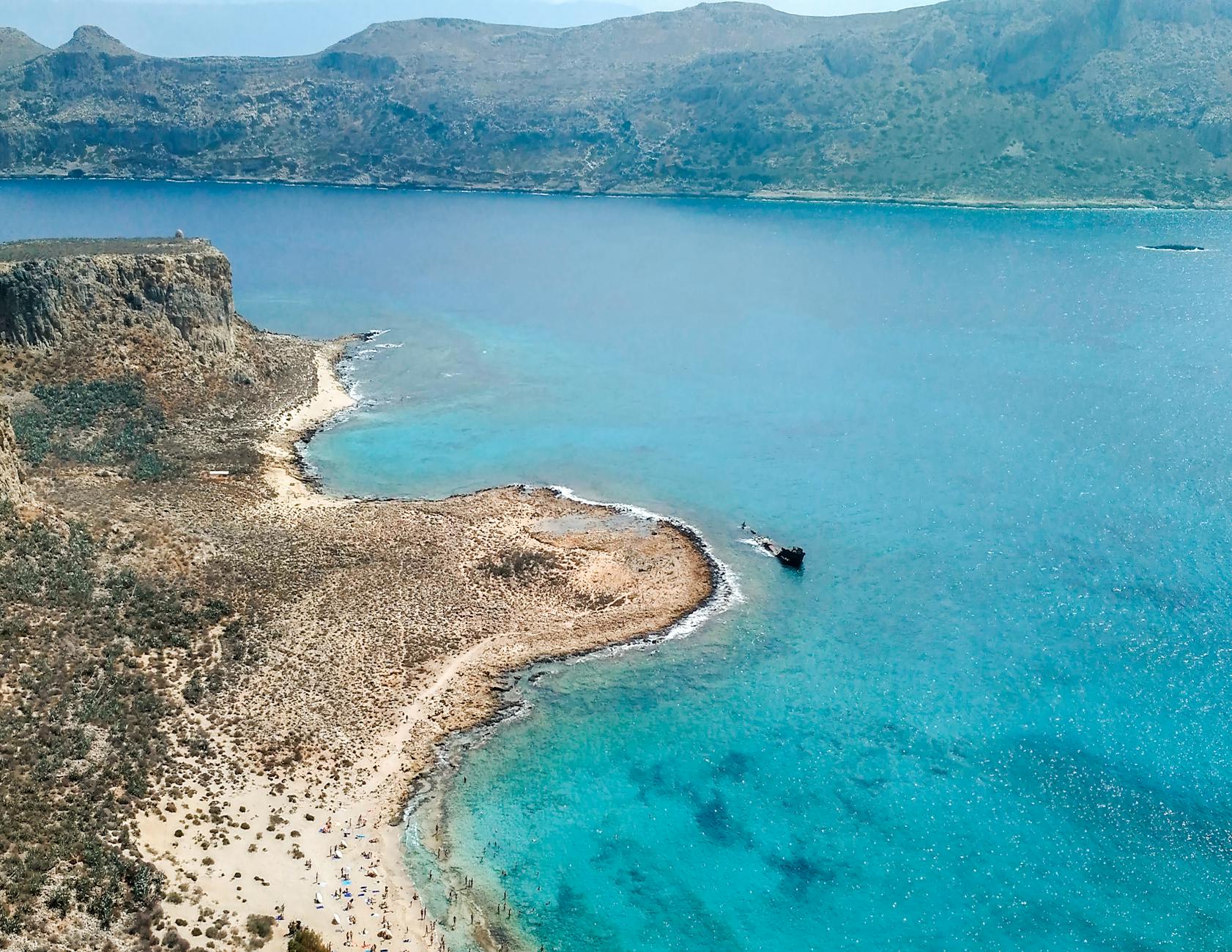
Crete's headline beaches are special. Elafonissi has pink-tinged sand created by crushed shells. Balos lagoon looks like it belongs in the Caribbean — white sand, shallow turquoise water, accessible only by boat or a rough dirt road. These beaches regularly appear on "world's best" lists, and they deserve it. But getting to them is the trade-off.
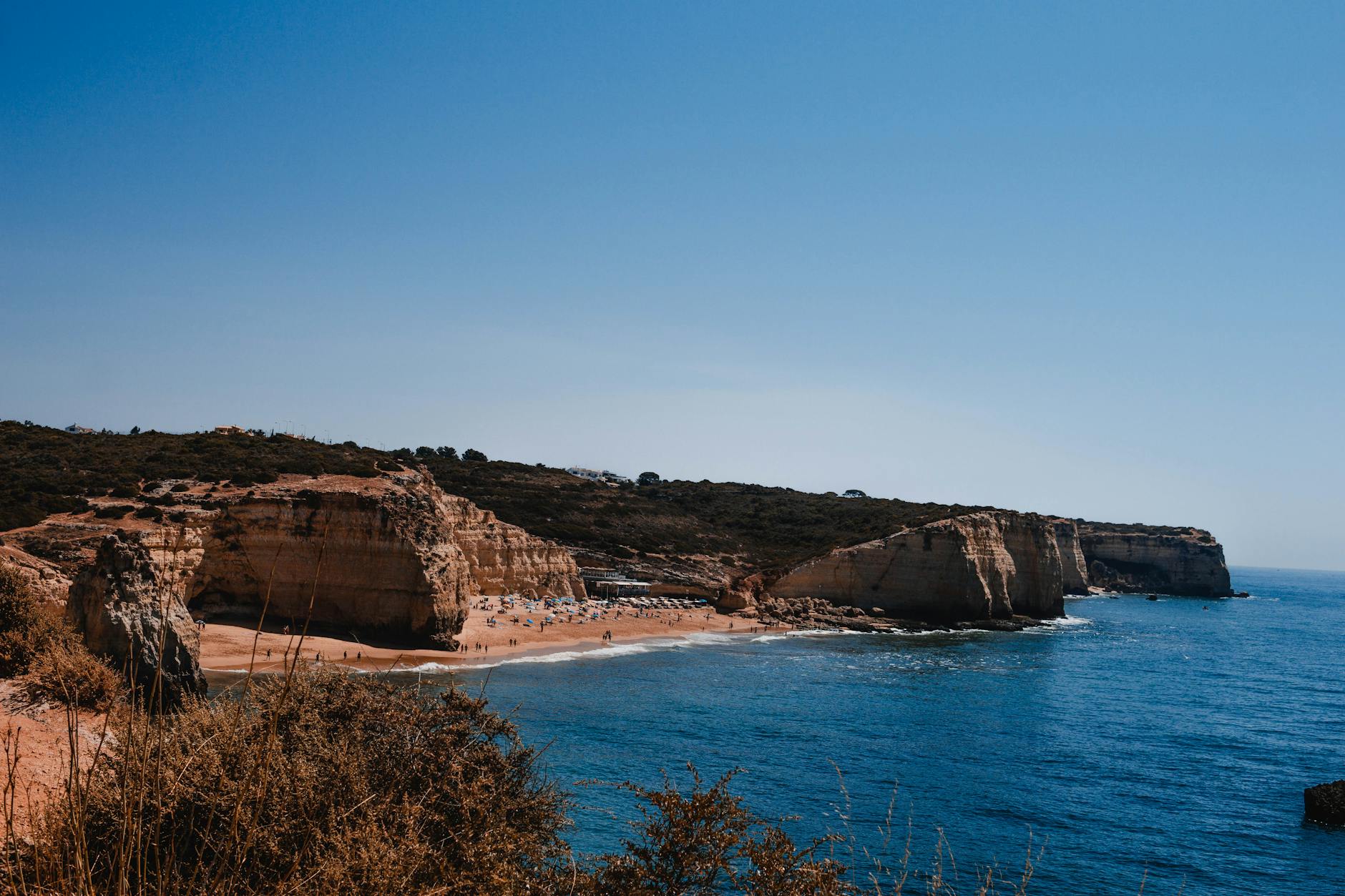
Crete's north coast beaches (Almyrida, Marathi, Georgioupolis) are more accessible and family-friendly — sandy, gentle gradients, tavernas behind. They won't make your jaw drop, but they're solid, everyday beaches where families spend happy weeks. The south coast is wilder, more remote, and harder to reach with kids.
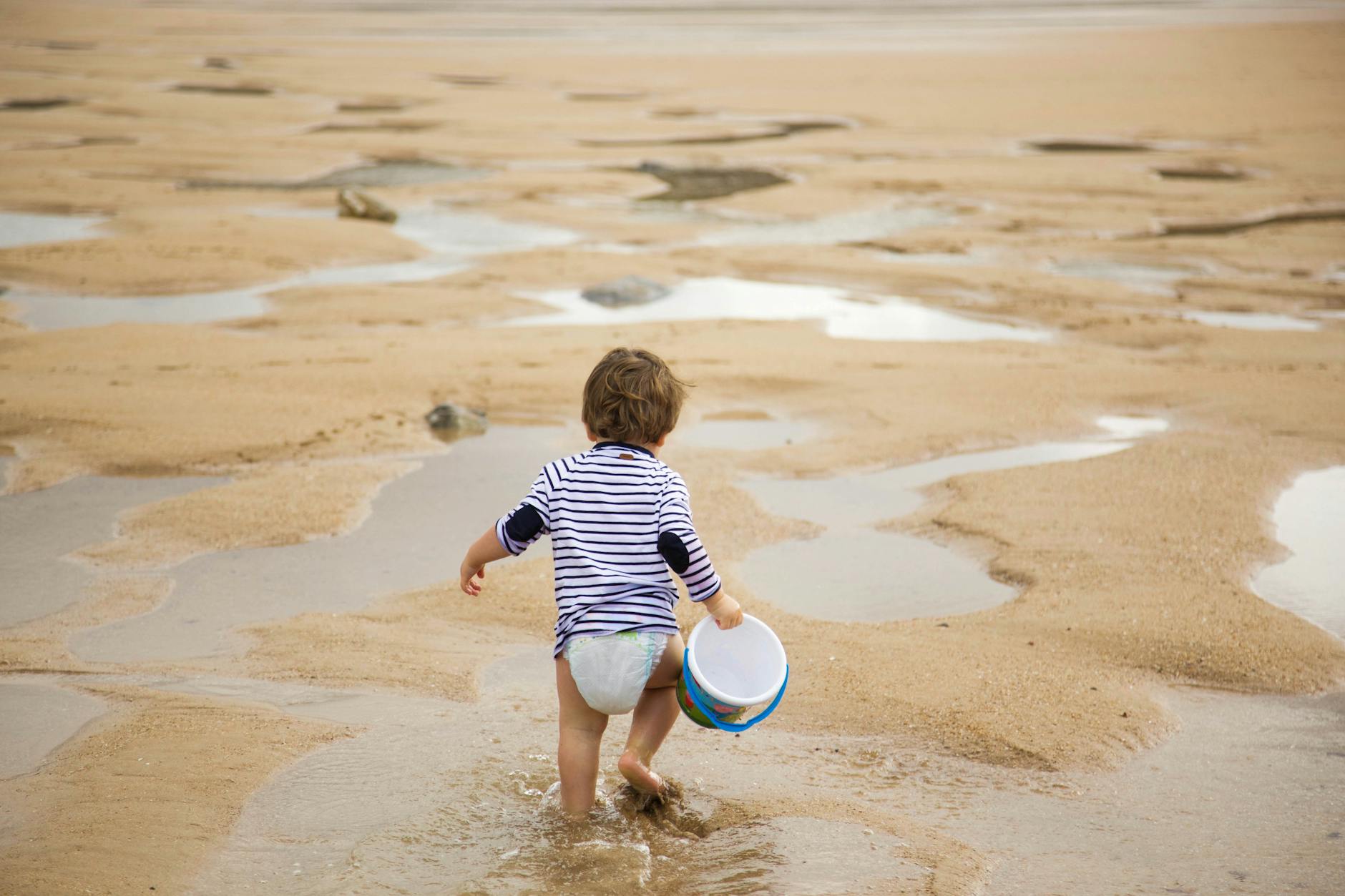
Corfu's beaches lack that wow factor. There's no pink sand or Caribbean-style lagoon. But for families with young children, Corfu's east coast is hard to beat. Dassia, Kontokali, and Ipsos have water that stays barely knee-deep for the first 20 metres — essentially a giant safe paddling pool. The west coast delivers more drama: Glyfada has golden sand backed by green cliffs, and Paleokastritsa's sheltered bays are particularly gorgeous. Sidari in the north has the famous Canal d'Amour rock formations plus incredibly shallow sandy water — a toddler paradise.
What to Do with Kids
Crete Attractions
Knossos Palace (15 minutes from Heraklion) brings ancient Minoan civilisation alive. Kids who've read anything about the Minotaur or the labyrinth find it really thrilling. The Samaria Gorge is Europe's longest gorge walk at 16km — spectacular, but only suitable for fit older children (10+). The shorter "Lazy Way" walk from Agia Roumeli gives younger families a 3km taste of the gorge without the full trek.
Crete also has three major waterparks (Acqua Plus, WaterCity, and Limnoupolis) scattered across the island. The aquarium in Heraklion is excellent for rainy days — though rainy days are rare. There's simply more to do on Crete, which matters for families with older children who get bored easily. For comparing the wider Greek island options, our European cities guide covers mainland alternatives too.
Browse Crete family tours on Viator — the guided Knossos slots are worth pre-booking in July and August, when the midday ticket queue in full sun is brutal with kids.
Corfu Attractions
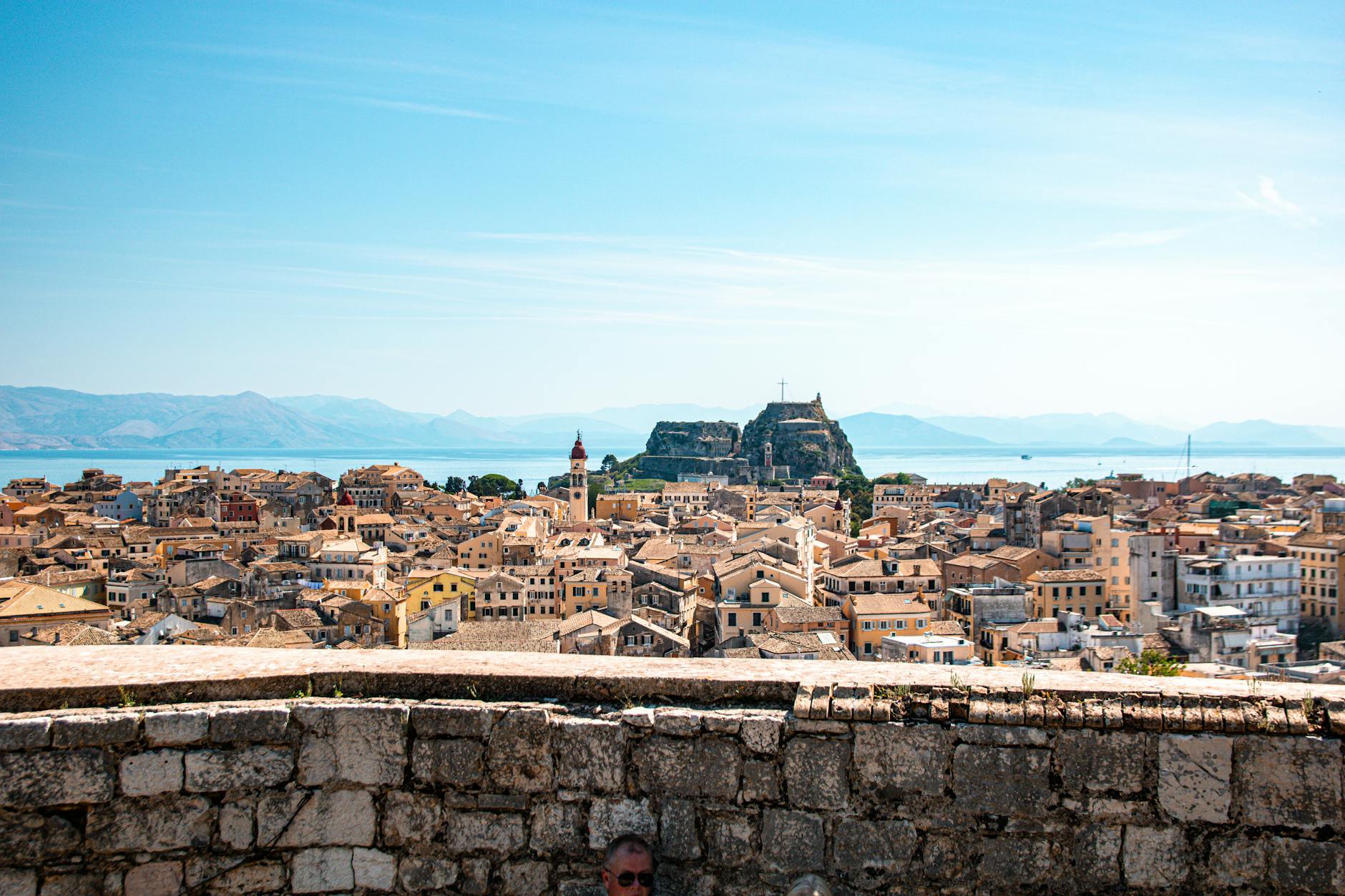
Corfu Old Town is a UNESCO World Heritage site and charming — Venetian architecture, narrow alleys, cricket played on the Esplanade (yes, really). The Achilleion Palace, built for Empress Sisi of Austria, has gardens with sea views that older children appreciate. Aqualand Corfu is a decent waterpark, though smaller than Crete's options.
But here's the thing about Corfu: the island itself is the attraction. Driving between beaches, stopping at village tavernas for lunch, watching the sunset from the west coast — Corfu suits the family that doesn't need a packed itinerary. If your holiday speed is "beach in the morning, pool after lunch, taverna for dinner," Corfu does that perfectly without the pressure to tick off bucket-list sights.
Food and Family Dining
Greek food is kid-friendly on both islands — simple grilled meats, chips, fresh bread, and feta keep even fussy eaters happy. Crete has a slight edge on food variety. The island's size supports a proper foodie culture: mountain villages with traditional cheese dairies, harbour-front fish restaurants in Chania, and rural tavernas where the menu is whatever they cooked today. Rethymno's old harbour is one of the best dinner settings in Greece. Prices are fair too — a family meal for four typically runs £30-£45 at local tavernas away from the main tourist strips.
Corfu's restaurant scene is smaller but charming. The Venetian influence shows up in the food — pastitsada (pasta with roast meat), sofrito, and bianco fish stew are local specialities you won't find on other islands. Corfu Town has excellent restaurants, and the seaside tavernas at Paleokastritsa are gorgeous for sunset dinners. Expect to pay £40-£55 for a family meal. Not a dramatic difference, but it adds up over a week.
Both islands have supermarkets for self-catering, though Crete's larger towns (Heraklion, Chania, Rethymno) have bigger and cheaper shops. Corfu's village minimarkets charge holiday prices for basics. If you're self-catering on Corfu, do a proper shop in Corfu Town early in the holiday.
Accommodation Options
Crete's accommodation range is vast. Budget apartments from £50 per night, mid-range family hotels with pools for £80-£150, and luxury resorts along the north coast for £200+. The sheer number of options means you'll find good value with some research. Several all-inclusive resorts cater specifically to UK families through TUI and Jet2.
Crete family hotels on Expedia — filter to your chosen base first – Chania for the western beaches, Heraklion for Knossos – so you are not driving an hour to your own hotel.
Corfu offers fewer options but the quality standard tends to be higher. Villa rentals are popular here (the island has a strong villa culture), and a three-bedroom villa with a private pool runs from about £120-£250 per night depending on season and location. For families who want space and privacy rather than hotel living, Corfu's villa scene is appealing.
Compare Corfu family villas on Expedia — the £120-£250 villa band tends to sit on the calmer east coast (Dassia, Kontokali) where the shallow water suits toddlers.
Costs and Practicalities
Crete is slightly cheaper on accommodation and food. The island's size creates healthy competition between restaurants and hotels, which keeps prices honest. A family meal at a local taverna on Crete runs around £30-£45. Corfu's tavernas are slightly pricier — the island attracts a more affluent crowd, and restaurant prices reflect that.
But Crete requires car hire. At £25-£40 per day for a week, that's £175-£280 extra that Corfu families can skip. Add fuel (Crete's distances are real) and the budget gap narrows significantly. Corfu families who stay in a resort area can walk to beach and restaurants without ever renting a car, though having one opens up the west coast beaches nicely.
Both islands have direct flights from major UK airports during summer. Crete flies into Heraklion (east side) or Chania (west side) — choosing the right airport for your base matters. Corfu has a single airport right next to Corfu Town, with transfers to most resorts under 45 minutes.
Which Should You Choose?
Families with babies and toddlers (0-3)
Corfu. The calm, shallow east coast beaches are designed for this age group. No long drives needed. Resort transfers are short. Life is simple. Corfu's gentleness is its strength with little ones.
Families with primary school children (4-10)
Both work well, but Crete has the edge if your kids are active and curious. Knossos, waterparks, and beach variety keep this age group entertained all week. Corfu is the better pick if you prefer a relaxed pace without driving stress.
Families with tweens and teens (11-16)
Crete. Teenagers need stimulation, and Crete's size means there's always somewhere new to explore. The Samaria Gorge trek is a genuine adventure. Corfu can feel small for older kids after a few days. That said, Corfu Old Town's restaurants and shops give teenagers an evening destination, which helps.
First Greek island trip
Corfu for ease. Crete for the "full Greek experience." If you've never done a Greek island holiday before, Corfu's compact format and English-friendly infrastructure make it the gentler introduction. Crete is better when you know what you're doing and want to explore independently. And if you're still deciding between Greece or Turkey overall, our Turkey vs Greece family comparison breaks down the trade-offs. For families weighing Turkey's all-inclusive model against Greek island independence, our all-inclusive vs self-catering guide helps with that decision.
Half-term breaks (October)
Crete holds warmth longer into October (25-27°C) compared to Corfu (22-24°C). Both are swimmable in early October, but Crete gives better odds of properly warm beach weather during half-term. Some Corfu restaurants and facilities close earlier in the season.
The Verdict
Corfu is the better Greek island for families with children under five, while Crete is better for families with school-age kids and above — and that age divide is the clearest way to decide in 2026.
Corfu's charm is its simplicity. Small enough to feel manageable. Beaches calm enough for toddlers to paddle safely. Close enough to everything that you never waste holiday time driving. For families who want a week of sunshine, swimming, and evening tavernas without a packed itinerary, Corfu delivers exactly that.
Crete rewards families who want more. The beaches are more spectacular. The history is richer. The food is cheaper. But it demands more effort — car hire, route planning, longer drives. It's a travelling holiday rather than a sit-by-the-pool holiday. For families ready for that, Crete is one of the best family destinations in Europe.
Our honest pick: Corfu for your first Greek island trip with young kids. Crete when they're old enough to remember it. Use our itinerary builder to plan daily activities for either island.
Compare Crete and Corfu family stays on Expedia — price the same week on both and remember to add Crete's £175-£280 car hire before you call it the cheaper island.
Frequently Asked Questions
Data Sources and Methodology
This comparison uses verified data from authoritative sources:
Official Sources
- Greek Trip Planner — Corfu vs Crete detailed comparison
- Ef Zin Villa — Corfu family beach guide
- Rental Center Crete — Samaria Gorge information
Pricing Data
- Car hire: Europcar, local rental companies — March 2026
- Package holidays: TUI, Jet2, easyJet — March 2026
- Methodology: Prices for family of 4, 7-night stays, mid-range self-catering
Parent Experiences
- Found via WebSearch on Santorini Dave and Travel Mad Mum