Turkey vs Greece: From £720 vs £1,000 a Week (2026)

Quick Answer: Turkey vs Greece
- Turkey is cheaper than Greece for a family holiday in 2026 — a family of four pays from around £720 for a week all-inclusive versus £1,000+ in Greece, and saves £500-£1,000 across the week once cheaper meals out (£30-£40 vs £50-£70) are counted.
- All-inclusive winner: Turkey, hands down. Mega resorts with waterparks, kids' clubs, multiple restaurants, and evening shows — all included. Greece has all-inclusive options but it's not the same culture.
- Logistics: Turkey's beach resorts are drive-to from the airport (Antalya or Dalaman). Greek islands need ferries, which add cost, time, and stress with small kids.
- Cultural experience: Greece edges ahead here. Whitewashed villages, local tavernas, island-hopping — the "experience" factor is stronger than sitting in a Turkish mega resort.
- Choose Turkey if: you want maximum value, a stress-free all-inclusive week, and the kids care about waterslides more than culture
- Choose Greece if: you want to explore, eat out at local restaurants, and create travel memories beyond the resort
- 💡 The spending money gap is huge — a family meal out in Turkey costs roughly half what it does in Greece, which adds up over a week. See the full breakdown below.
- 🧮 Use our budget calculator to compare your family's total cost for each destination
The real question isn't which is "better" — it's whether you want a resort holiday or a travel experience — see our verdict below.
Side-by-Side Comparison
| Category | Turkey | Greece | Edge |
|---|---|---|---|
| Cost for a family of 4 (7 nights, all-inclusive) | From ~£720 total | From ~£1,000+ total | Edge: Turkey |
| All-inclusive resort quality | Large resorts, waterparks, kids' clubs, evening shows | Smaller hotels, fewer resort-style options | Edge: Turkey |
| Cost of a family meal out | ~£30-£40 family meal | ~£50-£70 family meal | Edge: Turkey |
| Local restaurant food quality | Excellent kebabs, meze, fresh bread | Outstanding taverna culture, fresh seafood | Edge: Greece |
| Flight time from UK airports | 3.5-4.5 hours | 3-4 hours | Edge: Greece |
| Airport-to-resort journey | Direct transfer, no ferries | Many islands require ferry from mainland | Edge: Turkey |
| Cultural experience beyond the resort | Good but resort-focused | Whitewashed villages, history, island atmosphere | Edge: Greece |
| Beach quality and crowds | Beautiful, less crowded | World-famous, can be very busy | Tie |
| Currency for UK visitors | Turkish Lira (very favourable for GBP) | Euro (less favourable) | Edge: Turkey |
The Cost Gap
Let's talk money, because this is where Turkey pulls away from Greece so dramatically that it changes the entire holiday calculation for most UK families.
All-inclusive holidays to Turkey start from around £179 per person with operators like loveholidays, which means a family of four can get a week's holiday with flights, accommodation, and all meals for under £720 in off-peak periods. Even during summer school holidays, Turkey's all-inclusive packages remain significantly cheaper than equivalent Greek options. The weak Turkish lira (which has fallen sharply against the pound over recent years) makes everything from ice cream to boat trips absurdly cheap by UK standards.
Greece uses the euro, which means UK families face a less favourable exchange rate. A family meal at a Greek taverna costs £50-£70 — pleasant, charming, delicious — but do that every evening for a week and you've spent £350-£490 just on dinners. The same quality of food in Turkey runs £30-£40. Over a seven-night stay, that gap adds up to hundreds of pounds.
One parent on Mumsnet summed it up: "everywhere seems so much more expensive than Turkey and not as much for your money." That's a common refrain among families who've done both.
That gap holds up when you widen the field. Across the twelve resorts in our ranking of cheap family holidays ranked by a real week's cost, Marmaris finishes third on the ground, and Turkey's Dalaman coast is the cheapest package week of the ten Which? tracked this summer at £808 per person against £829 for Kefalonia in Greece. The flights are near enough level. It's the week of dinners after landing that isn't.
The All-Inclusive Question
Turkey doesn't just do all-inclusive. Turkey owns all-inclusive. The country's tourism industry has been built around massive, purpose-built resorts that deliver exactly what families want: big pools, waterslides, kids' clubs that actually keep children entertained, multiple buffet restaurants, and evening shows. These aren't modest guesthouses with a breakfast buffet — they're mini cities designed to ensure you never need to leave.
Antalya family resorts on Expedia — the big waterpark resorts around Antalya and Belek book up first for July and August, so it pays to scan dates early.
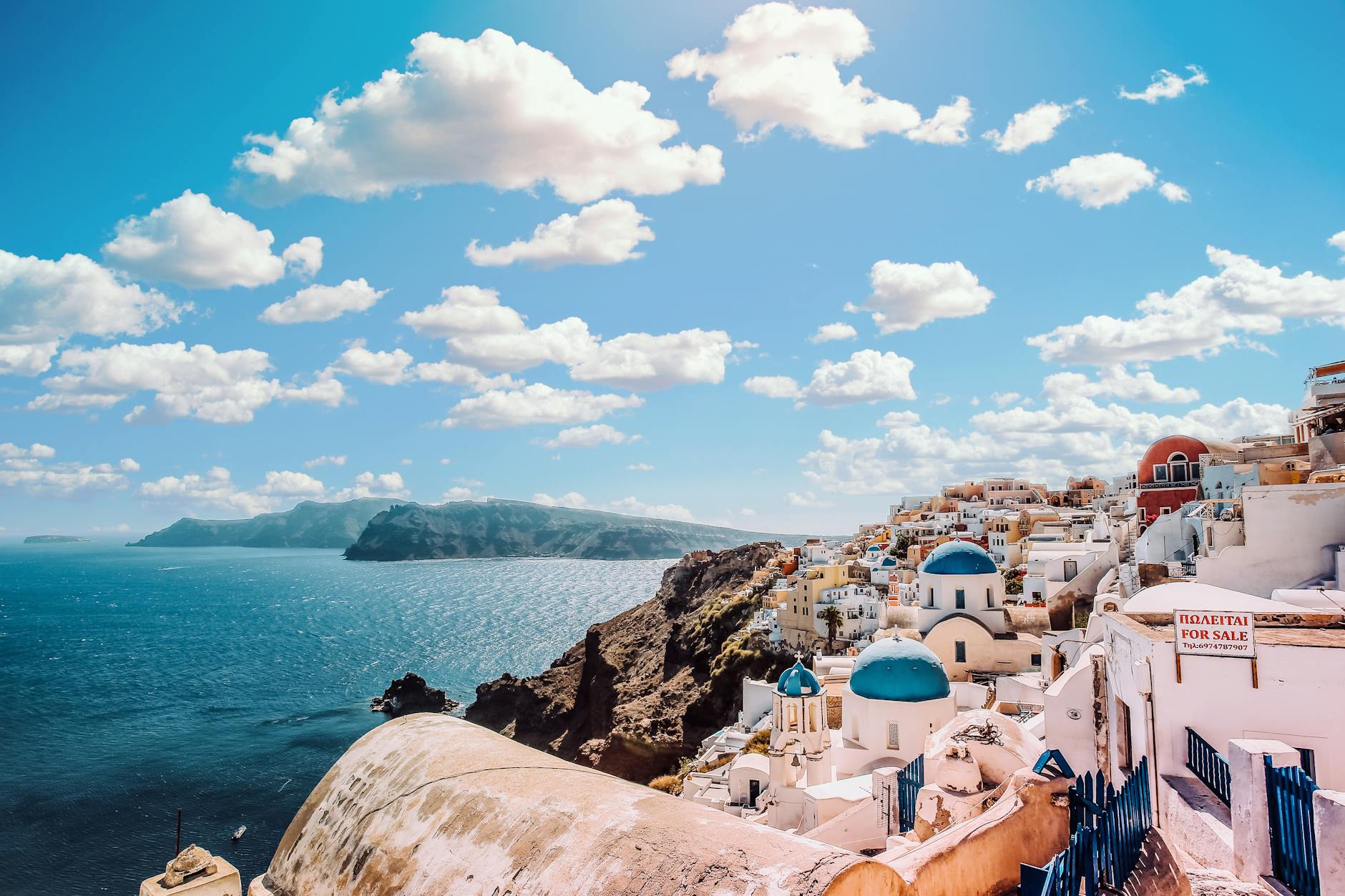
Greece's all-inclusive scene exists but it's smaller and more recent. Crete and Rhodes have proper family resorts (TUI and Jet2 run several excellent ones), but the traditional Greek holiday is self-catering apartments plus eating out. That's a fundamentally different experience — more adventurous, more immersive, but also more expensive and more work for parents who just want to switch off.
So here's the honest question: do you want a holiday where everything's done for you, or a holiday where you're out exploring? There's no wrong answer. But the decision shapes whether Turkey or Greece is right for your family far more than beach quality or flight times ever will. For families who've done both types, our all-inclusive vs self-catering comparison goes deeper on this question.
Getting There and Getting Around
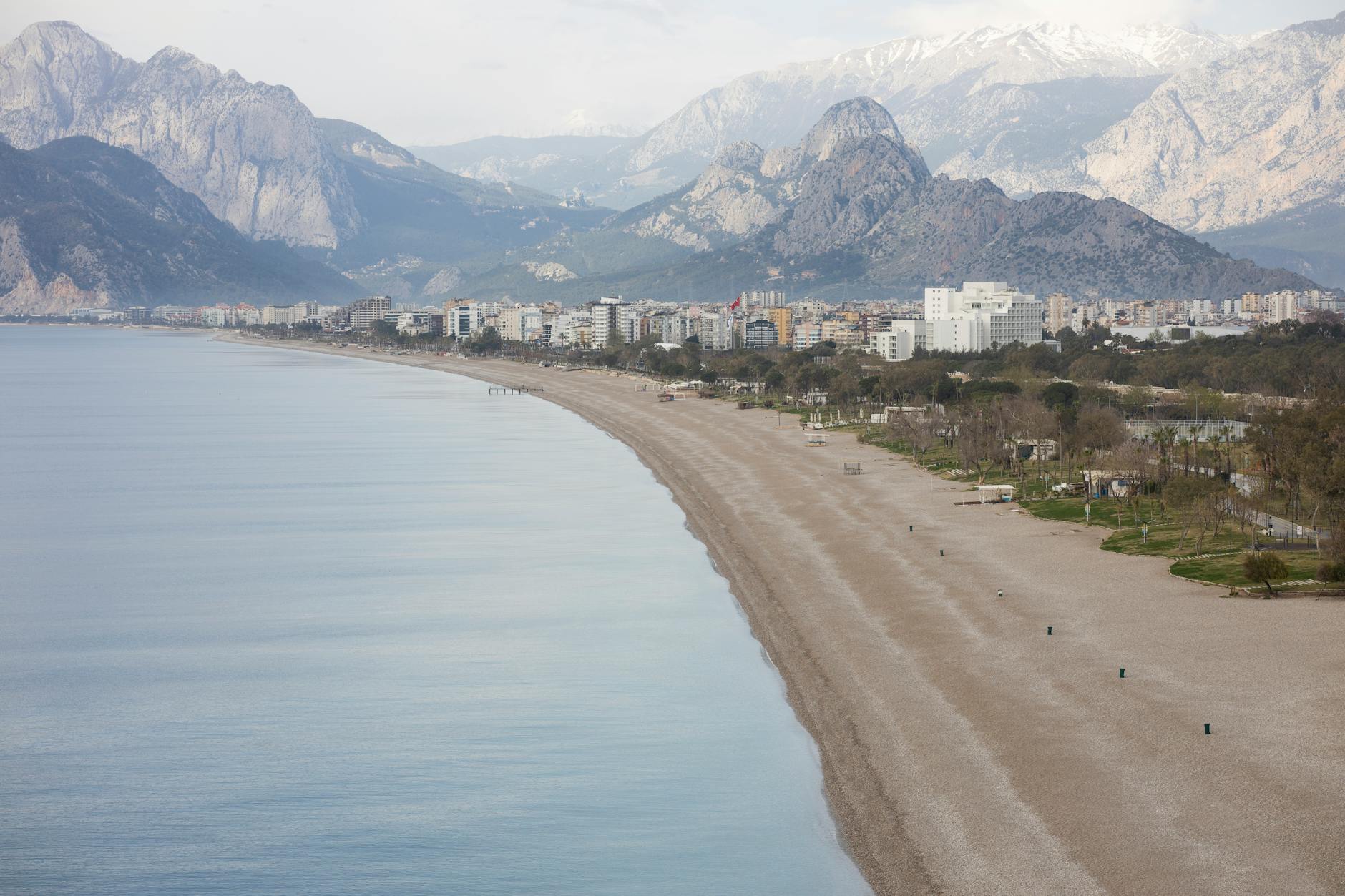
This is where Turkey has a massive, underappreciated advantage for families with young children. Fly to Antalya or Dalaman, get on a transfer bus, and you're at your resort within 30-90 minutes. No ferries. No connecting flights. No dragging luggage onto boats while holding a screaming toddler. Done.
Greek mainland resorts — Halkidiki, the Peloponnese — work the same way. But the popular Greek islands require an extra step. Crete and Rhodes have direct flights from UK airports, which keeps things simple. Corfu too. But islands like Santorini, Naxos, Paros, or Kefalonia either have limited direct flights or need a ferry connection from Athens or a nearby island. With kids under five, that ferry is the single most stressful part of a Greek holiday. Don't underestimate it.
Crete family resorts on Expedia — filter to the north-coast resort strip (Hersonissos to Rethymno) for the family hotels with the best waterpark access.
Within Turkey, resort areas are surprisingly well set up for families who want to explore. Rental cars are cheap (£15-£25 per day), and the coastal roads between Fethiye, Oludeniz, and Kas are stunning. In Greece, getting around the bigger islands like Crete requires a car — distances surprise first-time visitors. Smaller islands are walkable or bikeable, which has its own charm.
Activities and Attractions
Turkey's resorts handle activities in-house. Waterslides, animation teams, beach volleyball, evening entertainment — it's all within the resort walls. For families who want to venture out, Turkey offers paragliding in Oludeniz, boat trips along the Turquoise Coast, and ancient ruins at Ephesus and Side. These cost a fraction of equivalent experiences in Greece.
Turkey family excursions on Viator — the Oludeniz boat trips and Ephesus day tours show real per-person prices, handy for sanity-checking what the rep desk quotes.
Greece's attractions are different. Ancient history comes alive in a way that Turkey can't quite match for most families — the Acropolis, Knossos on Crete, the old town of Rhodes. Island-hopping creates an adventure narrative: "today we're taking a boat to a new island." Older kids and teenagers find that exciting. Younger kids just want the pool, though, and the pool at a Turkish mega resort beats most Greek hotel pools without contest.
Browse Greece family tours on Viator — the Acropolis skip-the-line slots and Crete day trips are worth booking ahead for August, when on-the-day tickets sell out by mid-morning.
Food Culture
Both countries have outstanding food. Turkey's kebabs, fresh bread, meze platters, and baklava are excellent, and resort buffets in Turkey tend to be impressively varied — multiple live cooking stations, fresh fruit, local specialities alongside child-friendly pasta and chips. Kids who eat nothing at home somehow hoover up plates of food at a Turkish buffet.
Greek food has a different pull. The taverna experience — grilled octopus, fresh feta with tomatoes, souvlaki on the harbourfront — creates memories in a way that a resort buffet simply can't. And Greek food is extremely kid-friendly: simple, fresh, and familiar enough that even picky eaters find something. But you're paying for every meal, every drink, every snack. At a Turkish all-inclusive, it's all covered.
Beaches and Swimming
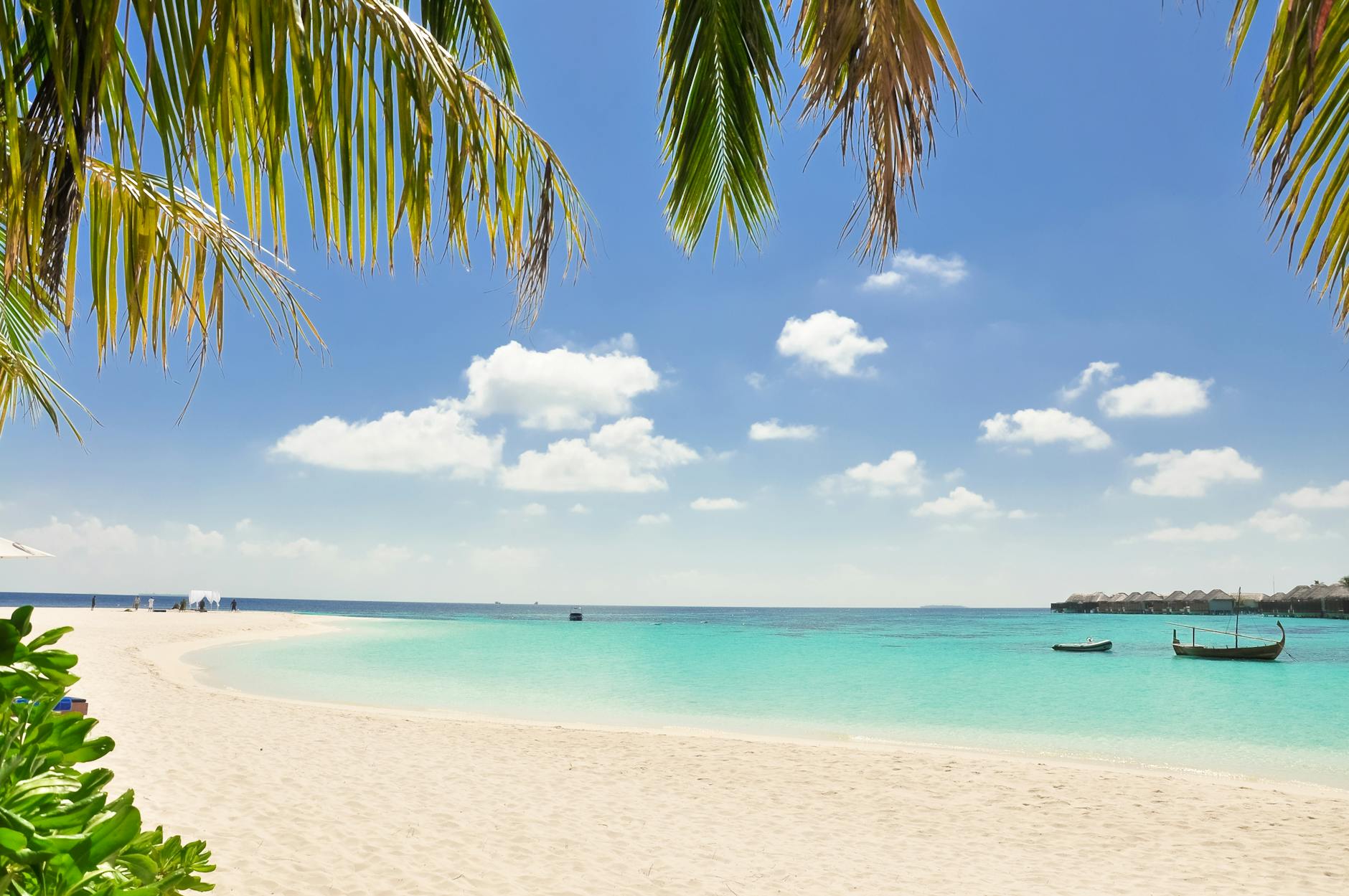
Both countries have stunning coastlines. Turkey's Turquoise Coast is appropriately named — the colour of the water between Fethiye and Kas is truly breathtaking. Oludeniz lagoon is one of the most photographed beaches in the Mediterranean, and it lives up to the pictures. Beaches along the Antalya coast tend to be a mix of sand and pebble, which matters if you have toddlers who eat sand.
Greece's beaches are legendary. The pink sand of Elafonissi on Crete, the shipwreck beach on Zakynthos, the black sand of Santorini — these are Instagram-famous for a reason. The best Greek beaches regularly appear on "world's best" lists. But the most famous ones are also the most crowded, and access can require boats or long drives on narrow island roads.
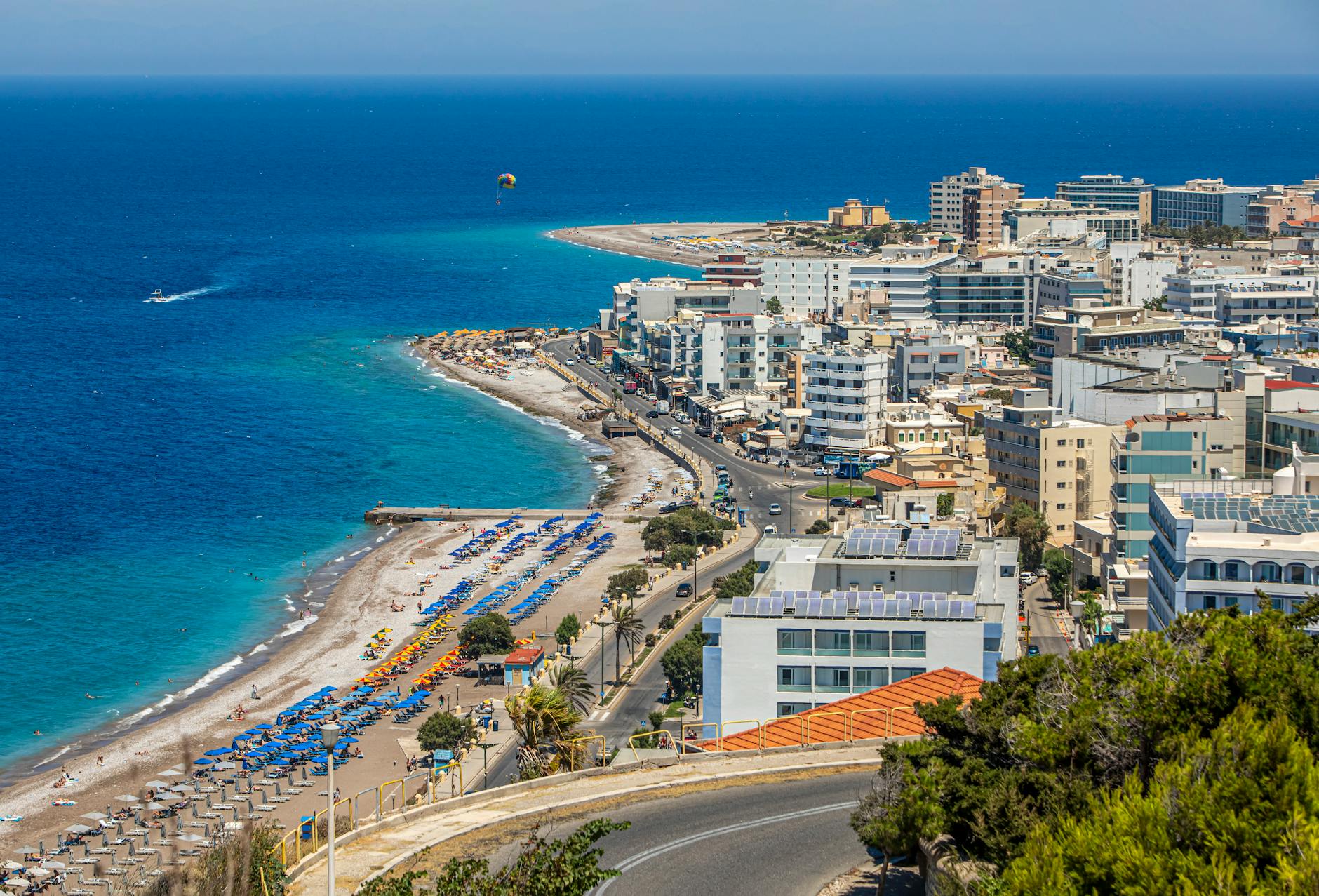
Water temperature is similar in both countries during summer — 24-27°C from June to September. Sea conditions are generally calm in both the Aegean and the Turkish Mediterranean coast, making both safe for children to swim. Turkey's resort beaches tend to be better maintained with sunbeds and umbrellas included, while Greek beach facilities vary wildly from fully serviced to completely wild.
Which Should You Choose?
Families with babies and toddlers (0-3)
Turkey. Not even close. The all-inclusive format means no stress about finding food, the resort pools are warm and safe, and the logistics are straightforward — no ferries, no island transfers. Sleep-deprived parents don't need the added adventure of Greek island logistics.
Families with primary school children (4-10)
Turkey still wins on value and ease, but Greece starts to compete. Kids this age are old enough to enjoy boat trips, simple historical sites, and the excitement of being "on an island." Crete is the best Greek option for this age group — big enough for varied activities, with direct UK flights. See our European cities guide for more family-friendly options.
Families with tweens and teens (11-16)
Greece pulls ahead. Teenagers respond to culture, atmosphere, and the feeling of being somewhere different. Island-hopping, local restaurants, historical sites — these create the holiday stories they'll retell at school. Turkish mega resorts can feel samey for this age group, though the waterparks and activity programmes help.
Large or multigenerational groups
Turkey. Large all-inclusive resorts accommodate mixed ages easily, the price point keeps everyone happy, and there's enough variety on-site that grandparents, parents, and kids can all find their thing without expensive logistics.
October and February half-term
Turkey has a slight edge. Antalya's October temperatures typically reach 25-28°C, slightly warmer than most Greek islands at that time. Both destinations are viable for half-term breaks, but Turkey's all-inclusive model means you're not dependent on local restaurants being open — some Greek island businesses shut down in October.
The Verdict
Turkey delivers a cheaper, easier, and more stress-free family holiday than Greece in 2026 — but Greece delivers a richer travel experience that stays with your family longer.
If this is your first family holiday abroad with small children, Turkey is the safer bet. All-inclusive resorts remove the decision fatigue. The price is right. The logistics are simple. You'll come home relaxed rather than exhausted. And there's absolutely nothing wrong with that.
But if your kids are old enough to appreciate a whitewashed village, a sunset over the harbour, or the thrill of catching a ferry to a new island — Greece gives you something Turkey can't. It's more work. It costs more. And it's worth it for families who want travel, not just a holiday.
Our honest pick: start with Turkey while the kids are young. Switch to Greece when they're old enough to remember it. And whatever you choose, use our itinerary builder to plan the daily schedule before you go.
Compare Turkey family resorts on Expedia — run the same dates on both coasts side by side and the all-in price gap usually settles the question faster than any list of pros and cons.
Frequently Asked Questions
Data Sources and Methodology
This comparison uses verified data from authoritative sources:
Official Sources
- loveholidays — Turkey all-inclusive pricing
- Thomas Cook — Greece family holiday packages
- Chasing the Donkey — Greece vs Turkey comparison
Pricing Data
- Package prices: loveholidays, Thomas Cook, TUI, On the Beach — March 2026
- Restaurant costs: Based on travel forum reports and comparison sites
- Methodology: All-inclusive and self-catering prices for family of 4, 7-night stays
Parent Experiences
- Found via WebSearch on Mumsnet holiday forums
- Travel comparison from OneNationTravel