Caribbean with Kids: Complete Family Vacation Planning Guide (2026)
Island-by-island breakdowns, real costs, and honest advice for families picking the right Caribbean trip
Quick Answer
- 🏝️ Best starter island: Turks and Caicos (Providenciales) — calm water, short flights from the East Coast
- 💰 Where Caribbean family budgets really blow up: It isn't the nightly all-inclusive rate everyone fixates on. The same week runs about $5,000 in Punta Cana but $15,000+ in Turks and Caicos, and even an "all-inclusive" price still skips $30-$80 airport transfers each way and a $150-$300 family travel insurance policy. The full cost breakdown below shows where the money actually goes.
- 💰 Budget range: $180-$350/person/night all-inclusive (Jamaica, DR) up to $400+/night (Turks and Caicos, St. Barts)
- 📅 Best months: December through April for weather; May-June for deals
- 🌊 Top family activity: Snorkeling at Grace Bay Beach or swimming with stingrays at Grand Cayman
- 🛡️ Safest picks: Aruba, Grand Cayman, and Turks and Caicos
- ⚠️ Skip if: Your family doesn't love beach time — the Caribbean is sand and water first, everything else second
- 🌀 Hurricane note: Avoid August-October unless visiting Aruba, Bonaire, or Curacao (below the hurricane belt)
Best Caribbean Islands for Families, Ranked by Travel Style
Not every Caribbean island works for every family. Some parents want a gated all-inclusive where they don't think about logistics. Others want a villa with a kitchen, a rental car, and the freedom to explore on their own terms. And some families just need the shortest possible flight with the calmest beach at the end of it.
Here's how the top islands break down by what matters most to families.
| Island | Best For | Flight Time (NYC) | Budget Level |
|---|---|---|---|
| Turks and Caicos | First-timers, toddlers, beach lovers | ~3.5 hours | $$$ |
| Aruba | Families who worry about hurricanes, active kids | ~4.5 hours | $$-$$$ |
| Grand Cayman | Toddlers, animal-loving kids, condo stays | ~4 hours | $$$ |
| Jamaica | All-inclusive families, teens, culture seekers | ~3.5 hours | $-$$ |
| Dominican Republic | Budget all-inclusive, large families | ~3.5 hours | $ |
| Bahamas | Atlantis fans, water park kids, cruise add-ons | ~3 hours | $$-$$$$ |
| Puerto Rico | No-passport trips, history and culture, teens | ~3.5 hours | $$ |
The Dominican Republic and Jamaica consistently offer the lowest all-inclusive rates in the Caribbean, averaging $180-$350 per person per night according to current booking platform data. That's a real draw for budget-conscious families.
Turks and Caicos: The Easiest First Trip
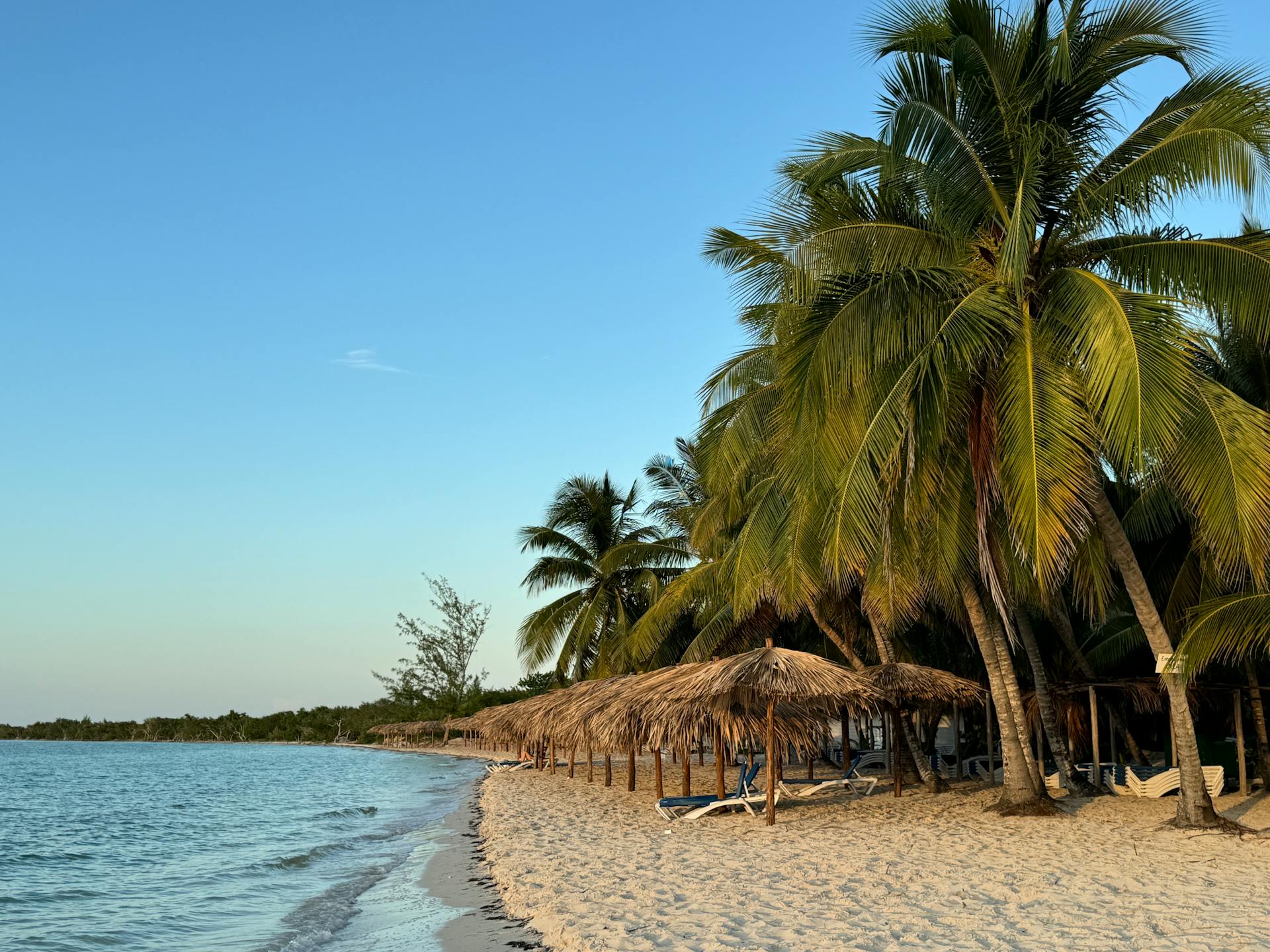
Grace Bay Beach on Providenciales has shallow, calm water that barely reaches a toddler's knees for the first 50 feet out. The sand's that powdery white stuff that doesn't look real in photos, and the water's warm enough that kids don't complain about getting in. Direct flights run from most major East Coast cities — no connections with cranky toddlers required. The downside? It's not cheap. But families who've been say the ease factor is worth the premium for a first Caribbean trip.
Aruba: The Hurricane-Free Pick
Aruba sits below the hurricane belt, which means consistent sunny weather year-round. For families booking months in advance, knowing your trip won't get derailed by a tropical storm is worth a lot. One parent on a travel forum noted they rented a car and drove the entire island without ever feeling uneasy. Eagle Beach and Palm Beach both have gentle surf and wide sand.
Safety Note
Aruba's northeast coast has strong currents and rough surf. Stick to the west-side beaches (Eagle Beach, Palm Beach, Baby Beach) with children.
Grand Cayman: Best for Toddlers
Seven Mile Beach has a gradual entry with no sudden drop-offs — exactly what toddler parents need. Grand Cayman also has Stingray City, where families wade into waist-deep water to interact with southern stingrays. Is it touristy? Absolutely. Still worth doing? Yes — especially the morning tours before cruise ship crowds arrive.
What It Actually Costs
You can spend $5,000 for a week in Punta Cana or $15,000+ for a week in Turks and Caicos. Same region, vastly different price tags.
All-inclusive resorts in Jamaica and the Dominican Republic average $180-$350 per person per night. For a family of four on a 7-night stay, that's roughly $5,000-$10,000 for the resort alone. Villa rentals offer different math — a three-bedroom with a kitchen can run $200-$400 per night total (not per person), and cooking breakfast and lunch at home cuts your food budget in half.
Which works better? For families with kids under 5, all-inclusives win on convenience alone. For older kids and teens, villas give everyone more space and independence.
Hidden Costs Families Miss
- Resort fees: Some "all-inclusive" rates don't cover premium restaurants or water sports. Read the fine print.
- Airport transfers: Taxi rides from Caribbean airports to resorts run $30-$80 each way. Most resorts don't include this.
- Travel insurance: Strongly recommended for hurricane season trips. A family policy typically runs $150-$300.
When to Go (and When to Avoid)
Get the timing right, and you'll have sunny skies with tolerable crowds. Get it wrong, and you're stuck watching a tropical storm from your hotel room.
Peak season (December-April): Low 80s, minimal rain, manageable humidity. Also the most expensive and crowded window. Book 4-6 months ahead for holiday breaks.
Shoulder season (May-June): The sweet spot. Weather's still great, but prices drop noticeably. Hurricane season technically starts June 1, but major storm activity rarely begins before late July.
Hurricane season (July-November): The 2026 Atlantic season is expected to be above average, with 14-18 named storms forecasted. Peak risk runs August through October. If you must travel during these months, stick to the ABC islands (Aruba, Bonaire, Curacao) which sit below the hurricane belt, or try Barbados and Grenada.
Travel Insurance Alert
Booking during hurricane season? Get travel insurance with a "cancel for any reason" upgrade. Standard policies often don't cover cancellation until a storm is named and heading your way.
Activities Kids Actually Enjoy
Every Caribbean island has beaches — that's a given. What separates a good family trip from a great one is having enough variety to keep kids engaged beyond day two of sandcastle building.
Ages 0-4: Keep it simple. Toddlers need calm water, shade, and a pool backup. Grand Cayman and Turks and Caicos work best because the beaches themselves are the activity — shallow, gentle, warm water for hours of play.
Ages 5-9: This is when Caribbean trips get really fun. Kids this age can snorkel (most shops rent kid-sized gear), ride glass-bottom boats, and try easy kayaking. Stingray City in Grand Cayman is perfect. And the Bahamas have Atlantis Resort's Aquaventure water park — 141 acres of slides and lazy rivers. Over-the-top? Sure. But try telling a 7-year-old they can't go.
Ages 10+: Older kids and teens want action. St. Lucia delivers with rainforest ziplining, Pitons hiking, and driving through a volcanic crater (yes, really). The snorkeling around the Soufriere Marine Management Area ranks among the best in the Caribbean for families with older swimmers. Puerto Rico works for teens too — Old San Juan has genuine history, and the bioluminescent bays are a nighttime kayak experience that even hard-to-impress teenagers find cool.
Logistics That Trip Up Families
The pretty beach photos don't show you the less glamorous parts. Sorting these details out beforehand prevents most headaches.
Passports: Most Caribbean islands require valid passports for all travelers, including infants. Exceptions for U.S. citizens: Puerto Rico and the USVI (U.S. territories, no passport needed). Standard passport processing takes 6-8 weeks; expedited runs about $60 extra for 2-3 weeks.
Getting around: Rental cars make sense on larger islands (Puerto Rico, Jamaica, Aruba, Grand Cayman). Smaller islands are manageable with taxis. Heads up: many Caribbean islands drive on the left — including the Bahamas, Caymans, Jamaica, and the USVI.
Health basics: Pack reef-safe sunscreen (regular sunscreen is banned in several destinations including Bonaire and the USVI), bring insect repellent for dusk mosquitoes, and check CDC travel advisories before you go.
Frequently Asked Questions
Turks and Caicos, specifically Providenciales, is the most family-friendly Caribbean island for first-timers in 2026, with Grace Bay Beach staying shallow and calm for the first 50 feet out and direct flights of about 3.5 hours from New York. Aruba and Grand Cayman are close behind: Aruba sits below the hurricane belt for reliable year-round sun, and Grand Cayman's Seven Mile Beach has a gradual entry with no sudden drop-offs that toddlers can wade into safely. All three keep the logistics simple, which is what most families want on a first Caribbean trip.
The Dominican Republic is the most affordable Caribbean island for families, with all-inclusive resorts averaging $180-$350 per person per night and a full week in Punta Cana running around $5,000 for a family. Jamaica sits in the same low range, and both islands undercut pricier picks like Turks and Caicos, where a single week can top $15,000. Families who book a three-bedroom villa with a kitchen, often $200-$400 per night total rather than per person, cut their food budget roughly in half by cooking breakfast and lunch at home.
Aruba, Grand Cayman, and Turks and Caicos rank as the nicest and safest Caribbean islands for families in 2026, combining calm beaches with easy, low-hassle resort areas. Aruba stands out because it sits below the hurricane belt, so trips booked months ahead rarely get derailed by a storm; one parent reported driving the entire island without ever feeling uneasy. Its northeast coast does have strong currents and rough surf, so families with young children should stick to the west-side beaches like Eagle Beach, Palm Beach, and Baby Beach.
For families, Barbados is the safer pick over St. Lucia for hurricane-season travel, since Barbados (along with Grenada) is recommended for trips during the July-November Atlantic hurricane window. St. Lucia is not singled out as a low-storm island, but it suits older kids and teens ages 10 and up, with rainforest ziplining, Pitons hiking, driving through a volcanic crater, and standout family snorkeling around the Soufriere Marine Management Area. The practical safety question for a family is usually storm timing and water conditions rather than crime, so Barbados wins on hurricane-season calm while St. Lucia rewards families with strong older swimmers.
A Caribbean family vacation for a family of four runs roughly $5,000-$10,000 for a 7-night all-inclusive resort stay in Jamaica or the Dominican Republic, based on average rates of $180-$350 per person per night. That figure covers the resort only, so families should budget for the extras the rate hides: airport taxi transfers of $30-$80 each way, a family travel insurance policy around $150-$300, and resort fees that may exclude premium restaurants or water sports. Booking the shoulder season from late April through early June drops rates 20-30 percent off peak winter pricing.
December through April is the best time to visit the Caribbean with kids, delivering low-80s temperatures, minimal rain, and manageable humidity, though it is also the most expensive and crowded window. Families chasing value should target the May-June shoulder season, when the weather stays strong but prices drop noticeably. Avoid the August-October peak of hurricane season unless sticking to the ABC islands (Aruba, Bonaire, Curacao) below the hurricane belt; the 2026 Atlantic season is forecast to be above average, with 14-18 named storms.
Most Caribbean islands require a valid passport for every traveler in 2026, including infants, with Puerto Rico and the U.S. Virgin Islands the main exceptions for U.S. citizens since both are U.S. territories. Standard passport processing takes 6-8 weeks, and expedited service runs about $60 extra to shorten that to 2-3 weeks, so families without current passports should apply well ahead or choose a no-passport island. Picking Puerto Rico or the USVI saves both the fee and the multi-week wait when a trip is coming up fast.
Grand Cayman and Turks and Caicos are the best Caribbean islands for toddlers, both offering gentle, shallow water with easy beach entry and no waves crashing over little ones. Grand Cayman's Seven Mile Beach has a gradual entry with no sudden drop-offs, and Grace Bay Beach on Providenciales barely reaches a toddler's knees for the first 50 feet out, so little kids can wade and play for hours. Both islands pair those calm beaches with shade and an easy pool backup, which is exactly what toddlers need on a beach day.
Data Sources and Methodology
This guide uses verified data from official sources and current booking platforms:
- Caribbean Tourism Organization (OneCaribbean.org) — regional tourism statistics and arrival data
- Tourism Analytics — monthly Caribbean tourism performance data
- Family Travel Magazine — expert recommendations for Caribbean family travel
- TripAdvisor — family-friendly resort pricing and reviews
Pricing data reflects rates available on major booking platforms as of February 2026. Actual costs may vary by season and availability.
Last verified: February 2026