Banff with Kids: The Canadian Rockies for US Families
A cross-border guide for US families — passport reality for kids, Parks Canada fees, the Moraine Lake and Lake Louise shuttle systems, real costs in USD, and when to skip.
Quick Answer
- Banff with kids works best for US families with children 4 and up: a 5-night trip runs about $3,600 to $7,400 all-in for a family of 4 in 2026, helped by a weak Canadian dollar that makes posted prices about 28 percent cheaper on a US card (as of June 2026, source: Booking.com, Google Flights, Bank of Canada rate).
- Kids flying in need their own US passport — every age, no birth-certificate shortcut for air travel (as of June 2026, source: US State Department).
- Parks Canada daily entry is $24.50 CAD for a family or group of up to 7 in one vehicle; kids 17 and under are always free (as of June 2026, source: Parks Canada).
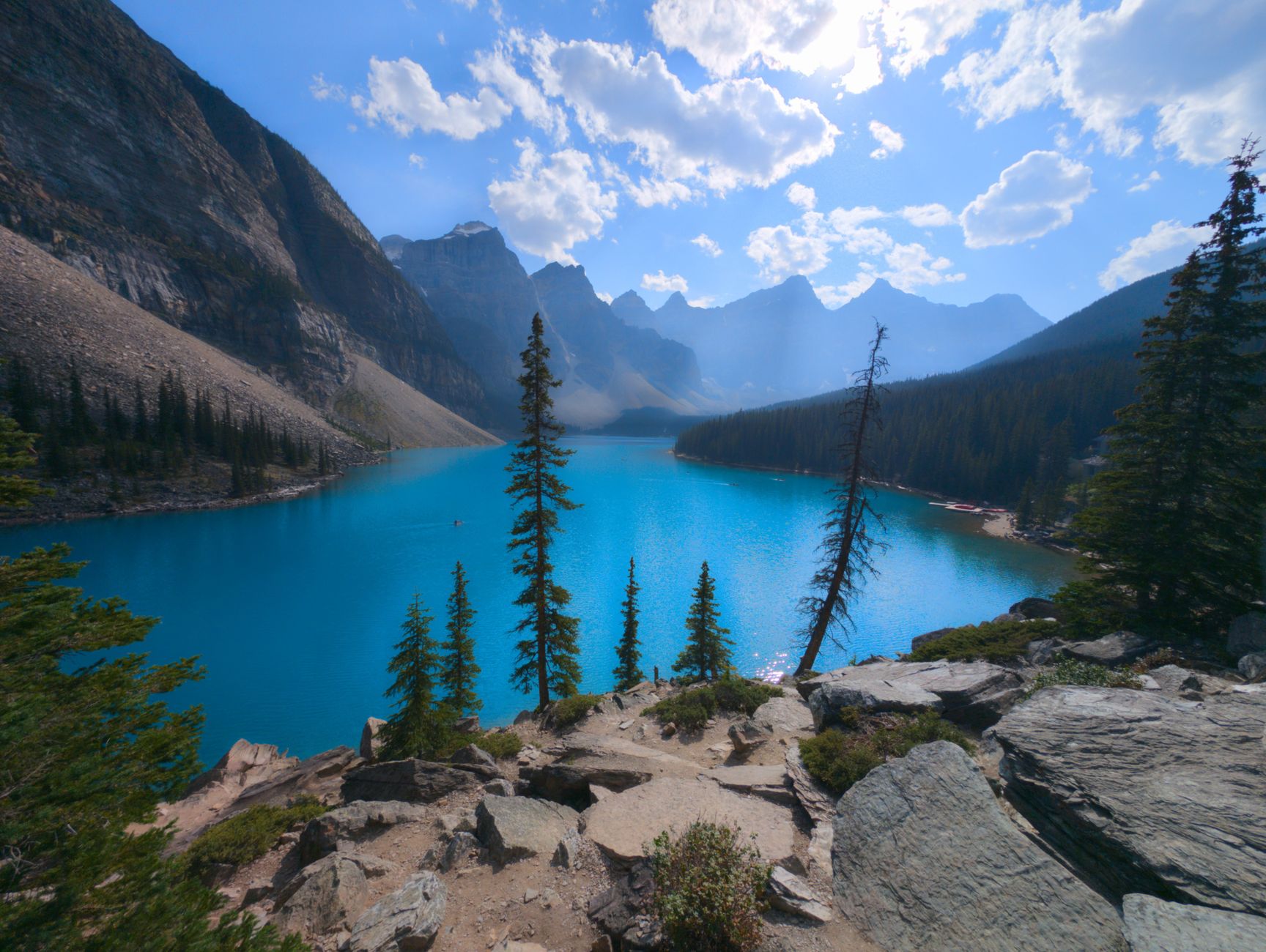
- No private cars reach Moraine Lake in 2026 — it's shuttle, Roam Transit, or tour bus only. Reservations open April 15 and sell out fast.
- Skip Banff if your kids are under 3, you won't plan around shuttle reservations, or you want warm water — see our Rocky Mountain vs Glacier comparison for a no-passport US Rockies alternative.
- Use our budget calculator to stack the CAD-to-USD math on your dates and family size.
The Cross-Border Basics US Families Get Wrong
Banff isn't a US national park, and the friction US families hit isn't the mountains — it's the border, the money, and two booking systems that have nothing to do with each other. Sort those three out and the rest is straightforward. Get them wrong and you're the family turned away at the shuttle gate.
Passports and kids: the rule that trips people up
Here's the one that catches people. Every child flying into Canada needs their own US passport, regardless of age — a baby needs one too. The birth-certificate workaround only exists for land and sea crossings, and only for kids 15 and under, and almost no US family drives to Banff (it's a 12-plus-hour haul even from Montana). So plan on a passport for each kid (as of June 2026, source: US State Department / USAGov).
Traveling with only one parent? Carry a notarized consent letter from the parent who stayed home. Canadian border officers do ask about this, especially for solo-parent trips, and it's a known reason families get pulled into secondary screening. Grandparents bringing the grandkids need the same letter from both parents.
The currency angle actually helps you
The Canadian dollar is weak right now, and that's good news for your budget. At roughly 1.39 CAD per 1 USD in June 2026, a posted Canadian price drops about 28 percent the moment it hits a US card (as of June 2026, source: Bank of Canada rate). A $442 CAD hotel night is really about $318 USD. That said — exchange rates move, so verify the rate near your booking date.
One trap to dodge: when a card terminal asks whether you want to pay in US dollars or Canadian dollars, always pick Canadian. Letting the merchant convert (dynamic currency conversion) tacks on 3 to 7 percent. Use a no-foreign-transaction-fee credit card and you'll rarely need cash at all.
Parks Canada vs the US NPS: What's Different
If your family knows the US National Park System, Banff feels familiar but the fees and access rules differ. The big one: Parks Canada charges per person per day, not per vehicle, but kids ride free.
| Pass | Price (CAD) | Notes |
|---|---|---|
| Daily — family/group (up to 7 in one vehicle) | $24.50 | Best value for most families; covers everyone in the car for the day |
| Daily — adult 18-64 | $12.25 | Youth 17 and under always free |
| Daily — senior 65+ | $10.75 | — |
| Discovery Pass — family/group (annual) | $167.50 | Pays off at roughly 7 days; covers all Canadian national parks for a year |
Sources: Parks Canada (entry and Discovery Pass fees, as of June 2026). Fees rose 10.7 percent on January 1, 2026.
Quick math: if your family is in the park more than about 7 days across the year, the family Discovery Pass beats daily tickets. And one timing note worth knowing — the Canada Strong Pass waives park entry entirely from June 19 to September 7, 2026, so a mid-summer trip in that window may owe nothing at the gate (as of June 2026, source: Parks Canada). Verify it's still in effect before you count on it.
The Real-Cost Test: US Family of 4, 5 Nights, Summer 2026
Run the Real-Cost Test — the list price of a Rockies trip versus what families actually spend — and Banff lands cheaper than its reputation, mostly because of the exchange rate. Here's the line-item stack for a family of 4 (two adults, two kids 7 and 10), 5 nights, basing in Banff town or Canmore. CAD prices converted at the June 2026 rate; verify before booking.
| Cost line | Family of 4 (USD) | Notes |
|---|---|---|
| Lodging (mid-tier hotel or 2BR rental, 5 nights) | $1,150-1,800 | Banff town ~$442 CAD/night; Canmore ~$400 CAD saves 20-35 percent |
| Rental car (5 days, SUV) | $350-600 | You need one — Calgary airport to Banff is 90 minutes; Canmore base needs wheels |
| Park entry (family daily × 5, or skip in free window) | $0-90 | $0 if June 19-Sep 7 Canada Strong Pass window applies |
| Lake shuttles (Moraine + Lake Louise, family) | $25-50 | $8 CAD adult each, kids free; book the moment reservations open |
| Banff Gondola (family, 1 day) | $130-220 | Dynamic pricing; "1 free child per 2 adults" deal cuts this |
| Food (5 days, family of 4) | $650-1,050 | $180-300/day; grocery breakfasts and packed trail lunches control it |
| Activities + incidentals (hot springs, canoe, parking) | $200-450 | Banff Upper Hot Springs, lake canoe rentals, souvenirs |
| Total before flights | $2,505-4,260 | — |
| Round-trip flights US to Calgary (YYC) | $700-2,200 | Varies wildly by hub and lead time; book 90+ days ahead |
| Grand total all-in | $3,605-7,360 | $900-1,840 per person all-in |
Sources: Booking.com (Banff and Canmore lodging averages), Google Flights (US-Calgary fares), Parks Canada (entry, shuttle), Banff Gondola official site — all verified June 2026, CAD converted at ~1.39 per USD.
The pattern: lodging and flights dominate; the actual park stuff is cheap by US standards because kids ride and enter free and the dollar works in your favor. The biggest cost-control lever is basing in Canmore (20 minutes outside the park gates) and doing grocery-store breakfasts. Apply the Buffer Rule and pad 10 to 15 percent on top — gondola dynamic pricing, an extra canoe hour, the gift-shop plush nobody planned for.
Skip-If Filter: 4 Conditions to Skip Banff
Most travel content won't tell a family not to go. Here's where Banff is the wrong call.
1. Kids under 3
Shuttle reservations on a clock, cool mountain mornings, altitude around the lakes, and a lot of "wait, we have to be at the Park and Ride by 8" mismatch toddler patience. Wait until the youngest is about 4. A Caribbean all-inclusive or a drive-to US beach fits the under-3 family far better.
2. You won't plan around reservation systems
Moraine Lake has no private vehicle access at all, and both lake shuttles need reservations that open April 15 and fill months out. If "we'll figure it out when we get there" is your travel style, Banff's signature lakes will be the part you miss.
3. You want warm water or a beach trip
These lakes are glacier-fed and stay near freezing — gorgeous to look at, not to swim in. Banff is hiking, gondolas, canoeing, and hot springs, not pool-and-sand. Families set on water should look elsewhere.
4. Your trip falls outside mid-June to early September
Moraine Lake Road runs June 1 to October 12, 2026, and the lake shuttles run a similar window. Outside it, the postcard lakes are hard or impossible to reach, and many trails sit under snow. A winter Banff trip is a different (ski-focused) trip entirely.
When to Go: 3 Windows
So when's the sweet spot? The Shoulder-Season Lens applies, but Banff's window is narrower than most because lake access is seasonal. Here's the honest tradeoff.
| Window | What works | Watch out |
|---|---|---|
| Mid-June – early July | Lakes just opened, long daylight, waterfalls at peak melt, fewer crowds than peak August | Higher trails still snowy; book shuttles the day reservations open |
| Mid-July – mid-August (peak) | Warmest (highs near 22 C / 72 F), all trails open, full shuttle service, swimming-warm valley days | Highest prices and crowds; shuttles sell out; parking chaos at trailheads |
| Early – mid-September | Golden larches late September, crisp clear days, lighter crowds, lower lodging | Cold nights (near freezing), shorter days, narrowing weather window, some service winding down by Oct 12 |
Sources: Environment Canada (July average high ~22 C / 72 F, overnight lows ~7 C / 45 F); Parks Canada (Moraine Lake Road June 1 – October 12, 2026). Verified June 2026.
For most US families, late June or early September beats peak August — cheaper, calmer, and you still get the lakes. Pack layers either way; Banff sits above 1,400 metres and nights stay cold even in July.
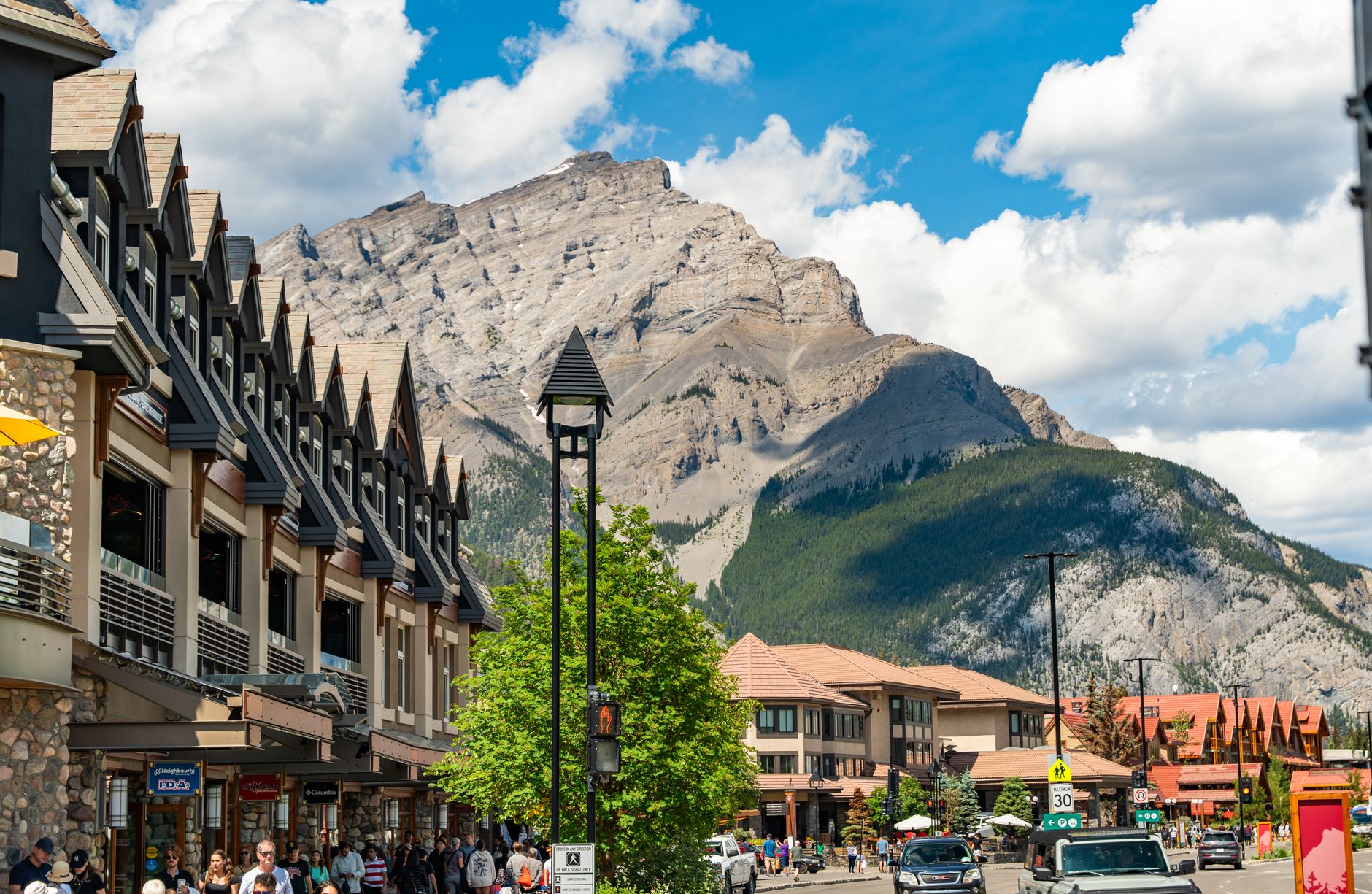
What Families Actually Do
The shortlist that earns its place with kids, with honest watch-outs:
- Moraine Lake — the turquoise icon. Shuttle-only ($8 CAD adult, kids free); the easy Rockpile Trail gets you the postcard view in 15 minutes. Best light is early morning.
- Lake Louise — canoe rentals (pricey, but a kid highlight), the flat lakeshore stroll, and the Fairmont's tea. Park and Ride shuttle from the Lake Louise ski area; $8 CAD adult, kids free.
- Banff Gondola (Sulphur Mountain) — 8-minute ride to a summit boardwalk with railings, an interpretive center, and an ice-cream stop. The "1 free child per 2 adults" deal trims the cost.
- Banff Upper Hot Springs — warm soak with a mountain view; the easy win after a hiking day, works in any weather.
- Johnston Canyon — catwalk trail to two waterfalls; stroller-tough but a favorite for kids 5+ who like the bridges and the spray.
- Bow Falls and the Fenland Trail — free, flat, in-town nature breaks for low-energy days.
A real watch-out from parents who've done it: the shuttle scramble is the stressor, not the kids. One family on the Rick Steves travel forum described basing in Canmore and pre-booking everything as the move that "made the lakes doable with two kids" — paraphrased, not a luxury, just logistics. Plan the reservation-heavy days first and build the relaxed days around them.
Planning the Days: One-and-One
Apply the One-and-One Day Structure — one major thing in the morning, one in the afternoon, the rest open. It matters more in Banff than most places because the shuttle days are tightly timed; cramming three big things turns a mountain vacation into a logistics drill.
A workable 5-day rhythm: Day 1 arrive Calgary, drive to base, easy in-town walk (Bow Falls). Day 2 Moraine Lake shuttle morning, lakeshore afternoon. Day 3 Banff Gondola morning, hot springs afternoon. Day 4 Lake Louise shuttle and canoe, open afternoon. Day 5 Johnston Canyon morning, drive back to Calgary. Don't stack two reservation-clock mornings back to back — give the kids (and you) a slow day between them.
Can't agree on Moraine first or Lake Louise first? That's a fair family debate — let everyone weigh in with the family vote tool rather than litigating it in the car at 7 a.m.
What to Pack for a Mountain Trip
Banff's weather swings hard. A July afternoon can hit 22 C (72 F) and the same night drops near 7 C (45 F), and mountain weather shifts within a single hike (as of June 2026, source: Environment Canada). Layers aren't optional here.
The kid-specific non-negotiables: warm mid-layers and a packable rain shell for every child, closed-toe shoes with grip for the canyon catwalks, sun protection (UV is strong at altitude even when it's cool), and a daypack with water and snacks for shuttle days when you can't just pop back to the car. Bear spray is worth carrying on trails — and learning how to use it.
Wildlife Safety: The Talk Before You Go
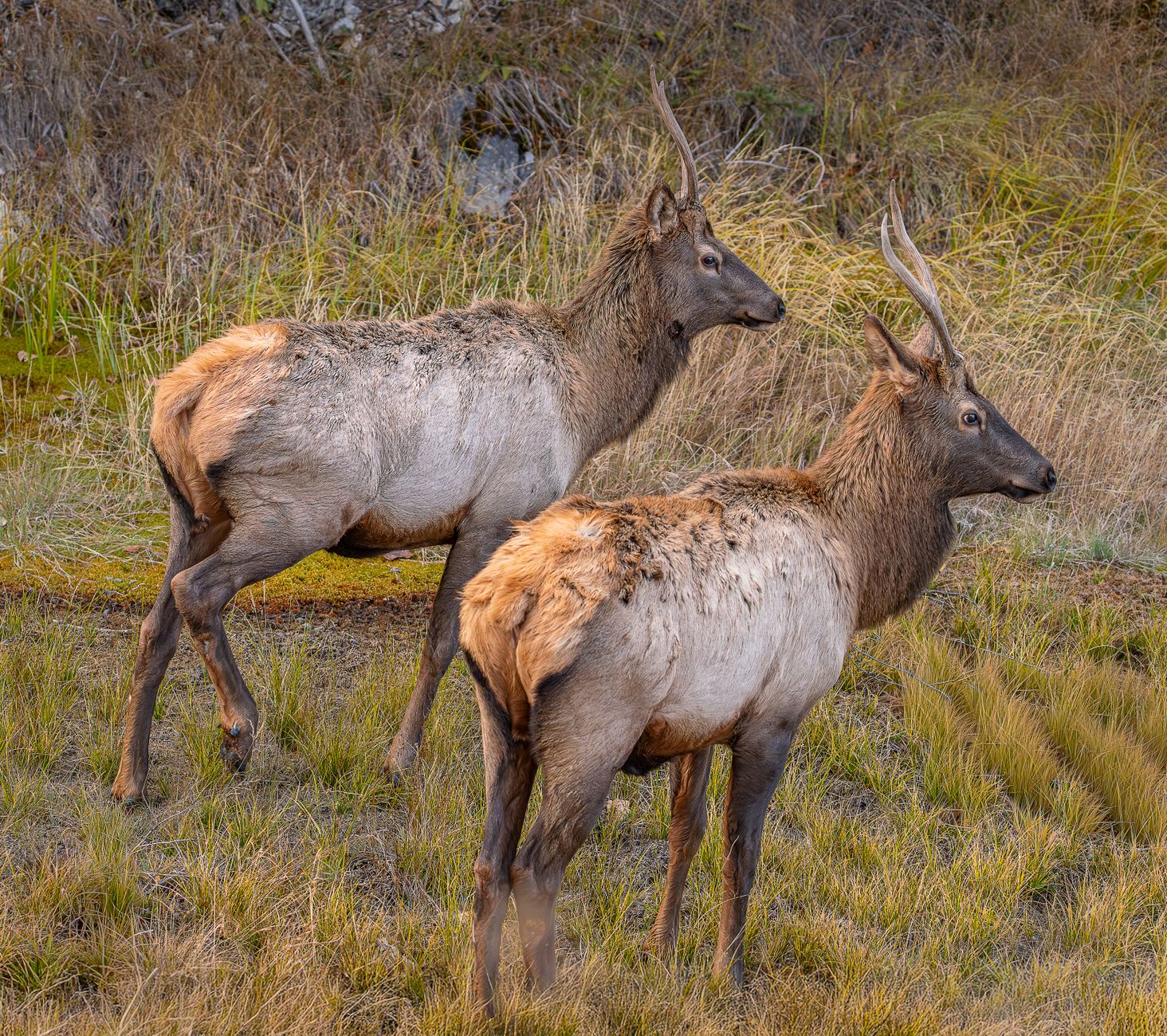
Banff is real bear country — black bears and grizzlies both — plus elk that get aggressive in spring (calving) and fall (rut). This isn't a zoo. Give the kids the rules before the first trail: stay together, make noise on the trail, never approach or feed any animal, and keep at least the length of a school bus between your family and any large animal. Carry bear spray, keep it accessible (not buried in the pack), and know the click-and-spray motion before you need it. Elk near the townsite look tame and aren't — keep your distance, especially with little kids who want to get close.
When the Drive or Flight from the US Makes Sense
Nearly every US family flies into Calgary (YYC) and drives 90 minutes to Banff — that's the default and it's a good one. Round-trips run roughly $700 to $2,200 for a family of 4 depending on your hub and lead time (as of June 2026, source: Google Flights). Driving the whole way only pencils out for families in Montana or the Pacific Northwest, and even from the Montana border it's a 6-plus-hour mountain drive — doable as a road-trip leg, rough as a there-and-back with young kids.
One decision worth naming: if the passport hassle, the exchange-rate math, and the shuttle systems feel like too much friction for your first big mountain trip, a US national park delivers similar scenery without the border. Our Rocky Mountain vs Glacier comparison covers the closest no-passport substitutes, and the Iceland with kids guide is the move for families who want dramatic landscapes and don't mind a passport. Banff earns the friction when the turquoise lakes are the whole point.
The Bottom Line
For US families with kids 4 and up who'll plan around the shuttle reservations, Banff is one of the best-value mountain trips going right now — the weak Canadian dollar makes a $3,600 to $7,400 all-in family trip buy more than the same dollars would at home (as of June 2026, source: Booking.com, Google Flights). Sort the passports early, base in Canmore to save, book the Moraine Lake and Lake Louise shuttles the day reservations open, and pack for cold nights. For toddler families, beach seekers, or anyone who won't touch a reservation calendar, pick a different trip — Banff will frustrate. Run your dates through our budget calculator and use the itinerary builder to sequence the shuttle days.
Frequently Asked Questions
Data Sources and Methodology
Pricing and operational details verified June 2026 against these named sources:
- Parks Canada — Banff Fees (daily family/group $24.50 CAD, adult $12.25, kids free; Discovery Pass family $167.50; Canada Strong Pass free-entry window June 19 – September 7, 2026)
- Banff and Lake Louise Tourism — Moraine Lake Shuttle (no private vehicle access; shuttle, Roam, or tour only)
- Parks Canada — Lake Shuttles FAQ ($8 CAD adult, kids free; April 15, 2026 reservation open; 60 percent 48-hour release; June 1 – October 12 road dates)
- Banff and Lake Louise Tourism — Lake Louise Shuttle (Park and Ride; free parking)
- Banff Gondola — Tickets (dynamic pricing; 1 free child per 2 adults family deal)
- US State Department — Passports (child passport required for air travel; land/sea birth-certificate exception under 16)
- USAGov — Travel Documents for Children (consent letter for minors traveling without both parents)
- Bank of Canada — Daily Exchange Rates (~1.39 CAD per 1 USD, June 2026)
- Booking.com (Banff ~$442 CAD/night, Canmore ~$400 CAD/night summer averages)
- Google Flights (US-Calgary YYC round-trip fares)
Last verified June 2026. CAD figures are source-of-truth; USD shown at ~1.39 CAD per USD — verify the current rate at booking. Frameworks deployed: Real-Cost Test, Skip-If Filter, Shoulder-Season Lens, One-and-One Day Structure, Buffer Rule. Canadian Rockies cluster: Jasper with kids on the editorial roadmap.