Thailand vs Vietnam for Families: Real Costs (2026)
Quick Answer: Thailand vs Vietnam for Families
- A family of four spends roughly $350-$550/day in Thailand vs $220-$380/day in Vietnam in 2026, making Vietnam 30-50% cheaper across hotels, food, and transport.
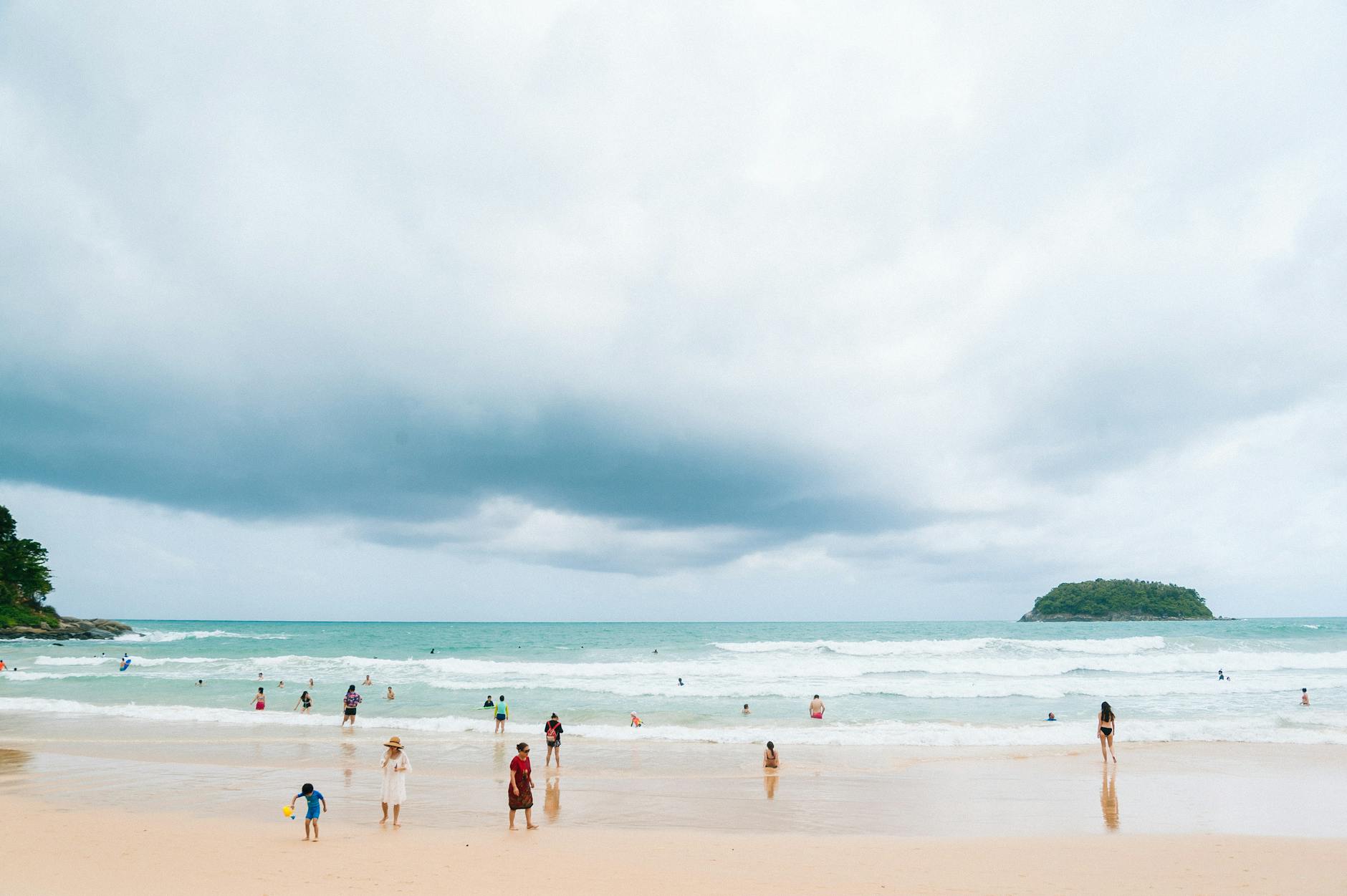
- Best for easy beach trips: Thailand wins with Kata Beach (Phuket), Koh Lanta, and Koh Samui offering calm, shallow water with nearby kid-friendly restaurants
- Best for cultural learning: Vietnam edges ahead with Hoi An lantern-making, Hanoi craft villages, and Ha Long Bay kayaking
- Best ages for Thailand: All ages, but especially families with kids under 6 who need calmer logistics
- Best ages for Vietnam: Families with kids 7+ who can handle busier streets and longer travel days
- Choose Thailand if: You want a relaxed resort-style trip with minimal planning stress
- Choose Vietnam if: You're on a tighter budget and want deeper cultural experiences
- 💡 One hidden factor most families miss: Thailand's internal flights are quick and cheap, but Vietnam's north-to-south distances mean you'll spend more time (and money) on domestic travel than expected
- 🧮 Use our budget calculator to get your family's exact cost for either destination
The deciding factor comes down to one thing most families overlook — see our verdict below.
Side-by-Side Comparison
Here's how Thailand and Vietnam stack up across the categories that matter most to families. These figures reflect mid-range travel (not backpacker, not luxury) for a family of four based on March 2026 pricing research.
| Category | Thailand | Vietnam | Edge |
|---|---|---|---|
| Daily Budget (family of 4) | $350-$550 | $220-$380 | Edge: Vietnam |
| Mid-Range Hotel | $80-$150/night | $50-$100/night | Edge: Vietnam |
| Street Food Meal | $2-$4 per person | $1.50-$3 per person | Edge: Vietnam |
| Family Beaches | Excellent (Kata, Koh Lanta, Samui) | Good (Da Nang, Phu Quoc) | Edge: Thailand |
| Ease of Travel with Kids | Very easy (English, infrastructure) | Moderate (traffic, fewer English signs) | Edge: Thailand |
| Cultural Experiences | Temples, elephant sanctuaries | Craft villages, cooking classes, history | Edge: Vietnam |
| Kid-Friendly Food | Pad thai, satay, fried rice | Pho, rice dishes, grilled meats | Tie |
| Safety | Very safe for tourists | Very safe (ranked #1 in Asia) | Tie |
| Internal Travel | Cheap domestic flights, ferries | Long distances, more travel time | Edge: Thailand |
True Cost Comparison
Vietnam's price advantage is real and significant. A bowl of pho or banh mi lunch runs $1.50-$3 in Hanoi, while a comparable pad thai in Bangkok costs $2-$4. That gap adds up fast over a 10-day trip with four hungry mouths.
But raw per-meal costs don't tell the whole story. Thailand's resort infrastructure lets families bundle accommodation, meals, and kids' clubs. A Phuket or Koh Samui family resort at $150-$200/night often includes breakfast and pool access. Vietnam's hotels are cheaper on paper, but families typically spend more eating out and arranging activities separately.
10-Day Trip Budget Breakdown
For a family of four in mid-range hotels with a mix of street food and restaurants:
- Thailand: $3,500-$5,500 total (excluding international flights)
- Vietnam: $2,200-$3,800 total (excluding international flights)
- The gap: Vietnam saves roughly $1,000-$1,700 over 10 days
Hotels account for the biggest difference. A family-friendly room in Hoi An runs $50-$80/night versus $90-$130 for similar quality in Krabi. In Vietnam, a family dinner at a sit-down restaurant rarely tops $25-$30.
Beaches and Kid-Friendly Activities
Thailand's Beach Advantage
There's a reason Thailand keeps topping "best beach destination" lists for families. Kata Beach in Phuket has a gentle slope into shallow water, lifeguards on duty, and restaurants right behind the sand. Klong Dao Beach on Koh Lanta is even calmer (honestly one of the most kid-friendly stretches of sand in Southeast Asia). Beyond beaches, Thailand offers elephant sanctuaries near Chiang Mai, snorkeling around Koh Tao, and Bangkok's Safari World for younger kids.
Vietnam's Cultural Edge
Vietnam doesn't win on beaches, but it wins on experiences that stick with kids long after the trip. Ha Long Bay boat tours let families kayak through limestone caves and sleep on the water. Hoi An's old town runs lantern-making workshops where even 5-year-olds can join in. And the Cu Chi Tunnels outside Ho Chi Minh City turn history into something kids can crawl through (literally).
What about Vietnam's beaches? Da Nang's My Khe Beach is wide, clean, and great for older kids. Phu Quoc island has been investing in family resorts and is starting to rival Thailand's islands. But the beaches are more spread out. So is it worth the extra travel days? For beach-only trips, probably not. For families mixing beach time with cultural stops, absolutely.
Feeding Picky Eaters
Both countries are surprisingly easy for families with selective kids. The trick is knowing what to order.
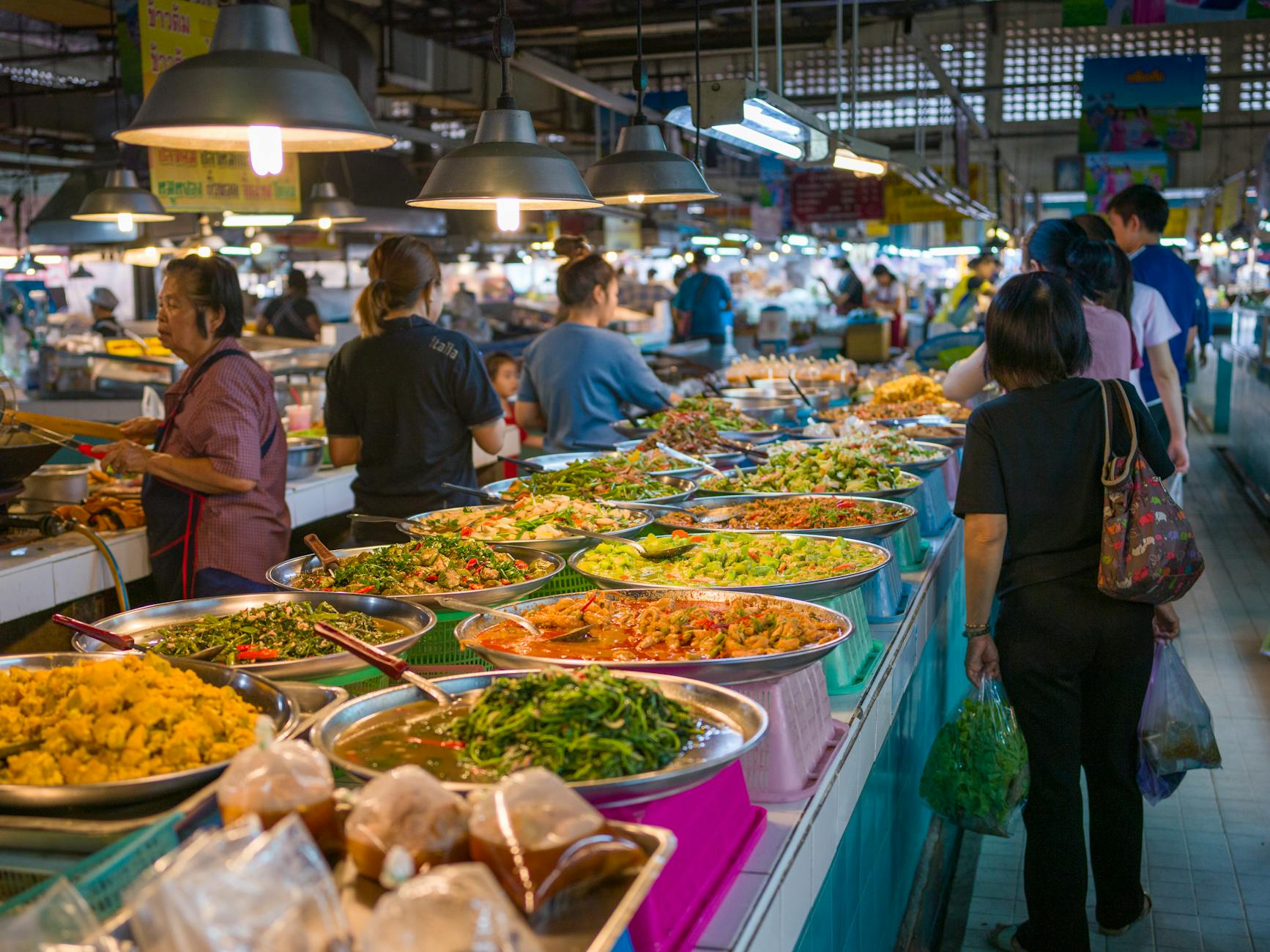
In Thailand, go with pad thai (mild and sweet), chicken satay, mango sticky rice, and khao man gai (chicken and rice). Most restaurants tone down spice if you ask. Bangkok's food courts in shopping malls offer air-conditioned dining with dozens of options at $2-$4 per dish.
Vietnam's pho is the ultimate kid food: warm broth, rice noodles, and whatever protein they want. Banh mi sandwiches can be made plain. Spring rolls (goi cuon) are fresh and mild. The one challenge? Vietnamese food stalls don't always have English menus outside tourist areas, so keep Google Translate handy.
Safety and Getting Around with Kids
Both Thailand and Vietnam are safe destinations for families. But the day-to-day experience of getting around differs a lot.
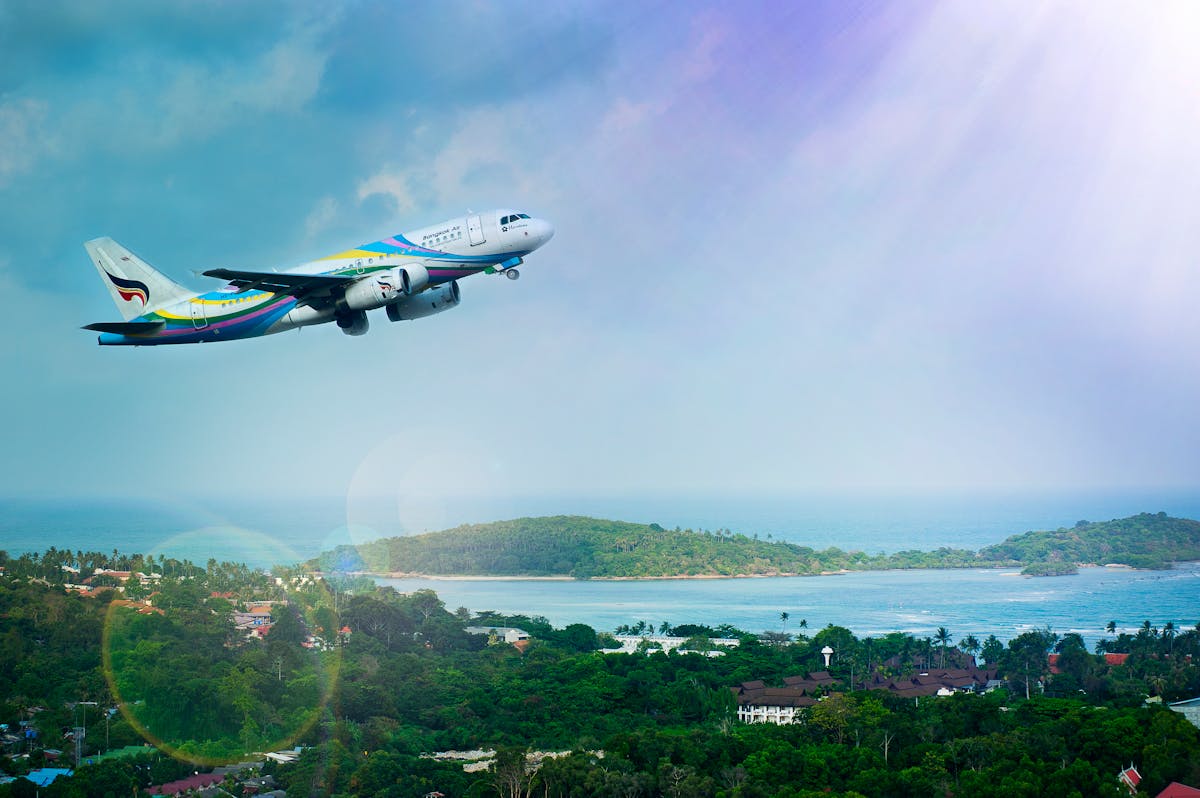
Thailand's tourist infrastructure has had decades to mature. Sidewalks are stroller-friendly. Domestic flights between Bangkok and the islands cost $40-$80 per person. English is widely spoken. For families who don't want logistical stress, Thailand is the smoother ride.
Vietnam requires more patience. Traffic in Hanoi and Ho Chi Minh City is genuinely intense. Crossing a street with a toddler takes nerve. Sidewalks are often blocked by parked motorbikes and food stalls, making strollers nearly useless (baby carriers work much better). But Vietnamese people are incredibly warm toward children, and the safety data backs this up. Vietnam scored 92/100 on the Gallup Law and Order Index, ranking first in Asia. Starting January 2026, car seats are required for children under 10 and shorter than 135 cm.
When to Visit
Timing matters more than most families realize with these two destinations. Get it wrong, and you'll spend half your trip dodging monsoon rain.
November through February is the sweet spot. Both countries are dry and warm during these months. Thailand's west coast (Phuket, Krabi, Koh Lanta) and Vietnam's central/southern regions (Da Nang, Hoi An, Ho Chi Minh City) share this ideal window. For Thailand's Gulf islands (Koh Samui), the best months shift to January through April.
Locked into June-August school holidays? Thailand's Gulf coast still works. Vietnam is trickier. The central coast catches typhoons September to November, and the north gets heavy rain in July-August. A European city trip might be easier for summer, but Southeast Asia in winter break is hard to beat.
Decision Framework
Still torn? Here's how to decide based on your family's specific situation:
- Kids under 5: Thailand. The easier logistics, calmer beaches, and resort kids' clubs make a real difference with little ones.
- Kids 7-14: Either works well. Vietnam offers more "wow" experiences like Ha Long Bay and the Cu Chi Tunnels. Thailand offers water sports and island-hopping.
- Teens: Vietnam. The cultural depth, street food scene, and sense of adventure appeal to older kids more than resort beaches.
- Budget under $3,000 (10 days, family of 4): Vietnam. You can stretch every dollar further.
- First time in Southeast Asia: Thailand. The English-language infrastructure and familiar tourist setup make it the gentler introduction.
- Return visitors: Vietnam. If you've done Thailand, Vietnam offers a totally different experience.
The Verdict
Thailand is the better choice for most families visiting Southeast Asia for the first time in 2026, especially those with young children who need easier logistics and calmer beaches. Vietnam is the better value destination, costing 30-50% less per day, and offers deeper cultural experiences that older kids and teens remember for years.
The real deciding factor? Internal travel. Thailand packs everything into compact geography where a short flight or ferry connects beaches, temples, and cities. Vietnam stretches 1,000+ miles north to south, and families who try to see it all in 10 days spend too much time in transit. Pick one region (north or south), go deep, and save the rest for next time.
Neither is a wrong choice. Use our itinerary builder to map out the right trip for your family's pace.
Frequently Asked Questions
Data Sources
- Tourism Authority of Thailand (TAT)
- Vietnam National Administration of Tourism
- Gallup Law and Order Index (Vietnam safety ranking)
- Pricing: Booking.com, Agoda, and Asia Lifestyle Magazine cost-of-living data (March 2026)
- Parent experiences: TravelynnFamily, Little Passport Crew, Family Can Travel, Mumsnet