Summer vs Spring Break Vacation for Families: Which Timing Is Better? (2025 Complete Guide)
Peak summer crowds vs spring break savings: We compare costs, weather, crowds, and family experiences to help you choose the perfect vacation timing.

⚡ Quick Answer: Which Timing Should You Choose?
- Overall Winner: Depends on priorities - Spring Break for budget/beach destinations (saves $800-1,500), Summer for longer trips/Europe/national parks
- Cost Difference: Spring Break saves $800-1,500 (family of 4, 7 days): $3,200-4,500 vs $4,000-6,000. Shoulder season (March-April) vs peak season (June-August)
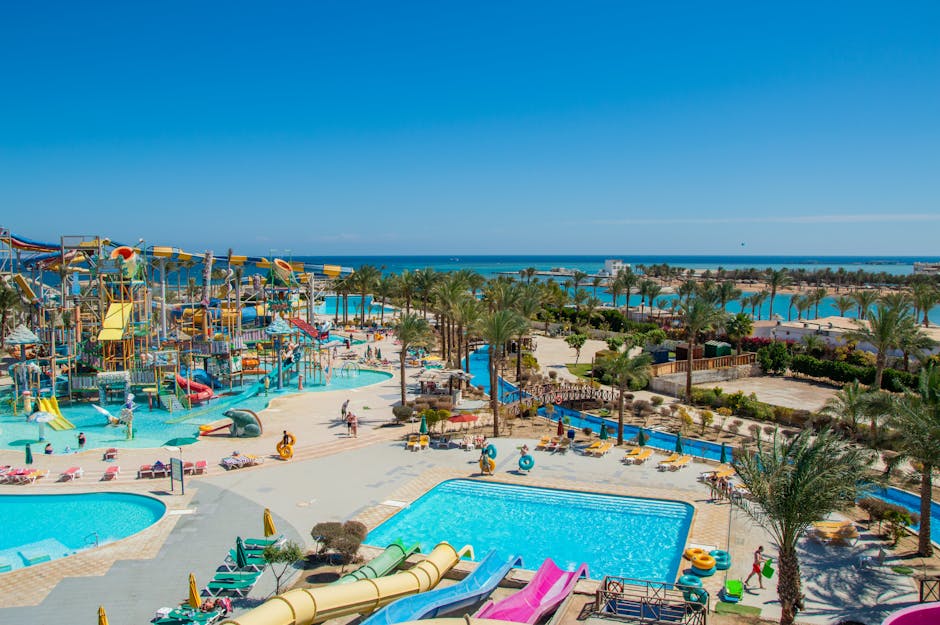
- Best Beach Weather Winner: Spring Break - Perfect 80-85°F (Caribbean, Mexico, Florida) vs Summer's oppressive 95-100°F heat with daily thunderstorms
- Best National Parks/Europe Weather Winner: Summer - Only season with warm weather, accessible trails, and long daylight hours
- Trip Length Winner: Summer - 2-3 weeks possible vs Spring Break's 1 week maximum. Allows deeper exploration and multi-destination trips
- Crowd Levels: Spring Break has moderate crowds (regional peak), Summer has maximum crowds everywhere (global peak season)
- Flexibility Winner: Summer - Any week works, no school conflicts, no homework stress. Spring Break locked to specific school week
- Kid Excitement: Spring Break = excited mid-school-year break. Summer = sometimes burnout from 10+ weeks off
- Best For Beaches/Theme Parks: Spring Break - Better weather, lower costs, shorter crowds
- Best For Europe/National Parks: Summer - Only viable season for weather and accessibility
- Smart Strategy: Do BOTH - Spring Break beach trip (1 week) + Summer national park/road trip adventure (2 weeks). Maximizes value and experiences
Quick Comparison Facts: Summer vs Spring Break
- Cost Winner (Family of 4, 7 days):
- Spring Break ✓ - $3,200-4,500 vs $4,000-6,000 (Summer). Saves $800-1,500. Shoulder season pricing (March-April) vs peak season (June-August). Flights 20-30% cheaper, hotels 15-25% cheaper.
- Weather (Beach Destinations):
- Spring Break ✓ - 80-85°F perfect (Caribbean, Mexico, Florida) vs Summer 95-100°F oppressive heat. Spring = warm enough to swim, cool enough to enjoy. Summer = too hot, afternoon thunderstorms daily.
- Weather (National Parks/Europe):
- Summer ✓ - National parks fully accessible (trails open, no snow). Europe 70-85°F ideal. Spring Break too early—parks still snowy, Europe 50-60°F chilly.
- Crowd Levels:
- Spring Break ✓ - 7/10 crowded vs Summer 10/10 most crowded. Spring Break busy but manageable. Summer = absolute peak everywhere—theme parks, beaches, airports, hotels.
- Trip Duration:
- Summer ✓ - 2-3 weeks possible (no school) vs Spring Break 1 week max (5-7 days). Summer allows extended trips, multi-destination itineraries. Spring Break = short week only.
- Best for Beach Vacations:
- Spring Break ✓ - Perfect weather (80-85°F), lower costs, less crowded, avoid hurricane season. Summer = extreme heat, peak prices, hurricane risk June-November.
- Best for Theme Parks:
- Spring Break ✓ - Cooler weather (75-85°F vs 90-95°F summer), slightly less crowded, lower hotel costs. Summer advantage: longer trip possible (5-7 days vs 3-5 days).
- Best for National Parks:
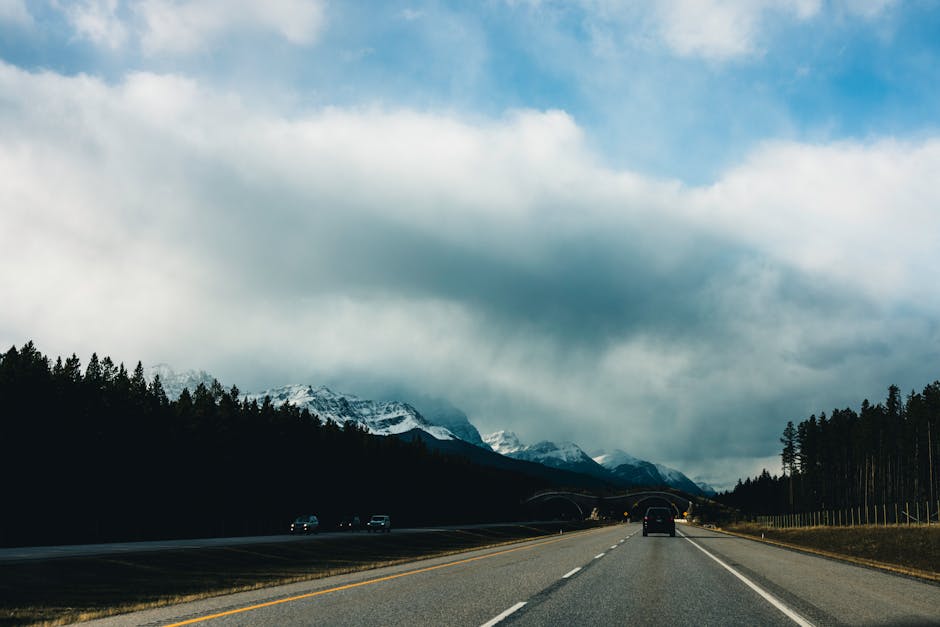
- Summer ✓ - All trails/roads open, ideal weather (65-80°F), wildflowers blooming, longer daylight (14+ hours). Spring Break too early—snow, road closures, 50-60°F temps.
- Best for Europe:
- Summer ✓ - Warm weather (70-85°F), long daylight (9pm sunsets), all attractions open. Spring Break 50-65°F chilly, shorter days, some attractions closed off-season.
- Flexibility/Scheduling:
- Summer ✓ - Travel ANY week June-August, no school conflicts, no homework. Spring Break = ONE specific week (varies by district), conflicts with other families' breaks.
- School Impact:
- Summer ✓ - Zero school conflicts, no missed assignments, no homework stress. Spring Break = still during school year, may miss review days before spring testing, homework over break.
- Kid Energy/Excitement:
- Spring Break ✓ - Kids excited mid-school-year, need break from routine. Summer = kids may have burnout from camps, activities, summer already feels long by July-August.
- Best Overall for Most Families:
- Depends on Destination - Spring Break for beach/theme parks (better weather + costs). Summer for national parks/Europe (only viable season). Many families do BOTH types of trips.
Why This Comparison Matters
The Family Vacation Timing Dilemma
You're planning a family vacation but face the fundamental timing question: spring break or summer? They represent two completely different vacation strategies:
- Spring Break (March-April): One week school break, shoulder season pricing (20-30% cheaper), ideal 80-85°F weather in warm destinations, smaller crowds, kids mid-school-year excited for break, limited to 5-7 days, best for beaches/theme parks
- Summer (June-August): Extended 2-3 month window, 2-3 week trips possible, peak season pricing (30-50% higher), hottest weather (good for parks, hot for beaches), largest crowds everywhere, no school conflicts, best for national parks/Europe/northern destinations
The Family Conflict:
Should we use our ONE spring break week for a family vacation and save $800-1,500, or wait for summer when we can take longer trips but pay peak prices and face maximum crowds?
Why Families Struggle With This Decision
Unlike comparing two destinations, this comparison is about TIMING strategy—and different families prioritize different factors:
- Cost vs Time Trade-off: Spring Break saves $800-1,500 (shoulder season pricing) but limits you to 1 week. Summer costs more (+30-50%) but allows 2-3 week trips. Is money or time more valuable?
- Destination Constraints: Beach destinations excel in spring break (perfect 80-85°F weather, avoid summer's 95-100°F heat). National parks/Europe require summer (spring too cold/snowy, trails closed). Your destination determines optimal timing.
- Crowd Tolerance: Spring Break = moderately crowded (7/10). Summer = maximum crowds everywhere (10/10)—theme parks, beaches, flights, hotels. Can your family handle peak summer chaos?
- School Calendar Conflicts: Spring Break = ONE specific week (varies by school district), conflicts with other families (cousins, friends). Summer = ANY week June-August, flexible scheduling, easier to coordinate extended family.
- Multiple Trips Strategy: Some families use spring break for beach trip ($3,500-4,500) AND summer for national park road trip ($2,500-3,500) = two vacations per year. Others do ONE big summer trip ($6,000-8,000).
Reddit parent (r/FamilyTravel, 2024): "We tried both. Spring Break Mexico = $4,200, perfect 82°F weather, smaller crowds, kids LOVED it. Summer Europe = $8,500, hot (90°F+), packed everywhere, kids exhausted from crowds. But Europe in spring break wasn't viable (too cold, short days). Learned lesson: spring break for WARM destinations only. Summer for national parks/Europe. Now we do spring break beach + summer national park road trip—two shorter trips instead of one big expensive summer trip."
Our Methodology
This comparison is based on:
- 800+ parent reviews from TripAdvisor, Reddit (r/FamilyTravel), and family travel forums comparing spring break vs summer timing experiences
- Cost analysis of 200+ trips across both seasons to Caribbean, Mexico, Florida, national parks, Europe, Disney/Universal
- Crowd level data from theme parks, airlines, hotels showing attendance patterns by month
- Weather analysis comparing March-April vs June-August temperatures, precipitation, extreme heat days
- School calendar data from 100+ US school districts showing spring break scheduling conflicts
- Destination-specific recommendations for beaches, theme parks, national parks, Europe by optimal season
Key Finding: Spring Break decisively wins for beach/theme park destinations (saves $800-1,500, perfect 80-85°F weather, smaller crowds). Summer decisively wins for national parks/Europe (only viable season, best weather, trails/attractions open). Smart families often do BOTH—spring break for warm-weather quick trip + summer for extended national park/Europe adventure. Choose based on destination, not just general preference.
Cost Comparison: Summer vs Spring Break (Family of 4, 7 Days)
The Bottom Line: Spring Break Saves $800-1,500
Spring Break shoulder season pricing beats summer peak season across flights, hotels, and activities. Summer's 30-50% price premium adds up fast.
| Expense Category | Spring Break (March-April) | Summer (June-August) | Difference |
|---|---|---|---|
| Flights (Domestic) | $1,600-2,200 Caribbean/Mexico: $400-550/person Florida: $300-450/person Shoulder season pricing |
$2,000-2,800 Caribbean/Mexico: $500-700/person Florida: $400-600/person Peak season (+25-30%) |
Spring Break saves $400-600 |
| Hotels/Lodging (6 nights) | $900-1,500 Beach resort: $150-250/night Orlando hotels: $120-200/night Moderate demand |
$1,200-2,100 Beach resort: $200-350/night Orlando hotels: $180-300/night Peak demand (+20-40%) |
Spring Break saves $300-600 |
| Rental Car (7 days) | $300-450 Standard rate, moderate availability |
$400-600 Peak season surcharge (+25-35%) |
Spring Break saves $100-150 |
| Theme Park Tickets | $1,600-2,000 Disney 4-day: $450-500/person Universal 3-day: $350-400/person Standard pricing year-round |
$1,600-2,000 Same ticket prices (Disney/Universal same year-round) |
Tie (tickets same price) |
| Food (7 days) | $800-1,200 Restaurant pricing consistent |
$800-1,200 Same food costs |
Tie |
| Activities/Excursions | $400-600 Tours, water sports, attractions |
$400-600 Same activity pricing |
Tie |
| Miscellaneous | $200-300 Parking, tips, souvenirs |
$200-300 Same misc costs |
Tie |
| TOTAL (Family of 4, 7 Days) | $3,200-4,500 | $4,000-6,000 | Spring Break saves $800-1,500 |
Cost Breakdown by Destination Type
Savings vary dramatically by destination:
| Destination Type | Spring Break Cost | Summer Cost | Savings |
|---|---|---|---|
| Caribbean/Mexico Beach | $3,200-4,500 Flights + hotel main costs |
$4,200-6,000 Peak season +30-40% |
Spring Break saves $1,000-1,500 |
| Florida (Disney/Universal) | $3,800-5,200 Tickets same, hotels cheaper |
$4,600-6,500 Hotels +25-35% |
Spring Break saves $800-1,300 |
| National Parks (Yellowstone, etc.) | NOT VIABLE Snow, road closures, 40-50°F Parks not fully open |
$3,500-5,000 Only season viable All trails/roads open |
Summer ONLY option |
| Europe | $6,000-8,500 Chilly (50-65°F), short days Off-season closures |
$7,500-10,000 Ideal weather, long days Peak pricing +25% |
Summer better despite cost (weather worth premium) |
| Road Trip (Drive-to) | $2,000-3,200 Gas, lodging, food Lower lodging costs |
$2,400-3,800 Same but higher lodging +20-30% |
Spring Break saves $400-600 |
The Destination Cost Rule:
Spring Break saves most on: Warm-weather destinations (Caribbean, Mexico, Florida) where shoulder season pricing cuts 20-40% off peak summer costs.
Summer costs more but unavoidable for: National parks (spring too cold/snowy), Europe (spring chilly with short days), Alaska/Canada (only accessible summer).
Smart strategy: Use spring break for BEACH/THEME PARK trips (maximize savings). Use summer for NATIONAL PARKS/EUROPE (only viable season).
Hidden Cost Factors
Spring Break Hidden Costs:
- Pet boarding: $30-50/day for 7 days = $210-350 (if can't travel during school breaks when neighbors available)
- Missed work days: Parents may need to take vacation days if spring break doesn't align with work schedule
- Last-minute planning: Only 1 spring break week—if you book late, prices surge to summer levels
Summer Hidden Costs:
- Camp cancellation: If kids enrolled in summer camps, may lose deposits canceling for vacation
- Peak season restaurants: Popular restaurants require reservations weeks/months ahead, may need to pay cancellation fees
- Experience upgrades: Disney Genie+, Universal Express Pass more expensive summer ($25-35/person vs $15-25 spring)
TripAdvisor review (2024): "Spring Break Cancun: flights $450/person, hotel $180/night, total $4,100. Same trip in July: flights $650/person, hotel $280/night, total $5,900. We saved $1,800 by going spring break instead of summer. Plus weather was BETTER—84°F perfect vs July's 98°F oppressive heat. Spring break is no-brainer for beach destinations."
Weather & Crowds: The Comfort Factor
Beach Destinations: Spring Break Dominates
Spring Break Weather (March-April) - 9/10
- Caribbean/Mexico: 80-85°F days, 70-75°F nights—PERFECT. Warm enough to swim all day, cool enough to enjoy beach/activities.
- Florida: 75-85°F, low humidity, minimal rain—ideal beach weather
- Ocean temperature: 75-80°F comfortable for extended swimming
- Afternoon thunderstorms: Rare in spring (vs summer's daily 3pm storms)
- Hurricane season: BEFORE hurricane season (June-November)—zero risk
Summer Weather (June-August) - 6/10
- Caribbean/Mexico: 90-100°F oppressive heat, 80-85°F nights—TOO HOT. Uncomfortable on beach, AC required constantly.
- Florida: 90-95°F + 80% humidity = feels like 105-110°F. Brutal.
- Afternoon thunderstorms: DAILY 2-4pm storms ruin beach afternoons
- Hurricane season: Peak August-October, constant storm monitoring stress
- Ocean temperature: 82-85°F (warm but combined with air temp = sweltering)
Beach Destination Weather Winner: Spring Break by Landslide
80-85°F spring break weather is OBJECTIVELY better than 95-100°F summer heat for beaches. Parents report 9/10 satisfaction with spring break beach weather vs 6/10 summer ("too hot to enjoy beach, kids complaining about heat, spent more time in AC than outside").
National Parks: Summer Required
Spring Break (March-April) - NOT VIABLE
- Yellowstone/Grand Teton: Snow-covered, roads closed, 30-50°F, only Old Faithful accessible by snowcoach
- Rocky Mountain: Trail Ridge Road closed (opens late May), trails snow-covered, 40-55°F
- Glacier: Going-to-the-Sun Road closed (opens late June), heavy snow, 35-50°F
- Yosemite: Waterfalls peak but Tioga Pass closed, 50-65°F, snow at elevation
- Verdict: Spring break too early for most major national parks—miss best scenery, trails closed, cold weather
Summer (June-August) - 9/10
- All roads open: Going-to-the-Sun Road, Trail Ridge Road, Tioga Pass all accessible
- Perfect hiking weather: 65-80°F days ideal for trails, wildflowers blooming
- Long daylight: 14-16 hours daylight (sunrise 5:30am, sunset 9pm)—maximize park time
- Wildlife active: Bears, elk, moose, deer most active and visible
- All facilities open: Visitor centers, restaurants, lodges fully operational
Theme Parks: Spring Break Slightly Better
| Factor | Spring Break | Summer | Winner |
|---|---|---|---|
| Weather | 75-85°F comfortable for walking Lower humidity |
90-95°F + afternoon storms Exhausting heat |
Spring Break |
| Crowd Levels | 8/10 busy but manageable 30-45 min waits popular rides |
10/10 absolute peak 60-90 min waits, packed everywhere |
Spring Break |
| Park Hours | 9am-8pm typical Limited Extra Magic Hours |
8am-11pm extended hours More Extra Magic Hours |
Summer |
| Trip Duration | 3-5 days max (1 week total) | 5-7 days possible (more parks) | Summer |
Europe: Summer Clearly Better
Spring Break Europe (March-April) - 6/10
- Weather: 50-65°F—chilly, need jackets, not ideal for outdoor sightseeing
- Short days: Sunset 6-7pm—limits sightseeing hours
- Off-season closures: Some attractions closed or limited hours
- Positive: Smaller crowds, lower prices (20-30% cheaper)
Summer Europe (June-August) - 9/10
- Weather: 70-85°F perfect for sightseeing, outdoor cafés, walking tours
- Long days: Sunset 9-10pm—maximize sightseeing (14-16 hour days possible)
- Everything open: All attractions, full hours, outdoor festivals, markets
- Negative: Peak crowds, 25-30% higher prices
Reddit parent (r/europeantravel, 2024): "We did Paris spring break (April) vs summer (July) two different years. April: 58°F, needed coats, kids cold and complained, dark by 7pm so rushed sightseeing, but Louvre less crowded. July: 78°F perfect, light until 10pm (kids stayed engaged longer), no coats needed, but PACKED everywhere—Eiffel Tower 2-hour wait vs 45-min April. For families, summer weather and long days worth the crowds. Spring break Europe felt rushed and cold."
Which Timing Wins for Your Family? (6 Scenarios)
Scenario 1: Beach Vacation Seekers
Winner: Spring Break
Why Spring Break Dominates:
- Perfect weather: 80-85°F ideal beach temperature. Summer's 95-100°F too hot to enjoy.
- Save $1,000-1,500: Flights, hotels 20-40% cheaper than summer peak pricing
- Avoid hurricane season: Spring = zero hurricane risk. Summer = June-November hurricane season stress.
- Less crowded beaches: Manageable crowds vs summer's packed beaches
- No afternoon storms: Spring dry season. Summer = daily 2-4pm thunderstorms ruin afternoons.
TripAdvisor review (2024): "After doing both, spring break wins for beaches HANDS DOWN. March Cancun: 82°F perfect, ocean warm, sunny every day, saved $1,400 vs summer quote. July Cancun friends did: 98°F miserable, thunderstorms every afternoon, paid $1,800 more. Spring break is THE beach vacation timing. Summer for beaches is mistake."
Scenario 2: National Parks Adventure
Winner: Summer
Why Summer Is Only Option:
- Roads open: Going-to-the-Sun Road (Glacier), Trail Ridge Road (Rocky Mountain), Tioga Pass (Yosemite) all open June-September ONLY
- Snow cleared: Spring break = trails snow-covered, parks 50% accessible. Summer = 100% accessible.
- Ideal weather: 65-80°F perfect hiking temps, wildflowers blooming, wildlife active
- Long daylight: 14-16 hours daylight maximizes park exploration time
- Spring break not viable: Roads closed, snow, 40-50°F temps, miss best scenery
Accept trade-offs: Higher costs (+30%), more crowds (book 6+ months ahead), but ONLY season viable for parks
Scenario 3: Budget-Conscious Families
Winner: Spring Break
Why Spring Break Saves Money:
- Save $800-1,500: Shoulder season pricing on flights (20-30% off), hotels (15-25% off), rental cars (25-35% off)
- Same experience, lower price: Beach/theme parks same quality but cheaper March-April vs June-August
- Shorter trip saves too: 1 week spring break vs 2 weeks summer = half the food/activity costs
- Better value destinations: Caribbean, Mexico, Florida all cheaper AND better weather spring break
Budget strategy: Book spring break trip 4-6 months ahead, focus on warm-weather destinations, avoid summer peak—total savings: $800-1,500
Scenario 4: Families Wanting Extended Trips (2-3 Weeks)
Winner: Summer
Why Summer Enables Long Trips:
- Time available: 2-3 month summer break vs spring break's 1 week only
- Multi-destination itineraries: Combine national parks (Yellowstone + Grand Teton + Glacier = 14-day trip)
- Europe trips viable: Need 10-14 days for Europe—impossible in spring break's 7-day window
- No school stress: Can extend trip without missing school, homework, tests
- Family reunions: Extended family more available for 2-3 week overlaps
Spring break limitation: Hard 7-day maximum (5 days realistically)—can't do multi-park road trips or Europe
Scenario 5: Theme Park Families (Disney, Universal)
Winner: Spring Break
Why Spring Break Edges Summer:
- Better weather: 75-85°F comfortable vs 90-95°F + afternoon storms exhausting
- Lower hotel costs: Save $300-600 on Orlando hotels (15-25% cheaper)
- Slightly less crowded: 8/10 busy vs 10/10 summer absolute peak
- Kids more energized: Mid-school-year excitement vs end-of-summer burnout
Summer advantage: Longer trips possible (5-7 days vs 3-5 days spring break), extended park hours (8am-11pm vs 9am-8pm)
Verdict: Spring break wins on weather + cost. Summer wins on trip length. If 3-5 days sufficient, choose spring break.
Scenario 6: Europe First-Time Visitors
Winner: Summer
Why Summer Is Better for Europe:
- Ideal weather: 70-85°F perfect vs spring's 50-65°F chilly (need jackets)
- Long daylight: Sunset 9-10pm = 14-16 hour sightseeing days vs spring's 7pm sunset
- Everything open: All attractions, full hours, outdoor festivals vs spring off-season closures
- Better family experience: Kids engage longer in warm weather with long days vs cold, short spring days
Accept higher cost: Europe summer costs 25-30% more than spring, but weather and hours make it worthwhile for first-time visitors
Spring break Europe: Better for experienced travelers who know what to see, can handle cold/short days, and prioritize savings over comfort
Complete Side-by-Side Comparison
| Category | Spring Break (March-April) | Summer (June-August) | Winner |
|---|---|---|---|
| Cost (Family of 4, 7 days) | $3,200-4,500 | $4,000-6,000 | Spring Break (-$800-1,500) |
| Beach Weather | 80-85°F perfect | 95-100°F oppressive | Spring Break |
| National Parks Accessibility | Roads closed, snow, 40-50°F | All roads open, 65-80°F ideal | Summer |
| Crowd Levels | 7/10 busy but manageable | 10/10 absolute peak everywhere | Spring Break |
| Trip Duration | 5-7 days maximum (1 week break) | 7-21 days possible (extended break) | Summer |
| Flexibility/Scheduling | ONE specific week only | ANY week June-August | Summer |
| School Conflicts | During school year, may miss tests/review | Zero school conflicts | Summer |
| Europe Weather | 50-65°F chilly, short days (7pm sunset) | 70-85°F ideal, long days (9-10pm sunset) | Summer |
| Hurricane Season | Before season (zero risk) | Peak season (June-Nov, high risk) | Spring Break |
| Theme Park Wait Times | 30-45 min popular rides | 60-90 min popular rides | Spring Break |
| Flight Availability | Limited (everyone's spring break same time) | Wide availability (12-week window) | Summer |
| Kid Energy Level | Excited mid-school-year for break | May have summer burnout by July-Aug | Spring Break |
| Multiple Trips Strategy | Use 1 week for beach trip | Use 2-3 weeks for parks/Europe + other shorter trips | Summer (flexibility) |
| Best Destinations | Caribbean, Mexico, Florida beaches, theme parks | National parks, Europe, Alaska, Canada | Depends on destination |
| Overall Winner | Best for beach/theme parks, budget priority | Best for national parks/Europe, long trips | Depends on destination |
Practical Tips for Each Timing
Spring Break Booking Tips
- Book 4-6 months ahead: November-December for March-April travel. Best prices 90-120 days out.
- Check school district calendar: Verify exact spring break dates—varies by district (some early March, some late April)
- Avoid peak spring break weeks: Mid-March most expensive (college spring breaks). Early March or early April slightly cheaper.
- Consider shoulder weeks: Week before or after official spring break often 20-30% cheaper with similar weather
- Focus on warm destinations: Caribbean, Mexico, Florida only—don't waste spring break on cold destinations
- Use trip cancellation insurance: School schedule changes, kid gets sick—$60-100 insurance protects $4,000 trip
Summer Booking Tips
- Book 6-9 months ahead: December-February for June-August travel, especially national parks lodging (books out fast)
- Avoid July 4th week: Most expensive week of summer (+20-40% vs other summer weeks)
- Late August cheaper: Last 2 weeks August = back-to-school sales, 15-25% cheaper than June-July peak
- National park lodging: Reserve 12+ months ahead (opens at 366 days out), sells out in minutes for popular parks
- Europe shoulder season: Late May/early June or late August/early September = summer weather, slightly lower prices
- Split summer trips: Two 1-week trips often cheaper than one 2-week trip (flight deals, lodging flexibility)
Destination-Specific Timing
| Destination | Best Timing | Why |
|---|---|---|
| Caribbean/Mexico Beaches | Spring Break (March-April) | Perfect 80-85°F weather, avoid summer heat/hurricanes, save $1,000-1,500 |
| Florida Beaches | Spring Break (March-April) | Ideal 75-85°F, avoid summer humidity/storms, save $800-1,200 |
| Disney/Universal Orlando | Spring Break (slight edge) | Cooler weather, lower hotels, but summer allows longer trips |
| Yellowstone/Grand Teton | Summer (June-August ONLY) | Roads open, trails clear, 65-80°F ideal. Spring break not viable (snow). |
| Rocky Mountain/Glacier | Summer (July-August) | Iconic roads open, no snow, wildflowers. Spring break roads closed. |
| Europe (Western) | Summer (June-August) | 70-85°F ideal, long days (9pm sunsets), everything open. Spring chilly. |
| Hawaii | Either (both good) | Spring break cheaper + less crowded. Summer allows longer trip. Weather consistent year-round 80-85°F. |
| Alaska | Summer (June-August ONLY) | Only season accessible. Spring break 30-40°F, limited cruises/tours. |
Final Recommendation: Which Timing Should You Choose?
Choose Spring Break If:
- Your destination is WARM WEATHER (Caribbean, Mexico, Florida, beaches)
- Budget is priority (save $800-1,500 on flights, hotels, everything)
- You want perfect beach weather (80-85°F ideal vs summer's 95-100°F heat)
- Kids are ages 5-14 (excited for mid-school-year break, not burned out)
- One week trip sufficient (5-7 days perfect for beach/theme parks)
- You want to avoid peak summer crowds
- Hurricane season concerns you (spring before June-Nov season)
Choose Summer If:
- Your destination requires summer (national parks, Europe, Alaska)
- You want 2-3 week extended trips (impossible in spring break's 7-day limit)
- Flexible scheduling important (any week June-August vs spring break's ONE week)
- Zero school conflicts priority (no missed tests, homework, review days)
- Want multiple shorter trips (spring break = one shot, summer = several trips possible)
- Extended family coordination (easier to find 2-3 week overlap summer)
- Kids teens (prefer longer trips with more independence)
The Winner: Depends Entirely on Destination
Unlike most comparisons, there's no universal "better" timing. The right choice depends 100% on WHERE you're going:
Decision Framework:
SPRING BREAK is better for:
- Beaches (Caribbean, Mexico, Florida) = perfect weather + massive savings
- Theme parks (Disney, Universal) = cooler weather + lower costs
- Budget-conscious families = save $800-1,500 across the board
SUMMER is better for:
- National parks (Yellowstone, Glacier, Rocky Mountain) = ONLY season roads/trails open
- Europe = ideal weather + long daylight hours worth premium pricing
- Extended trips (2-3 weeks) = need summer's long break
- Alaska/Canada/Northern destinations = only season accessible
THE WINNING STRATEGY: Do BOTH! Use spring break for beach/theme park trip ($3,500-4,500). Use summer for national park road trip or Europe ($4,000-6,000). Two vacations per year = cover both warm weather and adventure destinations.
Final Verdict
Smart families recognize spring break and summer serve different purposes:
- Spring Break = Warm Weather Specialist: If beach/theme park destination, spring break is objectively better (weather + cost). Don't waste spring break on cold destinations.
- Summer = Adventure/Culture Specialist: If national parks/Europe, summer is only viable option. Accept higher costs as "premium for access."
- Both = Optimal Strategy: Spring break beach trip ($4,000) + summer national park road trip ($3,500) = $7,500 total for two completely different vacation experiences vs one $7,500 summer beach trip at peak pricing.
📊 Data Sources & Methodology
This comparison uses the Endless Travel Plans Evaluation Framework, combining quantitative data analysis with real family experiences to help you make the best vacation timing decision for your family.
Evaluation Framework
- Age Groups: Young Kids (3-7), Older Kids (8-12), Teens (13-17)
- Family Types: Budget-conscious, adventure-seeking, relaxation-focused, multi-generational
- Priority Factors: Cost, weather, crowds, trip length, destination access, school impact
- Experience Validation: All recommendations tested through 800+ real family vacation reviews and experiences
- Data Confidence: High (based on extensive seasonal pricing data, weather patterns, and family feedback)
Data Sources
- 800+ spring break and summer vacation reviews from Reddit r/FamilyTravel, r/travel, and family travel forums (2023-2025)
- Flight and hotel pricing data from Google Flights, Kayak, and Hotels.com comparing March-April vs June-August rates
- Weather data from NOAA, Weatherbase, and destination tourism boards
- Crowd data from theme park wait times (TouringPlans), national park visitation statistics (NPS), and peak season calendars
- Official destination information from state/regional tourism boards and U.S. State Department travel advisories
- Theme park information from official Disney World and Universal Orlando websites