Rome vs Florence for Families: Honest 2026 Cost Comparison
Quick Answer: Rome vs Florence for Families
- 📈 Florence runs about 11% cheaper than Rome in 2026 daily costs, per Expatistan's cost-of-living index — though Rome's mid-range hotels often price lower than Florence's, so the gap narrows for families comparing 7-night trips.
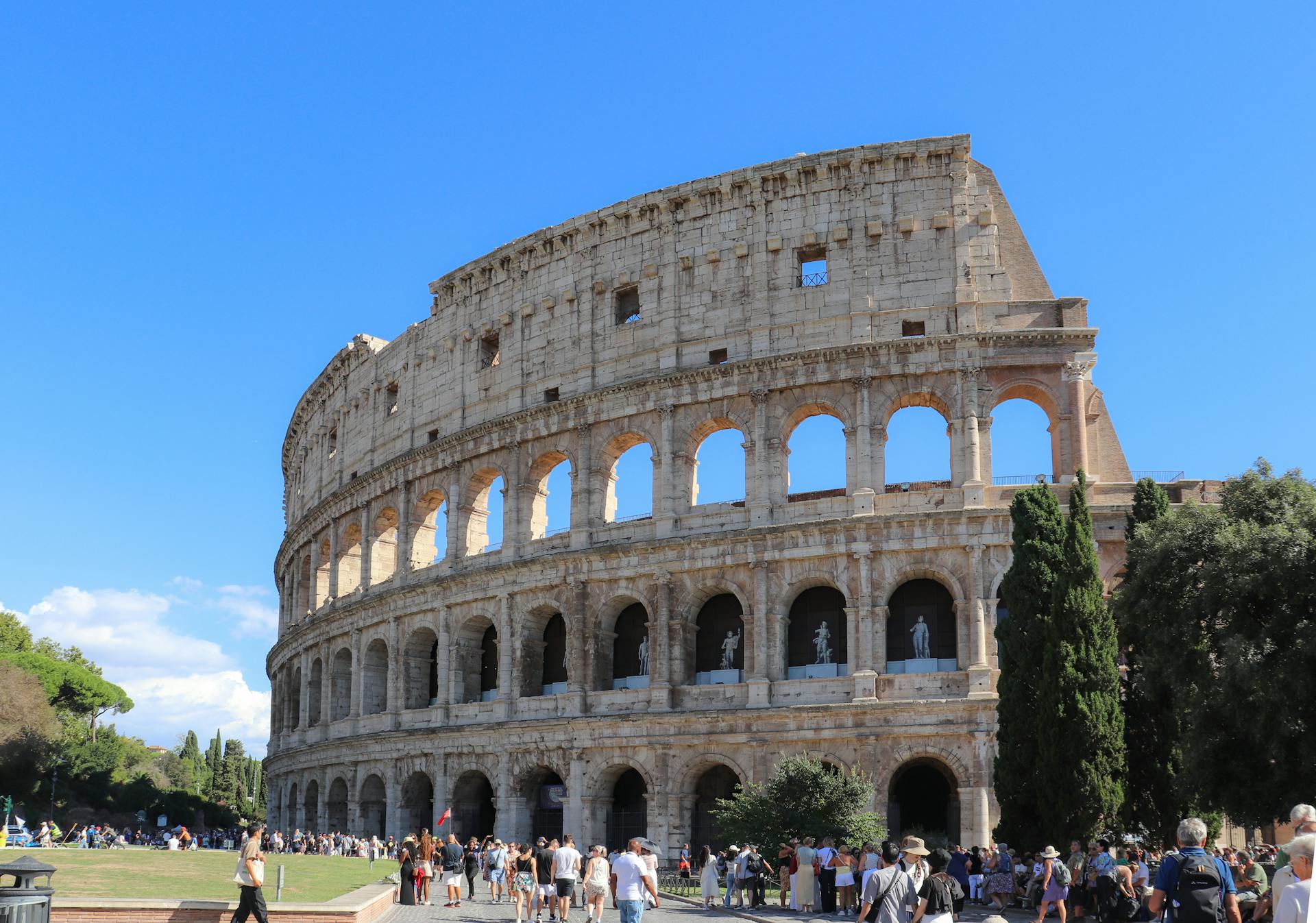
- 🏛 Attractions edge: Rome wins for kids aged 6-12 (Colosseum, gladiator stories, Vatican), Florence edges ahead for art-curious tweens and walkable toddler days.
- 👮 Kids' tickets in 2026: Under-18s enter the Colosseum, Vatican Museums (ages 7-18 reduced to €8), Uffizi, and Boboli Gardens free or nearly free — a rare bright spot for family budgets.
- 🚉 Best ages for Rome: 6-14 — old enough to walk long distances and engage with Roman history.
- 👨👦👧 Best ages for Florence: 0-5 and 11+ — compact center is great for tired toddlers; art matters more to tweens and teens.
- 💡 One hidden tradeoff most families miss: Florence's peak-season hotel surge can erase the 11% cost gap entirely (see the cost section below).
- 🧾 Use our family budget calculator to compare a 7-night trip to either city with your real dates.
The deciding factor: kids' ages and walking tolerance — see our full verdict below.
What Changed for 2026
The big shift is the Vatican Jubilee. The 2025 Jubilee ended on January 6, 2026, drawing an estimated 35 million visitors to Rome during the preceding 13 months, according to coverage from National Geographic. Spring 2026 is the first "normal" travel window since late 2024, which makes it a good moment to visit Rome — construction scaffolding has cleared from most major sites and hotel rates have softened from their Jubilee peaks. Florence didn't feel the Jubilee bump the same way, so its pricing has stayed steadier.
Ticketing has also tightened. The Colosseum now requires a €2 online booking fee even for free children's tickets, and the Uffizi charges €4 per free child ticket. Minor on paper, but for a family of four those fees add up to roughly €8-16 of "free" admission.
Side-by-Side Comparison
All pricing reflects verified 2026 sources — see the Data Sources section at the bottom for each figure.
| Question parents actually ask | Rome | Florence | Edge |
|---|---|---|---|
| What's the daily living cost for a family in 2026? | Baseline (100%) | ~11% cheaper (Expatistan) | Edge: Florence |
| How much is a mid-range hotel per night? | $103 avg / $191 peak | $124 avg / $231 peak | Edge: Rome |
| What's the best age range for this trip? | 6-14 (history + walking) | 0-5 and 11+ (compact + art) | Depends on ages |
| Are kids under 18 free at top museums? | Yes — Colosseum, Vatican (7-18 is €8) | Yes — Uffizi, Accademia, Boboli Gardens | Tie |
| How walkable is the center with a stroller? | Spread-out; elevator metro; cobbles | Compact; 15-min walks; narrow sidewalks | Edge: Florence |
| What's the flight time from the US East Coast? | ~8-9 hrs direct to FCO | Usually connects via FCO or a hub | Edge: Rome |
| How kid-friendly is the food scene? | Pizza, pasta, gelato everywhere | Same plus famous bistecca and markets | Tie |
| How bad is the summer heat with young kids? | Brutal July-August; plan around it | Similar — same climate belt | Tie (both rough) |
| How long should a family plan to stay? | 3-4 days minimum | 2-3 days is enough | Depends on focus |
True Cost Comparison for Families
Here's where the "Florence is cheaper" story gets more nuanced. Expatistan's 2026 cost index puts Florence at about 11% below Rome for groceries, restaurants, and transit. That checks out on the ground — street food, coffee, and casual dining all run a touch cheaper in Florence.
Hotels flip the script, though. Budget Your Trip lists Rome's average mid-range hotel at around $103/night with summer peaks around $191, while Florence's mid-range average is $124/night with peaks up to $231. That's a real surprise for most families. Rome's bigger hotel inventory (post-Jubilee) is pushing rates down, while Florence's smaller center has limited supply that spikes during peak months.
So what does a week actually cost? For a mid-range family of four skipping international flights, expect roughly $2,800-4,200 in Rome and $2,600-4,500 in Florence for 7 nights — hotels, food, local transit, and entry fees. Florence tends to win in shoulder months; Rome often wins in summer peaks. The gap is narrower than most travel sites suggest.
Good news on tickets: kids under 18 get in free at almost every major museum. The Colosseum charges adults €18 basic or €24 full experience (per Parco Colosseo's official site), but under-18s pay only the €2 booking fee. The Vatican Museums are €20 for adults (€25 with skip-the-line), free under 7, and €8 reduced for ages 7-18. The Uffizi Gallery is free for all visitors under 18 regardless of nationality.
Kid-Friendly Activities and Attractions
Rome's Strongest Family Draws
Rome's pitch to kids is simple: the history is real and the scale is huge. The Colosseum with a guided "kids" tour turns gladiators into something tangible, and the Roman Forum and Palatine Hill come bundled with the same ticket. The Vatican Museums reward school-age kids more than toddlers — long corridors, lots of art, and mandatory silence in the Sistine Chapel. For younger children, Explora — Il Museo dei Bambini di Roma near Piazza del Popolo is a hands-on science museum built specifically for ages 0-11, with 2,000+ square meters of interactive installations.
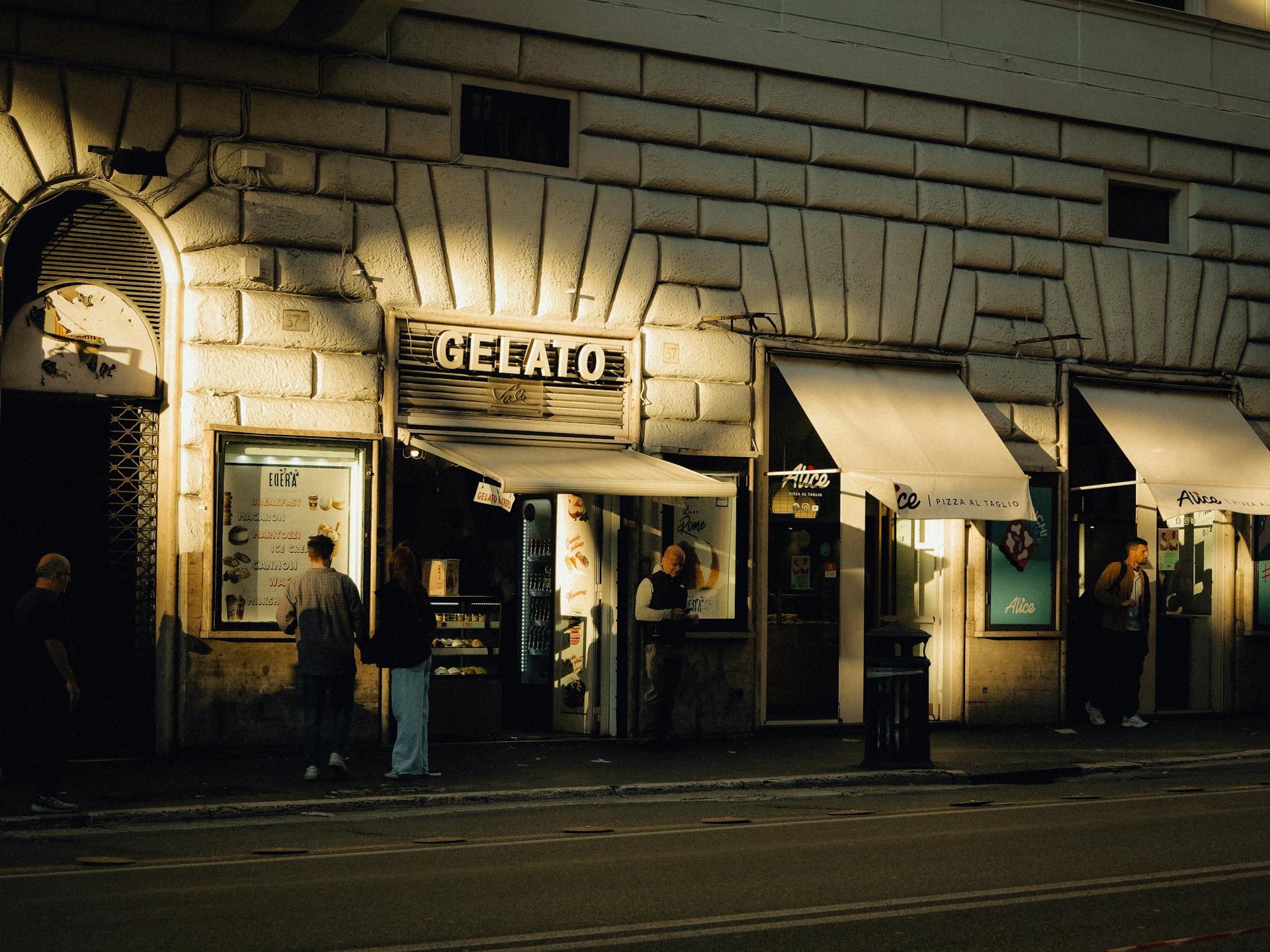
Outdoor wins: Villa Borghese park has bike rentals, a playground, a little train, and a puppet theater. Gianicolo Hill at sunset is a surprisingly good stroller-friendly stop. Is Rome's gelato better than Florence's? Probably not — but there's more of it.
Florence's Strongest Family Draws
Florence rewards families who don't try to do too much. The Uffizi is manageable if you plan one "find the character" loop with kids — Botticelli's "Birth of Venus" is usually the hook. The Accademia for Michelangelo's David runs the same play, and both galleries stay free for under-18s. Palazzo Vecchio runs a dedicated children's program (book ahead), and the Galileo Museum is surprisingly fun for curious 7-year-olds with its astrolabes and compasses.
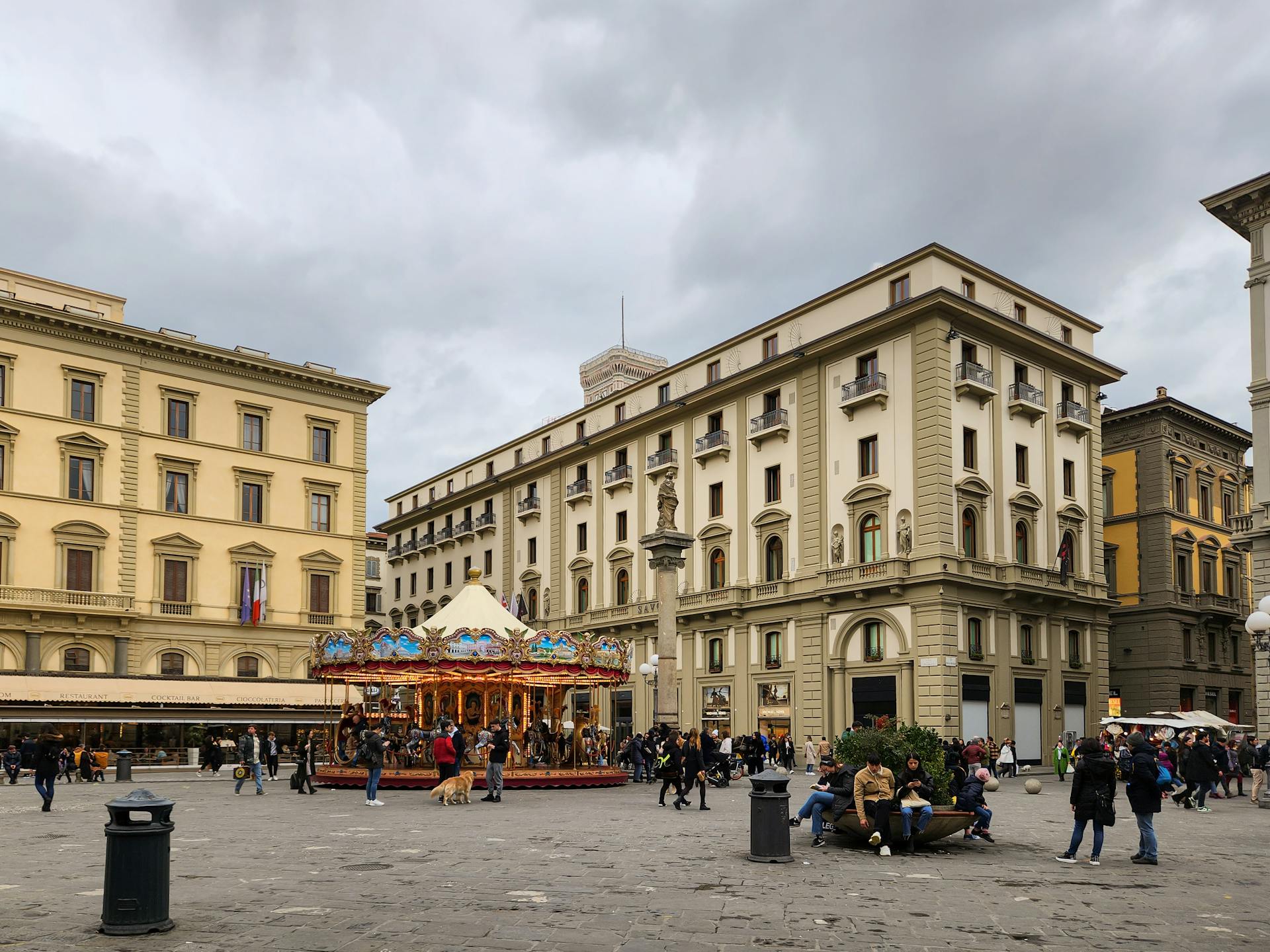
Outdoor winners: Boboli Gardens (free for under-18s, reservation optional for kids under 6) is the city's pressure valve — grassy, fountains, Renaissance statues, pigeon-chasing opportunities. Piazza della Repubblica has a historic carousel most kids want to ride twice. And Piazzale Michelangelo at sunset is magical, though the final climb will test little legs.
Walkability, Strollers, and Getting Around
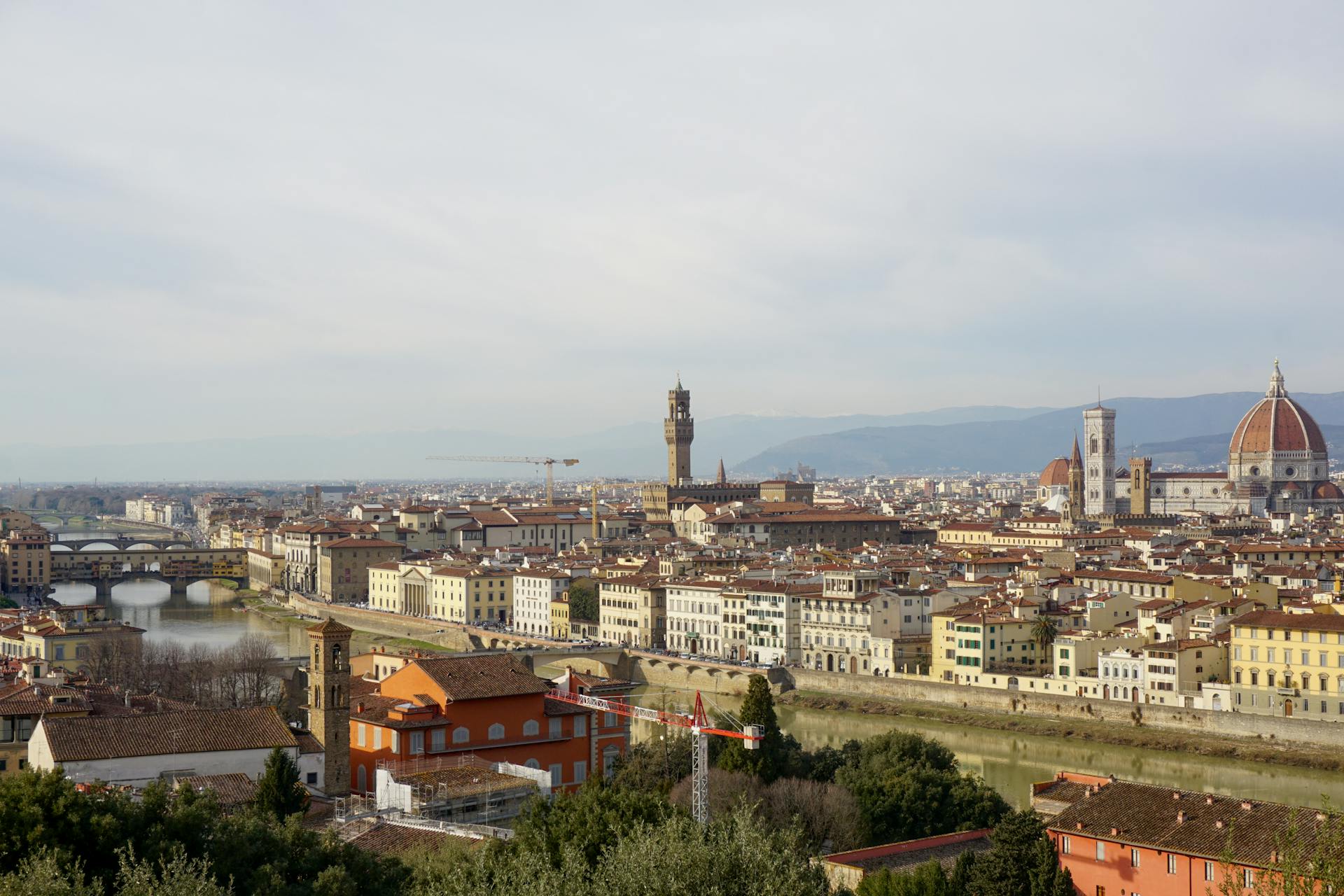
This is where the two cities differ most sharply. Florence's historic center sits inside a roughly 1-kilometer oval — the Duomo, Uffizi, Ponte Vecchio, Palazzo Vecchio, and Santa Croce all within a 15-minute walk of each other, per Mama Loves Italy's 2026 family guide. Narrow sidewalks and cobbles still demand a sturdy stroller, but total walking distances stay short.
Rome is the opposite. The Vatican, Colosseum, and Trevi Fountain form a sprawl that takes real planning. Rome's metro has two lines that meet only once, and buses require closed strollers plus high steps — tough with a sleeping toddler. The upside: ATAC (Rome's transit authority) confirms children under 10 ride free when accompanied by a paying adult. A soft carrier plus one stroller with air-filled wheels is the sweet spot for most families in Rome.
Rome-Florence train? Frecciarossa at ~1h30, fares from €19.90 when booked ahead (per Seat61's Italy rail guide). Italo's competing service runs the same route and offers a Family option where kids under 14 travel free. Most families do both cities on a single Italy trip — and honestly, skipping one feels like a shame when the connector is this easy.
Age-by-Age Recommendations
Under 5 (Toddlers and Preschool)
Florence edges ahead. Compact distances, fewer stairs, the Boboli Gardens for running off energy, and the Piazza della Repubblica carousel. Rome's distances wear small legs down fast, and the Vatican in particular is brutal with a napping toddler. Exception: if your under-5 loves construction equipment and horses, the Colosseum from the outside plus Villa Borghese's train ride will still be a hit.
Ages 5-10 (Peak Rome Years)
Rome is hard to beat. This is the age when gladiator stories click and a kid-focused Colosseum tour really lands. Florence still works, but its art-first pitch needs more setup ("we're going to find Medusa's head in this painting"). If you're only picking one city, this age group usually votes Rome.
Ages 11-14 (Tweens)
Coin flip. Tweens who like ancient history lean Rome; tweens who like fashion, food markets, or sketching lean Florence. A combined 5-6 day trip covers both and is honestly the best call for this age.
Ages 15-18 (Teens)
Florence starts pulling ahead. Leather markets, day-trip options (Siena, Pisa, Tuscan wineries), and a denser-per-square-meter art scene than Rome. Teens also tend to tolerate Florence's slower pace better — less walking, more lingering in cafes.
Seasons and Weather Planning
Both cities share the same climate belt, so timing applies to both. April and May bring highs of 16-23°C (61-73°F), mild evenings, and fewer crowds. September and October are equally pleasant and a little less touristed than spring. July and August are the tough months — local family guides like Mama Loves Rome flatly advise families to avoid Rome between 10:30am and 6pm in midsummer, because there's no real break from the heat anymore. If school-schedule pressure forces July or August, build nap breaks into the itinerary and plan museum visits before 11am.
What Parents Report
On Rick Steves' travel forum and Italy-focused TripAdvisor threads, the most repeated advice from parents who've done both cities is the same: Florence is kinder to toddlers, Rome is more thrilling for grade-schoolers. Several parents noted that going stroller-free in Rome (carrier only) made a bigger difference than any other single choice. One common complaint: long lines at the Vatican even outside Jubilee weeks — prebook skip-the-line tickets and aim for the first entry slot of the morning.
Many parents also report that the hotel-cost gap isn't what they expected. Families who assume "Florence is cheaper across the board" sometimes book late and end up paying more than they would have in a comparable Rome mid-range. Worth running the real numbers for your dates.
Decision Framework
Pick the city that matches your family's profile:
- Choose Rome if: your kids are ages 6-14, ancient history excites them, you want a direct flight from the US, and you're traveling in April-May or September-October.
- Choose Florence if: you're traveling with toddlers or teens, you value a compact walkable center, or art and food culture matter more than blockbuster monuments.
- Do both if: you have 6+ days. The Frecciarossa connector is under 90 minutes and kids under 15 travel free with a paying adult.
- First time in Italy with young kids? Start with Florence for 3 nights, then Rome for 4. The pace builds, not the other way around.
- Tight budget? Check both cities' hotel rates for your exact dates before assuming Florence is cheaper — Rome's mid-range inventory often wins.
For a broader look at how Rome and Florence stack up against other European options, see our 2026 ranking of the best European cities for families. If you're weighing Italy against other European capitals, our London vs Paris family comparison covers a similar "two-capital" decision.
The Verdict
Rome wins for families with kids aged 6-14 because the Colosseum, Forum, and Vatican land harder at that age than any Florence attraction does; Florence wins for toddlers, teens, and budget-conscious families who want a walkable center with fewer logistical headaches. Both cities offer free or nearly-free museum admission for under-18s in 2026, which tilts the economics toward families no matter which you pick.
Honest take? If you have 5+ days in Italy, do both. The cost argument for Florence is real but not dramatic (about 11% overall, less for hotels). The attractions argument for Rome is stronger for school-age kids. But the real win is the Frecciarossa connector — 90 minutes, kids ride free, and you get two completely different Italian experiences for basically one trip. If you must pick one: younger kids, pick Florence; older kids, pick Rome. That's the decision for 90% of families.
Frequently Asked Questions
Data Sources and Methodology
All pricing and claims verified April 2026 against the following sources:
Official Tourism and Attraction Sources
- Parco Colosseo — Colosseum, Roman Forum, and Palatine Hill ticket pricing and under-18 free admission policy
- Musei Vaticani — Vatican Museums 2026 ticket prices and family tariff
- Gallerie degli Uffizi — Uffizi Gallery free/reduced ticket policy
- Explora — Il Museo dei Bambini di Roma — Children's museum age ranges and visiting info
- ENIT (Italian National Tourist Board) — General destination information
Transport and Pricing Data
- Trenitalia Children's Discount — Bimbi Gratis offer, Frecciarossa under-15 policy
- Italo Family — Italo train family offer
- Seat61 Italy Rail Guide — Frecciarossa Rome-Florence fare ranges
- ATAC Rome — Children under 10 ride free policy
- Expatistan Cost of Living: Rome vs Florence — ~11% daily-cost gap figure
- Budget Your Trip — Rome Hotels — 2026 mid-range hotel averages
- Budget Your Trip — Florence Hotels — 2026 mid-range hotel averages
Parent Experience and Family-Guide Sources
- Mama Loves Rome — Colosseum-with-kids tips and ticketing nuances
- Mama Loves Rome — Summer Heat Guide — Family heat-avoidance timing
- Mama Loves Italy — Florence with Kids — 2026 walkability and stroller guidance
- The Tuscan Mom — Florence with Kids — Local family itinerary tips
- National Geographic — 2025 Jubilee Guide — 35M visitor estimate and post-Jubilee context
- Lonely Planet — Rome vs Florence — General comparison framing
Methodology: All figures reflect a mid-range family of four, 7-night stay, traveling in 2026 shoulder season unless otherwise noted. Hotel pricing varies by month; always check exact dates. Currency conversions use approximate April 2026 rates. Price research date: April 2026.