Fiji vs Bali with Kids: Island Paradise Comparison
Fly-and-flop with nannies included, or temples and rice terraces at half the price? Two very different island holidays.
Quick Answer: Fiji vs Bali for Families
- Bali costs roughly 50% less than Fiji on a like-for-like basis in 2026, but Fiji's all-inclusive resort packages (which bundle meals, kids clubs, and nanny services) can close that gap significantly for families who'd otherwise spend big on daily Bali activities.
- Fiji's defining advantage: The nanny and childminding culture — resorts like VOMO include 4 hours of daily Baby Butler service in the room rate, and Meimei nannies cost just FJD $20-30/hour
- Bali's defining advantage: There's more to do — temples, rice terraces, cooking classes, monkey forests, and surf beaches fill 7-14 days easily
- Flight from Sydney: Fiji is ~4 hours direct; Bali is ~6.5 hours direct
- Choose Fiji if: you want to arrive, unpack once, and let the resort handle everything while you actually rest
- Choose Bali if: you want daily adventures, cultural experiences, and the freedom to explore at your own pace
- 💡 The all-inclusive math changes everything — a $400/night Fiji resort with meals and nanny included often costs less per day than a $100/night Bali villa plus daily drivers, activities, and restaurant meals. See the full cost breakdown
- 🧮 Use our budget calculator to compare the real total for your family
The real question isn't which island is better — it's whether your family needs rest or adventure right now. See our verdict.
Side-by-Side Comparison
| Category | Fiji | Bali | Edge |
|---|---|---|---|
| Flight from Sydney | ~4 hours direct | ~6.5 hours direct | Edge: Fiji |
| Flight from Singapore | 10-14 hours (connection) | ~2.5 hours direct | Edge: Bali |
| Mid-range accommodation | $200-$400 USD/night | $60-$100 USD/night | Edge: Bali |
| All-inclusive option | Widely available | Rare | Edge: Fiji |
| Nanny/childminding | Cultural norm, affordable | Available but limited | Edge: Fiji |
| Things to do outside resort | Limited | Endless | Edge: Bali |
| Beach snorkeling | Resort reefs, easy access | Requires trips to best spots | Edge: Fiji |
| Cultural experiences | Village visits, kava ceremonies | Temples, dance, art, cooking | Edge: Bali |
| Independent transport | Difficult — resort drivers | Easy — private drivers $35-55/day | Edge: Bali |
| Days to fill | 5-7 days (resort-paced) | 7-14 days | Edge: Bali |
The Real Cost Math
Here's where most Fiji vs Bali comparisons get it wrong. They compare nightly room rates and conclude Bali is half the price. True on paper. Wrong in practice — at least for many families.
Bali: Cheap Rooms, Expensive Days
A solid family villa in Bali runs $60-$100/night, or $150-$200 for one with a private pool. Over 7 nights, that's $420-$1,400 on accommodation. But then you're paying separately for everything else: a private driver at $35-$55/day ($245-$385/week), meals for four at $40-$80/day ($280-$560/week), activities and entrance fees ($150-$400/week), and snorkeling trips or water sports ($50-$100 each). A realistic 7-night Bali total for a family of four lands at $2,500-$4,500 USD (roughly AUD $3,800-$6,800).
Fiji: Expensive Rooms, Everything Included
Fiji family resorts run $200-$400/night for mid-range, jumping to $500+ for premium properties. That sticker shock is real. But many of those rates include meals, kids club access, nanny services, snorkeling equipment, and non-motorized water sports. VOMO Island includes 4 hours of Baby Butler daily. Jean-Michel Cousteau includes dedicated nannies for under-6s in their all-inclusive rate. OUTRIGGER Fiji's all-inclusive family packages bundle meals and activities.
When you calculate Fiji's total — $1,400-$2,800 for accommodation with most extras bundled — the gap narrows to roughly $3,000-$5,500 USD for a week (AUD $4,600-$8,400). Still more than Bali, but not the 2x difference the room rates suggest.
The Nanny Factor
This is Fiji's genuine trump card, and it's worth talking about honestly.
Fijians love children. That's not marketing — it's cultural reality. The concept of community childcare runs deep in Fijian culture, and it translates directly into the resort experience. When a Fijian nanny (meimei) looks after your toddler at the pool while you get a massage, it doesn't feel transactional. It feels natural. Kids sense the difference.
Practically, this means families with babies and toddlers can book a Fiji resort and actually rest. The meimei service at OUTRIGGER Fiji costs FJD $20-30/hour (roughly $9-$14 USD/hour), with one dedicated meimei per child for under-2s. Some resorts assign the same nanny for your entire stay, so your child builds a genuine bond.
Bali offers babysitting services, but they're more ad hoc and typically arranged through hotel reception rather than built into the resort culture. Kids clubs in Bali resorts usually start at age 4. For families with children under 4, the childcare gap between Fiji and Bali is significant.
What You Actually Do Each Day
A Day in Fiji
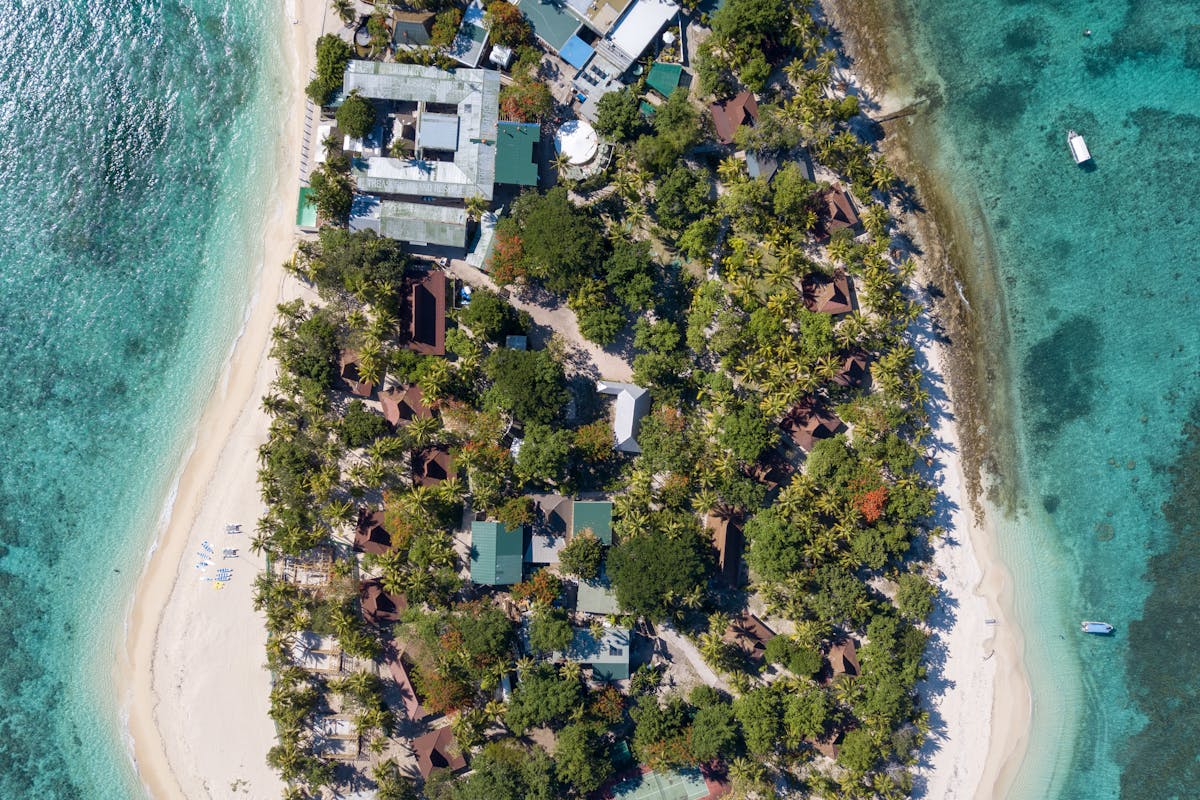
Wake up. Walk to the beach. Swim. Kids go to the club or the nanny arrives. Snorkel over the house reef. Lunch at the resort restaurant. Nap (parents included — this matters). Afternoon paddleboarding or kayaking. Sunset cocktails while the kids are supervised. Dinner. Done. Tomorrow's the same, and nobody minds.
Some resorts offer village visits, glass-bottom boat trips, and island-hopping excursions, but these are add-ons to the core resort experience. Fiji's off-resort dining and independent exploration options are limited compared to Bali — there are fewer taxis, fewer restaurants, and fewer attractions outside the resort fence.
A Day in Bali
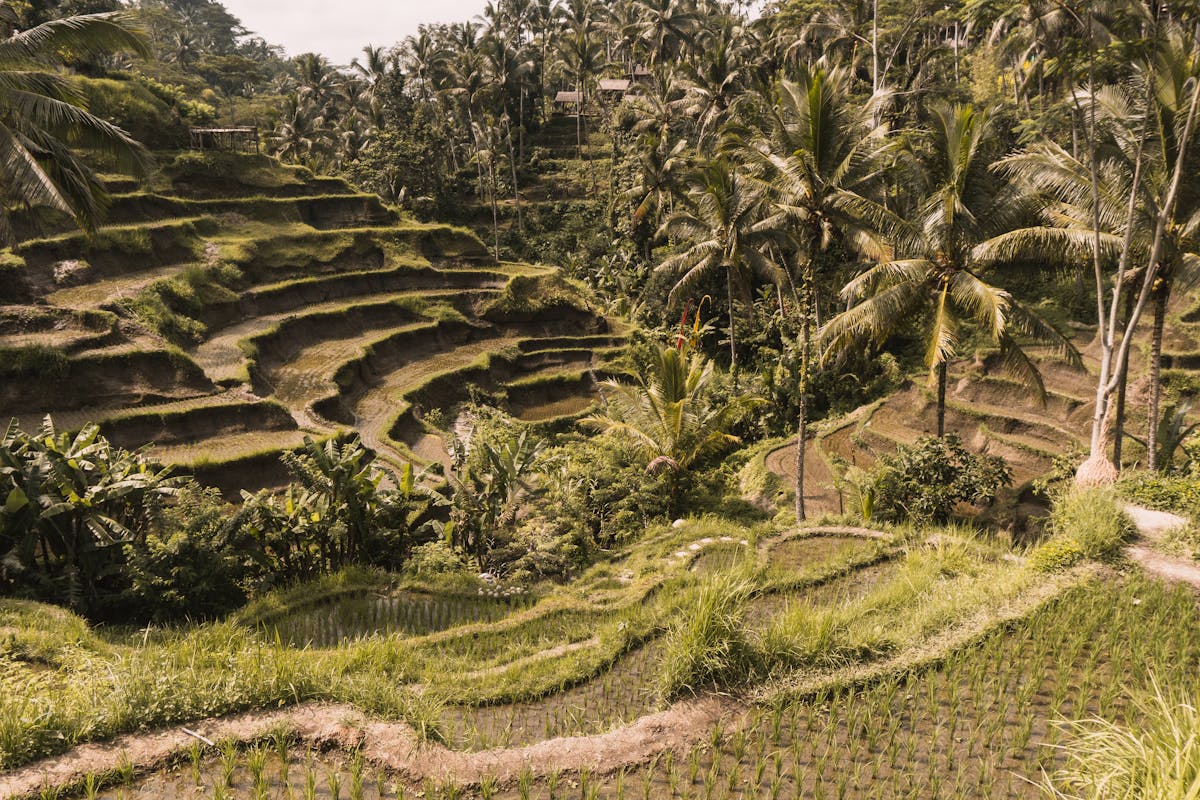
Wake up. Meet your driver. Visit Tegallalang rice terraces before the crowds. Stop at a coffee plantation. Lunch at a warung overlooking a valley. Drive to Ubud for the Monkey Forest. Kids attempt a Balinese dance workshop. Dinner in Seminyak. Fall asleep exhausted but full of stories.
Bali rewards planning and effort. Every day can be different — temples one day, water sports the next, cooking class on Wednesday, beach day on Thursday. But every day also involves driving, decisions, and logistics. For parents who are already exhausted, that's not a holiday — it's a project with better scenery. For our Bali vs Phuket comparison, we found the same dynamic at play.
Snorkeling and Water Activities
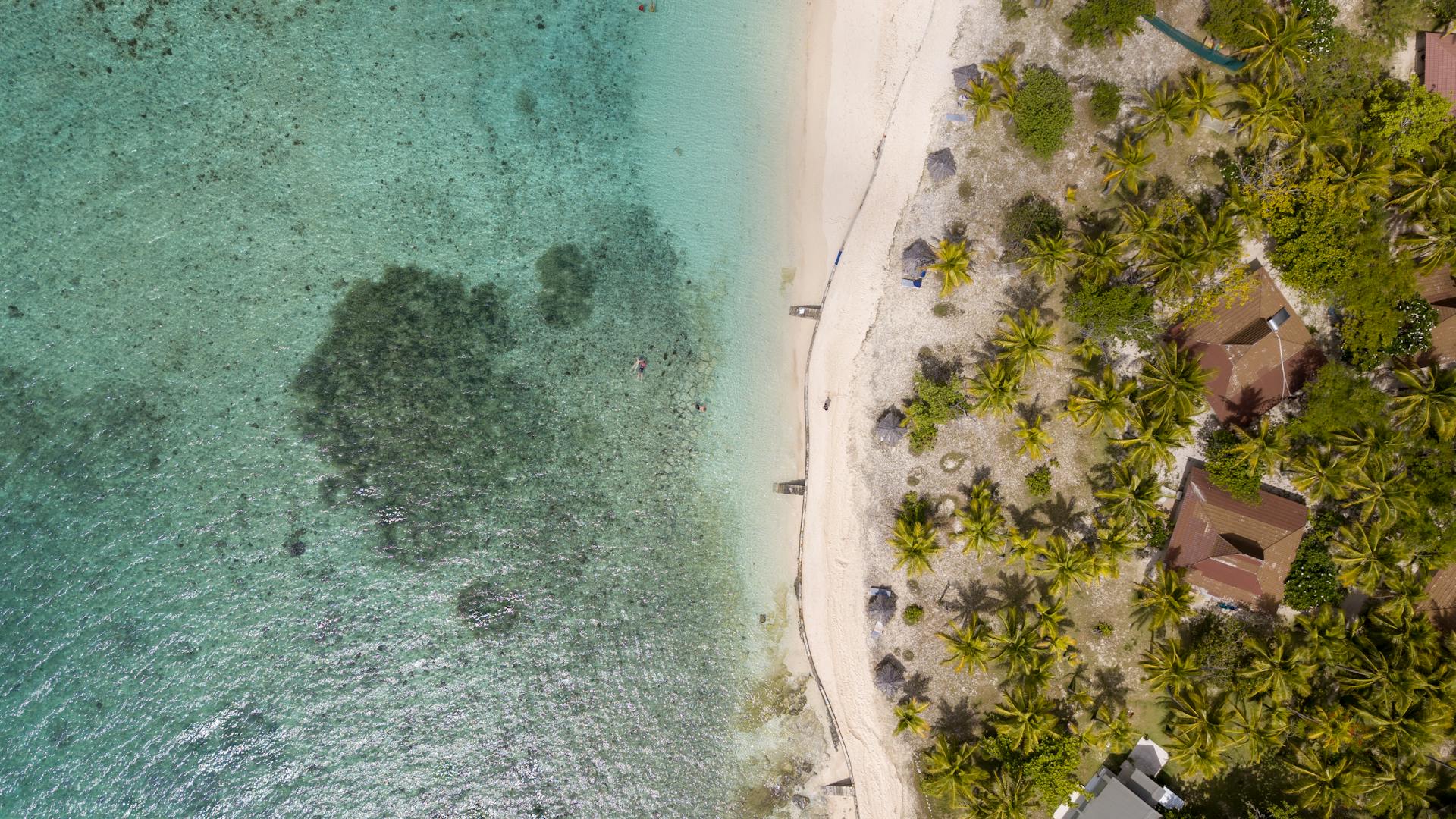
Fiji's reef snorkeling is hard to beat for families. Many resorts sit directly on coral reefs, meaning kids can wade in from the beach and see tropical fish within minutes. No boat trip required. No transfer fee. Just fins, a mask, and a few metres of warm water. The house reef at OUTRIGGER Fiji is often cited by families as a highlight — clownfish, starfish, and sea turtles right off the sand.
Bali's snorkeling requires more effort. The best spots — Amed on the northeast coast, Menjangan Island near the national park, and the waters around Nusa Penida — need boat trips or long drives from the main tourist areas. These are worth it for older kids (the Manta ray encounters at Nusa Penida are extraordinary), but they're full-day commitments with transfer costs of $50-$100 per person.
For simple water play, both islands deliver. Fiji resorts typically have calm lagoon areas perfect for toddler paddling. Bali's Nusa Dua and Sanur beaches offer similar protected swimming. Tanjung Benoa in Bali has cheap water sports (banana boats, parasailing, jet skis) that Fiji resorts don't match at the same price points.
Getting There
From Australia's east coast, Fiji is the quicker option. Sydney to Nadi is about 4 hours direct, with Fiji Airways and Qantas both running daily services. Melbourne to Fiji is similar. Bali from Sydney takes 6.5 hours direct via Jetstar, Qantas, or Indonesia AirAsia. Return flights to Fiji from Sydney typically start around AUD $500-$700, while Bali returns start from AUD $283.
From Singapore, the picture flips entirely. Bali is just 2.5 hours on a direct flight with returns from around S$155. Fiji from Singapore requires a connection (usually through Sydney or Auckland), stretching travel time to 10-14 hours and costing significantly more. For Singaporean families, Bali is the clear logistics winner.
For Australian families during school holidays, both destinations have strong flight availability. Fiji's shorter flight time is a genuine advantage with toddlers — those 2.5 extra hours matter when your 2-year-old has had enough. Brisbane families get the best of both worlds with direct flights to Nadi (under 4 hours) and Denpasar (about 6 hours).
Timing Your Trip
Fiji's dry season runs May through October — perfect for Australian July school holidays. The wet season (November-April) brings cyclone risk and humidity but also lower prices. Bali's dry season is April through October, also covering July holidays nicely. Both destinations work well for Australian December-January summer holidays, though Fiji's wet season means you'll get rain.
For Singaporean families, Bali during the June school holidays (dry season) is ideal. Fiji's wet season makes it a less attractive June option from Singapore.
Which Island Fits Your Family?
- Babies and toddlers (0-3): Fiji. The nanny culture, resort-contained experience, and shorter flight from Australia make it the clear pick for very young families.
- Preschoolers (4-5): Either works, but Fiji's kids clubs and beach snorkeling suit this age well. Bali's Monkey Forest and water parks are also hits.
- Primary school (6-10): Bali pulls ahead. Temples, cooking classes, rice terrace walks, and cultural experiences engage this age group in ways that a resort can't match after day three.
- Parents who need actual rest: Fiji. Full stop. If you're arriving burnt out from work and want someone else to manage the kids for a few hours daily, Fiji's resort model exists for exactly this.
- Budget-first families: Bali. Even with daily activity costs, the total is lower — especially for families happy with a guesthouse and warung meals.
- Coming from Singapore: Bali. The 2.5-hour direct flight versus 10+ hours to Fiji makes this straightforward.
The Verdict
Fiji is the better family island holiday for parents who really want to rest — with young children looked after by warm, affordable resort nannies — while Bali is the better choice for families who want adventure, culture, and variety at a lower total cost.
These islands aren't really competitors. They're answers to different questions. "Where can we go to switch off and let someone else hold the baby for a few hours?" That's Fiji. "Where can we go to actually do things together as a family every day?" That's Bali.
The most common mistake families make is choosing Fiji when they have energetic 8-year-olds who'll be bored by day four, or choosing Bali when they have a baby and two toddlers and need the resort infrastructure. Match the destination to your family's current stage, not to your holiday fantasy.
And about the cost. Bali is cheaper — but not by as much as the room rates suggest. When you add up Bali's daily drivers, restaurant meals, activity fees, and babysitting costs, the total creeps toward Fiji's all-inclusive rates. Run the real numbers for your family using our budget calculator before deciding. The answer might surprise you.
For families also considering Thailand's islands as an alternative, our Hawaii vs Caribbean comparison explores another set of resort-versus-exploration trade-offs.
Frequently Asked Questions
Data Sources and Methodology
This comparison uses verified data from authoritative sources:
Official Sources
- Tourism Fiji — Official tourism board
- Indonesia Tourism — Official tourism board
- OUTRIGGER Fiji Meimei Service — Nanny pricing
- VOMO Island Fiji — Baby Butler program details
Pricing Data
- Resort rates: Official websites, Booking.com, Expedia (March 2026)
- Bali daily costs: Kala.surf, BaliExploring cost guides
- Methodology: Mid-range pricing for family of 4, 7-night stays
Parent Experiences
- Out & About with Kids (Australian family travel)
- World of Travels with Kids — Fiji vs Bali comparison
- TripAdvisor Fiji and Bali family forums