Aruba vs Turks and Caicos for Families: Luxury Beach Comparison
Active island life vs quiet beach perfection — and one major weather advantage families overlook

Quick Answer: Aruba vs Turks and Caicos for Families
- A 7-night Aruba family vacation costs $5,000-$8,000 for a family of four in 2026, while Turks and Caicos runs $7,000-$12,000+ — a gap of $2,000-$4,000 for comparable beach quality.
- Hurricane safety: Aruba sits outside the hurricane belt and sees storms only once every 6-7 years on average — a real booking advantage for families planning months ahead
- Beach showdown: Grace Bay (TCI) has slightly clearer water; Eagle Beach (Aruba) is wider, less crowded, and more affordable. Both rank among the world's top 10 beaches.
- Choose Aruba if: Your family wants water sports, dining variety, a lively resort scene, and weather security
- Choose TCI if: Your family wants the quietest, most pristine beach experience possible and budget isn't the top concern
- Best for toddlers: Both work beautifully — calm, shallow water at Baby Beach (Aruba) and Taylor Bay (TCI)
- 💡 The hidden cost: Turks and Caicos adds 12% tourism tax plus 10% service charge on top of posted resort rates — that's 22% more than what you see on booking sites. Full cost breakdown below
- 🧮 Use our budget calculator to compare your family's costs for both islands
The deciding factor is your family's vacation style, not the beaches — see our verdict.
Side-by-Side Comparison
Both Aruba and Turks and Caicos are luxury Caribbean destinations with gorgeous beaches. But they offer fundamentally different vacation experiences. One is active, social, and affordable (relatively speaking). The other is quiet, exclusive, and premium-priced.
| Category | Aruba | Turks and Caicos | Edge |
|---|---|---|---|
| Top Beach | Eagle Beach (wide, less crowded) | Grace Bay (clearer water, barrier reef) | Edge: TCI (slightly) |
| Hotel Cost (mid-range/night) | $250-$400 | $350-$600+ | Edge: Aruba |
| Hurricane Risk | Outside belt (very low) | Inside belt (June-Nov) | Edge: Aruba |
| Water Sports Variety | Windsurfing, kitesurfing, diving | Snorkeling, diving, kayaking | Edge: Aruba |
| Dining Options | Dozens of restaurants, casual to fine | Limited, mostly resort-based | Edge: Aruba |
| Atmosphere | Lively, social, resort-centric | Quiet, exclusive, beach-focused | Depends on family |
| Snorkeling Quality | Good (some cloudy water) | Excellent (barrier reef) | Edge: TCI |
| Family Safety | Very safe, well-lit at night | Very safe, quieter | Tie |
| Hidden Taxes | Standard 9.5% tax | 12% tourism + 10% service = 22% | Edge: Aruba |
The Beach Battle: Eagle Beach vs Grace Bay
Let's address the main question first. Are Turks and Caicos beaches worth the extra thousands of dollars?
Grace Bay Beach on Providenciales is stunning. The offshore barrier reef about a mile out creates lagoon-like conditions — the water is warm, incredibly clear, and calm enough for a 2-year-old. The sand is fine and white. It regularly tops "best beaches in the world" lists, and it earns the spot. Walking along Grace Bay feels like being in a screen saver come to life.
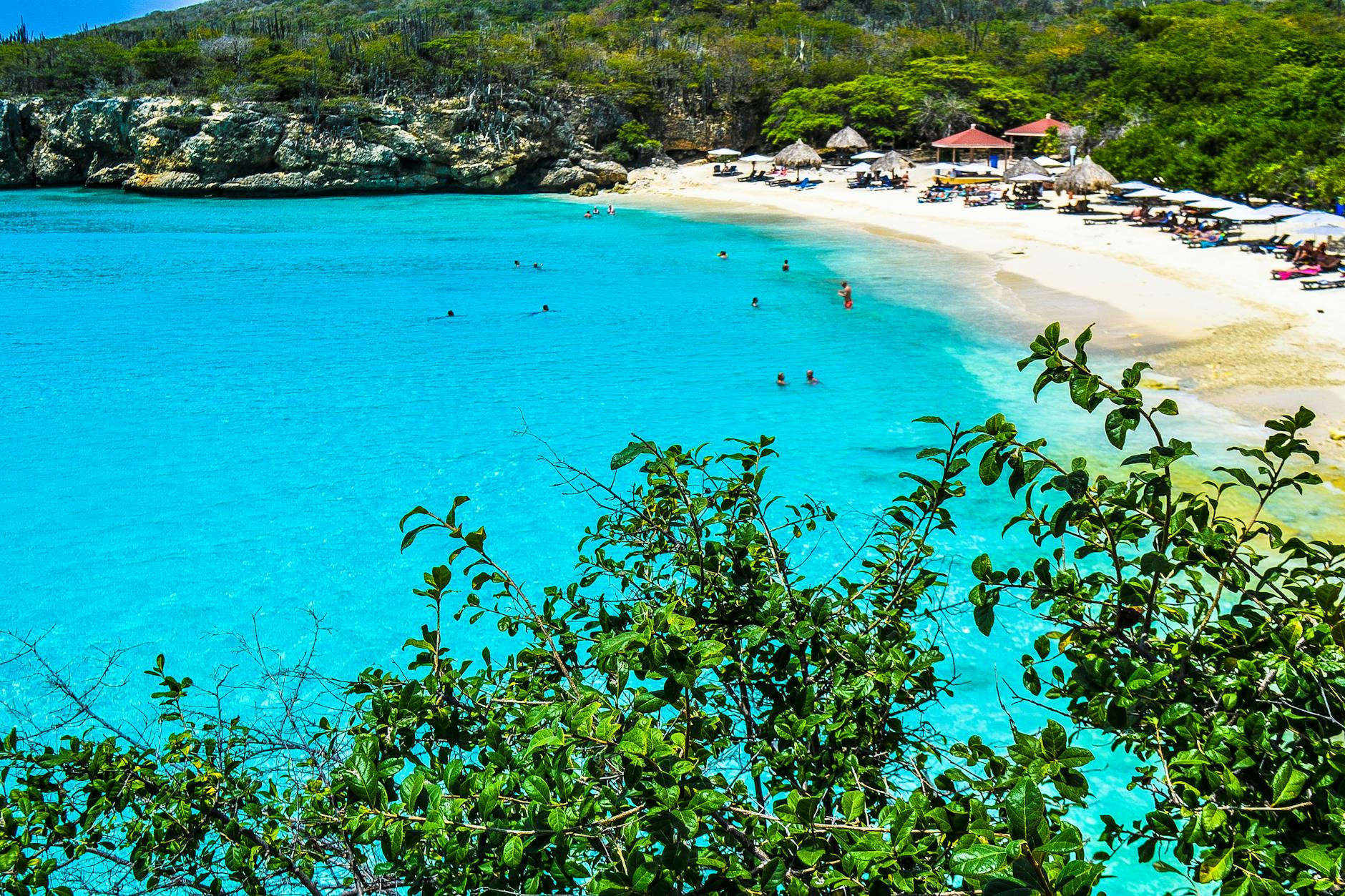
Eagle Beach in Aruba is also stunning. It's wider than Grace Bay (seriously wide — you'll walk for a while from the road to the waterline), with the same powdery white sand. The water is calm and swimmable, though occasionally cloudier than TCI's, especially after wind. Eagle Beach makes the same "world's best" lists and honestly deserves to. It's also less developed and less crowded than Grace Bay, with those famous divi-divi trees bending in the trade winds.
Is Grace Bay better? Slightly, if water clarity is your single priority. Is it $3,000 better? That's where families need to do their own math.
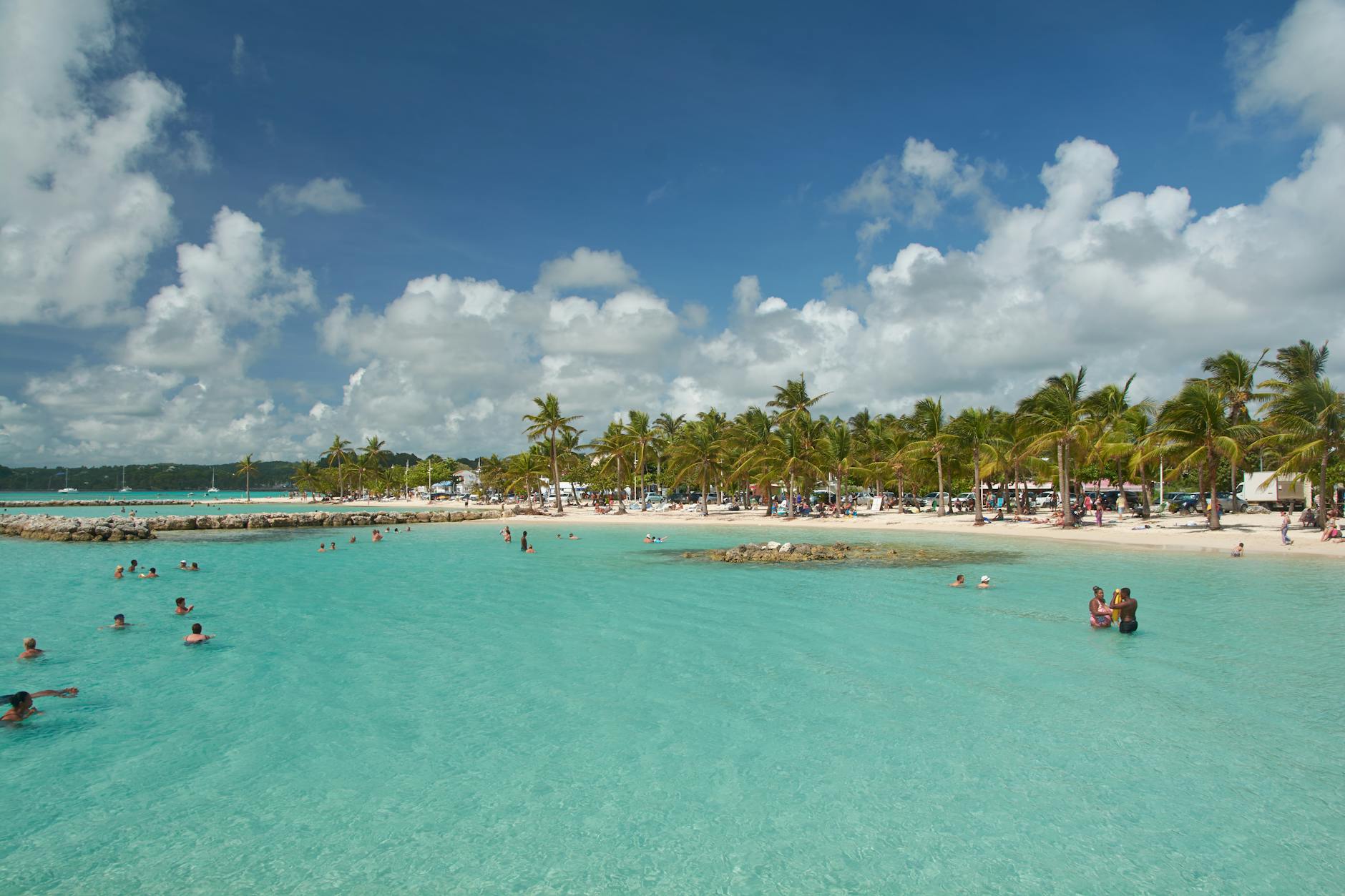
Aruba also has Baby Beach on its southern tip — a natural lagoon where the water is barely knee-deep for a long stretch. It's one of the safest swimming spots for toddlers in the entire Caribbean. TCI has Taylor Bay and Sapodilla Bay as its equivalent calm-water spots for little ones, and they're equally fantastic.
Getting There: Flights and Logistics
Both islands are accessible from major US airports, but Aruba has the edge on flight options. Queen Beatrix International Airport in Aruba receives direct flights from Miami, New York (JFK and Newark), Atlanta, Charlotte, Fort Lauderdale, Houston, and several other US cities. Round-trip family fares typically run $300-$500 per person from the East Coast.
Providenciales International Airport in TCI has fewer direct routes. Most flights connect through Miami or Charlotte, which adds travel time and cost. Direct routes exist from New York, Miami, and a handful of other cities, but they're less frequent and usually pricier — expect $350-$600 per person round trip. For a family of four, the flight cost difference alone can be $200-$800.
Once you land, both islands are small enough that getting around is straightforward. Aruba is 20 miles long, and taxis or rental cars cover everything. TCI's Providenciales is even smaller, though a rental car is helpful since resorts and restaurants are spread along Grace Bay Road.
True Cost Comparison
Aruba is the more affordable of these two luxury destinations. That's not damning with faint praise — Aruba isn't cheap. But it's noticeably less expensive than TCI across every spending category.
Hotels and Resorts
Aruba's Palm Beach strip is lined with high-rise resorts from major chains — Hyatt, Marriott, Hilton — with rates running $250-$400 per night for a family room. Move to Eagle Beach and you'll find smaller boutique properties and vacation condos in the $180-$300 range. Budget options exist in the $120-$180 range at properties like Brickell Bay Beach Club.
Palm Beach hotels on Expedia — the high-rise chains sit on Palm Beach ($250-$400/night) while the quieter boutiques and condos cluster on Eagle Beach ($180-$300).
Turks and Caicos doesn't really do "budget." Grace Bay resorts start around $350 per night for basic rooms and quickly climb to $600-$900+ for family suites. Beaches Turks and Caicos (the island's biggest family all-inclusive) runs $900+ per night for a family. Vacation rentals offer better per-night rates but often require minimum stays and cleaning fees.
Compare Grace Bay resorts on Expedia — most family suites along the beach land in the $600-$900 range before the 22% tax, so it pays to compare a few before you commit.
The Hidden 22% Tax
This catches families off guard. TCI adds a 12% government tourism tax plus a 10% service charge to resort and restaurant bills. A $500/night room actually costs $610/night after taxes and service. That 22% surcharge doesn't show up on most booking sites until checkout. Aruba's equivalent tax rate is about 9.5% — still meaningful, but roughly half of TCI's hit.
Total Trip Costs: 7 Nights, Family of Four
- Aruba: $5,000-$8,000 — hotels $1,750-$2,800, flights $1,200-$2,000, food/activities $1,200-$2,000
- Turks and Caicos: $7,000-$12,000+ — hotels $2,450-$4,200 (after 22% tax), flights $1,400-$2,400, food/activities $1,500-$2,500
The Hurricane Factor
This is the conversation most comparison articles skip. But for families who book vacations 6-12 months in advance (and that's most families), it matters a lot.
Aruba sits at the southern edge of the Caribbean, about 15 miles off the coast of Venezuela. It's well below the hurricane belt and averages a storm impact only once every 6-7 years — and usually just tropical storm-level wind, not a direct hit. You can book Aruba for August with genuine confidence that your trip won't be cancelled.
Turks and Caicos is inside the hurricane belt. Hurricane season runs June through November, with the highest risk in August-October. The islands have been impacted by major hurricanes (Irma in 2017 was devastating). Does that mean you can't visit in summer? No — many families do, and insurance helps. But it does mean summer bookings carry risk, and TCI's best rates happen to overlap with peak hurricane season.
For families who can only travel in summer, Aruba removes that weather anxiety entirely. For families traveling December through April, both islands offer excellent weather and this factor doesn't matter.
Activities and Resort Life
Aruba: The Active Island
Aruba has a full island infrastructure — shopping, nightlife, restaurants, and organized activities. Families can rent UTVs and drive the rugged northeast coast, windsurf at Hadicurari Beach (the island's consistent trade winds make it a top spot), explore the Arikok National Park, or take a submarine tour to see shipwrecks. The Palm Beach strip comes alive at night with restaurants, ice cream shops, and family-friendly entertainment.
Browse Aruba family excursions on Viator — the catamaran-snorkel sails and Arikok UTV runs book up fastest in high season, so reserve a week or two ahead.
There are more things to do off-resort in Aruba than almost anywhere in the Caribbean. For families where kids get restless after two beach days, that variety is a real advantage. Check our Hawaii vs Caribbean comparison for more activity-focused destinations.
Turks and Caicos: The Beach Sanctuary
TCI is the opposite model. The islands are about the beach — and they do that one thing at an exceptional level. Grace Bay's reef creates ideal snorkeling conditions (the reef system is the third-largest barrier reef in the world). Boat tours to uninhabited cays let families play on private-feeling beaches. The conch farm tour is a quirky family favorite.
Grace Bay snorkel and island-hop tours on Viator — the half-day reef-snorkel and cay-hopping trips suit calmer mornings with younger kids better than the all-day boat runs.
But off-resort dining is limited. There isn't much shopping. Nightlife barely exists. Providenciales has grown in recent years, but it still feels more like a quiet island than a destination with infrastructure. For families who want beach-dinner-repeat, that's perfect. For families who want options, it can feel limiting by day four.
Which Island Fits Your Family?
Families with Toddlers (Ages 0-4)
- Tie: Baby Beach (Aruba) and Taylor Bay (TCI) are both perfect for this age. Choose based on budget and travel dates.
- If booking summer travel, Aruba wins by default (hurricane safety)
Families with Kids Ages 5-12
- Aruba (edge): More activities to fill a week — UTV tours, submarine rides, water sports, and evening entertainment beyond the hotel
- TCI works if your kids are happy with beach + snorkeling on repeat
Families with Teenagers
- Aruba (edge): Teens want activities, social scenes, and Instagram content. Aruba delivers on all three.
- TCI's quieter vibe appeals to some teens who truly enjoy disconnecting — but that's rare
Budget-Conscious Luxury Families
- Aruba: You get a top-10 beach experience at 60-70% of TCI's price. The savings are real and the quality gap is small.
- Use our affordable vacation guide for more budget strategies
Splurge-Trip Families
- Turks and Caicos: If budget isn't the deciding factor, Grace Bay delivers the most beautiful beach experience in the Caribbean. Period. The Beaches resort all-inclusive works well for families who want everything handled.
The Verdict
Aruba offers better overall value for families in 2026, delivering a top-10 world beach, more off-resort activities, and hurricane-proof booking confidence at $2,000-$4,000 less than comparable Turks and Caicos trips.
Turks and Caicos earns its premium for one thing: Grace Bay's water is extraordinary, and the island's quieter pace creates a relaxation level that Aruba's livelier scene can't match. For families where the entire point of the trip is "sit on the most beautiful beach and do nothing else," TCI delivers that better than anywhere in the Caribbean.
But for families who want beach days mixed with water sports, exploring, dining out, and some nighttime entertainment — plus the peace of mind that comes with hurricane-proof travel dates — Aruba is the smarter pick. Eagle Beach is 90% of Grace Bay at 60% of the price. That's a trade most families should happily make.
Frequently Asked Questions
Aruba is better for families who want an active vacation with water sports, dining variety, and a lively resort scene at more affordable prices. Turks and Caicos is better for families seeking quiet luxury, pristine beaches, and a slower pace. Aruba also sits outside the hurricane belt, making it a safer choice for families booking far in advance.
Yes, Aruba sits outside the hurricane belt in the southern Caribbean, about 15 miles north of Venezuela. The island is affected by hurricanes only once every six to seven years on average, and even then usually only indirectly. This makes Aruba one of the safest Caribbean destinations for families booking summer vacations months ahead of time.
Both are regularly ranked among the world's top beaches. Grace Bay in Turks and Caicos has slightly clearer water thanks to its offshore barrier reef, which creates lagoon-like conditions. Eagle Beach in Aruba is wider, less developed, and more affordable to access. Both have powdery white sand and calm swimming conditions suitable for families with young children. See our Caribbean resort guide for specific properties on each beach.
A 7-night family trip to Aruba typically costs $5,000-$8,000 for a family of four, including flights and mid-range hotel. The same trip to Turks and Caicos runs $7,000-$12,000+, with fewer budget options available. TCI also adds a combined 22% in tourism tax and service charges on top of posted resort and restaurant rates, which catches many families off guard at checkout.
Turks and Caicos has better reef snorkeling with its massive barrier reef system, offering clearer water and more marine diversity. Aruba's snorkeling is good at spots like Mangel Halto and Baby Beach, but the water can be cloudier. For families with young kids, both destinations offer calm, shallow areas suitable for beginners.
Aruba is a great year-round destination since it sits outside the hurricane belt with consistent weather (average highs of 86-89F all year). Turks and Caicos is best from December through April, avoiding the June-November hurricane season. For families who can only book during summer, Aruba is the safer weather choice. Use our budget calculator to compare seasonal pricing.
Data Sources and Methodology
This comparison uses verified data from authoritative sources:
Official Sources
- Aruba Tourism Authority
- Turks and Caicos Islands Tourist Board
- NOAA — Hurricane tracking and climate data
Pricing Data
- Hotel rates: TripAdvisor, Expedia, and resort websites — March 2026
- Tax rates: Visit TCI official pricing guide and Aruba government tourism data
- Methodology: Median family of 4 pricing, mid-range to upscale properties, 7-night stays
Parent Experiences
- TripAdvisor Aruba and TCI forums comparing both destinations
- ArubaBuddies.com comparison data and community reviews
- Best Family Beach Vacations editorial comparisons